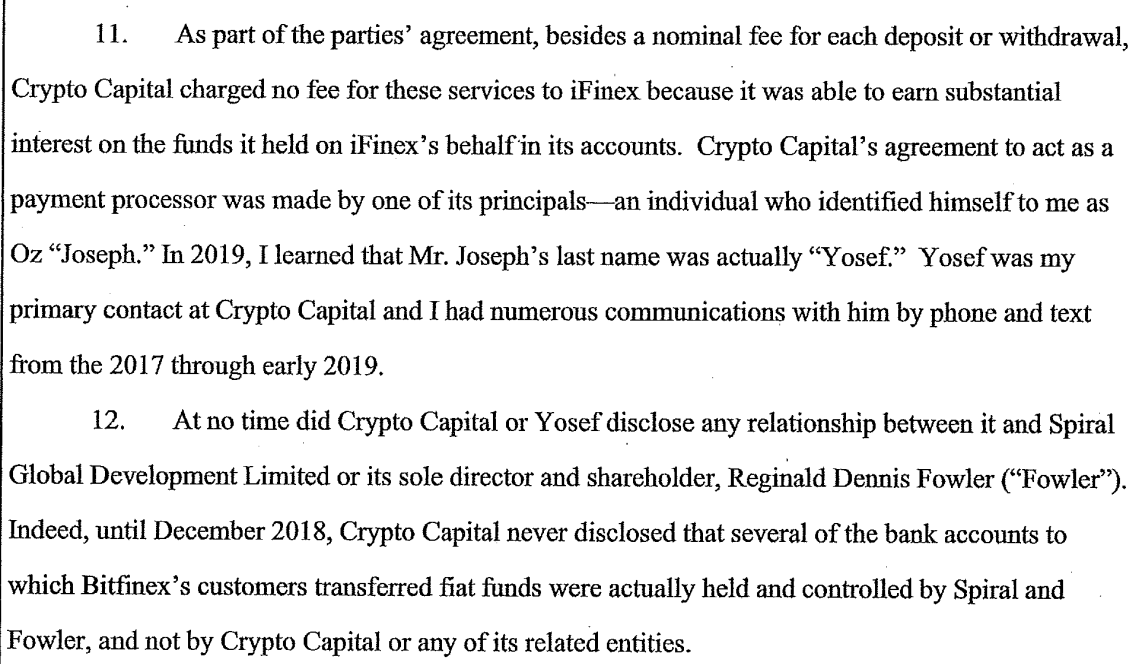
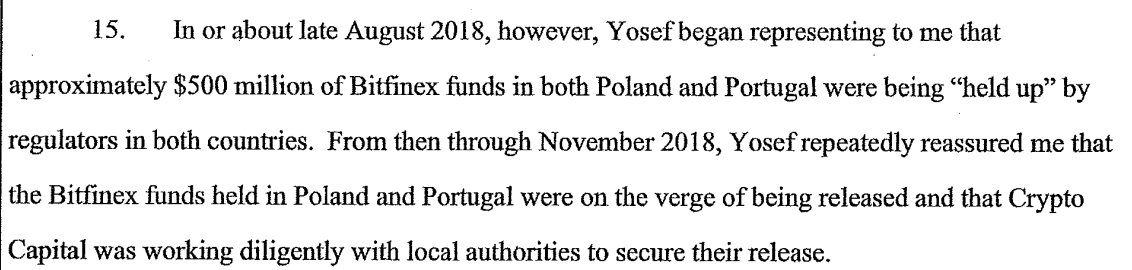
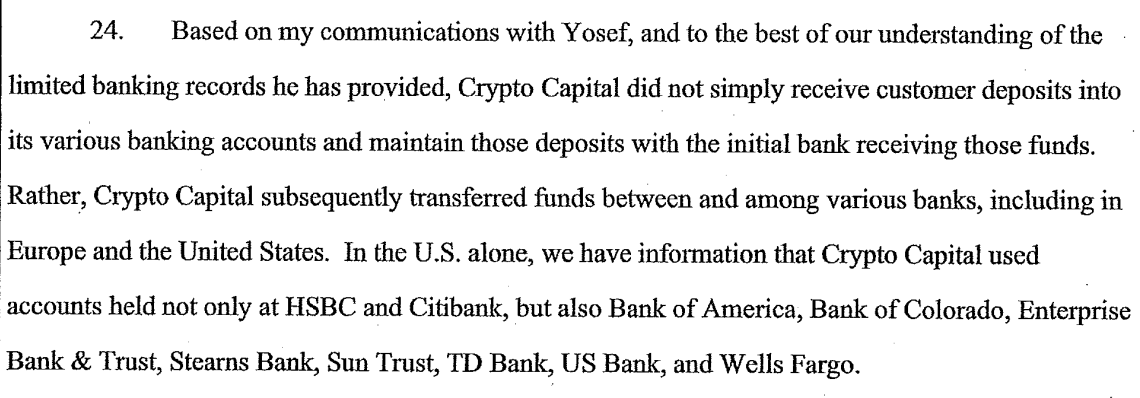
Bitfinex files discovery in "Yo bro, where did our $800 million go?" action and it is every bit as interesting as you'd expect it to

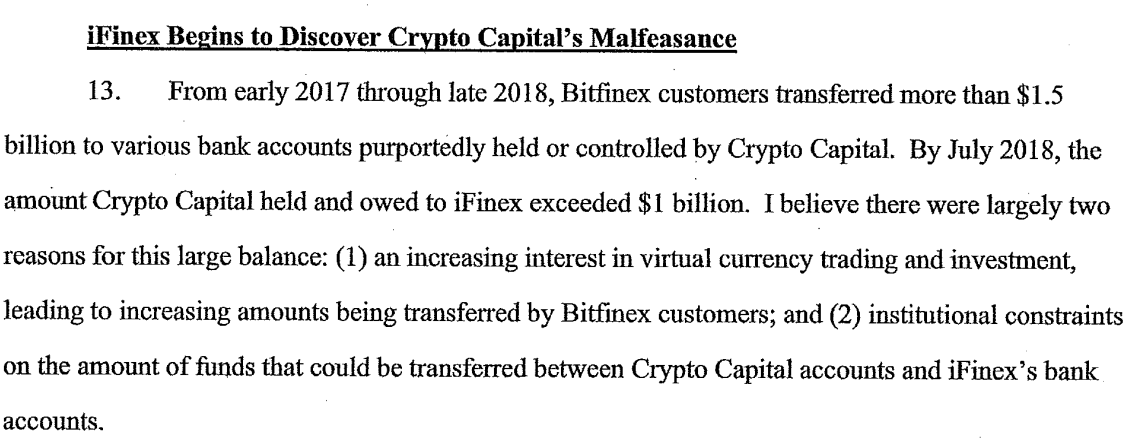
In a situation never before encountered by a financial institution: the check was not, in fact, in the mail.
More from Patrick McKenzie
I like this heuristic, and have a few which are similar in intent to it:
Hiring efficiency:
How long does it take, measured from initial expression of interest through offer of employment signed, for a typical candidate cold inbounding to the company?
What is the *theoretical minimum* for *any* candidate?
How long does it take, as a developer newly hired at the company:
* To get a fully credentialed machine issued to you
* To get a fully functional development environment on that machine which could push code to production immediately
* To solo ship one material quanta of work
How long does it take, from first idea floated to "It's on the Internet", to create a piece of marketing collateral.
(For bonus points: break down by ambitiousness / form factor.)
How many people have to say yes to do something which is clearly worth doing which costs $5,000 / $15,000 / $250,000 and has never been done before.
Here's how I'd measure the health of any tech company:
— Jeff Atwood (@codinghorror) October 25, 2018
How long, as measured from the inception of idea to the modified software arriving in the user's hands, does it take to roll out a *1 word copy change* in your primary product?
Hiring efficiency:
How long does it take, measured from initial expression of interest through offer of employment signed, for a typical candidate cold inbounding to the company?
What is the *theoretical minimum* for *any* candidate?
How long does it take, as a developer newly hired at the company:
* To get a fully credentialed machine issued to you
* To get a fully functional development environment on that machine which could push code to production immediately
* To solo ship one material quanta of work
How long does it take, from first idea floated to "It's on the Internet", to create a piece of marketing collateral.
(For bonus points: break down by ambitiousness / form factor.)
How many people have to say yes to do something which is clearly worth doing which costs $5,000 / $15,000 / $250,000 and has never been done before.
More from Crypto




🚨Altcoin Trading Indicator🚨
How to use it. A THREAD.
Please Share.
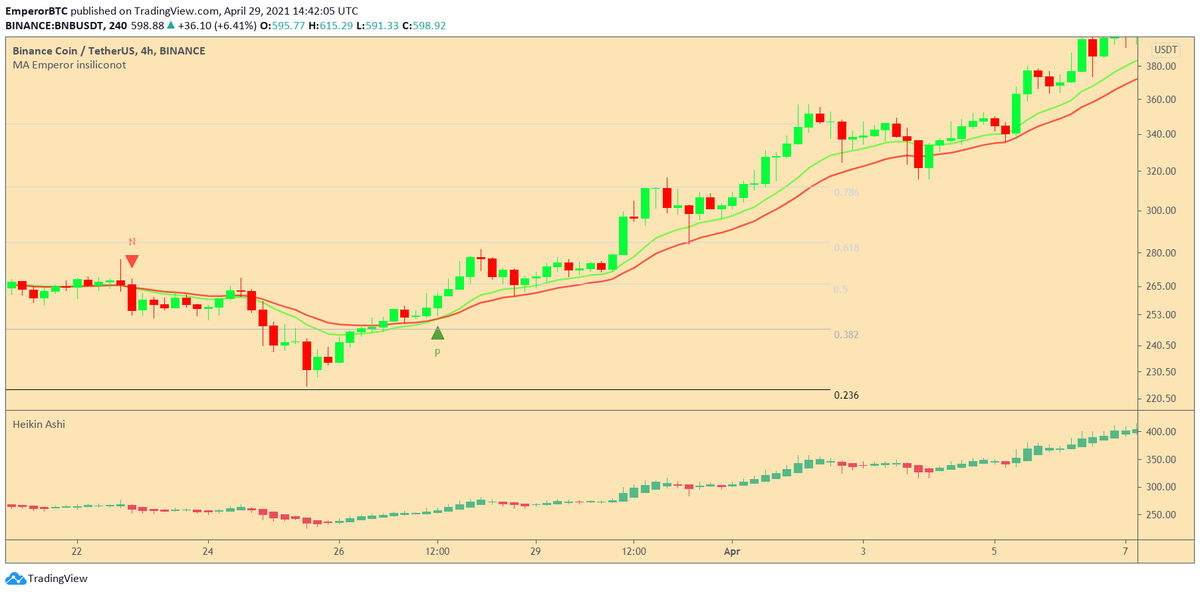
To use it to buy Altcoins and make a high probability entry, the following conditions needs to be fulfilled.
For a long.
1. A green candle Closes above the cross.
2. Heikin Ashi candle turns green.
3. Price should be above 0.236 Fib from the swing high.
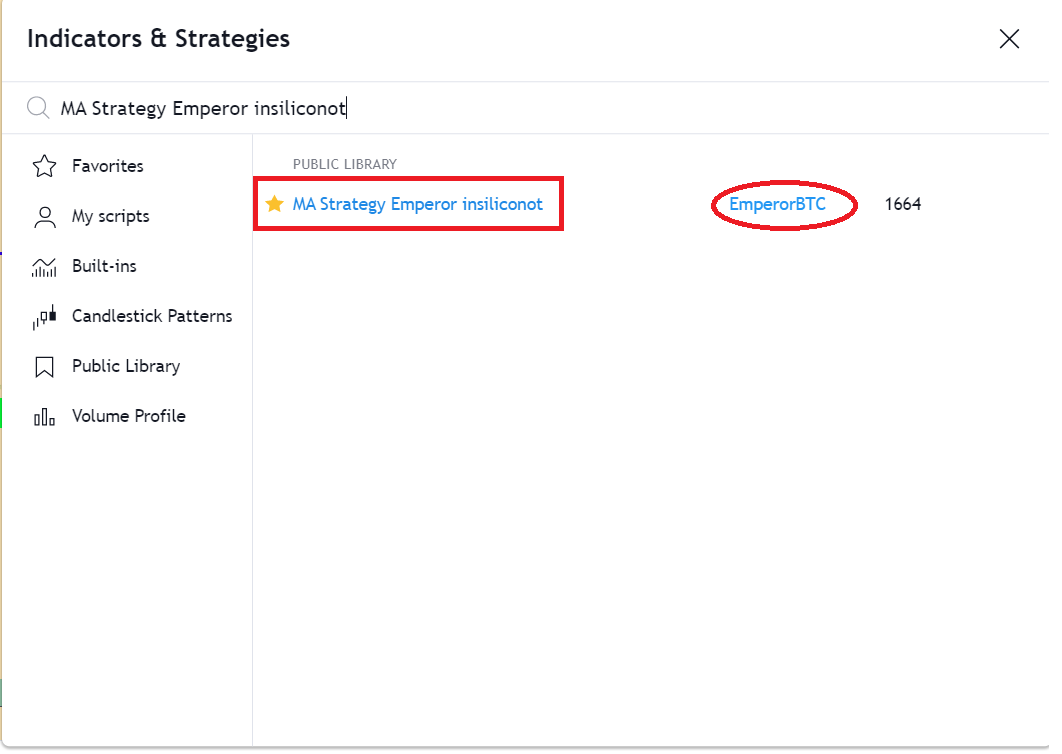
How to add the Indicator.
1. Click on the link and Add it to favorites and apply.
https://t.co/Kn90qgDjMi
2. Or Search it in the tab and then apply it.
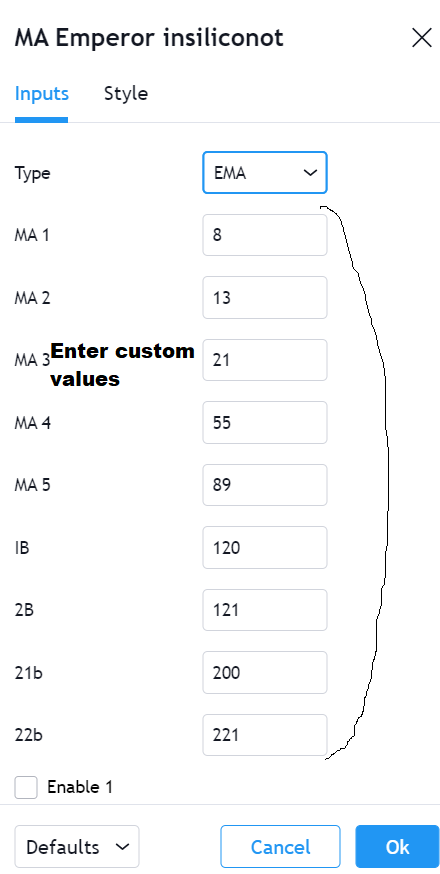
The indicator itself the most comprehensive Moving Average Indicator which provides 9 MAs and 13 Different times of MAs.
The base of the indicator was by @insiliconot.
To further enhance it, I have added a cross indicator on the cross which works the best historically on Alts.
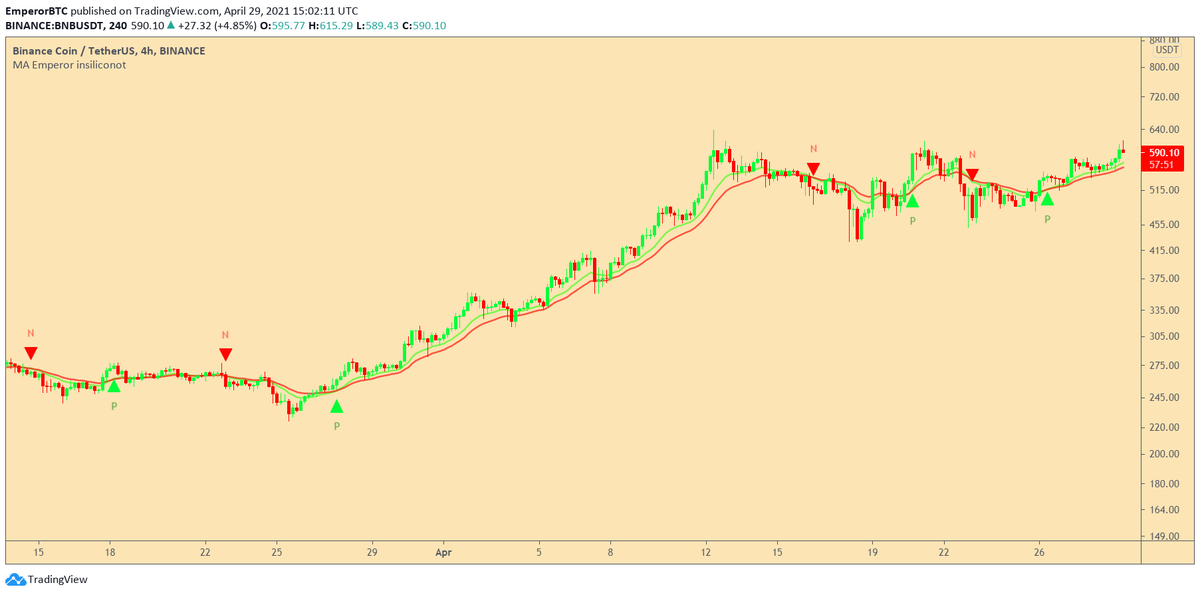
Condition 1- The cross.
Entry is made when a Cross occurs on the EMA 13/21.
The indicator automatically indicators the Cross with P for a positive cross or N for a negative cross.
This is the first condition for an Entry.
How to use it. A THREAD.
Please Share.
To use it to buy Altcoins and make a high probability entry, the following conditions needs to be fulfilled.
For a long.
1. A green candle Closes above the cross.
2. Heikin Ashi candle turns green.
3. Price should be above 0.236 Fib from the swing high.
How to add the Indicator.
1. Click on the link and Add it to favorites and apply.
https://t.co/Kn90qgDjMi
2. Or Search it in the tab and then apply it.
The indicator itself the most comprehensive Moving Average Indicator which provides 9 MAs and 13 Different times of MAs.
The base of the indicator was by @insiliconot.
To further enhance it, I have added a cross indicator on the cross which works the best historically on Alts.
Condition 1- The cross.
Entry is made when a Cross occurs on the EMA 13/21.
The indicator automatically indicators the Cross with P for a positive cross or N for a negative cross.
This is the first condition for an Entry.