https://t.co/ipQ7Y0JCnG
1/Politics thread time.
To me, the most important aspect of the 2018 midterms wasn't even about partisan control, but about democracy and voting rights. That's the real battle.
https://t.co/ipQ7Y0JCnG
That suggests there is still SOME grassroots support for democracy that transcends partisanship.
https://t.co/jHHieSkzTg
https://t.co/ffEwTP2SPq
We seem to have accepted electoral dysfunction in Florida as a permanent thing. The 2000 election has never really ended.
https://t.co/auFaCR7WvH
Bad ballot design led to a lot of undervotes for Bill Nelson in Broward Co., possibly even enough to cost him his Senate seat. They do appear to be real undervotes, though, instead of tabulation errors. He doesn't really seem to have a path to victory. https://t.co/utUhY2KTaR
— Nate Silver (@NateSilver538) November 16, 2018
The big worry is that it functioned as a trial balloon.
https://t.co/qcPP0wGGDR
The GOP abandoned hope of winning over nonwhite voters, and went with the "Sailer Strategy": https://t.co/jBH0K4JUv4 …

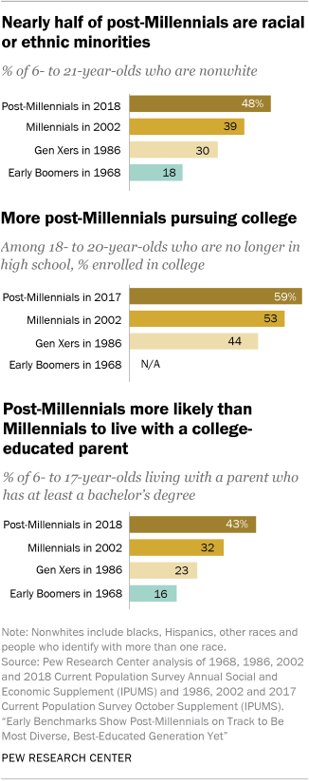
Which is why voting rights have become such a central issue.
It's about breaking the Sailer Strategy, and putting to bed the idea that electioneering can make nonwhite voters disappear.
https://t.co/p3vGgC3A1D
DAAAAAAAAAAAAAAMN pic.twitter.com/hdZzNEvsjG
— Noah Smith (@Noahpinion) November 15, 2018
More from Noah Smith
This is so dumb and incorrect and wrong it's unbelievable.
Facts.
Facts!!
FACTS FACTS
Moar
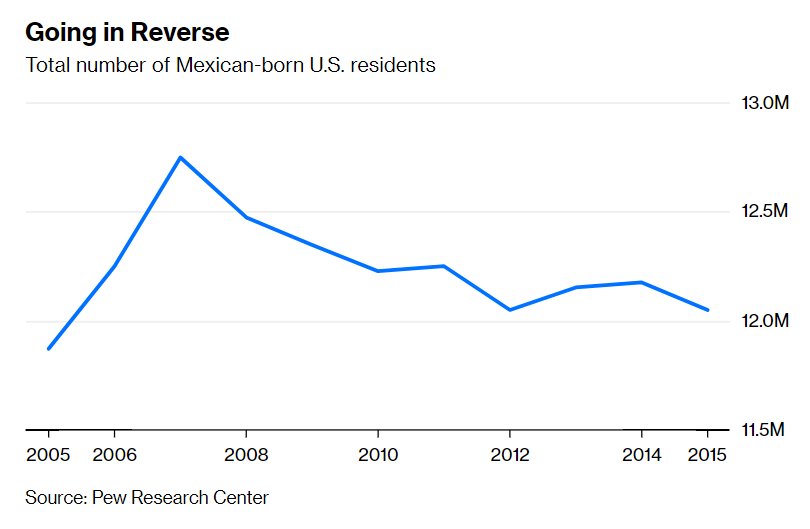
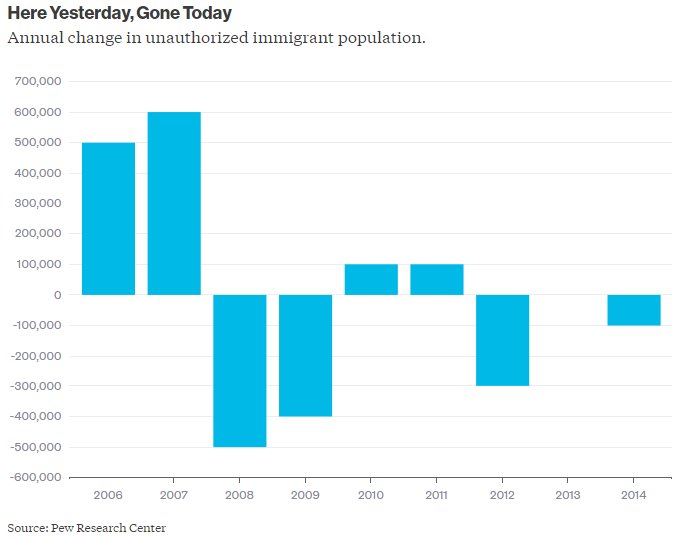
Secretary of State Mike Pompeo said the U.S. is quickly approaching \u201ca moment of crisis\u201d because of the \u201crecord number of migrants\u201d spilling into the country https://t.co/QuiWPcXswA
— POLITICO (@politico) October 20, 2018
Facts.
Facts!!
FACTS FACTS
Moar
Today's @bopinion post is about how poor countries started catching up to rich ones.
It looks like decolonization just took a few decades to start
Basic econ theory says poor countries should grow faster than rich ones.
But for much of the Industrial Revolution, the opposite happened.
https://t.co/JjjVtWzz5c
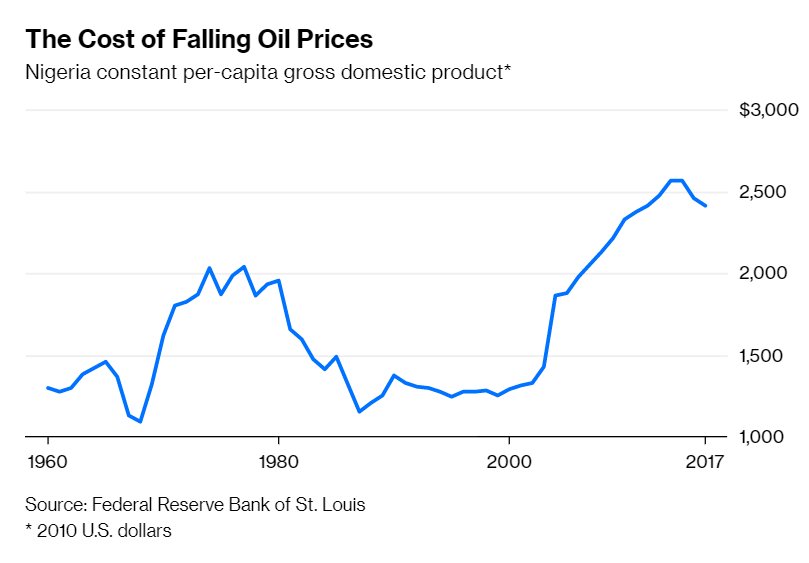
Why? Probably because the first countries to discover industrial technologies used them to conquer the others!
But then colonial empires went away. And yet still, for the next 30 years or so, poor countries fell further behind rich ones.
https://t.co/hilDvv0IQV
Why??
Possible reasons:
1. Bad institutions (dictators, communism, autarkic trade regimes)
2. Civil wars
3. Lack of education
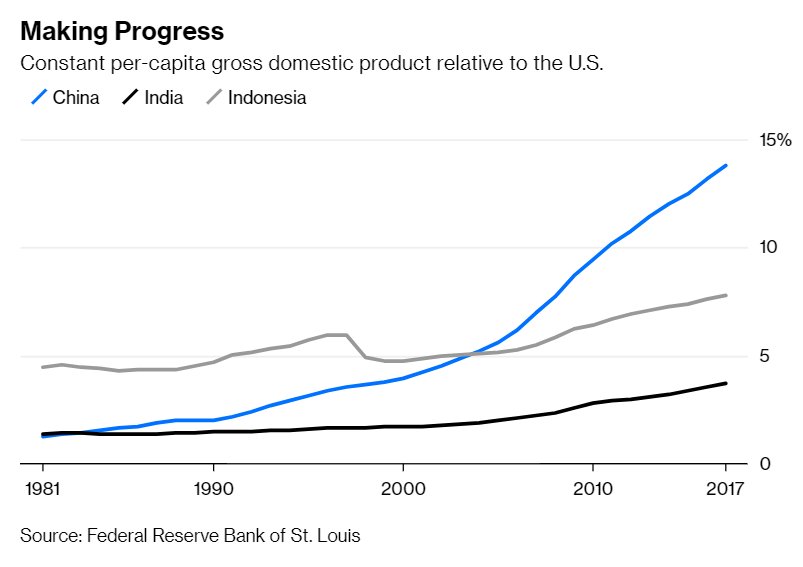
But then, starting in the 80s (for China) and the 90s (for India and Indonesia), some of the biggest poor countries got their acts together and started to catch up!
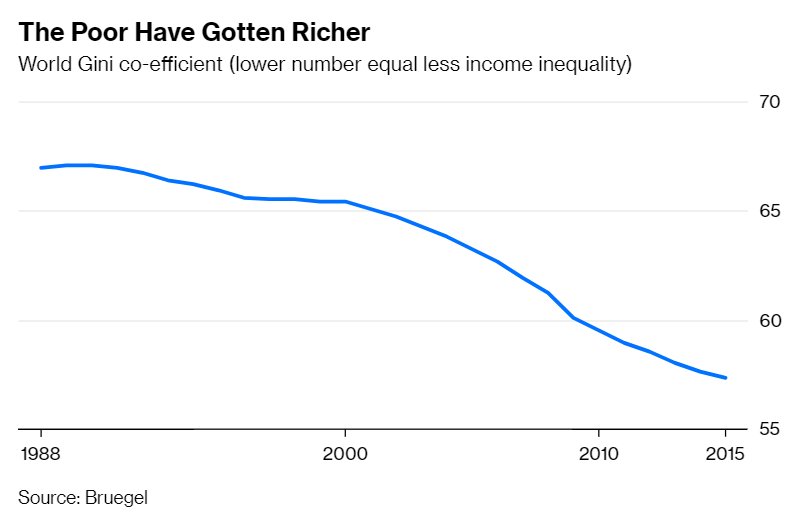
Global inequality began to fall.
It looks like decolonization just took a few decades to start
Basic econ theory says poor countries should grow faster than rich ones.
But for much of the Industrial Revolution, the opposite happened.
https://t.co/JjjVtWzz5c
Why? Probably because the first countries to discover industrial technologies used them to conquer the others!
But then colonial empires went away. And yet still, for the next 30 years or so, poor countries fell further behind rich ones.
https://t.co/hilDvv0IQV
Why??
Possible reasons:
1. Bad institutions (dictators, communism, autarkic trade regimes)
2. Civil wars
3. Lack of education
But then, starting in the 80s (for China) and the 90s (for India and Indonesia), some of the biggest poor countries got their acts together and started to catch up!
Global inequality began to fall.
This thread demonstrates that a lot of academic writing that *looks* like utter nonsense is merely scholars dressing up a useful but mundane point with a ton of unnecessary jargon.
My theory is that the jargon creates an artificial barrier to entry. https://t.co/MqLyyppdHl
If one must spend years marinating one's brain in jargon to be perceived as an expert on a topic, it protects the status and earning power of people who study relatively easy topics.
In econ, a similar thing is accomplished by what recent Nobel prize winner Paul Romer calls "mathiness": https://t.co/DBCRRc8Mir
But mathiness and jargon are not quite the same...
Jargon usually doesn't force you to change the substance of your central point.
Mathiness often does. By forcing you to write your model in a way that's mathematically tractable (easy to work with), mathiness often impoverishes your understanding of how the world really works.
has written about this problem:
Imagine for a moment the most obscurantist, jargon-filled, po-mo article the politically correct academy might produce. Pure SJW nonsense. Got it? Chances are you're imagining something like the infamous "Feminist Glaciology" article from a few years back.https://t.co/NRaWNREBvR pic.twitter.com/qtSFBYY80S
— Jeffrey Sachs (@JeffreyASachs) October 13, 2018
My theory is that the jargon creates an artificial barrier to entry. https://t.co/MqLyyppdHl
If one must spend years marinating one's brain in jargon to be perceived as an expert on a topic, it protects the status and earning power of people who study relatively easy topics.
In econ, a similar thing is accomplished by what recent Nobel prize winner Paul Romer calls "mathiness": https://t.co/DBCRRc8Mir
But mathiness and jargon are not quite the same...
Jargon usually doesn't force you to change the substance of your central point.
Mathiness often does. By forcing you to write your model in a way that's mathematically tractable (easy to work with), mathiness often impoverishes your understanding of how the world really works.
has written about this problem:


1/OK, let's take a little break from Coup Twitter, and think about an economic issue:
How can we build up the wealth of the middle class?
2/The typical American has surprisingly little wealth compared to the typical resident of many other developed countries.
This is a fact that is not widely known or appreciated.
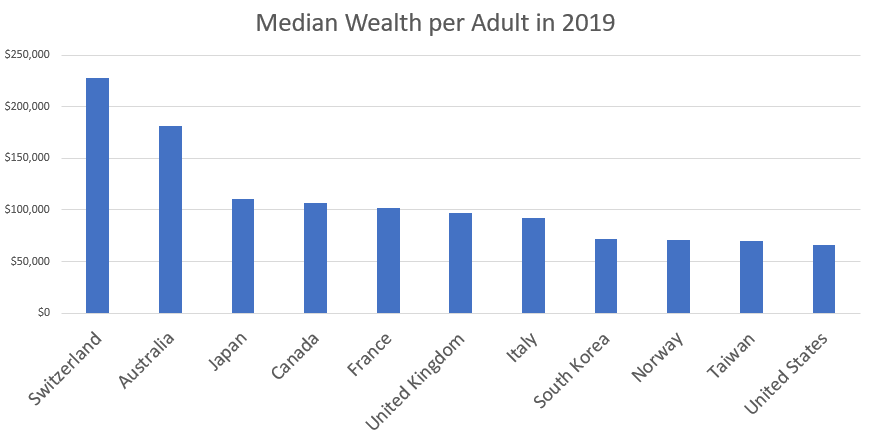
3/Now, some people argue that stuff like Social Security or social insurance programs should be included in wealth. But I chose to focus on private wealth because I think having assets you can sell whenever you want is important to
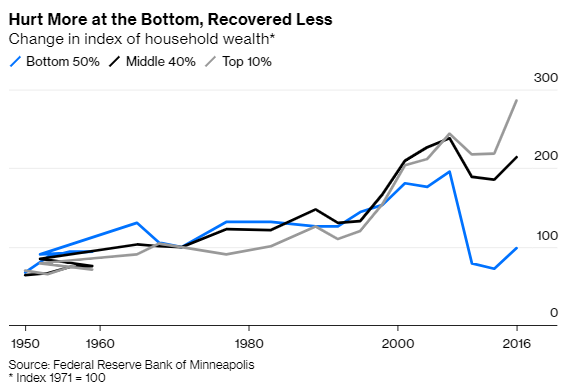
4/For many decades after World War 2, middle-class wealth in America was on a smooth upward trajectory.
Then the housing crash came, and all that changed. Suddenly the rich were still doing well but everyone else was seeing the end of their American Dream.
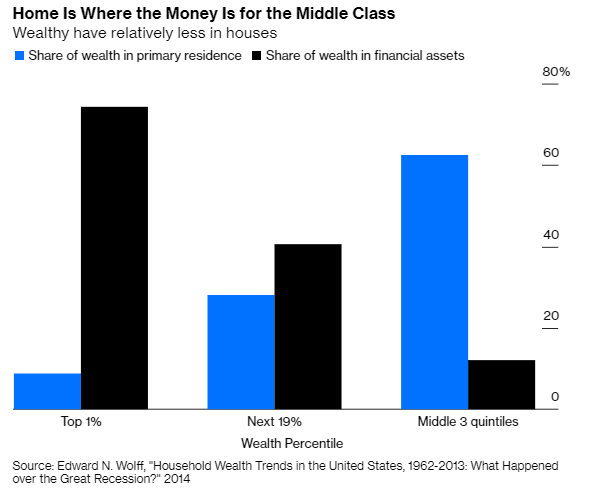
5/Why the divergence?
Because the American middle class has its wealth in houses -- specifically, in the houses they live in.
It's the rich who own stocks.
How can we build up the wealth of the middle class?
2/The typical American has surprisingly little wealth compared to the typical resident of many other developed countries.
This is a fact that is not widely known or appreciated.
3/Now, some people argue that stuff like Social Security or social insurance programs should be included in wealth. But I chose to focus on private wealth because I think having assets you can sell whenever you want is important to
Yes, these numbers don't include things like Social Security, just privately held wealth. They're not an attempt to capitalize every possible future income stream.
— Noahtogolpe \U0001f407 (@Noahpinion) January 10, 2021
4/For many decades after World War 2, middle-class wealth in America was on a smooth upward trajectory.
Then the housing crash came, and all that changed. Suddenly the rich were still doing well but everyone else was seeing the end of their American Dream.
5/Why the divergence?
Because the American middle class has its wealth in houses -- specifically, in the houses they live in.
It's the rich who own stocks.