The first working day of the new UK-EU relationship. We're going to hear a lot this year from all sides (remain and Brexit in UK, EU, etc) using any possible scrap of evidence. But what we need to look for is trends, over time, so a few to think about in this thread... 1/
More from David Henig
Going to have to disagree with my learned friend here. If anyone moved on level playing field it was the UK, on the principle of a ratchet, or tariffs for divergence which was still being denied midweek. Changing the way in this might be achieved (many options) is insignificant.
It is the same "I move in principle you move in detail" shift we saw with the Northern Ireland protocol last year, when no PM could accept a border between GB and NI suddenly did, just as recently no PM would accept tariffs for divergence and seems to have done.
So, are we at deal yet? No, and it remains far from certain, but better than the gloom of Saturday. I still think the PM wants his ideal where everyone is happy, still hopes if only he can speak to Macron and Merkel he could get it, still to decide.
And even if there is a deal it is now too late for either business to adjust to it, or the EU to ratify it according to normal procedure. In both cases you'd think we'd need an extension, but there is a big shrug on this whole question. Nobody knows.
And so, yet again on Brexit, we wait. In particular, those who actually do the trade, the businesses we rely on, are forced to wait for a formal outcome while preparing as best they can. Let's see what happens.
Fish was never a deal breaker. Level playing field was
— Mujtaba Rahman (@Mij_Europe) December 14, 2020
But LPF now more likely to come together after @EU_Commission move (on trade test for unlocking remedial measures & scope of arbitration over remedial measures)
If it does, expect deal on \U0001f420\U0001f421 too
It is the same "I move in principle you move in detail" shift we saw with the Northern Ireland protocol last year, when no PM could accept a border between GB and NI suddenly did, just as recently no PM would accept tariffs for divergence and seems to have done.
So, are we at deal yet? No, and it remains far from certain, but better than the gloom of Saturday. I still think the PM wants his ideal where everyone is happy, still hopes if only he can speak to Macron and Merkel he could get it, still to decide.
Second, I still maintain that Johnson has not made a decision here. Some days he leans towards Deal, sometimes towards No Deal
— Jon Worth (@jonworth) December 14, 2020
He has been stuck for weeks, and still is. He\u2019d ideally just not decide *anything*
And even if there is a deal it is now too late for either business to adjust to it, or the EU to ratify it according to normal procedure. In both cases you'd think we'd need an extension, but there is a big shrug on this whole question. Nobody knows.
And so, yet again on Brexit, we wait. In particular, those who actually do the trade, the businesses we rely on, are forced to wait for a formal outcome while preparing as best they can. Let's see what happens.
More from Brexit


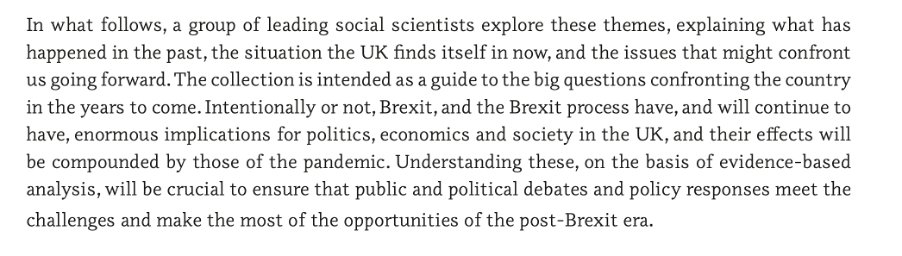
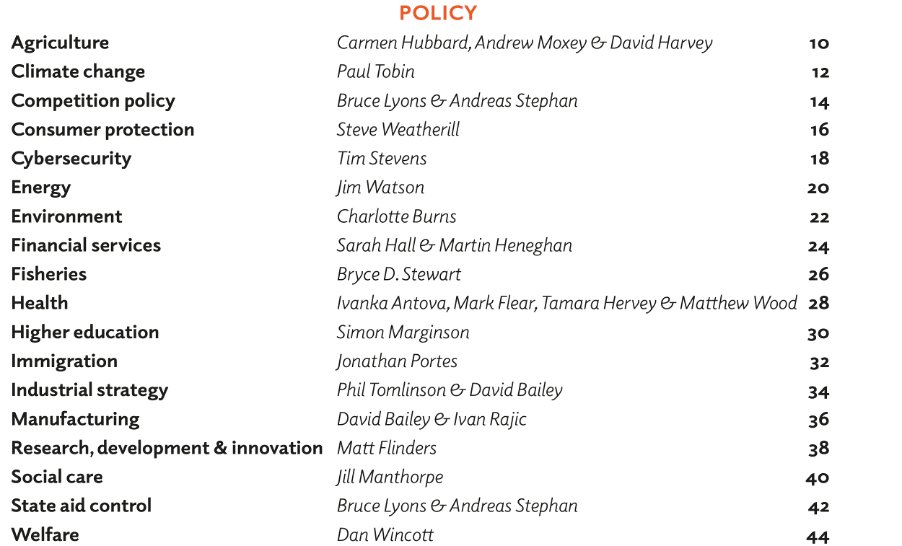


Another head-banging day for the £112bn UK creative sector that is starting to ingest how difficult #Brexit is going to make their lives - and how little the government is really willing to do to fix the lack of a 'mobility' chapter in the EU-UK trade deal. Quick update.../1
First Equity @EquityUK put out a letter to @BorisJohnson warning that #brexit was a "towering hurdle" (you'd want Brian Blessed reading that part) to UK actors plying their trade in EU - a double whammy with #COVID19 /2
https://t.co/mXjTAISqZk
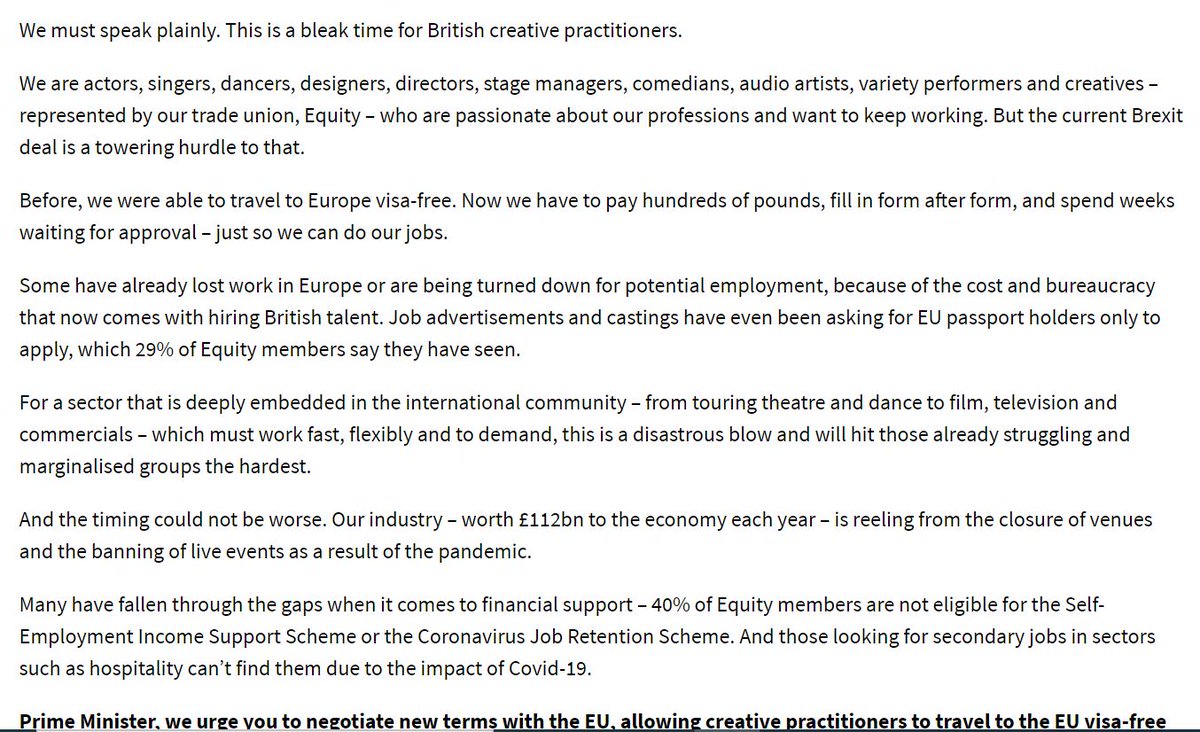
@BorisJohnson One third of Equity members say they've seen job ads asking for EU passport holders: "Before, we were able to travel to Europe visa-free. Now we have to pay hundreds of pounds, fill in form after form, and spend weeks waiting for approval" /3
@BorisJohnson Worth recalling that all this goes back to the UK desire NOT to have a 'mobility' provision within the TCA - all part of 'ending Free Movement' and the professional services folk - including musicians, actors, fashion models etc -are all victim of
@BorisJohnson What's the government going to do about all this? Good question, which brings us to todays @CommonsDCMS hearing in which the Culture Minister Caroline Dinenage @cj_dinenage frankly pin-balled around the issues /5
First Equity @EquityUK put out a letter to @BorisJohnson warning that #brexit was a "towering hurdle" (you'd want Brian Blessed reading that part) to UK actors plying their trade in EU - a double whammy with #COVID19 /2
https://t.co/mXjTAISqZk
@BorisJohnson One third of Equity members say they've seen job ads asking for EU passport holders: "Before, we were able to travel to Europe visa-free. Now we have to pay hundreds of pounds, fill in form after form, and spend weeks waiting for approval" /3
@BorisJohnson Worth recalling that all this goes back to the UK desire NOT to have a 'mobility' provision within the TCA - all part of 'ending Free Movement' and the professional services folk - including musicians, actors, fashion models etc -are all victim of
@BorisJohnson What's the government going to do about all this? Good question, which brings us to todays @CommonsDCMS hearing in which the Culture Minister Caroline Dinenage @cj_dinenage frankly pin-balled around the issues /5