Rhino Barges
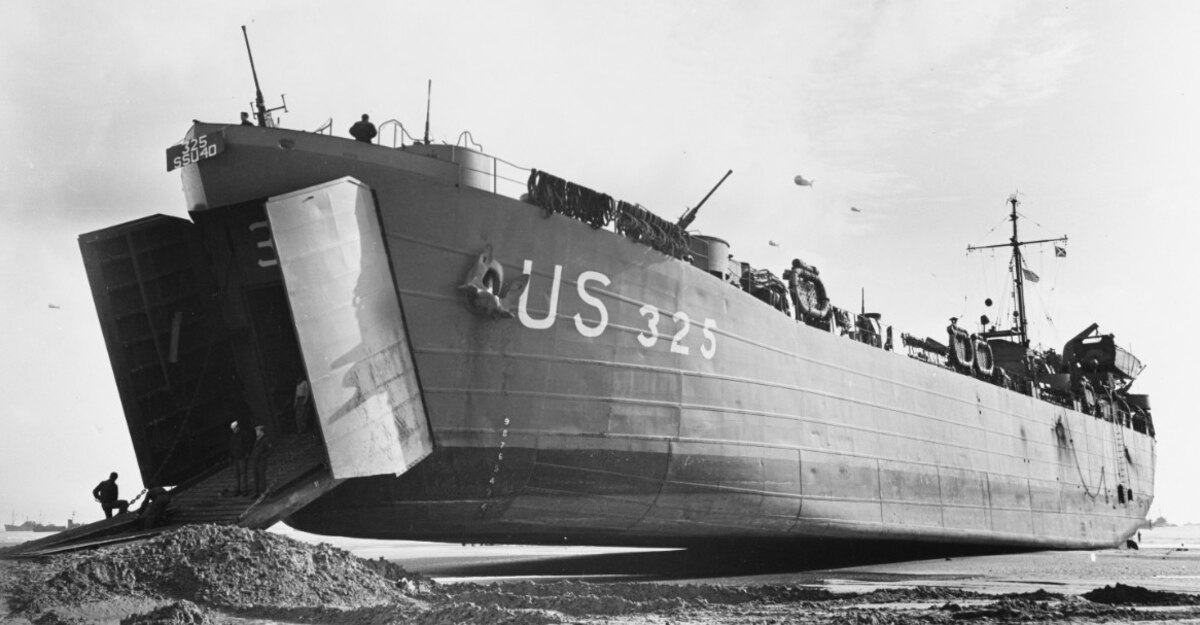
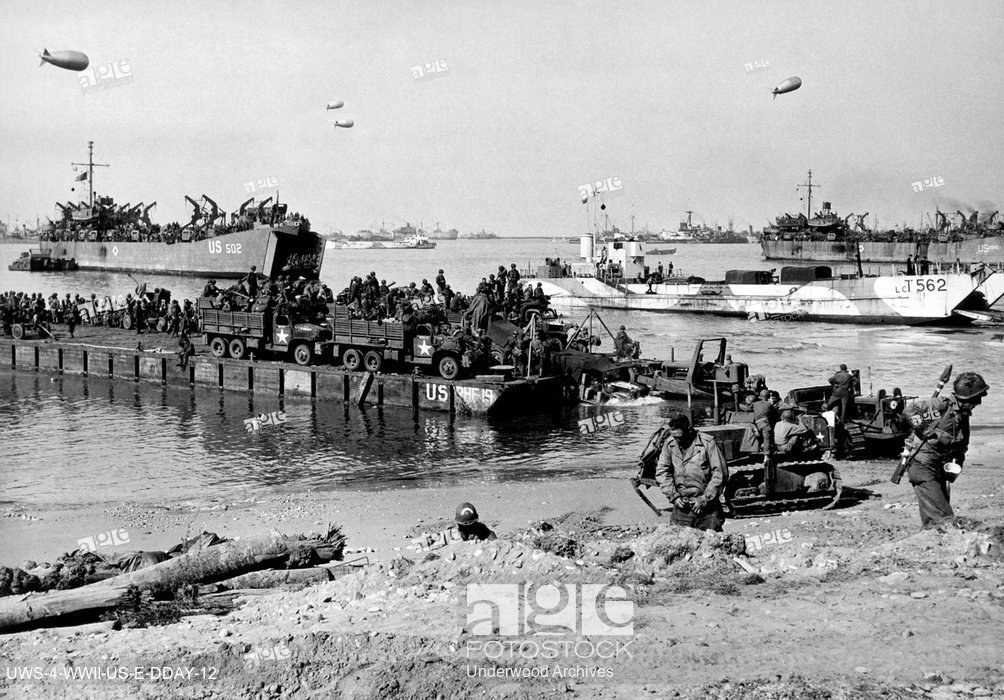
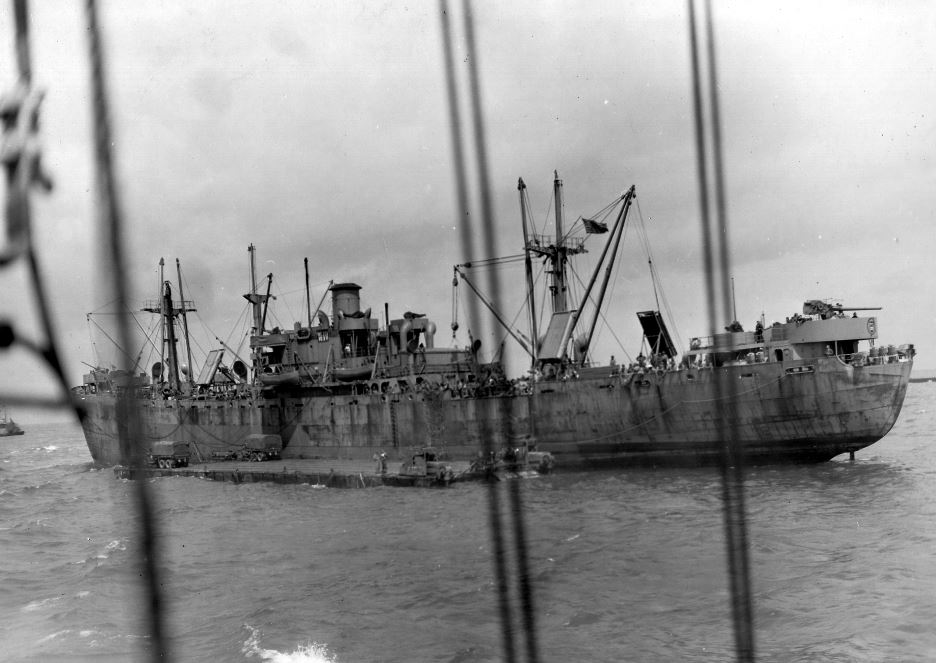
One of the dullest, coolest, more bizarre and fascinating pieces of kit used in Normandy.
Which NO ONE REALLY CARES ABOUT.
BUT I DO AND YOU SHOULD TOO.
/1
#WW2 #SWW #History
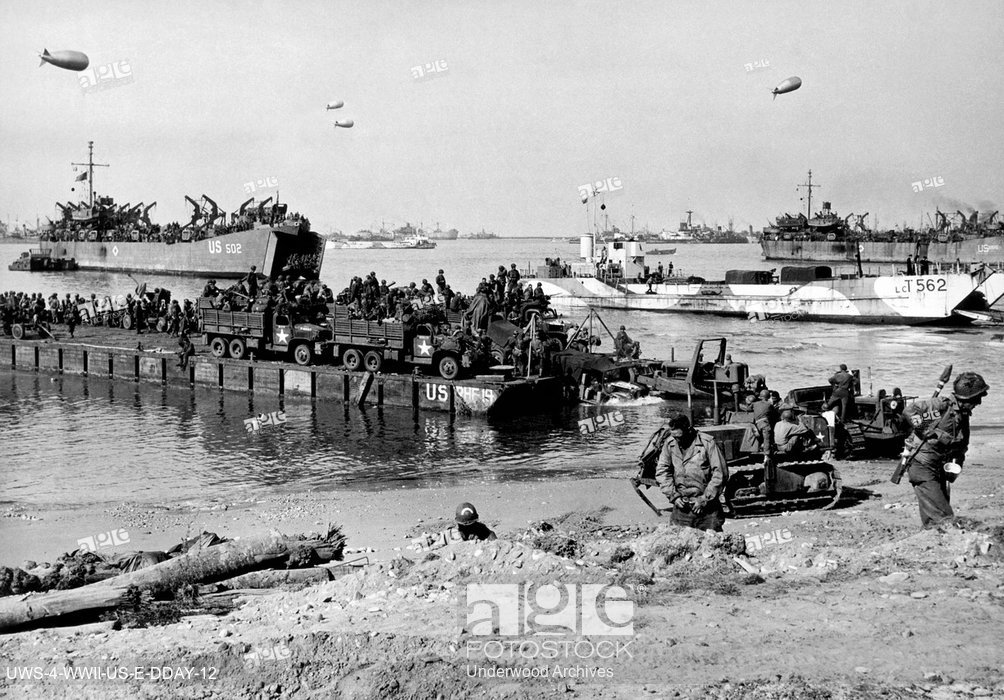
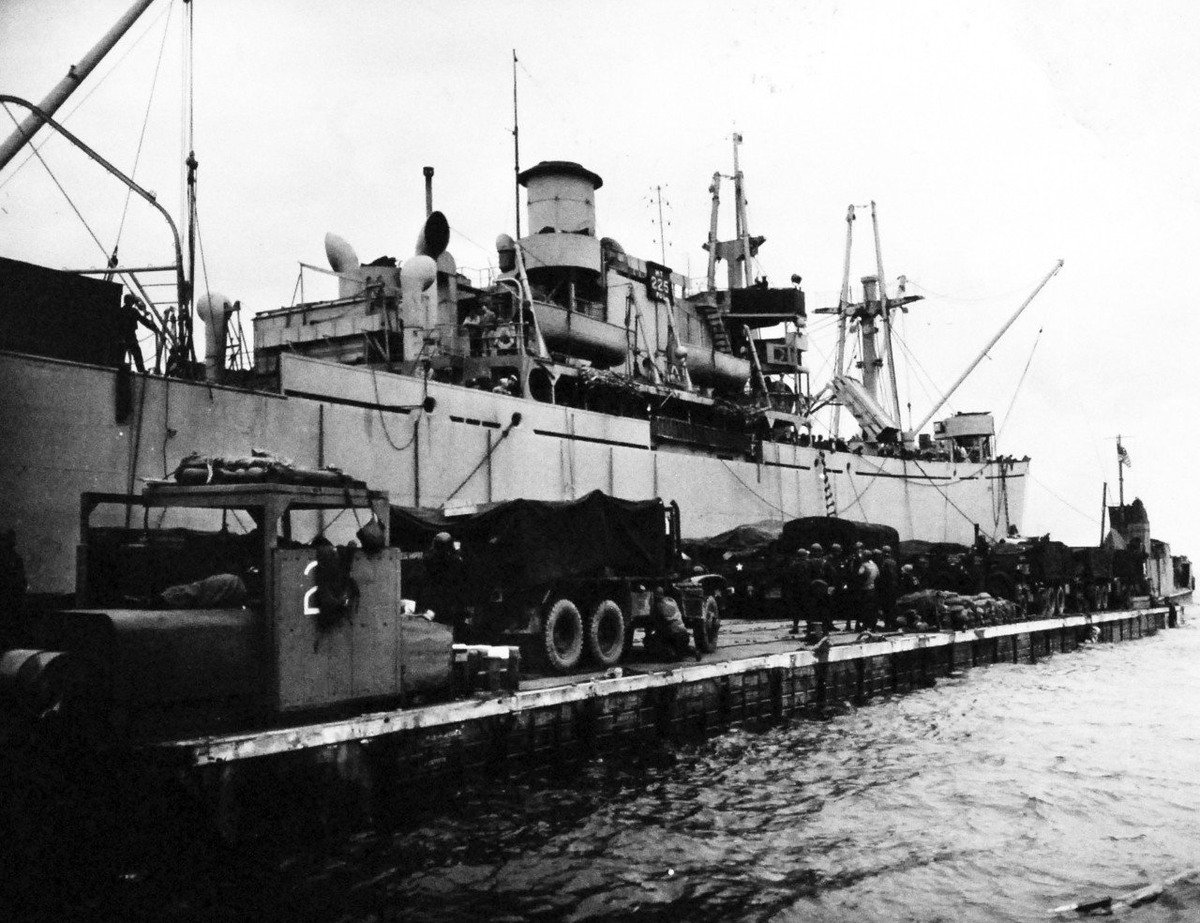
A single LSTs loss represented a capability nick. /3
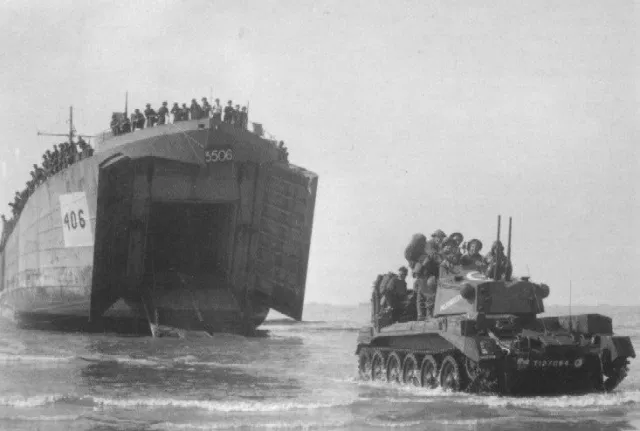
Seriously.
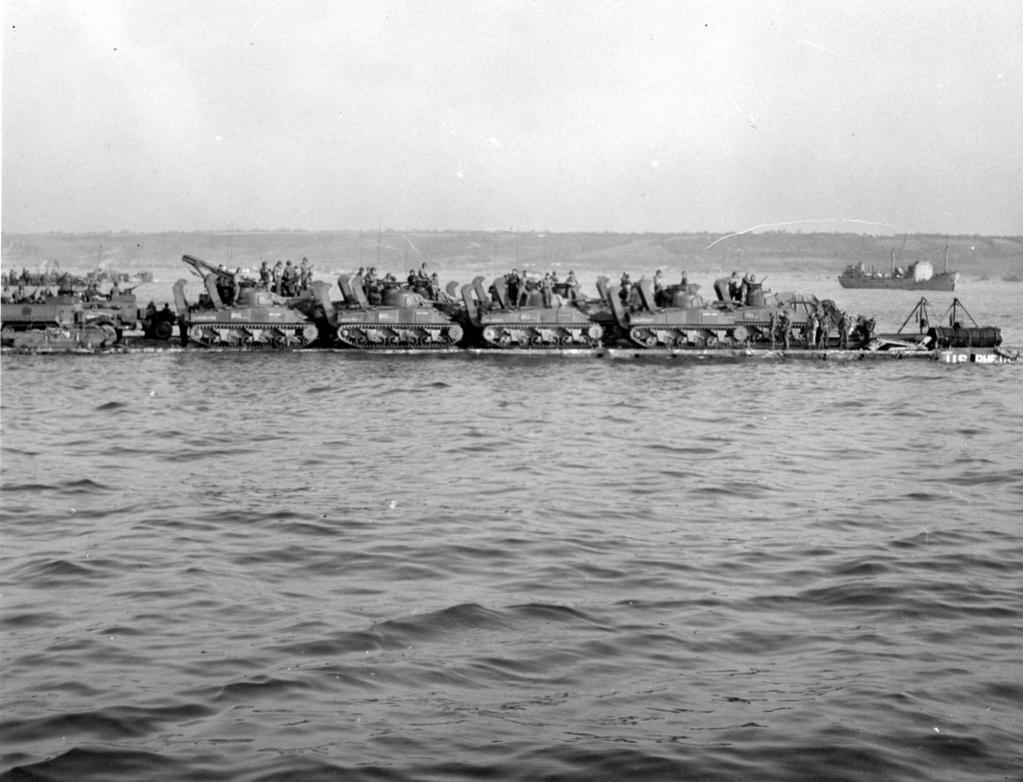
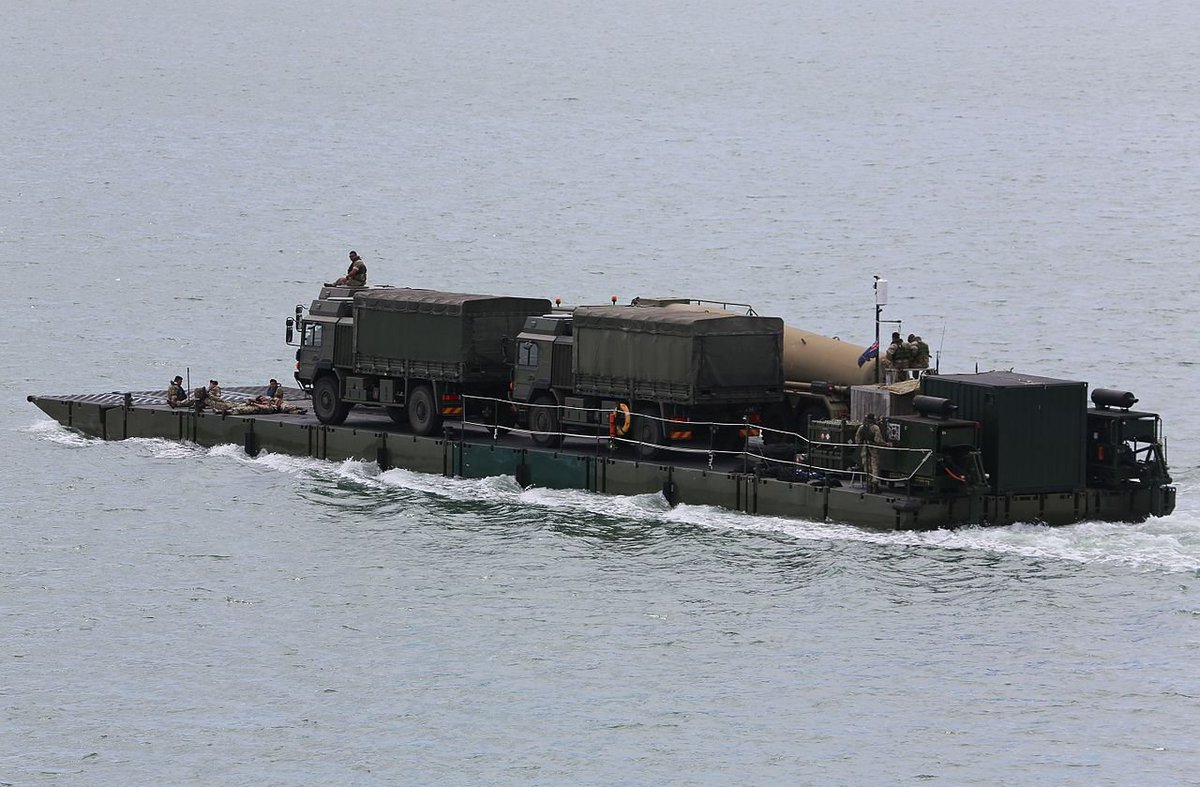
Graceful lines of pure industrial pedigree.
Modular.
LOOK AT IT. /5
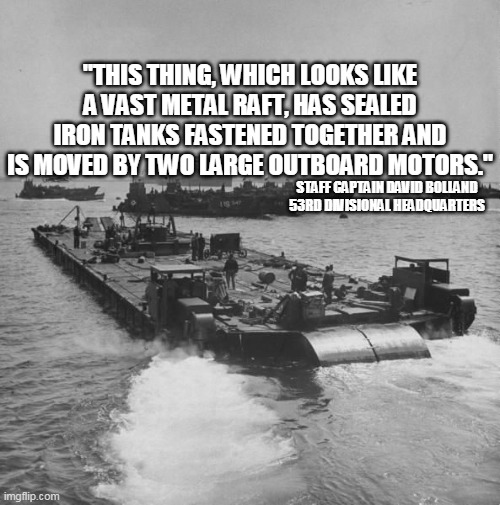
FULL OF GRACE.
MUCH LOVED.
THEY WERE TRUSTED.
SOLDIERS AND SAILORS HAD FAITH IN THEM.
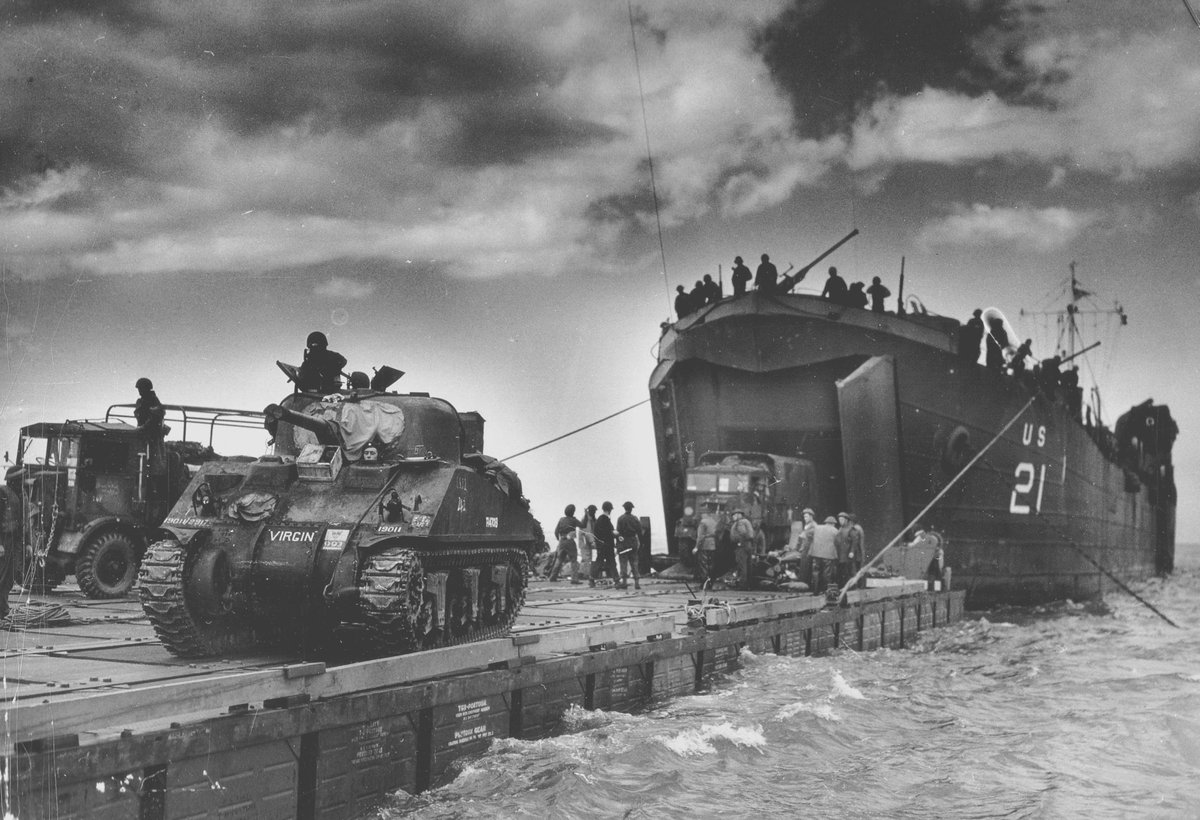
*Undeniable goodest Rhino. /6
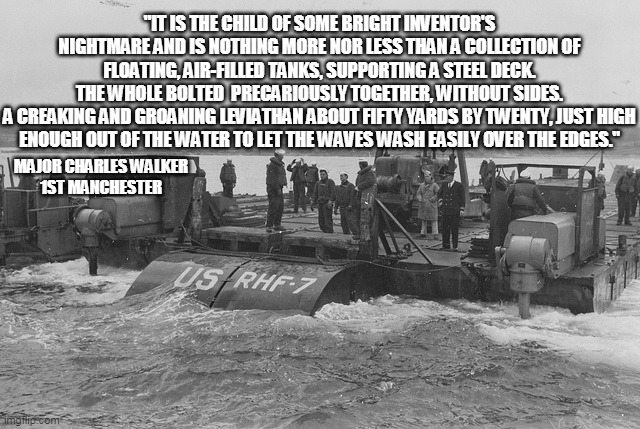
"We were glad to get off the boats! It was a little bit rough. We landed on water but we didn't get wet as we were in a vehicle." /7
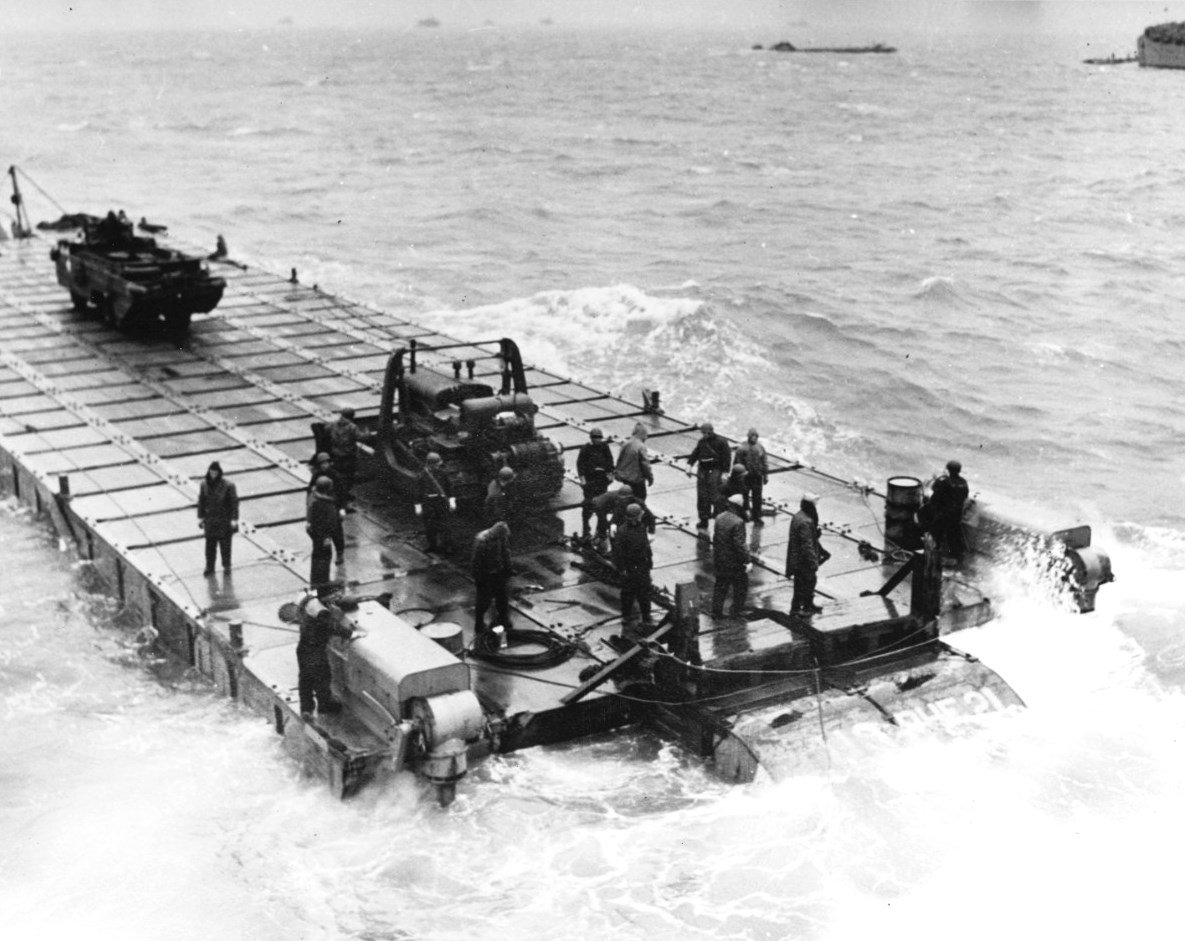
They also weighed an absolute ton when loaded, easily overtaxing the small 60 HP outboard engines. /8
Even these were far too weak to to work deal with such wallowing beasties when fully loaded which could easily come to 500 tons. /9
This pushed the direct beaching of LSTs as closer to the norm, and reduced reliance on Rhino transfer. /10
More from Jonathan Ware
More from History
TIL:
- first Western detective stories translated & published in Japan in *1863*--that's pre-Meiji, even!
- first Chinese-written detective stories featuring Western-style detectives starred women as both detectives and criminals were published in 1907--author Lü Simian (!).
Quote: “This case is so complicated that even Sherlock Holmes would feel helpless if it fell into his hands. [Now] it is solved by a woman who returned from abroad for a brief
visit to her hometown. Who is to say that the wisdom of Chinese cannot compete with the Westerners?”
The lead female detective in these stories, Chu Yi, is a fan of Doyle's Holmes stories and asks herself "What would Sherlock Holmes do?" while crime-solving, but succeeds through her use of martial arts and more "Chinese" attributes--China, not the West, solves the crimes.
Author Lü Simian, btw, is this guy: https://t.co/swPvAxr87J . One of the "four greatest modern Chinese historians," also wrote a landmark work of literary theory, and helped cohere Chinese detective fiction with his stories. Bit of a badass.
Holmes was the dominant influence on Chinese detective fiction of the late-Qing & early Republic years, and the biggest star of Chinese detective fiction of those years, Cheng Xiaoqing's Huo Sang, was a spin on Holmes.
- first Western detective stories translated & published in Japan in *1863*--that's pre-Meiji, even!
- first Chinese-written detective stories featuring Western-style detectives starred women as both detectives and criminals were published in 1907--author Lü Simian (!).
Quote: “This case is so complicated that even Sherlock Holmes would feel helpless if it fell into his hands. [Now] it is solved by a woman who returned from abroad for a brief
visit to her hometown. Who is to say that the wisdom of Chinese cannot compete with the Westerners?”
The lead female detective in these stories, Chu Yi, is a fan of Doyle's Holmes stories and asks herself "What would Sherlock Holmes do?" while crime-solving, but succeeds through her use of martial arts and more "Chinese" attributes--China, not the West, solves the crimes.
Author Lü Simian, btw, is this guy: https://t.co/swPvAxr87J . One of the "four greatest modern Chinese historians," also wrote a landmark work of literary theory, and helped cohere Chinese detective fiction with his stories. Bit of a badass.
Holmes was the dominant influence on Chinese detective fiction of the late-Qing & early Republic years, and the biggest star of Chinese detective fiction of those years, Cheng Xiaoqing's Huo Sang, was a spin on Holmes.
Thank you so much to the incredible @gregjenner and his team for having me on "You're Dead to Me" and to @kaekurd for being so hilarious and bringing Gilgamesh the restaurant into my life!
Here’s a thread of some of the stuff referenced in the podcast for those interested
First of all, what even is cuneiform?
It’s a writing system from the ancient Middle East, used to write several languages like Sumerian and Akkadian. Cuneiform signs can stand for whole words or syllables. Here’s a little primer of its evolution https://t.co/7CVjLCHwkS
What kinds of texts was cuneiform used to write?
Initially, accounting records and lists.
Eventually, literature, astronomy, medicine, maps, architectural plans, omens, letters, contracts, law collections, and more.
Texts from the Library of Ashurbanipal, who ruled the ancient Assyrian empire when it was at its largest in the 7th century BCE, represent many of the genres of cuneiform texts and scholarship.
Here’s a short intro to the library via @opencuneiform https://t.co/wjnaxpMRrC
The Library of Ashurbanipal has a complicated modern and ancient history, which you can read about in this brilliant (and open access) book by Prof @Eleanor_Robson
Here’s a thread of some of the stuff referenced in the podcast for those interested
First of all, what even is cuneiform?
It’s a writing system from the ancient Middle East, used to write several languages like Sumerian and Akkadian. Cuneiform signs can stand for whole words or syllables. Here’s a little primer of its evolution https://t.co/7CVjLCHwkS
What kinds of texts was cuneiform used to write?
Initially, accounting records and lists.
Eventually, literature, astronomy, medicine, maps, architectural plans, omens, letters, contracts, law collections, and more.
Texts from the Library of Ashurbanipal, who ruled the ancient Assyrian empire when it was at its largest in the 7th century BCE, represent many of the genres of cuneiform texts and scholarship.
Here’s a short intro to the library via @opencuneiform https://t.co/wjnaxpMRrC
The Library of Ashurbanipal has a complicated modern and ancient history, which you can read about in this brilliant (and open access) book by Prof @Eleanor_Robson