2/
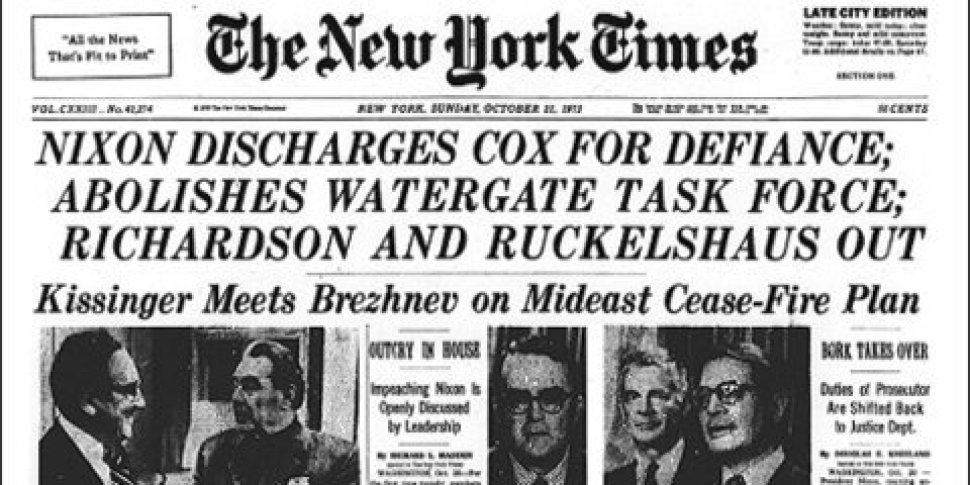
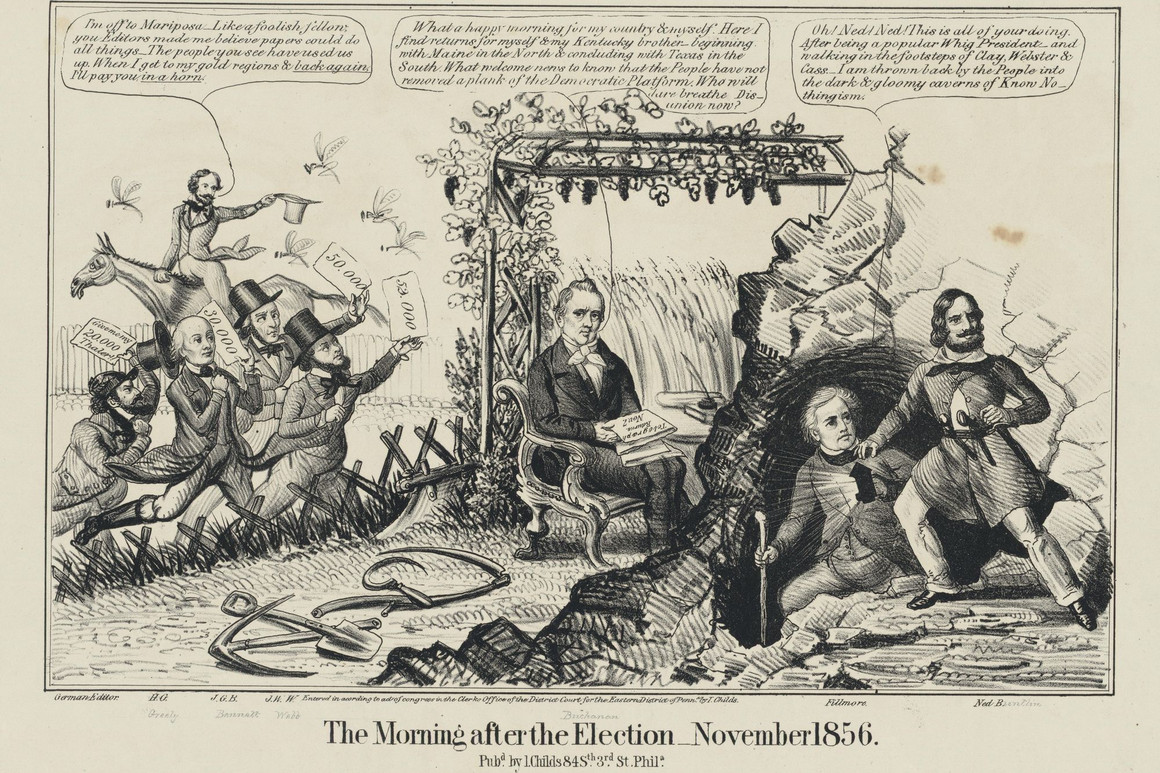
As the Qanon prophecies fail and the cult-members struggle to resolve their cognitive dissonance, it's a good time to revisit the history of paranoid, conspiratorial political movements in American history - the "paranoid style" that has dominated since the Revolution.
1/
2/
https://t.co/nscJnA4MTI
3/
More from Cory Doctorow #BLM

Happy Birthday to the queen of the scream queens, Barbara Steele! https://t.co/qnhQvROGVa

Happy Birthday to the queen of the scream queens, Barbara Steele! https://t.co/qnhQvROGVa
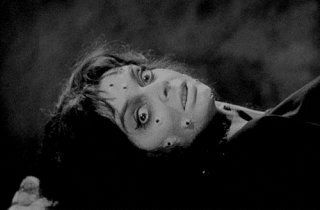
Happy Birthday to the queen of the scream queens, Barbara Steele! https://t.co/qnhQvROGVa
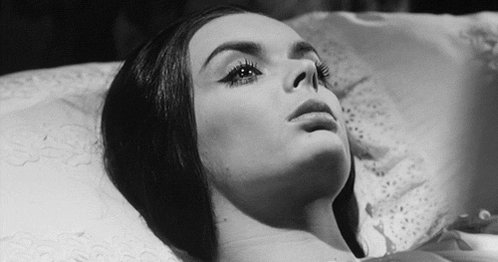
Happy Birthday to the queen of the scream queens, Barbara Steele! https://t.co/qnhQvROGVa

Happy Birthday to the queen of the scream queens, Barbara Steele! https://t.co/qnhQvROGVa
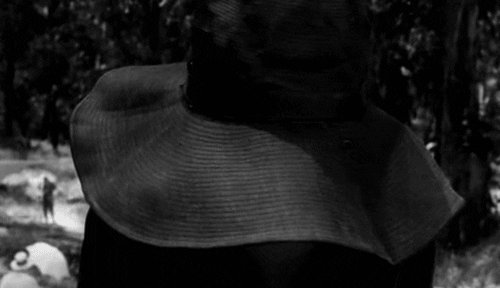
Happy Birthday to the queen of the scream queens, Barbara Steele! https://t.co/qnhQvROGVa
Happy Birthday to the queen of the scream queens, Barbara Steele! https://t.co/qnhQvROGVa
Happy Birthday to the queen of the scream queens, Barbara Steele! https://t.co/qnhQvROGVa
Happy Birthday to the queen of the scream queens, Barbara Steele! https://t.co/qnhQvROGVa