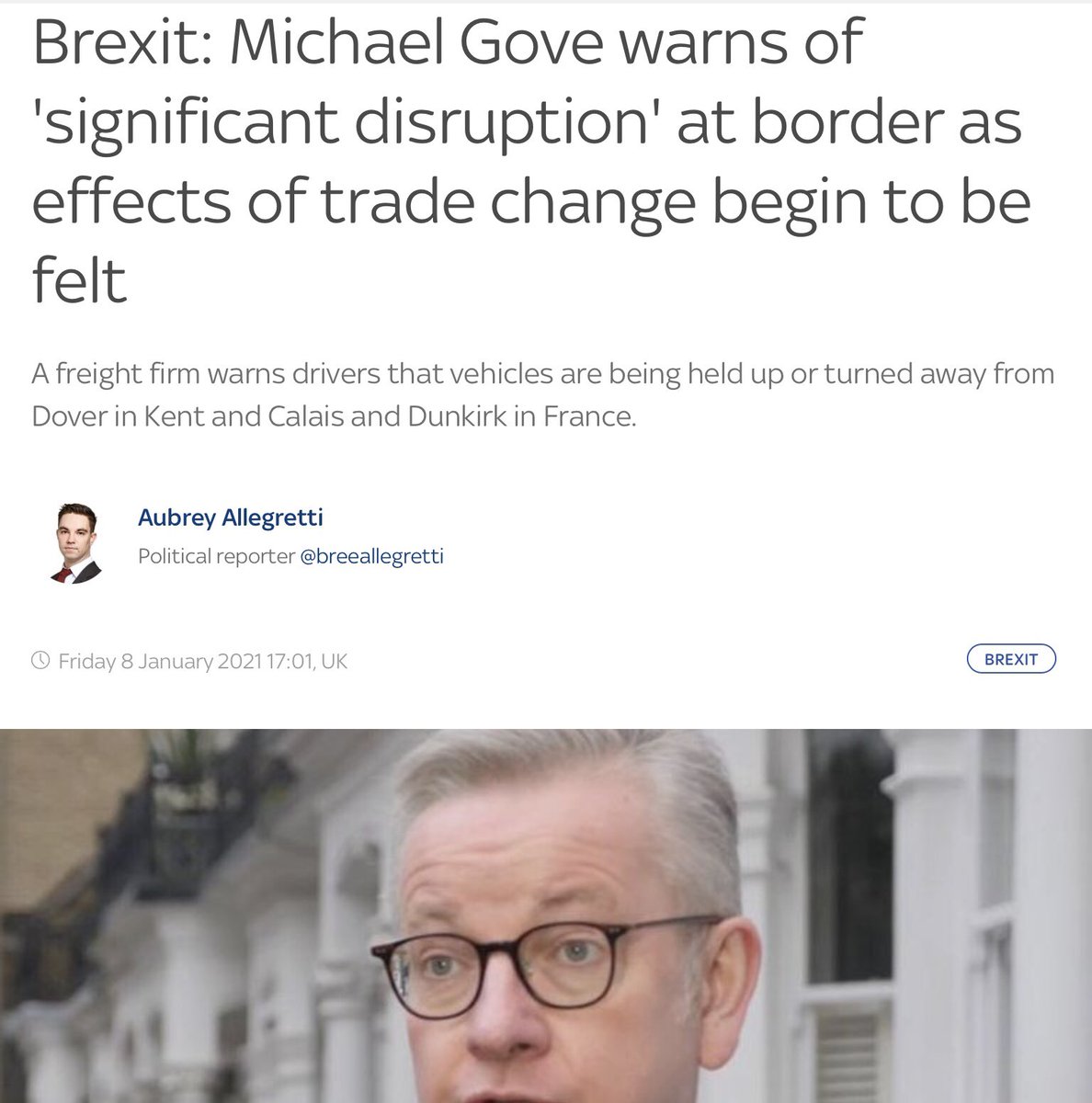
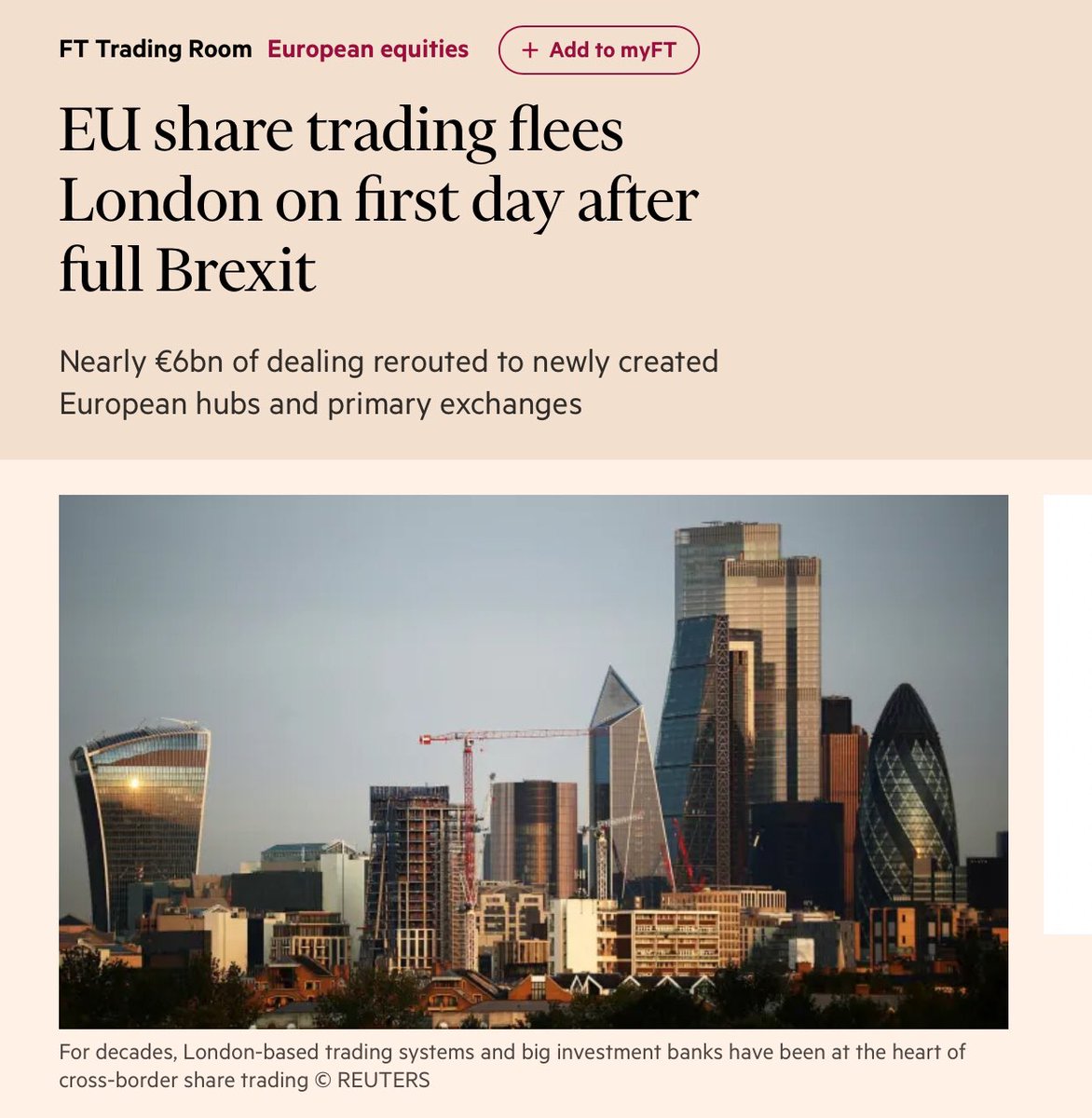
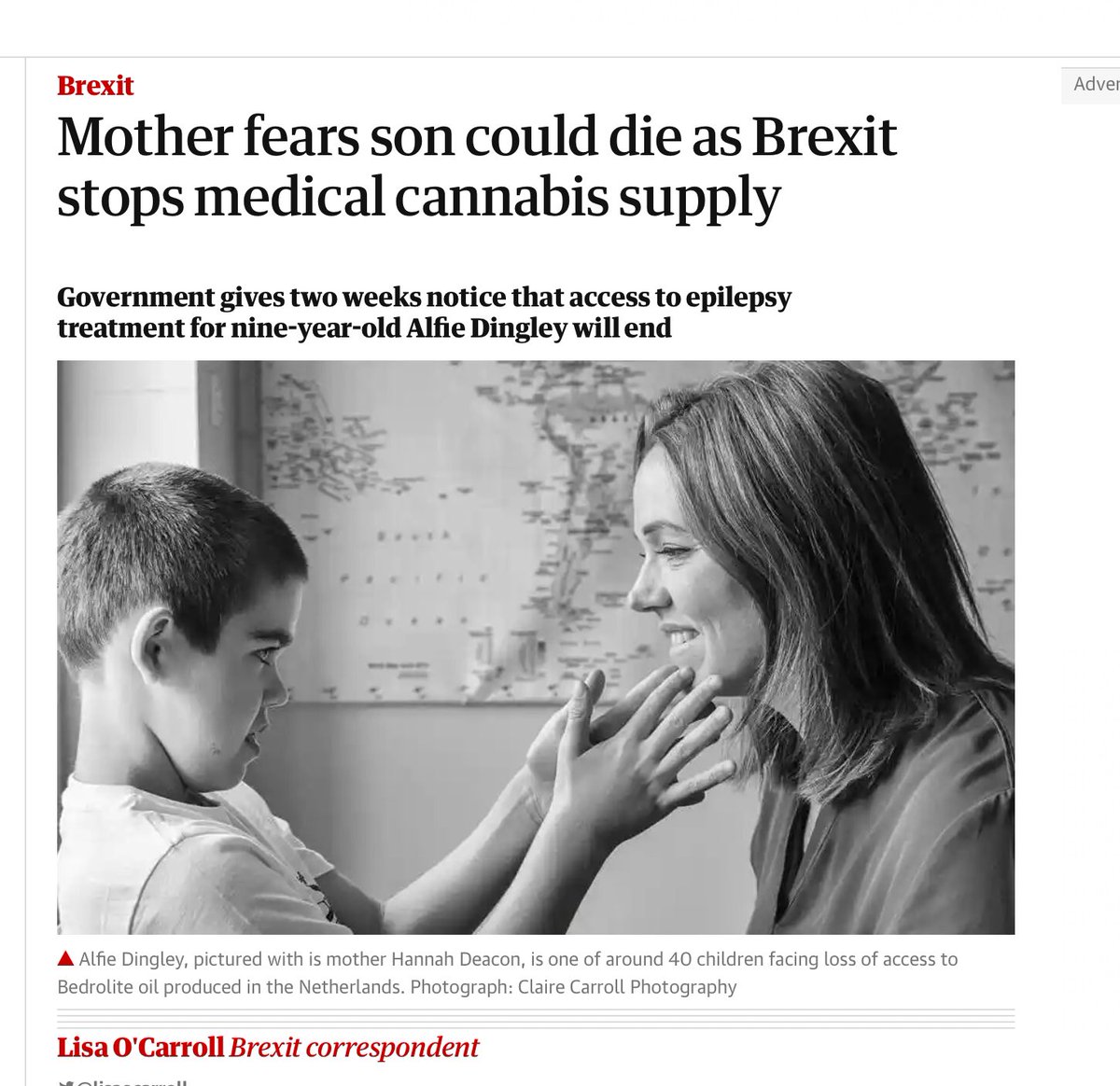
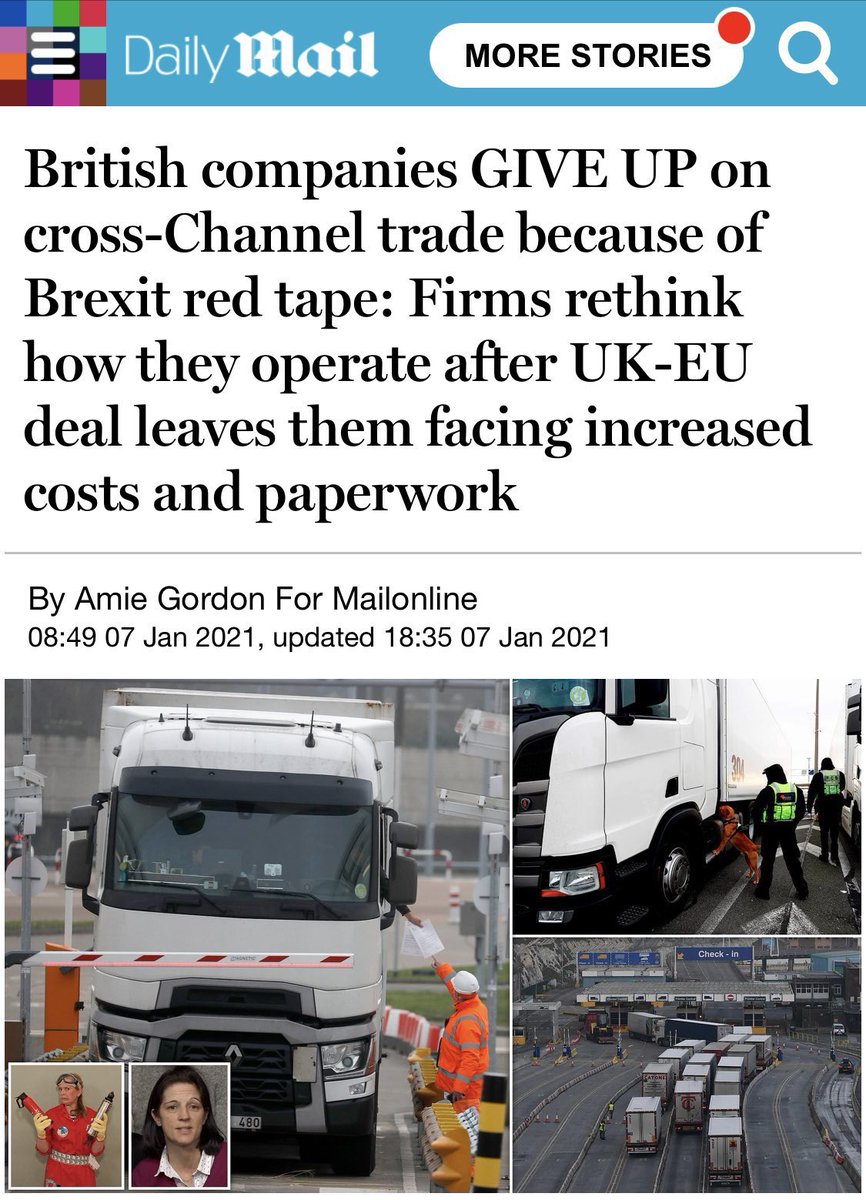
Japanese companies in the UK who have moved their product distribution hub to the EU in anticipation of what is now happening. One in a long thread, just to make a point that *some* companies have been preparing for worst case Brexit for years 1/13
More from Brexit
Two excellent questions at the end of a very sensible thread summarising the post-Brexit UK FP debate. My own take at attempting to offer an answer - ahead of the IR is as follow:
1. The two versions have a converging point: a tilt to the Indo-pacific doesn’t preclude a role as a convening power on global issues;
2. On the contrary, it underwrites the credibility for leadership on global issues, by seeking to strike two points:
A. Engaging with a part of the world in which world order and global issues are central to security, prosperity, and - not least - values;
B. Propelling the UK towards a more diversified set of economic, political, and security ties;
3. The tilt towards the Indo-Pacific whilst structurally based on a realist perception of the world, it is also deeply multilateral. Central to it is the notion of a Britain that is a convening power.
4. It is as a result a notion that stands on the ability to renew diplomacy;
5. It puts in relation to this a premium on under-utilised formats such as FPDA, 5Eyes, and indeed the Commonwealth - especially South Pacific islands;
6. It equally puts a premium on exploring new bilateral and multilateral formats. On former, Japan, Australia. On latter, Quad;
Both the @ChathamHouse and @Policy_Exchange reports are excellent and leave a healthy tension to the UK foreign policy debate. I\u2019m left with two questions that won\u2019t go away. Is the first underestimating how the world has changed. Is the second overestimating Britain\u2019s capacity?
— Ben Judah (@b_judah) January 11, 2021
1. The two versions have a converging point: a tilt to the Indo-pacific doesn’t preclude a role as a convening power on global issues;
2. On the contrary, it underwrites the credibility for leadership on global issues, by seeking to strike two points:
A. Engaging with a part of the world in which world order and global issues are central to security, prosperity, and - not least - values;
B. Propelling the UK towards a more diversified set of economic, political, and security ties;
3. The tilt towards the Indo-Pacific whilst structurally based on a realist perception of the world, it is also deeply multilateral. Central to it is the notion of a Britain that is a convening power.
4. It is as a result a notion that stands on the ability to renew diplomacy;
5. It puts in relation to this a premium on under-utilised formats such as FPDA, 5Eyes, and indeed the Commonwealth - especially South Pacific islands;
6. It equally puts a premium on exploring new bilateral and multilateral formats. On former, Japan, Australia. On latter, Quad;
A not-so-little thread on how post-Brexit work permit regulations will apply in Scottish football and why it’s, broadly, not a good thing...
1) Work permit calculations are based on the points formula from this site - https://t.co/sjqx8Df7Zg
As things stand, while this article deals with England, the system applies to Scotland also.
The goal is 15 points and the article shows various ways to get there. Essentially, play regularly internationally or in a top 5 league and you’re in. But read the article because it’s a bit trickier than that.
2) There are elements of this I’d dispute. For example, here’s the banding of leagues and, lower down, it’s an absolute mess - Denmark (ranked 14 in coefficient table) and Serbia (16) banded lower than Croatia (20), Greece (18) and Czechs (19)? It’s wholly random.
I get the point that leagues should be banded, but there doesn’t seem to have been loads of sense applied to how these things are actually banded, rather they’ve just shoved a bunch of leagues together and hoped for the best.
1) Work permit calculations are based on the points formula from this site - https://t.co/sjqx8Df7Zg
As things stand, while this article deals with England, the system applies to Scotland also.
The goal is 15 points and the article shows various ways to get there. Essentially, play regularly internationally or in a top 5 league and you’re in. But read the article because it’s a bit trickier than that.
2) There are elements of this I’d dispute. For example, here’s the banding of leagues and, lower down, it’s an absolute mess - Denmark (ranked 14 in coefficient table) and Serbia (16) banded lower than Croatia (20), Greece (18) and Czechs (19)? It’s wholly random.
I get the point that leagues should be banded, but there doesn’t seem to have been loads of sense applied to how these things are actually banded, rather they’ve just shoved a bunch of leagues together and hoped for the best.
You May Also Like
Great article from @AsheSchow. I lived thru the 'Satanic Panic' of the 1980's/early 1990's asking myself "Has eveyrbody lost their GODDAMN MINDS?!"
The 3 big things that made the 1980's/early 1990's surreal for me.
1) Satanic Panic - satanism in the day cares ahhhh!
2) "Repressed memory" syndrome
3) Facilitated Communication [FC]
All 3 led to massive abuse.
"Therapists" -and I use the term to describe these quacks loosely - would hypnotize people & convince they they were 'reliving' past memories of Mom & Dad killing babies in Satanic rituals in the basement while they were growing up.
Other 'therapists' would badger kids until they invented stories about watching alligators eat babies dropped into a lake from a hot air balloon. Kids would deny anything happened for hours until the therapist 'broke through' and 'found' the 'truth'.
FC was a movement that started with the claim severely handicapped individuals were able to 'type' legible sentences & communicate if a 'helper' guided their hands over a keyboard.
For three years I have wanted to write an article on moral panics. I have collected anecdotes and similarities between today\u2019s moral panic and those of the past - particularly the Satanic Panic of the 80s.
— Ashe Schow (@AsheSchow) September 29, 2018
This is my finished product: https://t.co/otcM1uuUDk
The 3 big things that made the 1980's/early 1990's surreal for me.
1) Satanic Panic - satanism in the day cares ahhhh!
2) "Repressed memory" syndrome
3) Facilitated Communication [FC]
All 3 led to massive abuse.
"Therapists" -and I use the term to describe these quacks loosely - would hypnotize people & convince they they were 'reliving' past memories of Mom & Dad killing babies in Satanic rituals in the basement while they were growing up.
Other 'therapists' would badger kids until they invented stories about watching alligators eat babies dropped into a lake from a hot air balloon. Kids would deny anything happened for hours until the therapist 'broke through' and 'found' the 'truth'.
FC was a movement that started with the claim severely handicapped individuals were able to 'type' legible sentences & communicate if a 'helper' guided their hands over a keyboard.