So the real question is: why is there more demand for stocks?
Here’s me trying to make sense of the unprecedented 2020 bull rally of stock markets.
(A thread)
So the real question is: why is there more demand for stocks?
Central banks across the world, especially the fed in the US, are providing cheap liquidity across the board to institutions.
With interest rates falling to 0% and below, bonds are no longer attractive.
They’ve made risk-free investments such as bonds so unattractive that the only place for money to go is towards relatively risky investments which are stocks.
They want things to become pricey so wages grow, profits grow and people’s perception of recession goes away because you’re getting more money than last year.
Instead of inflation of wages and consumer products, we are seeing inflation of stock prices.
We are not seeing inflation of employee wages and consumer products because supply of these is more than demand.
Central banks are underestimating how many people are needed to run economies these days.
It’s tech and tech causes decrease in prices for consumers.
Why?
https://t.co/xE9j8G2oQB
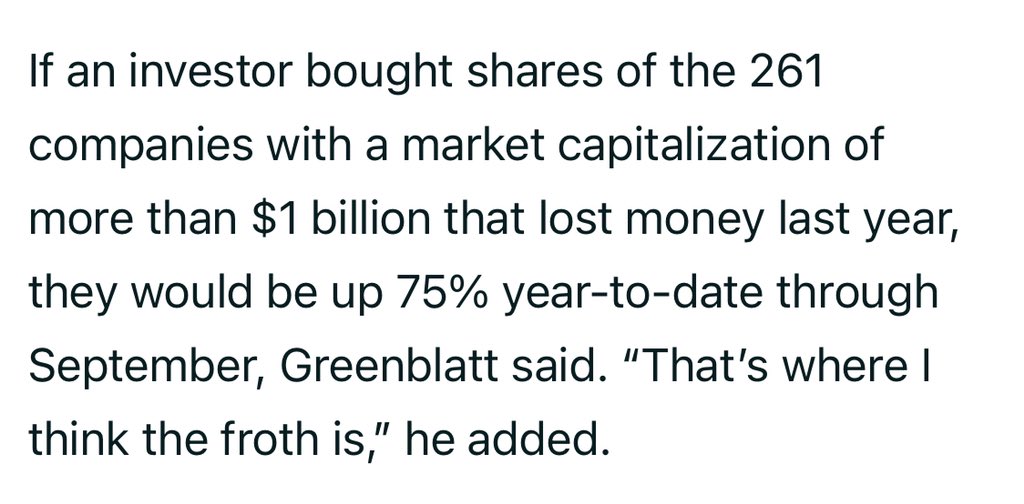
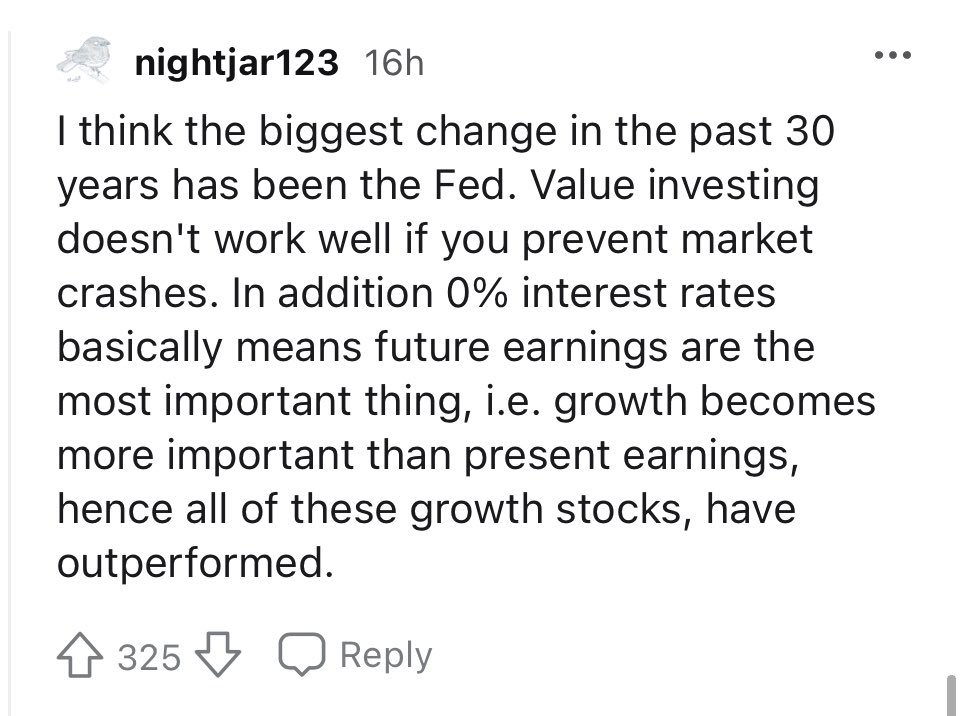
Nobody wants their money back at 0% interest regime.
You don’t want a dollar today. You want five tomorrow, even if that comes with a risk.
When you invest in stock market, you really dont want to consume that money and hence naturally seek future growth over today’s growth.
More from Paras Chopra



More from Trading









Want to master Option Selling for free?
Here are the best resources.
A thread 🧵👇
Collaborated with @niki_poojary
1. Best book of knowledge for a beginner?
Zerodha Varsity from @Nithin0dha's team is the best book for a newcomer to read and increase his basic knowledge about options, especially for the Indian markets.
Link:
2. Best Youtube channel on Options Trading?
The @tastytrade financial network. It's a foreign channel that focuses mostly on selling options.
They teach all strategies for free with their backtests.
Big on Straddle/Strangles selling.
Links:
3. Top Indian YouTube Channel for Options?
Power of Stocks - Subhasish Pani
What you'll learn:
1. How to form a trading plan.
2. How to scale an account with risk-reward in option selling.
3. Technical analysis logics you can use daily.
15
4. What are the preconditions to start option Selling:
You should know technical Analysis basics like:
- Support/Resistance
- Chart Patterns
- Candle Patterns
- Dow Theory (HH, LL)
This will help you start taking high-probability trades.
Here are the best resources.
A thread 🧵👇
Collaborated with @niki_poojary
1. Best book of knowledge for a beginner?
Zerodha Varsity from @Nithin0dha's team is the best book for a newcomer to read and increase his basic knowledge about options, especially for the Indian markets.
Link:
2. Best Youtube channel on Options Trading?
The @tastytrade financial network. It's a foreign channel that focuses mostly on selling options.
They teach all strategies for free with their backtests.
Big on Straddle/Strangles selling.
Links:
3. Top Indian YouTube Channel for Options?
Power of Stocks - Subhasish Pani
What you'll learn:
1. How to form a trading plan.
2. How to scale an account with risk-reward in option selling.
3. Technical analysis logics you can use daily.
15
15 Learnings from Power of Stocks: \U0001f9f5
— Aditya Todmal (@AdityaTodmal) January 23, 2022
Collaborated with @niki_poojary
4. What are the preconditions to start option Selling:
You should know technical Analysis basics like:
- Support/Resistance
- Chart Patterns
- Candle Patterns
- Dow Theory (HH, LL)
This will help you start taking high-probability trades.
You May Also Like

A list of cool websites you might now know about
A thread 🧵
1) Learn Anything - Search tools for knowledge discovery that helps you understand any topic through the most efficient
2) Grad Speeches - Discover the best commencement speeches.
This website is made by me
3) What does the Internet Think - Find out what the internet thinks about anything
4) https://t.co/vuhT6jVItx - Send notes that will self-destruct after being read.
A thread 🧵
1) Learn Anything - Search tools for knowledge discovery that helps you understand any topic through the most efficient
2) Grad Speeches - Discover the best commencement speeches.
This website is made by me
3) What does the Internet Think - Find out what the internet thinks about anything
4) https://t.co/vuhT6jVItx - Send notes that will self-destruct after being read.