Next up in Privacy Technology at #enigma2021, Kelly Huang from @ethyca speaking about "GONE, BUT NOT "FORGOTTEN"—TECHNICAL & PRACTICAL CHALLENGES IN OPERATIONALIZING MODERN PRIVACY
Now a user writes to request you delete their data. Where is it? How do you do that? Who's responsible for privacy in your business.
* access
* rectification
* deletion
Legal's trying to uphold them, but it's a technical question!
Legal wants to decrease risk but don't know software
It takes a lot of time to handle these requests, too!
They need a streamlined technical solution.
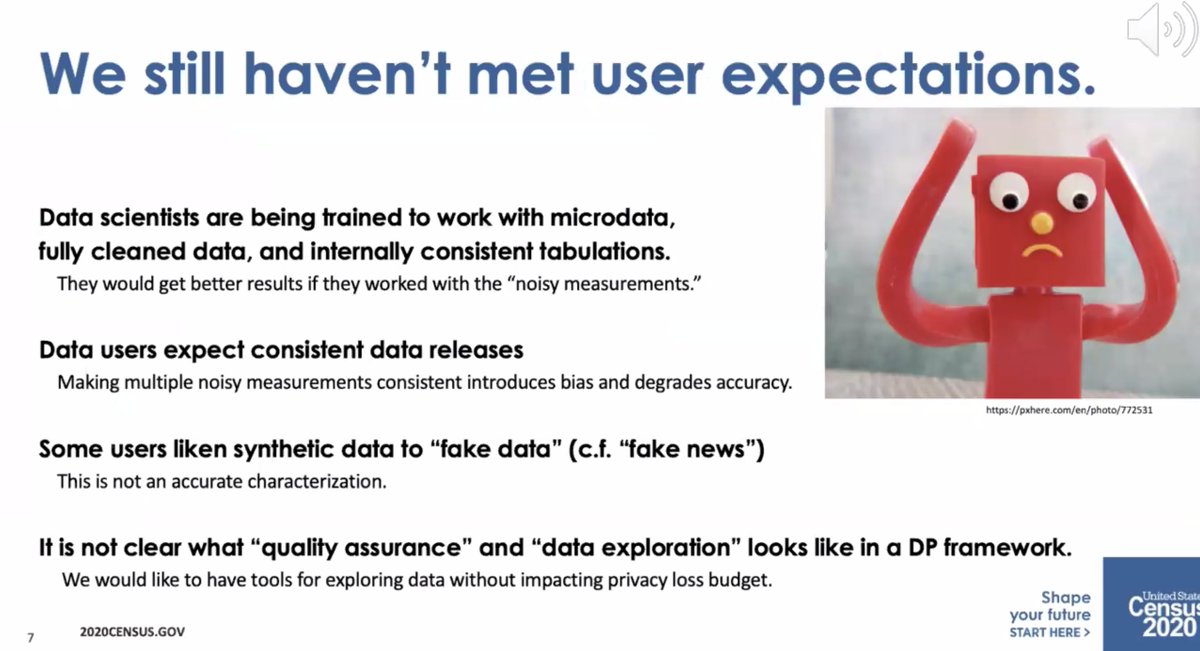
Average SMB has data in 10 different systems.
Some poor software engineer is trying to track down what data is where?
What even *is* PII? There's no real standard.
What should be returned? What should be deleted.
Make a definition and stick to it.
2. Find all the PII
3. Use pseudonymization to replace PII with some kind of random value which can't be tied back to the user
[reminder I am livetweeting this is not me speaking]
Maybe a centralized team who can handle this?
If you're a small company, plan ahead!
* you have a timeline -- often 30 or 45 days
* but that's not enough time if you haven't planned for streamlined speed
Ideally you won't need it, but have a backup plan, in case something goes wrong with a slow data system
More from Lea Kissner


More from Tech


A common misunderstanding about Agile and “Big Design Up Front”:
There’s nothing in the Agile Manifesto or Principles that states you should never have any idea what you’re trying to build.
You’re allowed to think about a desired outcome from the beginning.
It’s not Big Design Up Front if you do in-depth research to understand the user’s problem.
It’s not BDUF if you spend detailed time learning who needs this thing and why they need it.
It’s not BDUF if you help every team member know what success looks like.
Agile is about reducing risk.
It’s not Agile if you increase risk by starting your sprints with complete ignorance.
It’s not Agile if you don’t research.
Don’t make the mistake of shutting down critical understanding by labeling it Bg Design Up Front.
It would be a mistake to assume this research should only be done by designers and researchers.
Product management and developers also need to be out with the team, conducting the research.
Shared Understanding is the key objective
Big Design Up Front is a thing to avoid.
Defining all the functionality before coding is BDUF.
Drawing every screen and every pixel is BDUF.
Promising functionality (or delivery dates) to customers before development starts is BDUF.
These things shouldn’t happen in Agile.
There’s nothing in the Agile Manifesto or Principles that states you should never have any idea what you’re trying to build.
You’re allowed to think about a desired outcome from the beginning.
It’s not Big Design Up Front if you do in-depth research to understand the user’s problem.
It’s not BDUF if you spend detailed time learning who needs this thing and why they need it.
It’s not BDUF if you help every team member know what success looks like.
Agile is about reducing risk.
It’s not Agile if you increase risk by starting your sprints with complete ignorance.
It’s not Agile if you don’t research.
Don’t make the mistake of shutting down critical understanding by labeling it Bg Design Up Front.
It would be a mistake to assume this research should only be done by designers and researchers.
Product management and developers also need to be out with the team, conducting the research.
Shared Understanding is the key objective
I\u2019d recommend that the devs participate directly in the research.
— Jared Spool (@jmspool) November 18, 2018
If the devs go into the first sprint with a thorough understanding of the user\u2019s problems, they are far more likely to solve it well.
Big Design Up Front is a thing to avoid.
Defining all the functionality before coding is BDUF.
Drawing every screen and every pixel is BDUF.
Promising functionality (or delivery dates) to customers before development starts is BDUF.
These things shouldn’t happen in Agile.


Next.js has taken the web dev world by storm
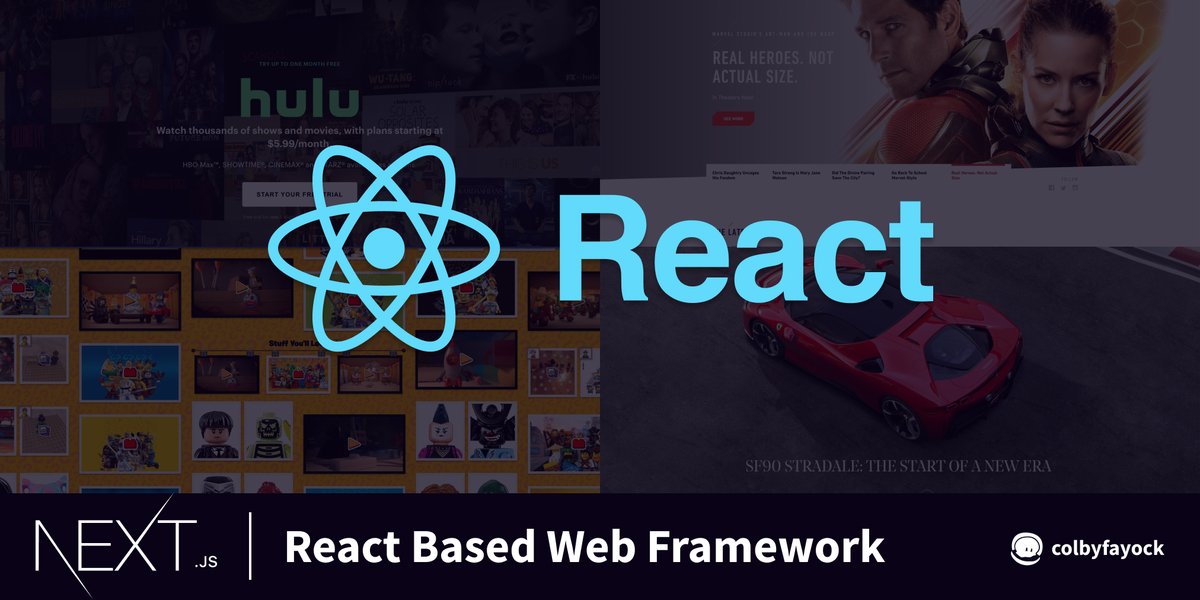
It’s the @reactjs framework devs rave about praising its power, flexibility, and dev experience
Don't feel like you're missing out!
Here's everything you need to know in 10 tweets
Let’s dive in 🧵
Next.js is a @reactjs framework from @vercel
It couples a great dev experience with an opinionated feature set to make it easy to spin up new performant, dynamic web apps
It's used by many high-profile teams like @hulu, @apple, @Nike, & more
https://t.co/whCdm5ytuk
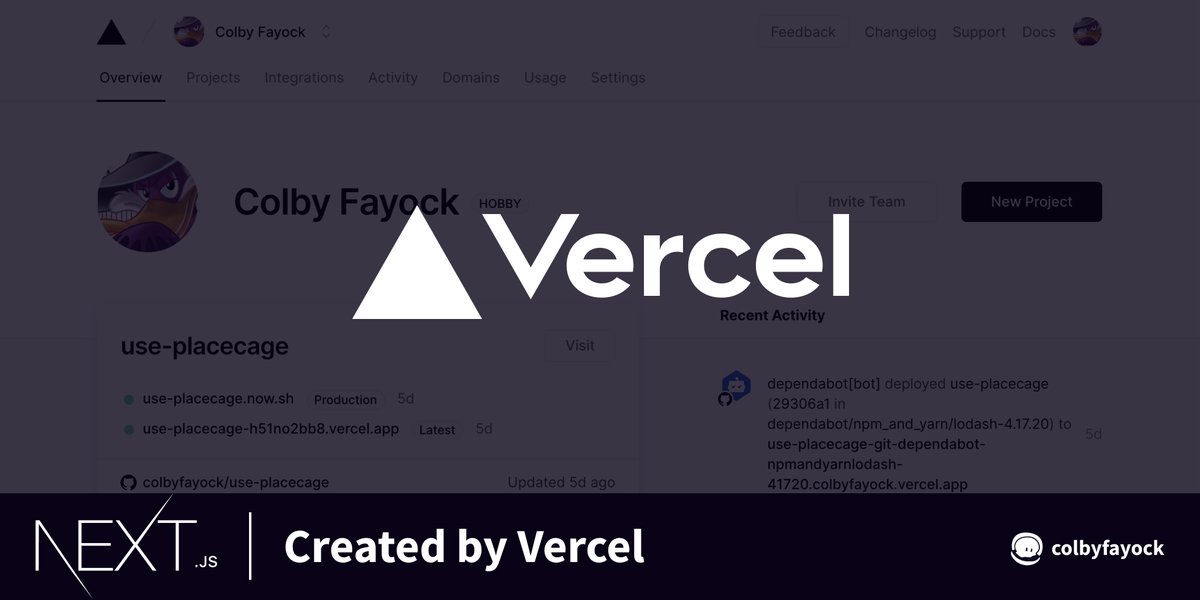
@vercel @hulu @Apple @Nike The team at @vercel, formerly Zeit, originally and launched v1 of the framework on Oct 26, 2016 in the pursuit of universal JavaScript apps
Since then, the team & community has grown expotentially, including contributions from giants like @Google
https://t.co/xPPTOtHoKW
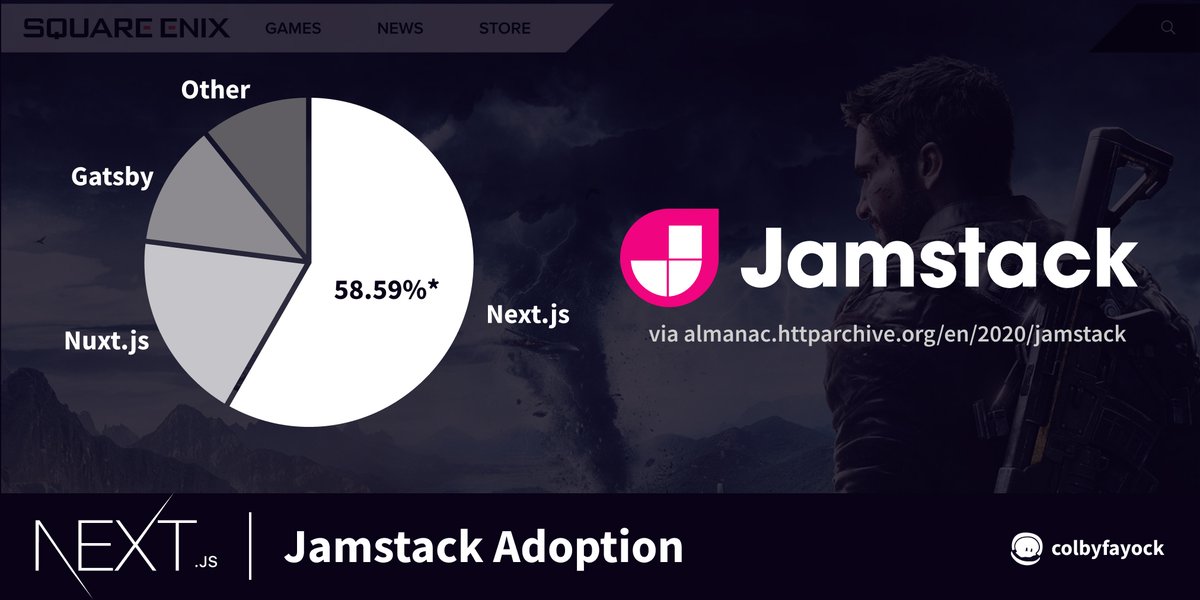
@vercel @hulu @Apple @Nike @Google In the #jamstack world, Next.js pulled a hefty 58.6% share of framework adoption in 2020
Compared to other popular @reactjs frameworks like Gatsby, which pulled in 12%
*The Next.js stats likely include some SSR, arguably not Jamstack
https://t.co/acNawfcM4z
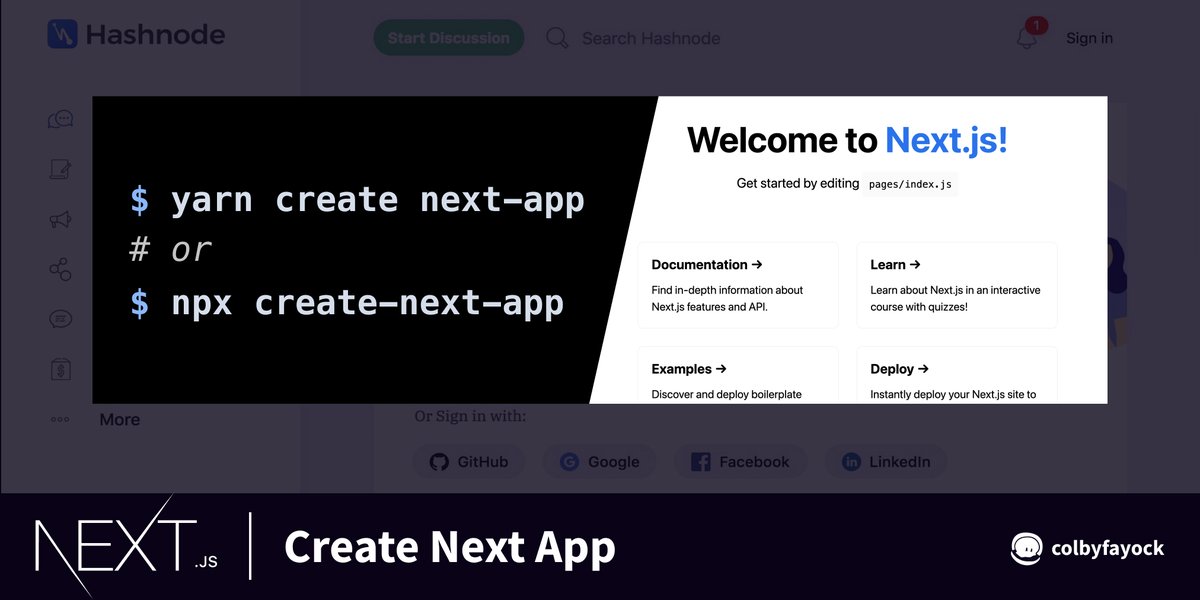
@vercel @hulu @Apple @Nike @Google The easiest way to get started with a new Next.js app is with Create Next App
Simply run:
yarn create next-app
or
npx create-next-app
You can even start from a git-based template with the -e flag
yarn create next-app -e https://t.co/JMQ87gi1ue
https://t.co/rwKhp7zlys
It’s the @reactjs framework devs rave about praising its power, flexibility, and dev experience
Don't feel like you're missing out!
Here's everything you need to know in 10 tweets
Let’s dive in 🧵
Next.js is a @reactjs framework from @vercel
It couples a great dev experience with an opinionated feature set to make it easy to spin up new performant, dynamic web apps
It's used by many high-profile teams like @hulu, @apple, @Nike, & more
https://t.co/whCdm5ytuk
@vercel @hulu @Apple @Nike The team at @vercel, formerly Zeit, originally and launched v1 of the framework on Oct 26, 2016 in the pursuit of universal JavaScript apps
Since then, the team & community has grown expotentially, including contributions from giants like @Google
https://t.co/xPPTOtHoKW
@vercel @hulu @Apple @Nike @Google In the #jamstack world, Next.js pulled a hefty 58.6% share of framework adoption in 2020
Compared to other popular @reactjs frameworks like Gatsby, which pulled in 12%
*The Next.js stats likely include some SSR, arguably not Jamstack
https://t.co/acNawfcM4z
@vercel @hulu @Apple @Nike @Google The easiest way to get started with a new Next.js app is with Create Next App
Simply run:
yarn create next-app
or
npx create-next-app
You can even start from a git-based template with the -e flag
yarn create next-app -e https://t.co/JMQ87gi1ue
https://t.co/rwKhp7zlys