1. One of the best changes in recent years is the GOP abandoning libertarianism. Here's GOP Rep. Greg Steube: “I do think there is an appetite amongst Republicans, if the Dems wanted to try to break up Big Tech, I think there is support for that."
Republican North Dakota legislators have introduced #SB2333, a bill that prohibits large tech companies from locking their users into a single app store or payment processor.https://t.co/PgyhgOhFAl
— Cory Doctorow #BLM (@doctorow) February 11, 2021
1/ pic.twitter.com/KZ8BMFQoPO
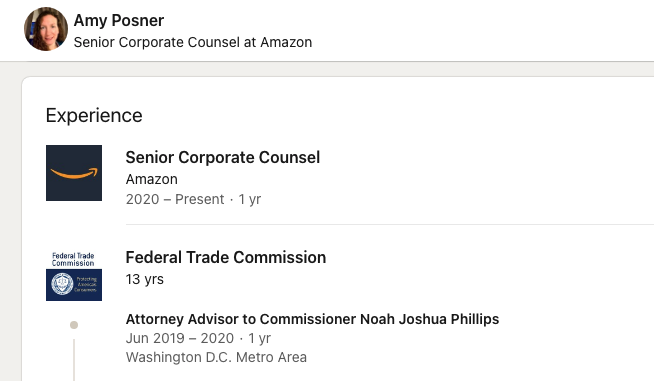
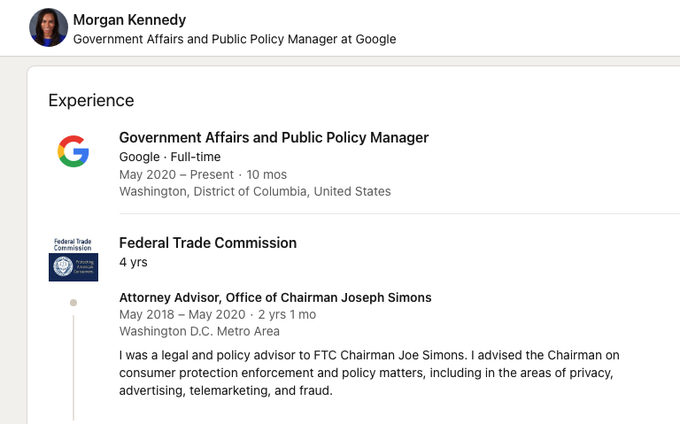
@FTCPhillips and @CSWilsonFTC are both pro-monopoly. Both voted *against* the antitrust case on FB. That case was 3-2, with a GOP Chair and 2 Dems teaming up against 2 Rs.
More from Tech




🙂 Hey - have you heard of @RevolutApp Business before?
🌐 Great international transfer and 🏦 foreign #exchange rates, and various tools to manage your #business.
👉 https://t.co/dkuBrYrfMq
#banking #fintech #revolut #growth #startups
1/10

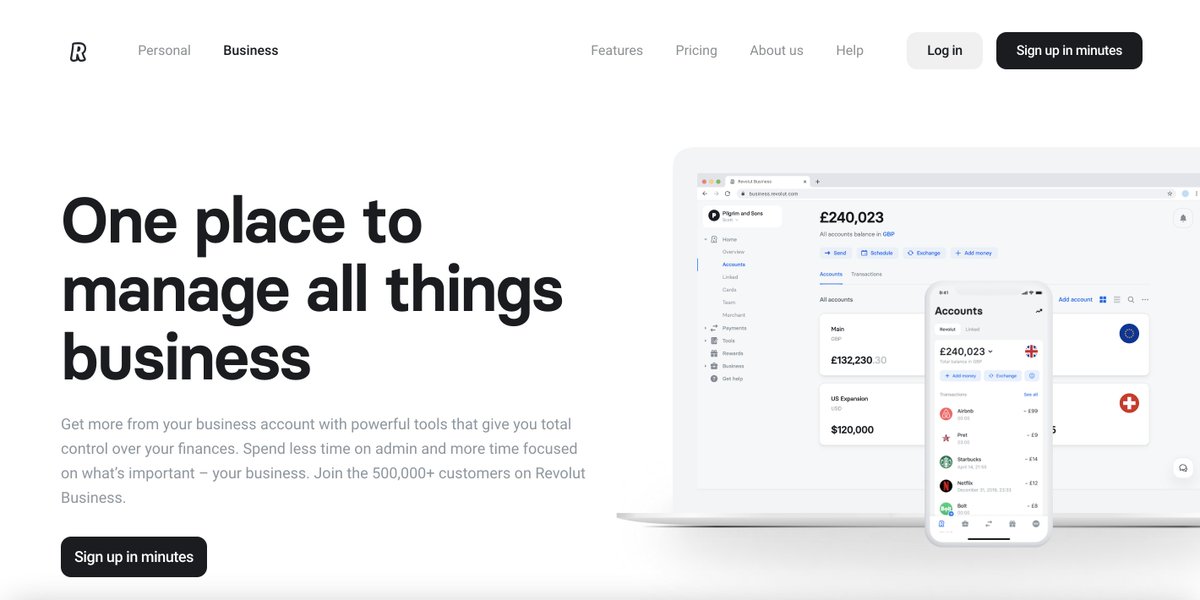
One place to manage all things business
Get more from your business account with powerful tools that give you total control over your finances.
👉 https://t.co/dkuBrYrfMq
2/10
Accept payments
online at great rates
Receive card payments from around the world with low fees and next-day settlement.
👉 https://t.co/dkuBrYrfMq
3/10

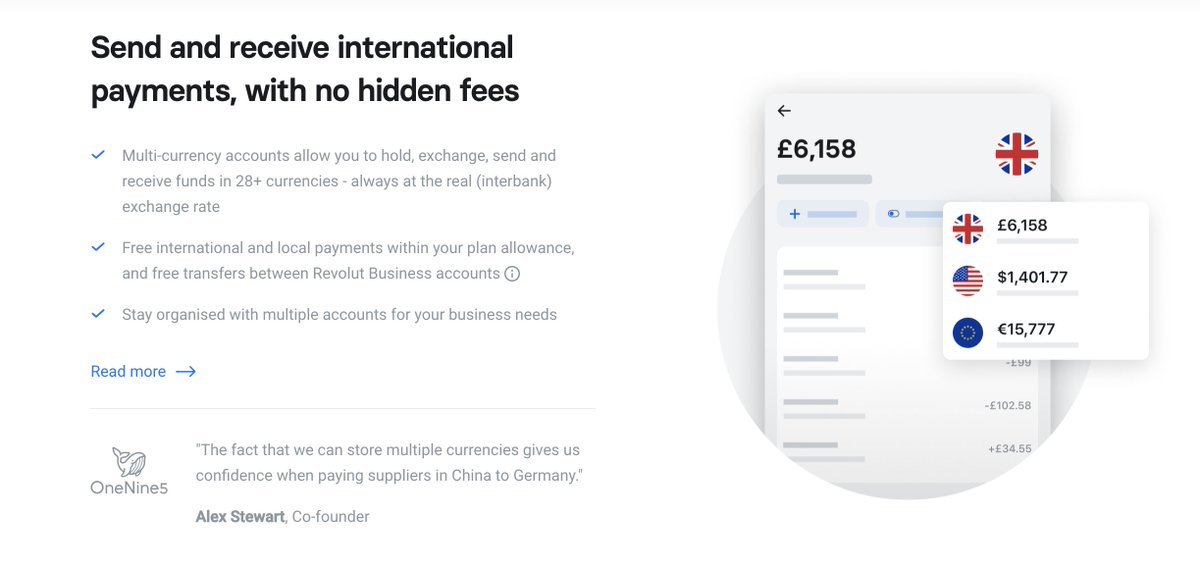
Send and receive international payments, with no hidden fees
Multi-currency accounts allow you to hold, exchange, send and receive funds in 28+ currencies - always at the real (interbank) exchange rate...
👉 https://t.co/dkuBrYrfMq
4/10
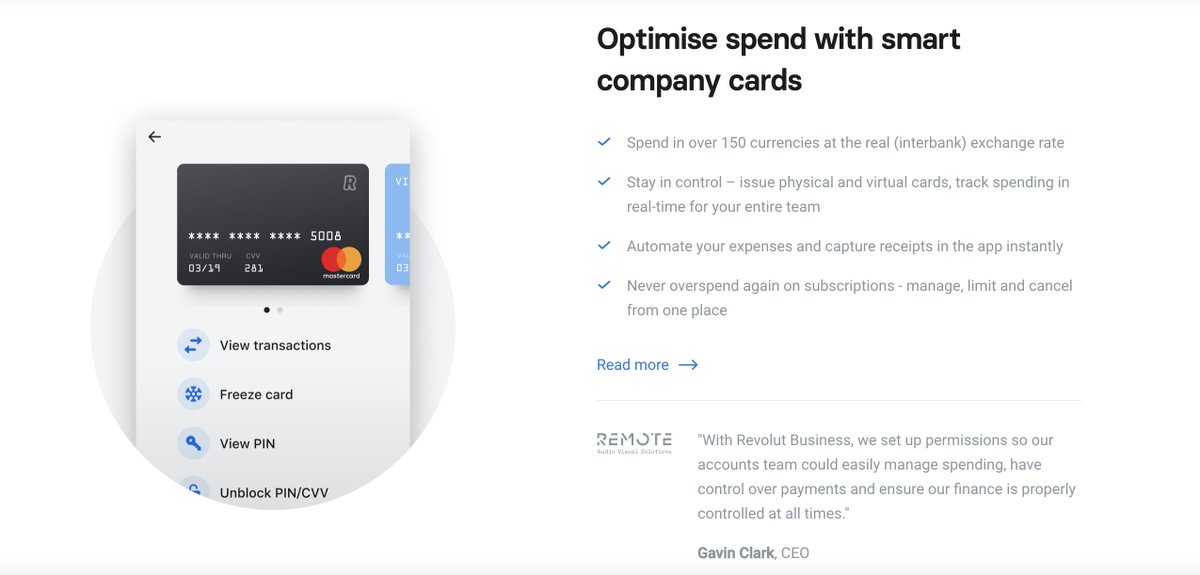
Optimise spend with smart company cards
Spend in over 150 currencies at the real (interbank) exchange rate
Stay in control – issue physical and virtual cards, track spending in real-time for your entire team...
👉 https://t.co/dkuBrYrfMq
5/10
🌐 Great international transfer and 🏦 foreign #exchange rates, and various tools to manage your #business.
👉 https://t.co/dkuBrYrfMq
#banking #fintech #revolut #growth #startups
1/10
One place to manage all things business
Get more from your business account with powerful tools that give you total control over your finances.
👉 https://t.co/dkuBrYrfMq
2/10
Accept payments
online at great rates
Receive card payments from around the world with low fees and next-day settlement.
👉 https://t.co/dkuBrYrfMq
3/10
Send and receive international payments, with no hidden fees
Multi-currency accounts allow you to hold, exchange, send and receive funds in 28+ currencies - always at the real (interbank) exchange rate...
👉 https://t.co/dkuBrYrfMq
4/10
Optimise spend with smart company cards
Spend in over 150 currencies at the real (interbank) exchange rate
Stay in control – issue physical and virtual cards, track spending in real-time for your entire team...
👉 https://t.co/dkuBrYrfMq
5/10
You May Also Like




fascinated by this man, mario cortellucci, and his outsized influence on ontario and GTA politics. cortellucci, who lives in vaughan and ran as a far-right candidate for the italian senate back in 2018 - is a major ford donor...
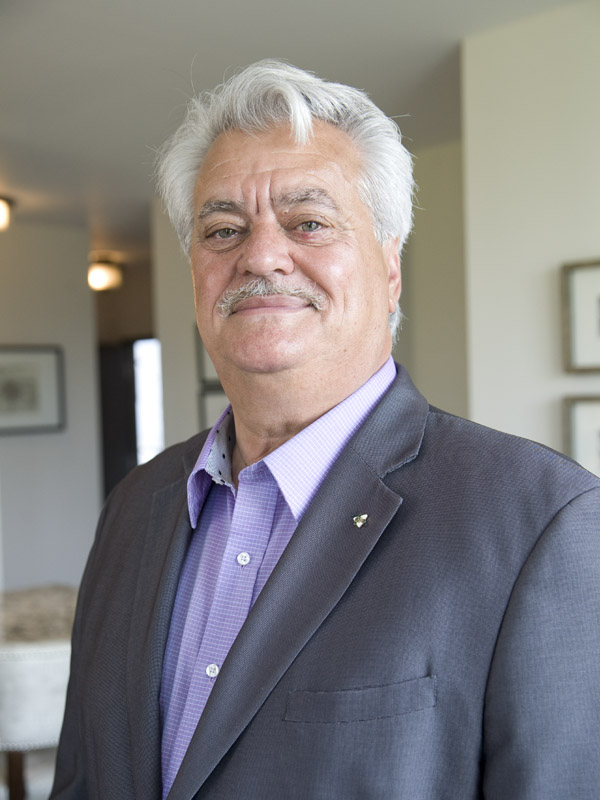
his name might sound familiar because the new cortellucci vaughan hospital at mackenzie health, the one doug ford has been touting lately as a covid-centric facility, is named after him and his family
but his name also pops up in a LOT of other ford projects. for instance - he controls the long term lease on big parts of toronto's portlands... where doug ford once proposed building an nfl stadium and monorail... https://t.co/weOMJ51bVF
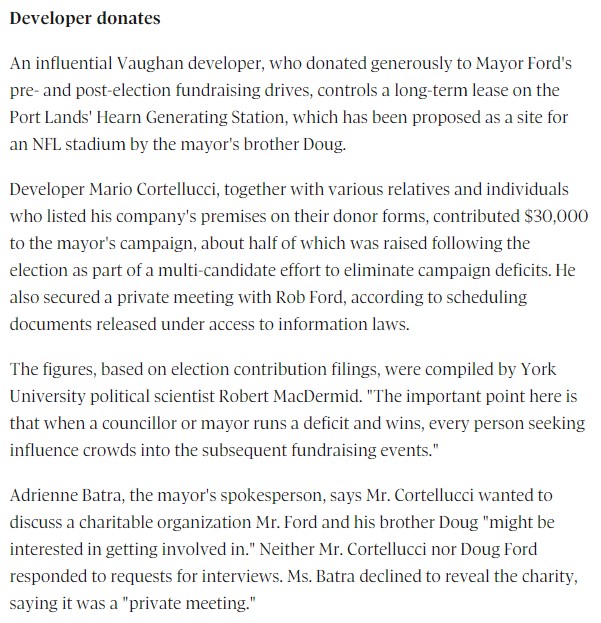
cortellucci, who is a developer, also owns a large chunk of the greenbelt. doug ford's desire to develop the greenbelt has been
and late last year he rolled back the mandate of conservation authorities there, prompting the resignations of several members of the greenbelt advisory
his name might sound familiar because the new cortellucci vaughan hospital at mackenzie health, the one doug ford has been touting lately as a covid-centric facility, is named after him and his family
but his name also pops up in a LOT of other ford projects. for instance - he controls the long term lease on big parts of toronto's portlands... where doug ford once proposed building an nfl stadium and monorail... https://t.co/weOMJ51bVF
cortellucci, who is a developer, also owns a large chunk of the greenbelt. doug ford's desire to develop the greenbelt has been
and late last year he rolled back the mandate of conservation authorities there, prompting the resignations of several members of the greenbelt advisory