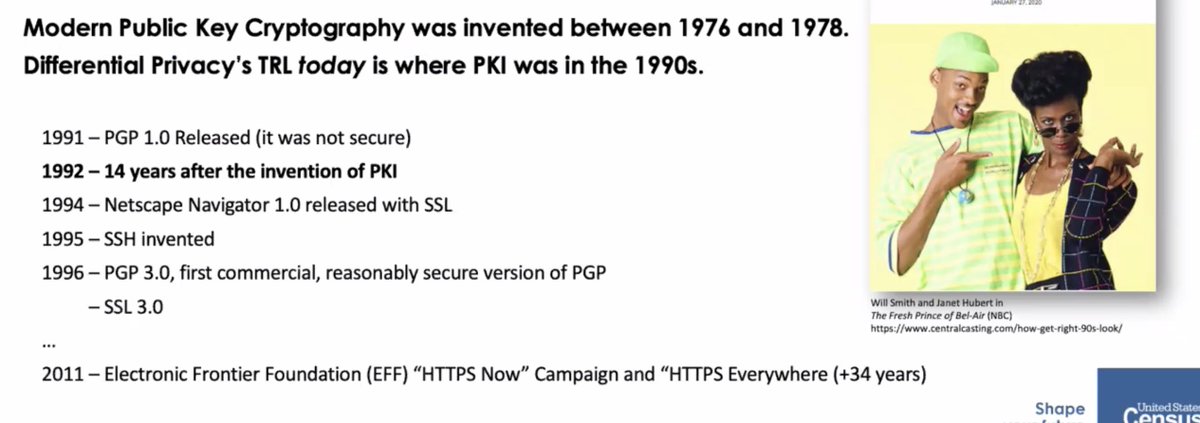
Last up in Privacy Tech for #enigma2021, @xchatty speaking about "IMPLEMENTING DIFFERENTIAL PRIVACY FOR THE 2020
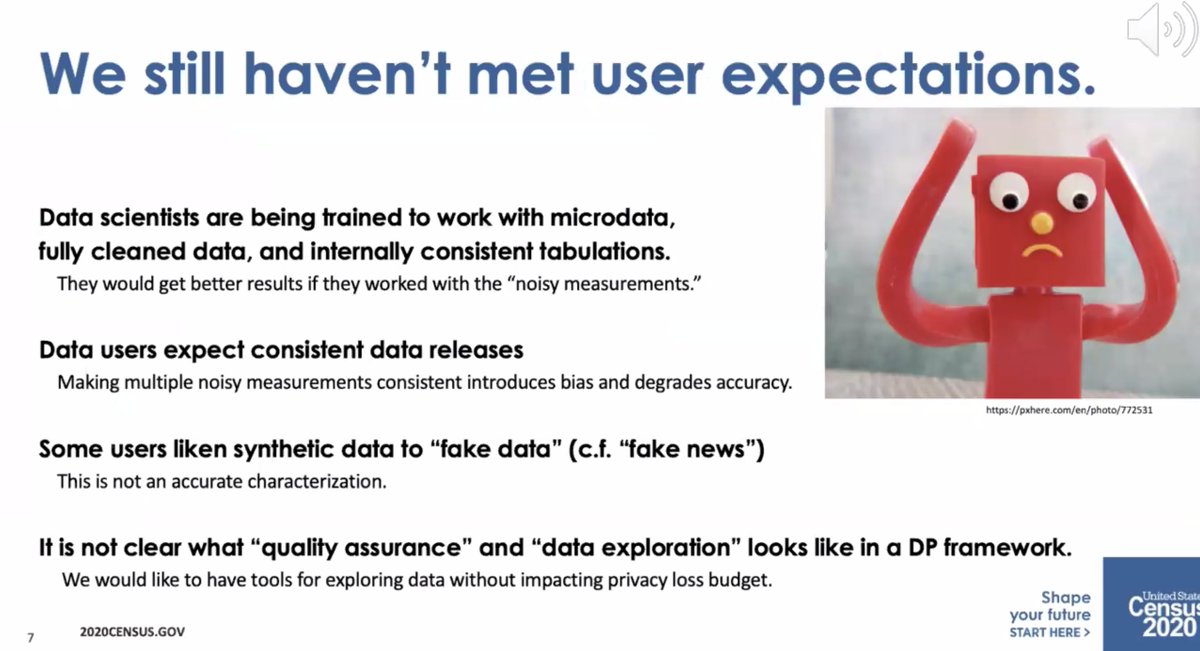
* Data users expect consistent data releases
* Some people call synthetic data "fake data" like
"fake news"
* It's not clear what "quality assurance" and "data exploration" means in a DP framework
* required to collect it by the constitution
* but required to maintain privacy by law
* differential privacy is open and we can talk about privacy loss/accuracy tradeoff
* swapping assumed limitations of the attackers (e.g. limited computational power)
Change in the meaning of "privacy" as relative -- it requires a lot of explanation and overcoming organizational barriers.
* different groups at the Census thought that meant different things
* before, states were processed as they came in. Differential privacy requires everything be computed on at once
* required a lot more computing power
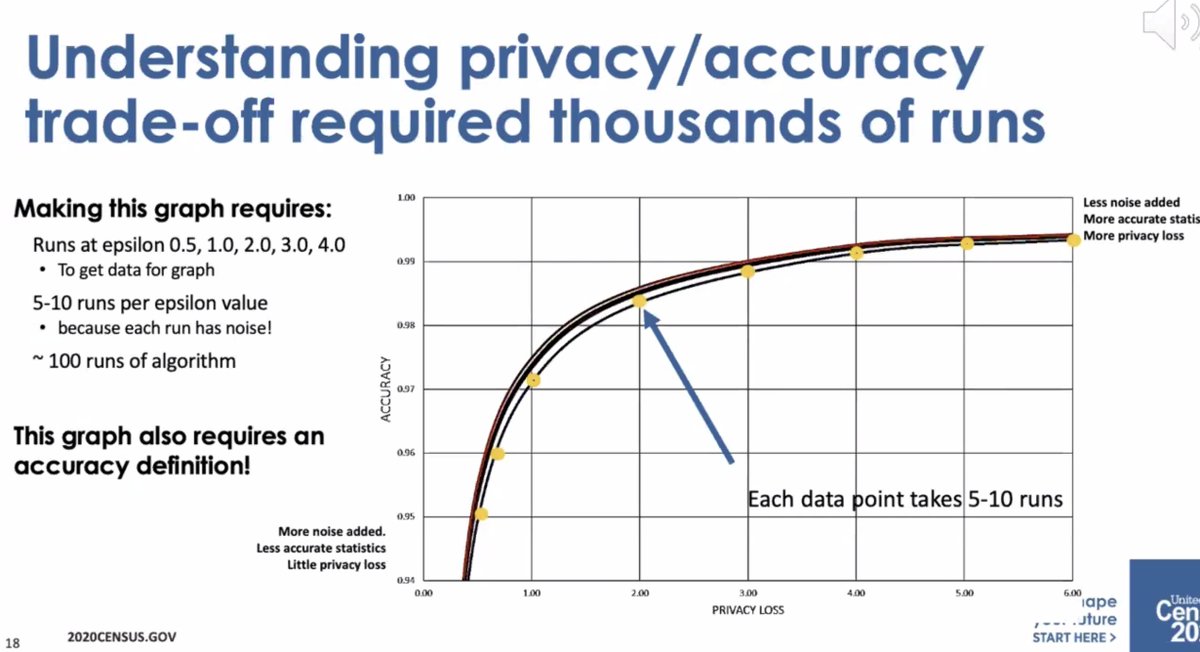
* initial implementation was by Dan Kiefer, who took a sabbatical
* expanded team to with Simson and others
* 2018 end to end test
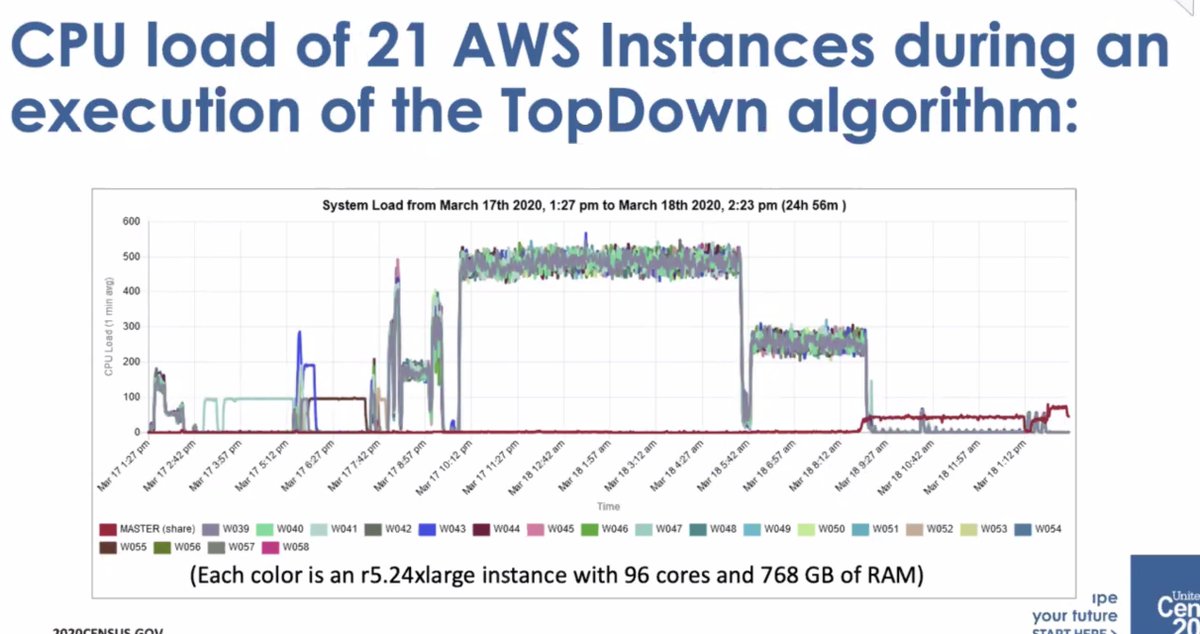
* then got to move to AWS Elastic compute... but the monitoring wasn't good enough and had to create their own dashboard to track execution
* it wasn't a small amount of compute
* ... it wasn't well-received by the data users who thought there was too much error
If you avoid that, you might add bias to the data. How to avoid that? Let some data users get access to the measurement files [I don't follow]

More from Lea Kissner


More from Tech

I could create an entire twitter feed of things Facebook has tried to cover up since 2015. Where do you want to start, Mark and Sheryl? https://t.co/1trgupQEH9
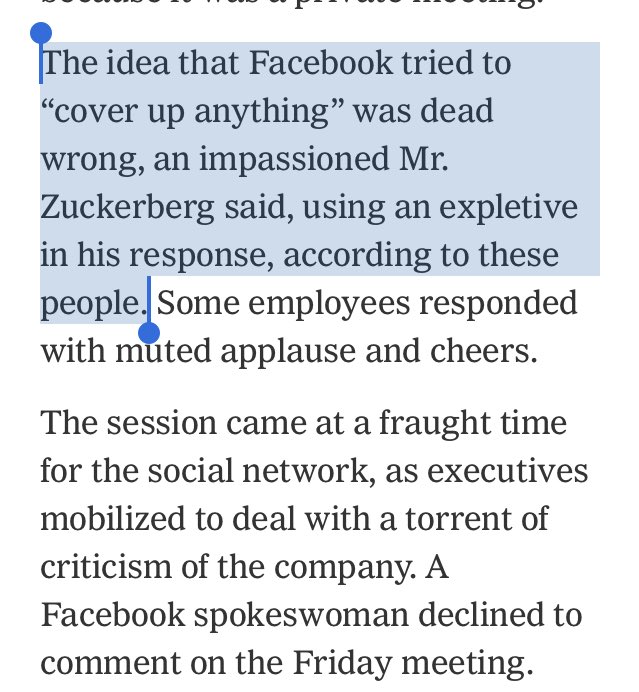
Ok, here. Just one of the 236 mentions of Facebook in the under read but incredibly important interim report from Parliament. ht @CommonsCMS https://t.co/gfhHCrOLeU
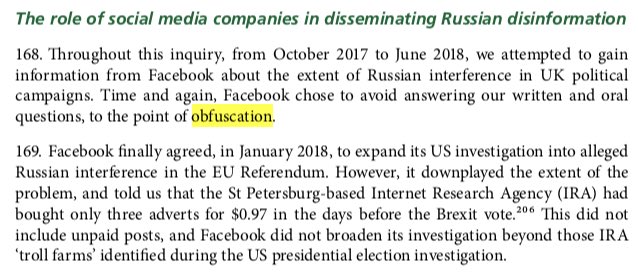
Let’s do another, this one to Senate Intel. Question: “Were you or CEO Mark Zuckerberg aware of the hiring of Joseph Chancellor?"
Answer "Facebook has over 30,000 employees. Senior management does not participate in day-today hiring decisions."
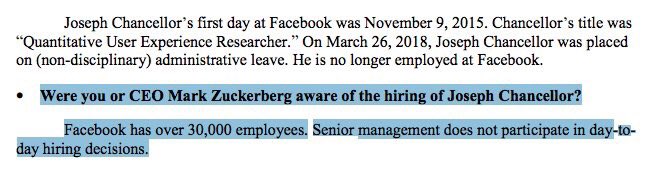
Or to @CommonsCMS: Question: "When did Mark Zuckerberg know about Cambridge Analytica?"
Answer: "He did not become aware of allegations CA may not have deleted data about FB users obtained through Dr. Kogan's app until March of 2018, when
these issues were raised in the media."

If you prefer visuals, watch this short clip after @IanCLucas rightly expresses concern about a Facebook exec failing to disclose info.
Ok, here. Just one of the 236 mentions of Facebook in the under read but incredibly important interim report from Parliament. ht @CommonsCMS https://t.co/gfhHCrOLeU
Let’s do another, this one to Senate Intel. Question: “Were you or CEO Mark Zuckerberg aware of the hiring of Joseph Chancellor?"
Answer "Facebook has over 30,000 employees. Senior management does not participate in day-today hiring decisions."
Or to @CommonsCMS: Question: "When did Mark Zuckerberg know about Cambridge Analytica?"
Answer: "He did not become aware of allegations CA may not have deleted data about FB users obtained through Dr. Kogan's app until March of 2018, when
these issues were raised in the media."
If you prefer visuals, watch this short clip after @IanCLucas rightly expresses concern about a Facebook exec failing to disclose info.
A company as powerful as @facebook should be subject to proper scrutiny. Mike Schroepfer, its CTO, told us that the buck stops with Mark Zuckerberg on the Cambridge Analytica scandal, which is why he should come and answer our questions @DamianCollins @IanCLucas pic.twitter.com/0H4VMhtIFu
— Digital, Culture, Media and Sport Committee (@CommonsCMS) May 23, 2018