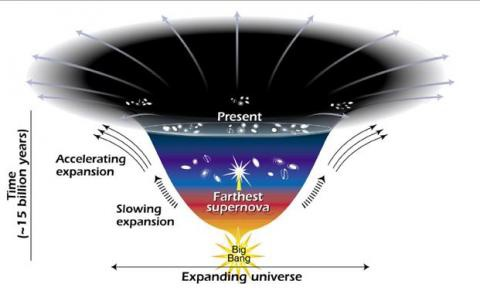
Ever since @JesseJenkins and colleagues work on a zero carbon US and this work by @DrChrisClack and colleagues on incorporating DER, I've been having the following set of thoughts about how to reduce the risk of failure in a US clean energy buildout. Bottom line is much more DER.
Rooftop solar can play a key role in a transition to 100% renewable energy - and it can help American's pocketbooks #GoSolarhttps://t.co/6p9jb62EGW
— Environment America (@EnvAm) January 14, 2021
More from Science



#DDDD $LBPS $LOAC
A thread on the potential near term catalysts behind why I have increased my position in 4d Pharma @4dpharmaplc (LON: #DDDD):

1) NASDAQ listing. This is the most obvious.
The idea behind this is that the huge pool of capital and institutional interest in the NASDAQ will enable a higher per-share valuation for #DDDD than was achievable in the UK.
Comparators to @4dpharmaplc #DDDD (market capitalisation £150m) on the NASDAQ and their market capitalisation:
Seres Therapeutics: $2.33bn = £1.72bn (has had a successful phase 3 C. difficile trial); from my previous research (below) the chance of #DDDD achieving this at least once is at least
Kaleido Biosciences: $347m = £256m. 4 products under consideration, compared to #DDDD's potential 16. When you view @4dpharmaplc's 1000+ patents and AI-driven MicroRx platform (not to mention their end-to-end manufacturing capability), 4d's undervaluation is clear.
A thread on the potential near term catalysts behind why I have increased my position in 4d Pharma @4dpharmaplc (LON: #DDDD):
1) NASDAQ listing. This is the most obvious.
The idea behind this is that the huge pool of capital and institutional interest in the NASDAQ will enable a higher per-share valuation for #DDDD than was achievable in the UK.
Comparators to @4dpharmaplc #DDDD (market capitalisation £150m) on the NASDAQ and their market capitalisation:
Seres Therapeutics: $2.33bn = £1.72bn (has had a successful phase 3 C. difficile trial); from my previous research (below) the chance of #DDDD achieving this at least once is at least
While looking at speculative pharmaceutical stocks I am reminded of why I am averse to these risky picks.#DDDD was compelling enough, though, to break this rule. The 10+ treatments under trial, industry-leading IP portfolio, and comparable undervaluation are inescapable.
— Shrey Srivastava (@BlogShrey) December 16, 2020
Kaleido Biosciences: $347m = £256m. 4 products under consideration, compared to #DDDD's potential 16. When you view @4dpharmaplc's 1000+ patents and AI-driven MicroRx platform (not to mention their end-to-end manufacturing capability), 4d's undervaluation is clear.

"The new answer to a 77-year-old problem"
😭
https://t.co/hm9NoaU4nr
https://t.co/8fKDiKjSWc
https://t.co/jkaicC1F2x
https://t.co/PpxWT4Jef4
😭
The new answer to a 77-year-old problem in data analysis, published today in @naturemethods. Instead of significance tests, use estimation graphics. Our software suite DABEST makes it easy for everyone to visualize effect sizes.https://t.co/UzwXJ7EUC5 pic.twitter.com/VtxyY0xaRM
— Adam Claridge-Chang (@adamcchang) June 19, 2019
https://t.co/hm9NoaU4nr
Open letter to journal editors: dynamite plots must die. Dynamite plots, also known as bar and line graphs, hide important information. Editors should require authors to show readers the data and avoid these plots. https://t.co/0GNKEIUCJL pic.twitter.com/OS9ytEFRZN
— Rafael Irizarry (@rafalab) February 22, 2019
https://t.co/8fKDiKjSWc
Couldn't find D3 code for grouped horisontal box plots that show data points so I made this @mbostock @thisisalfie https://t.co/cQjDPhyZdw pic.twitter.com/y6RNmDB2p3
— Ulrik Lyngs (@ulyngs) June 28, 2017
https://t.co/jkaicC1F2x
made a pkg for pirate plots in ggplot: add any of points/means/bars/CIs/violins \u2013 better than ye olde bar/box plotshttps://t.co/Z2m2kW3hsl pic.twitter.com/npAirPQexM
— Mika Braginsky (@mbraginsky) September 28, 2017
https://t.co/PpxWT4Jef4
See the new #PowerBI visual awesomeness for data points & sources, box-&-whisker plots! https://t.co/dOmgoxWfDE pic.twitter.com/HAUOAMJEJW
— Microsoft Power BI (@MSPowerBI) February 1, 2016

It's another stunning Malagasy #dartfrog/#poisonfrog for today's #FrogOfTheDay, #42 Mantella cowani Boulenger, 1882! A highly threatened, actively conserved and managed frog from the highlands of central #Madagascar
#MadagascarFrogs
📸D.Edmonds/CalPhotos
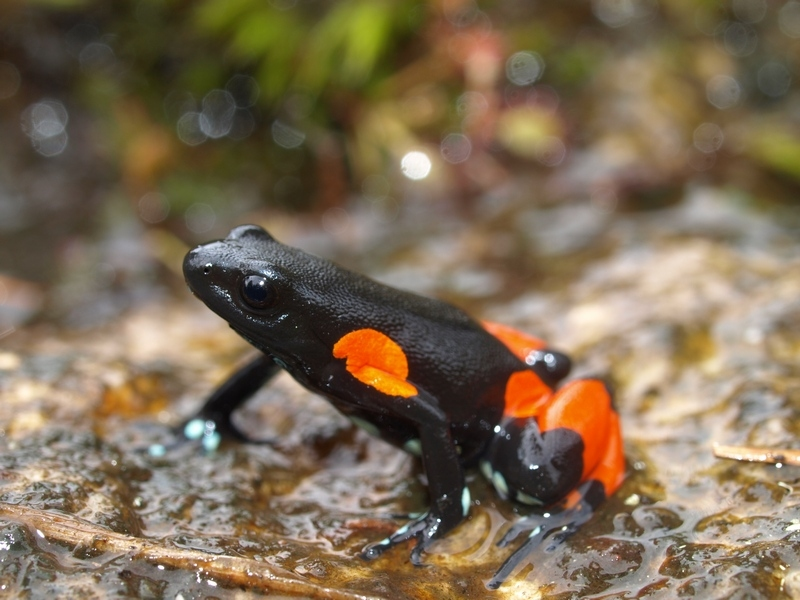
This thread will cover only a tiny fraction of the work on Mantella cowanii because, being so charismatic and threatened, it has received quite a bit of attention.
#MadagascarFrogs
We start at the very beginning: the first specimens, two females, were collected by Reverend Deans Cowan in East Betsileo, Madagascar, and sent to London, where George Albert Boulenger described the species in 1882.
#MadagascarFrogs
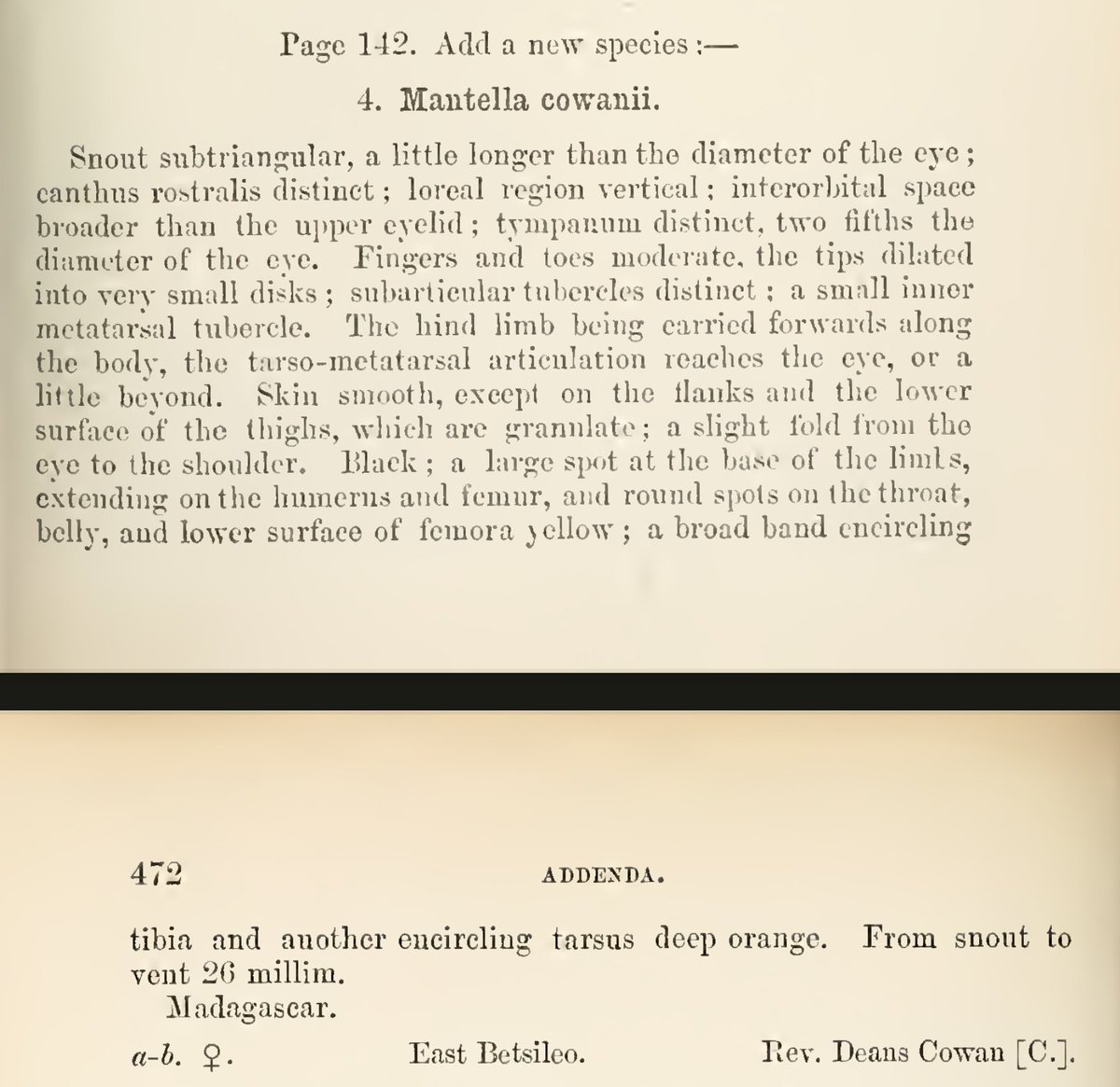
Boulenger placed the species in his new genus, Mantella, along with ebenaui, betsileo, and madagascariensis. He recognised that the other Malagasy poison frogs were distinct from the Dendrobates of the Americas, although he did keep them in the Dendrobatidae.
#MadagascarFrogs
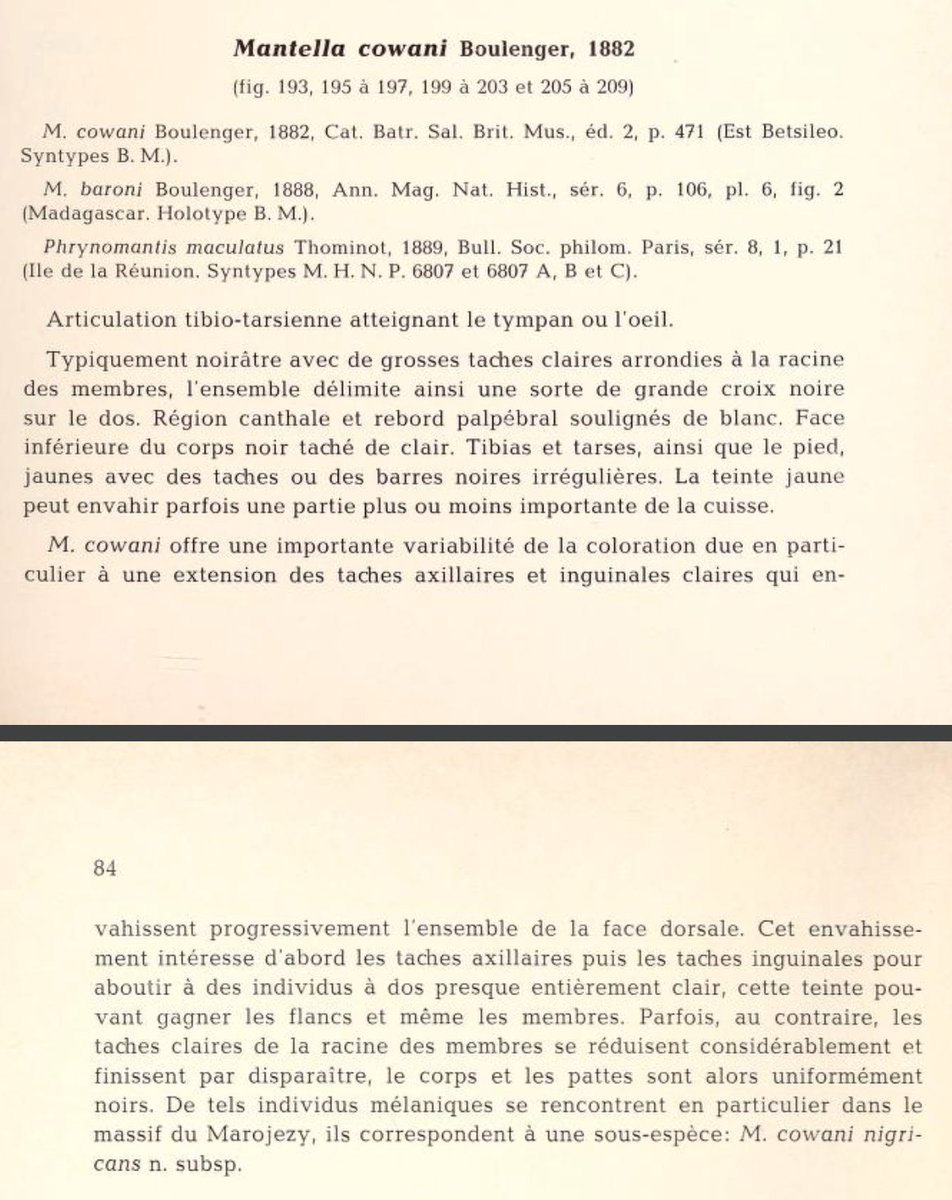
As more specimens were collected, it became clear that the species was highly variable. In 1978, Jean Guibé wrote with interest about this variability, describing a new subspecies, M. cowani nigricans—today a full species. #MadagascarFrogs
https://t.co/dwaHMbrYbj
#MadagascarFrogs
📸D.Edmonds/CalPhotos
This thread will cover only a tiny fraction of the work on Mantella cowanii because, being so charismatic and threatened, it has received quite a bit of attention.
#MadagascarFrogs
We start at the very beginning: the first specimens, two females, were collected by Reverend Deans Cowan in East Betsileo, Madagascar, and sent to London, where George Albert Boulenger described the species in 1882.
#MadagascarFrogs
Boulenger placed the species in his new genus, Mantella, along with ebenaui, betsileo, and madagascariensis. He recognised that the other Malagasy poison frogs were distinct from the Dendrobates of the Americas, although he did keep them in the Dendrobatidae.
#MadagascarFrogs
As more specimens were collected, it became clear that the species was highly variable. In 1978, Jean Guibé wrote with interest about this variability, describing a new subspecies, M. cowani nigricans—today a full species. #MadagascarFrogs
https://t.co/dwaHMbrYbj