
AGI Significance Paradox: As progress accelerates towards AGI, the number of people who realize the significance of each new breakthrough decreases.
More from Carlos E. Perez
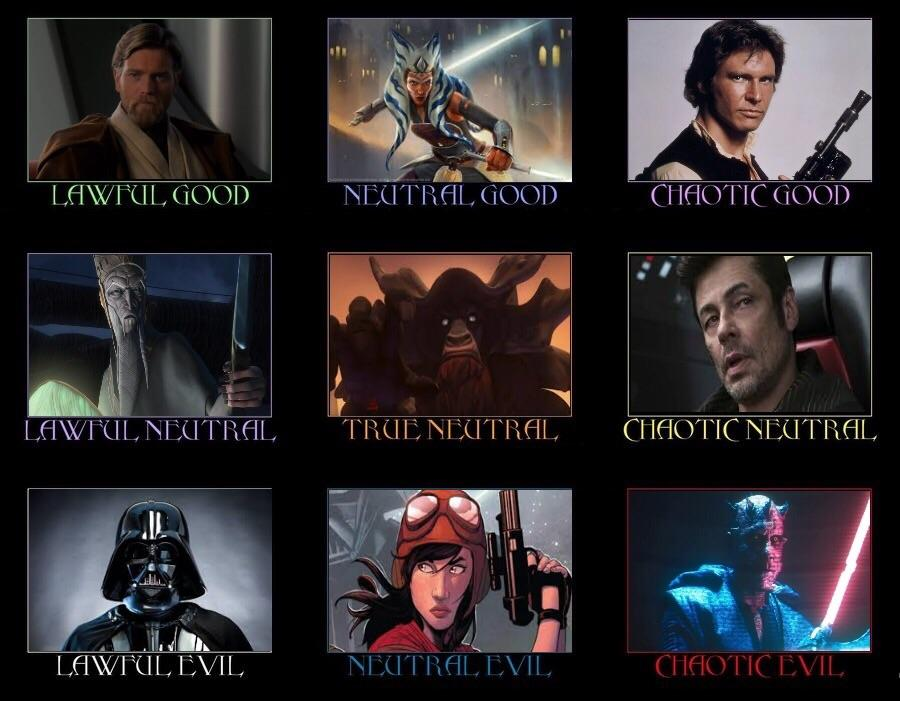
Programming in abstractions is very different from a system that is capable of its own 'abstracting'. But what does abstracting mean? We only know of its inputs and outputs, but we fail to describe its inner workings.
I like this short video about living in space. This is because it makes you realize the gaps in your knowledge when you turn off something (i.e. gravity) that you have always assumed to be present.
Perhaps we can understand 'abstracting' better if we turn of many assumptions that we unconsciously carry around. Perhaps we need to get rid of the excess baggage that is confusing our thinking about abstraction.
Turning off gravity and living in space is a perfect analogy. We somehow have to turn off a cognitive process to understand the meaning of abstraction.
The first step to divorce ourselves from our habitual cognitive processes is to realize the pervasiveness of 'noun-thinking' .
I like this short video about living in space. This is because it makes you realize the gaps in your knowledge when you turn off something (i.e. gravity) that you have always assumed to be present.
What does living in space do to the human body? pic.twitter.com/kzIlEEr7pp
— Tech Insider (@techinsider) December 20, 2020
Perhaps we can understand 'abstracting' better if we turn of many assumptions that we unconsciously carry around. Perhaps we need to get rid of the excess baggage that is confusing our thinking about abstraction.
Turning off gravity and living in space is a perfect analogy. We somehow have to turn off a cognitive process to understand the meaning of abstraction.
The first step to divorce ourselves from our habitual cognitive processes is to realize the pervasiveness of 'noun-thinking' .
More from Science





You May Also Like


THREAD PART 1.
On Sunday 21st June, 14 year old Noah Donohoe left his home to meet his friends at Cave Hill Belfast to study for school. #RememberMyNoah💙
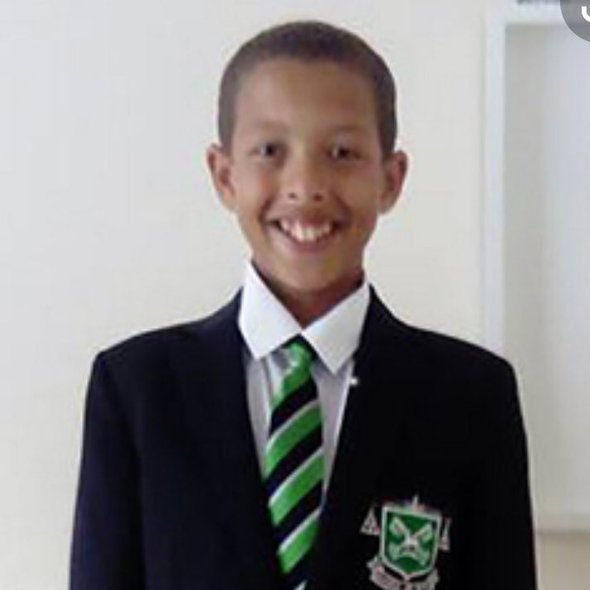
He was on his black Apollo mountain bike, fully dressed, wearing a helmet and carrying a backpack containing his laptop and 2 books with his name on them. He also had his mobile phone with him.
On the 27th of June. Noah's naked body was sadly discovered 950m inside a storm drain, between access points. This storm drain was accessible through an area completely unfamiliar to him, behind houses at Northwood Road. https://t.co/bpz3Rmc0wq
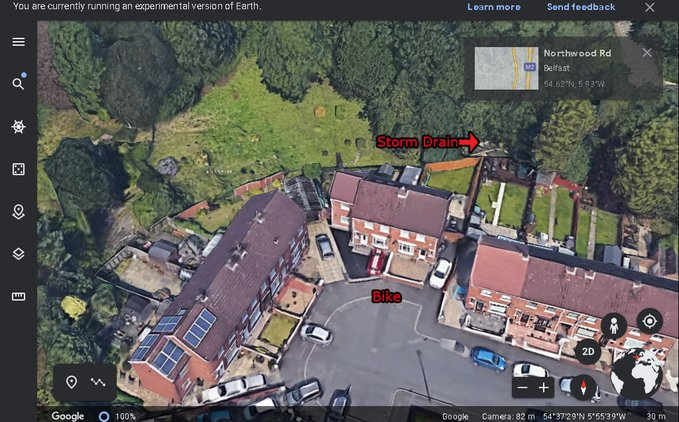
"Noah's body was found by specially trained police officers between two drain access points within a section of the tunnel running under the Translink access road," said Mr McCrisken."
Noah's bike was also found near a house, behind a car, in the same area. It had been there for more than 24 hours before a member of public who lived in the street said she read reports of a missing child and checked the bike and phoned the police.
On Sunday 21st June, 14 year old Noah Donohoe left his home to meet his friends at Cave Hill Belfast to study for school. #RememberMyNoah💙
He was on his black Apollo mountain bike, fully dressed, wearing a helmet and carrying a backpack containing his laptop and 2 books with his name on them. He also had his mobile phone with him.
On the 27th of June. Noah's naked body was sadly discovered 950m inside a storm drain, between access points. This storm drain was accessible through an area completely unfamiliar to him, behind houses at Northwood Road. https://t.co/bpz3Rmc0wq
"Noah's body was found by specially trained police officers between two drain access points within a section of the tunnel running under the Translink access road," said Mr McCrisken."
Noah's bike was also found near a house, behind a car, in the same area. It had been there for more than 24 hours before a member of public who lived in the street said she read reports of a missing child and checked the bike and phoned the police.


