What does this have to do with steel?
Did you know that all the nuclear bombs we exploded in the '40s-50s-60s have permanently contaminated all the steel the world has produced since then? All steel in the world is divided into two categories: pre-1945 non-contaminated steel, and post-1945 contaminated steel.
How?
What does this have to do with steel?
So we need pre-1945 steel
We go, find pre-World-War-II sunken shipwrecks, and then salvage the steel (and lead) from those to build our instruments which need heavy radiation shielding.
Apparently, this Cesium-137 test is used in practice to detect wine and art forgery https://t.co/51nqVfWb7W
— Shreyas Panhalkar (@achillesHeelV2) March 9, 2021
https://t.co/nzmZGSKPe3
Does that mean the entire population of earth which is breathing this air for atmospheric oxygen is also inhaling Conalt-60?
— Pradeep Hardikar (@PradeepHardikar) March 9, 2021
More from Science


💥💥 Situation Update, Dec. 7th – DNI John Ratcliffe, the bogus science of PCR testing and China’s GMO super soldiers
✅ I cover the bogus science behind PCR testing, explaining from a lab science point of view why no PCR instrument can “quantify” anything,
[M. Adams]

1. whether it’s a coronavirus viral load or the percentage of a food that’s GMO. In fact, literally all the tests currently conducted with PCR equipment are scientifically invalid when it comes to diagnosing illness or determining infectiousness. The sample acquisition used for
2. PCR tests — nasal swabs — aren’t even standardized! (100% bogus junk science).
After covering PCR tests, today’s update then goes into detail about Director of National Intelligence (DNI) John Ratcliffe, pointing out that he will be issuing a report on foreign interference
3. in U.S. elections on or before Dec. 18th. If this report confirms the existence of foreign interference that was capable of altering the outcome of the election, it gives President Trump full justification to declare the election null and void and dispatch military troops
4. to seize all ballots and hold a new count under military authority.
👉 Podcast notes and sources:
The office of military commissions has cleared its calendar for December:
https://t.co/u4nFRiUj8m
US military STOCKPILED Pfizer’s mRNA vaccineBEFORE it was approved by theFDA
✅ I cover the bogus science behind PCR testing, explaining from a lab science point of view why no PCR instrument can “quantify” anything,
[M. Adams]
1. whether it’s a coronavirus viral load or the percentage of a food that’s GMO. In fact, literally all the tests currently conducted with PCR equipment are scientifically invalid when it comes to diagnosing illness or determining infectiousness. The sample acquisition used for
2. PCR tests — nasal swabs — aren’t even standardized! (100% bogus junk science).
After covering PCR tests, today’s update then goes into detail about Director of National Intelligence (DNI) John Ratcliffe, pointing out that he will be issuing a report on foreign interference
3. in U.S. elections on or before Dec. 18th. If this report confirms the existence of foreign interference that was capable of altering the outcome of the election, it gives President Trump full justification to declare the election null and void and dispatch military troops
4. to seize all ballots and hold a new count under military authority.
👉 Podcast notes and sources:
The office of military commissions has cleared its calendar for December:
https://t.co/u4nFRiUj8m
US military STOCKPILED Pfizer’s mRNA vaccineBEFORE it was approved by theFDA

@mugecevik is an excellent scientist and a responsible professional. She likely read the paper more carefully than most. She grasped some of its strengths and weaknesses that are not apparent from a cursory glance. Below, I will mention a few points some may have missed.
1/
The paper does NOT evaluate the effect of school closures. Instead it conflates all ‘educational settings' into a single category, which includes universities.
2/
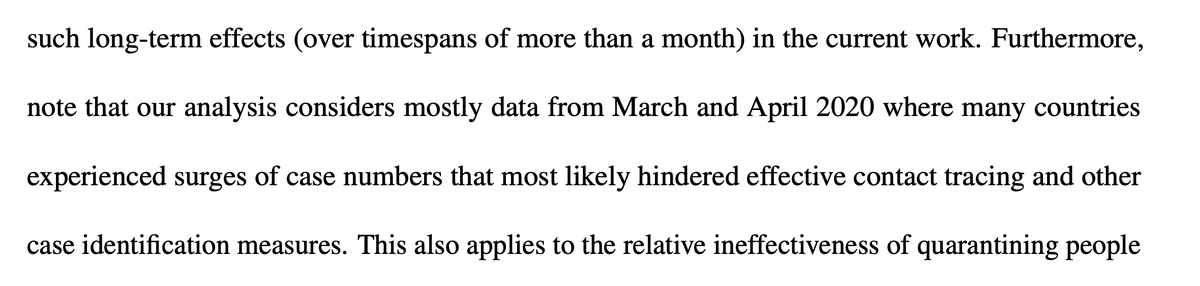
The paper primarily evaluates data from March and April 2020. The article is not particularly clear about this limitation, but the information can be found in the hefty supplementary material.
3/
The authors applied four different regression methods (some fancier than others) to the same data. The outcomes of the different regression models are correlated (enough to reach statistical significance), but they vary a lot. (heat map on the right below).
4/
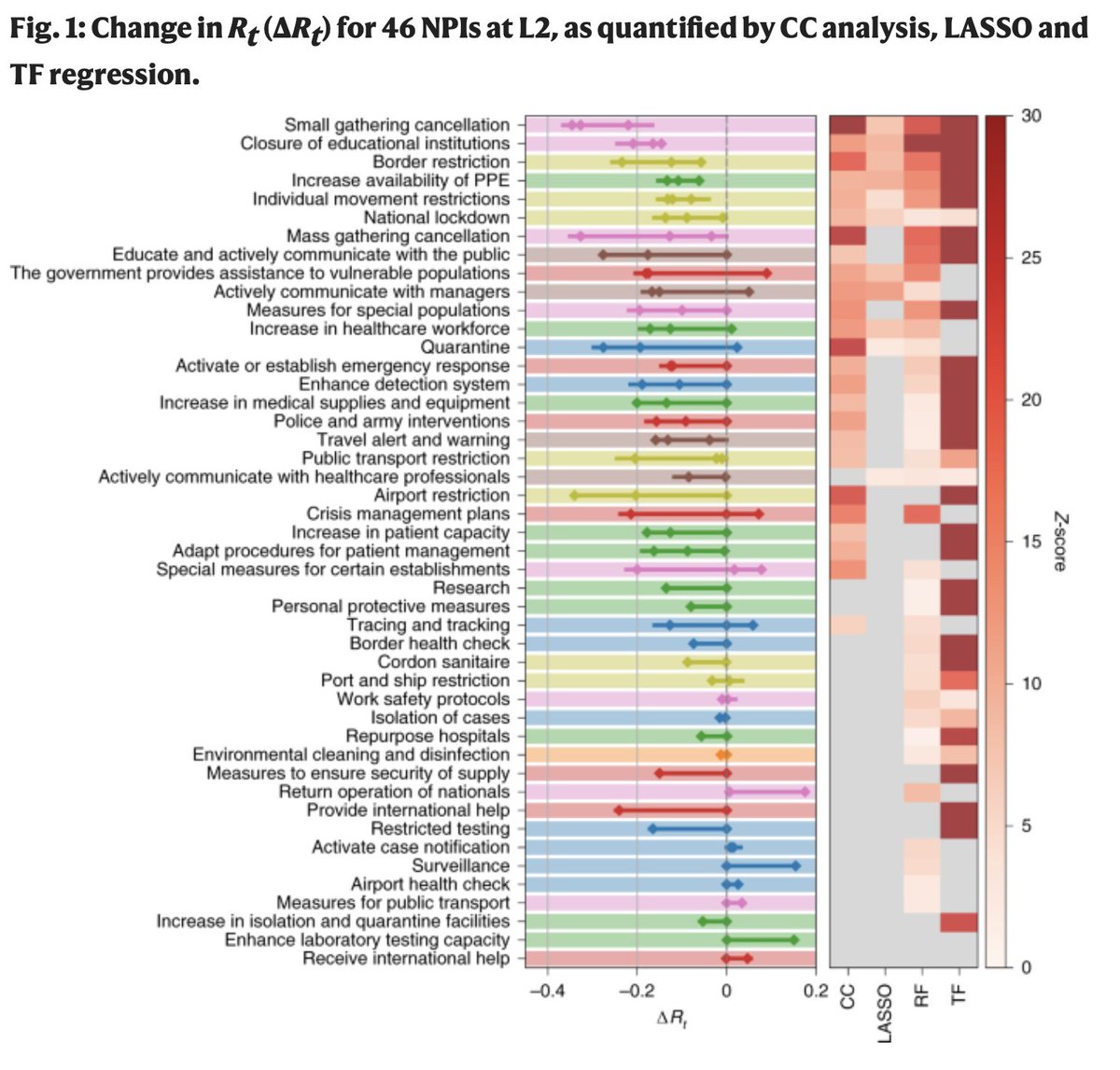
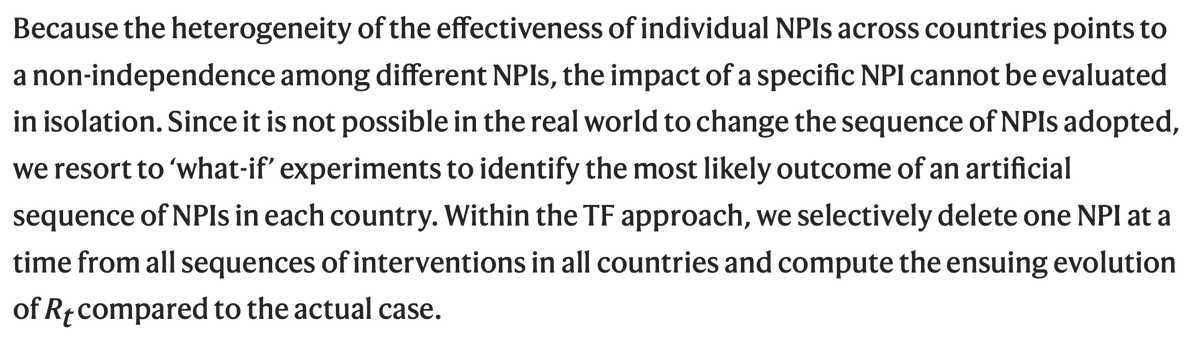
The effect of individual interventions is extremely difficult to disentangle as the authors stress themselves. There is a very large number of interventions considered and the model was run on 49 countries and 26 US States (and not >200 countries).
5/
1/
I've recently come across a disinformation around evidence relating to school closures and community transmission that's been platformed prominently. This arises from flawed understanding of the data that underlies this evidence, and the methodologies used in these studies. pic.twitter.com/VM7cVKghgj
— Deepti Gurdasani (@dgurdasani1) February 1, 2021
The paper does NOT evaluate the effect of school closures. Instead it conflates all ‘educational settings' into a single category, which includes universities.
2/
The paper primarily evaluates data from March and April 2020. The article is not particularly clear about this limitation, but the information can be found in the hefty supplementary material.
3/
The authors applied four different regression methods (some fancier than others) to the same data. The outcomes of the different regression models are correlated (enough to reach statistical significance), but they vary a lot. (heat map on the right below).
4/
The effect of individual interventions is extremely difficult to disentangle as the authors stress themselves. There is a very large number of interventions considered and the model was run on 49 countries and 26 US States (and not >200 countries).
5/