
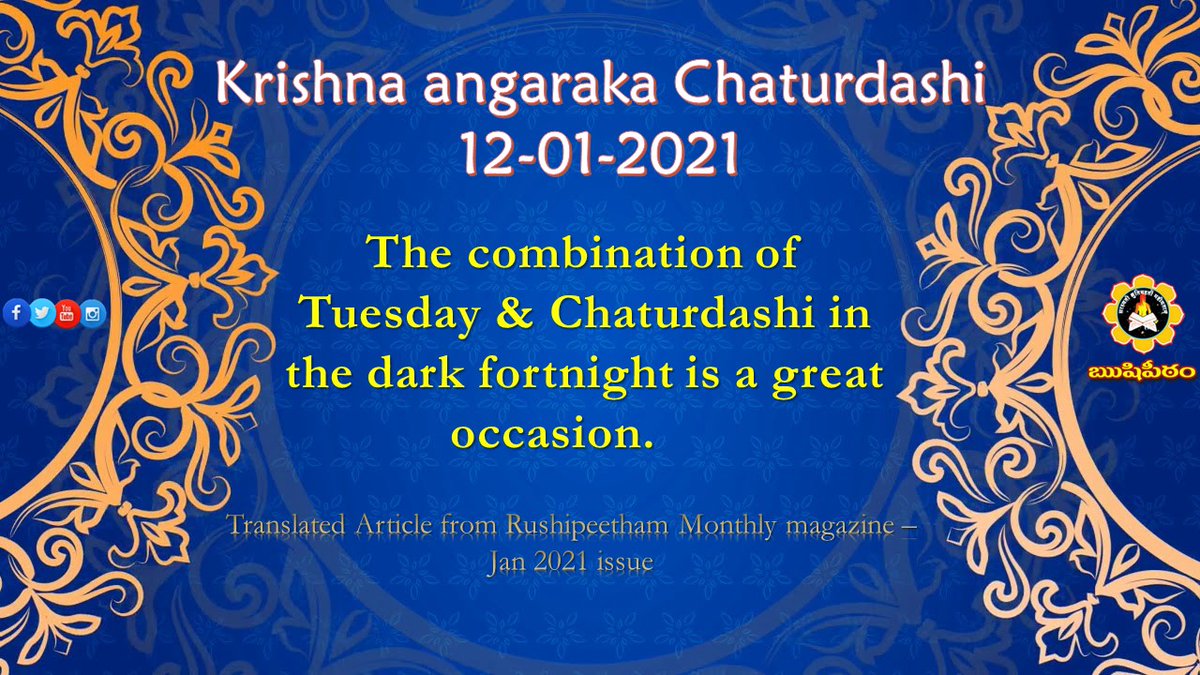
significance & worship to be performed on a rare combination occurring Jan 12th
In the culture of Bhāratadēśa, ‘Time’ has great significance. Tithis, days of the week, stars – everything has its own distinction. All the beings are bound by time and time is in the control of God.
विरिन्चिशक्रविष्णूनां मनुष्याणां तु का कथा ।
तेन त्वं सर्वसत्त्वेन ग्रहराजो महाबलः॥
Not only present as one among the nine planets, Aṅgāraka..
पुरा तपस्यतः शम्भोर्दाक्षायण्या वियोगतः ।
भालस्थलात्पपातैकः स्वेदबिन्दुर्महीतले ॥
स्नेहसम्बन्धिनः सोఽथ धात्र्या धात्रीस्वरूपया ॥
माहेय इत्यतः ख्यातिं परामेष गतः सदा ।
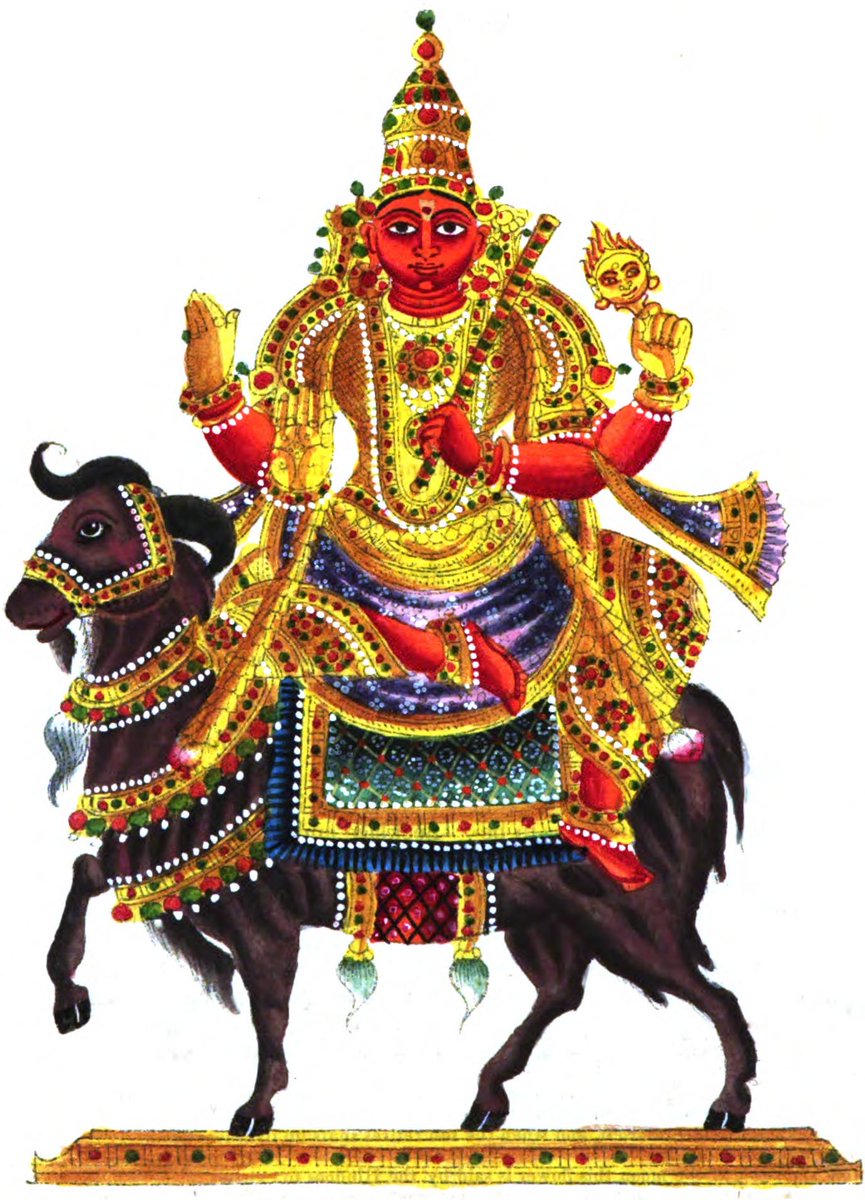
Skānda Purāṇa mentions that a waterdrop fell on the earth from Paramēśwara deeply immersed in tapas from which came a red-complexioned boy.
Śiva also gave him a position equal to His sons Hēramba and Ṣaṇmukha.
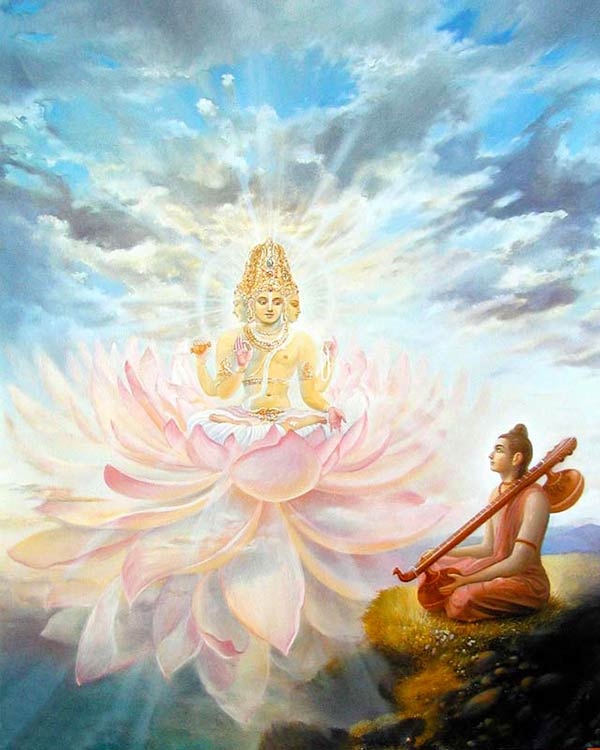
Brahma tells Nārada
सर्वेषां भूमिसम्बन्धमस्तिते नात्रसन्शयः।
ऋर्णानुबन्धरूपेण पशुपत्नीसुतादयाः॥
अन्योन्यं सुखदुःखादिहेतुरित्यवधारय।
किन्तु सर्वऋणध्वन्सं भविष्यति कुजार्चनात्॥
कुजः कुमारो भगवानसौ सन्मङ्गलात्मकः॥
The moment a human being is born, debts related to earth are formed, due to which spouse, children, and other bondages occur. These bondages give both pleasure and pain.
Aṅgāraka is also known as ‘Mangaḷa’, since he bestows auspiciousness, Kuja since he is ja – born to Ku – Earth.
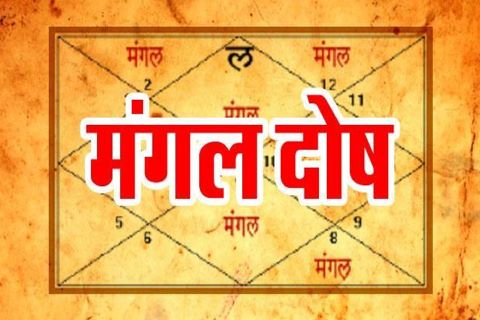
Worship of Gaṇapati on a day when there is a combination of Tuesday and Caviti tithi is auspicious, as this is ‘Alabhya Yōga’, and bestows the grace of Kuja.
Though Kuja is not favorable now due to some actions performed in previous births, he is very compassionate and bestows his grace with small remedies.
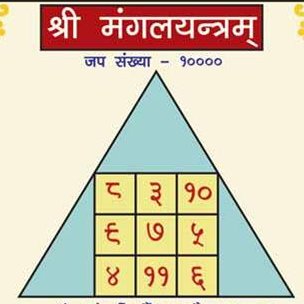
Worship of Kuja Yantra is done on par with the Yantras of deities.
This Yantra has nine squares in which the sum of any three numbers will be 21.

Hence, it is mentioned in Bhaviṣyōttara Purāṇa that performing circum-ambulation 21 times is essential to obtain the grace of the God.
There are many stōtrās related to Aṅgāraka
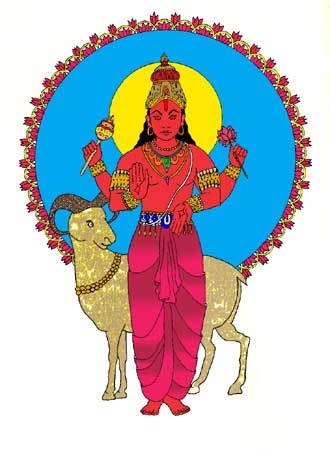
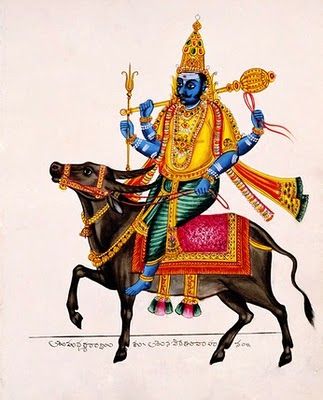
त्रिभुजाकारमण्डले रक्तचन्दन प्रतिमायां भगवन्तं अङ्गारकं अग्न्याक्रितिम्।
दक्षिणाभिमुखं रक्तवर्णं शक्तिशूलगदा खड्गधर चतुर्भुजं मेषरथवाहनं॥
Dakṣiṇābhimukhaṁ – This sign symbolizes the ability to give knowledge. One acquires knowledge with the worship of Kuja.
‘Divyaughādi gurukaṭākṣānugrahapātraṁ’ i.e. the grace of Kuja bestows the grace of Divyaugha, Siddhaugha , and Mānavaugha congregations of Gurus.
On any day, especially on this day, one should offer arghya with water in a copper pot mixed with red sandalwood, red flowers, and akṣata sitting on the knees chanting the following :-
ऋणार्तस्त्वां प्रपन्नोस्मि ग्हाणार्घ्यं नमोस्तुते ॥
प्रसीद देवदेवेश विघ्नहारिन् धरात्मज ।
ग्रिहाणार्घ्यं मया दत्तं मम शान्तिप्रदो भव ॥
रक्तप्रवाऌअसङ्काश जपाकुसुमसन्निभ ।
महीसुत महाबाहो ग्रिहाणार्घ्यं नमोस्तुते ॥
ऋणार्तस्त्वां प्रसन्नोस्ति ग्रिहाणार्घ्यं नमोस्तुते ॥
After offering arghya four times like this, one should perform circum-ambulation 21 times to obtain the grace of Kuja.
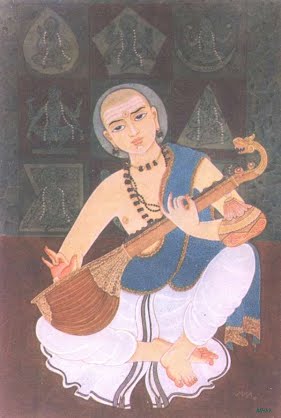
Śrī Muttuswāmi Dīkṣitār described the tattva & form of Aṅgāraka
‘raktāṅgaṁ raktāmbarādidharaṁ śaktiśūladharaṁ maṅgaḷaṁ kambukaḷaṁ man̄julatarapadayugaḷaṁ .....
mandasmita vilasitavaktraṁ...
jānusthahastacitraṁ caturbhujamativicitraṁ’

More from Brahmasri Samavedam Shanmukha Sarma








More from Religion






You May Also Like




Following @BAUDEGS I have experienced hateful and propagandist tweets time after time. I have been shocked that an academic community would be so reckless with their publications. So I did some research.
The question is:
Is this an official account for Bahcesehir Uni (Bau)?

Bahcesehir Uni, BAU has an official website https://t.co/ztzX6uj34V which links to their social media, leading to their Twitter account @Bahcesehir
BAU’s official Twitter account

BAU has many departments, which all have separate accounts. Nowhere among them did I find @BAUDEGS
@BAUOrganization @ApplyBAU @adayBAU @BAUAlumniCenter @bahcesehirfbe @baufens @CyprusBau @bauiisbf @bauglobal @bahcesehirebe @BAUintBatumi @BAUiletisim @BAUSaglik @bauebf @TIPBAU
Nowhere among them was @BAUDEGS to find

The question is:
Is this an official account for Bahcesehir Uni (Bau)?
Bahcesehir Uni, BAU has an official website https://t.co/ztzX6uj34V which links to their social media, leading to their Twitter account @Bahcesehir
BAU’s official Twitter account
BAU has many departments, which all have separate accounts. Nowhere among them did I find @BAUDEGS
@BAUOrganization @ApplyBAU @adayBAU @BAUAlumniCenter @bahcesehirfbe @baufens @CyprusBau @bauiisbf @bauglobal @bahcesehirebe @BAUintBatumi @BAUiletisim @BAUSaglik @bauebf @TIPBAU
Nowhere among them was @BAUDEGS to find
