
Doubly so for nocturnal births, but important for all. Al Khayyat, Mashallah, and Sahl interpreted the Moon through its placement in the signs.
The Moon is one of the most important placements in a person’s birth chart. In astrology from the Islamic world, the Moon is central after the Ascendant for determining the character and nature of a person.
A thread on the Moon and its meanings-
Doubly so for nocturnal births, but important for all. Al Khayyat, Mashallah, and Sahl interpreted the Moon through its placement in the signs.
Headaches and vertigo are common as is fights with friends.
They find joy in partnerships and leisure and food.
They speak truthful things though not always believed.
Though cautious they are champions of their loved ones and children.
They will be temperamental and seek out the attention of women.
Love sickness is common as is fixedness to point of obsession.
Their relatives will turn to them for favors.
These 28 stations were calculated based on exact degree boundaries within the sign.
It likely made its way into the Arabian world via Yemen where they are still used in agriculture.
Each lunar mansion was associated with a letter, a sacred sound at the heart of creation itself.
These spheres were animated by the Intelligences, 10 in total.
Venus’ Aql was Natural Intellect, or imaginative (Khayal), Mercury’s Aql was Reasoning Intellect, or thought (Fikr) together they were then ensouled by the Moon (nafs).
The process of which is Revelation.
All fascinatingly connected
Within this philosophical cosmology we see the rationale for astrology itself, the ensouling of the spheres in the human body and spirit.
More from Religion


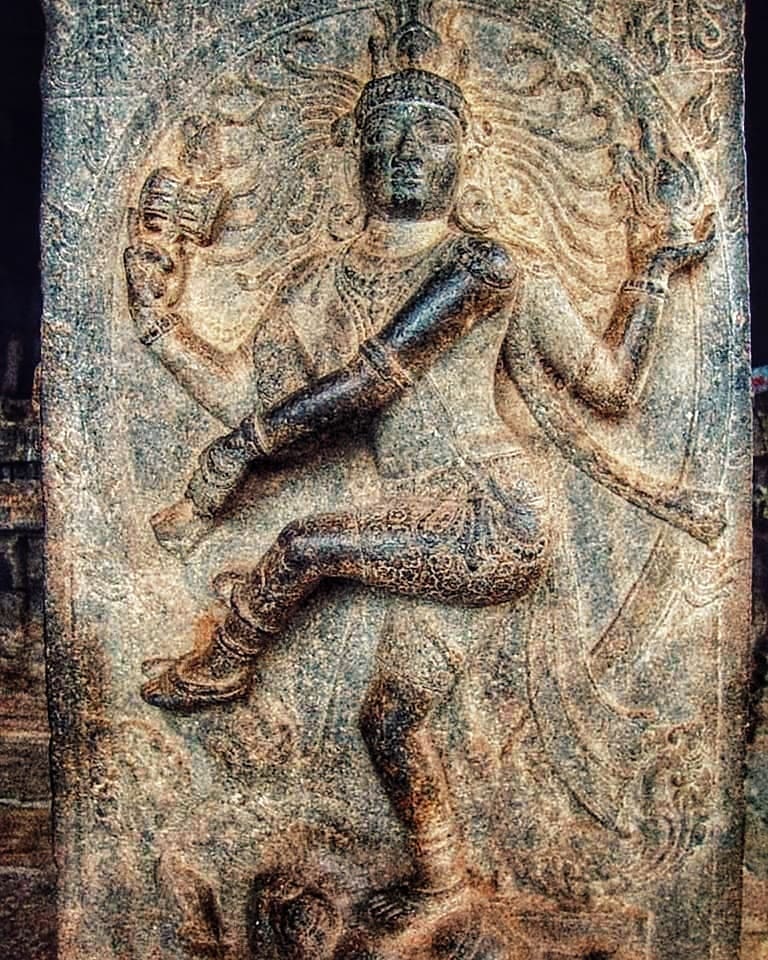


#BookExcerpts #Venkateshwara #Balaji
I will write a 3 part thread series with some interesting points from this book.
Part-1 : History of Tirumala & Venkateshwara Swamy
Part-2: Rituals & Prasada Procedure
Part-3: Historical records
Part-1 thread below
1/
Venkatachala Hill
Maha Vishnu wished for the mountain Krida / Krida Parvatham / Kridhachalam from Vaikunta to be brought to the earth for his avataram.
This was brought to earth by Garuda and Ananta & placed it on banks of river Swarna Mukhi
2/
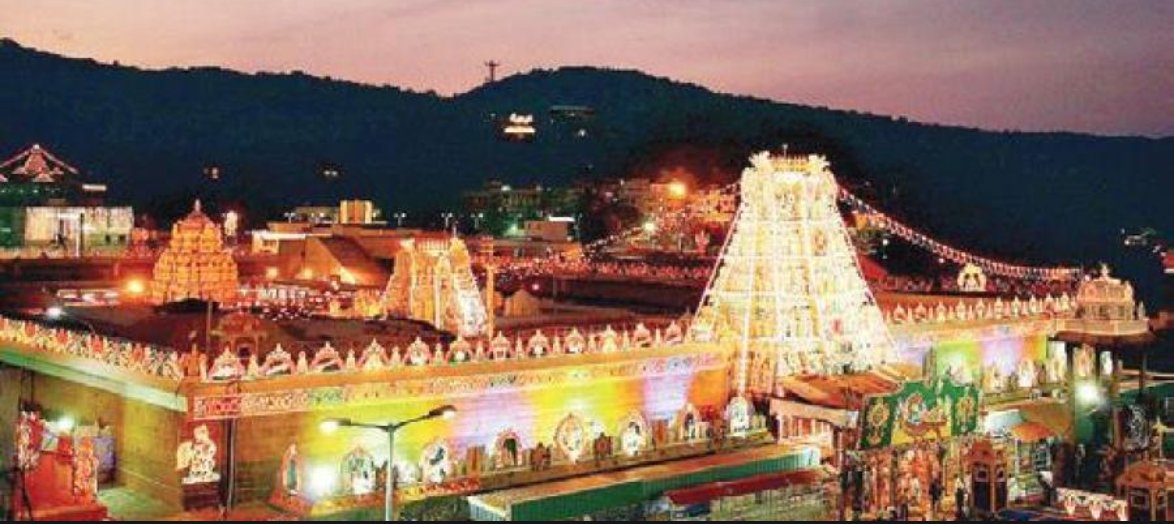
This is where current Tirumala temple is located. The fact that this was transported from Vaikunta is apparently a scientifically proven fact.
The scientific dating of the sedimentary rocks have confirmed the date to be around 120 million years ago..
3/
This timeline coincides with Swayambhu Manu manvanthara of the Sweta Varaha Kalpa which is the time when Swamy descended on earth in the form of Venkateshwara Swamy.
From a survey of flora and fauna, they have found rare species of plants & animals like golden gecko..
4/
that are exclusive to this hill range only and not found anywhere else in the world.
Tirumala hills are a range of 7 hills
1. Seshachala
2. Vedachala
3. Garudachala
4. Anjanachala
5. Vrishabhachala
6. Narayanachala
7. Venkatachala --> Where temple is present
5/
I will write a 3 part thread series with some interesting points from this book.
Part-1 : History of Tirumala & Venkateshwara Swamy
Part-2: Rituals & Prasada Procedure
Part-3: Historical records
Part-1 thread below
1/
#Books
— GunduHuduga| \u0c97\u0cc1\u0c82\u0ca1\u0cc1 \u0cb9\u0cc1\u0ca1\u0cc1\u0c97|\U0001f549 (@GunduHuDuGa) January 14, 2021
Thanks to Niranjan Raman again for this wonderful recommendation
Tirumala - Sacred Foods of God pic.twitter.com/dwiZDPI7W0
Venkatachala Hill
Maha Vishnu wished for the mountain Krida / Krida Parvatham / Kridhachalam from Vaikunta to be brought to the earth for his avataram.
This was brought to earth by Garuda and Ananta & placed it on banks of river Swarna Mukhi
2/
This is where current Tirumala temple is located. The fact that this was transported from Vaikunta is apparently a scientifically proven fact.
The scientific dating of the sedimentary rocks have confirmed the date to be around 120 million years ago..
3/
This timeline coincides with Swayambhu Manu manvanthara of the Sweta Varaha Kalpa which is the time when Swamy descended on earth in the form of Venkateshwara Swamy.
From a survey of flora and fauna, they have found rare species of plants & animals like golden gecko..
4/
that are exclusive to this hill range only and not found anywhere else in the world.
Tirumala hills are a range of 7 hills
1. Seshachala
2. Vedachala
3. Garudachala
4. Anjanachala
5. Vrishabhachala
6. Narayanachala
7. Venkatachala --> Where temple is present
5/
You May Also Like






Joe Rogan's podcast is now is listened to 1.5+ billion times per year at around $50-100M/year revenue.
Independent and 100% owned by Joe, no networks, no middle men and a 100M+ people audience.
👏
https://t.co/RywAiBxA3s
Joe is the #1 / #2 podcast (depends per week) of all podcasts
120 million plays per month source https://t.co/k7L1LfDdcM

https://t.co/aGcYnVDpMu

Independent and 100% owned by Joe, no networks, no middle men and a 100M+ people audience.
👏
https://t.co/RywAiBxA3s
Joe is the #1 / #2 podcast (depends per week) of all podcasts
120 million plays per month source https://t.co/k7L1LfDdcM
https://t.co/aGcYnVDpMu


