
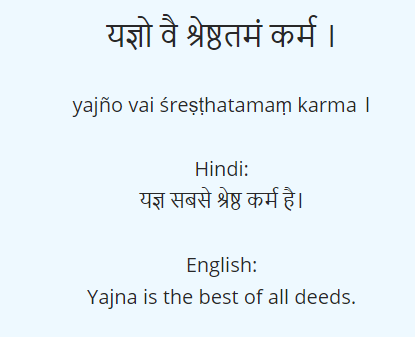
Yajna is elaborately described in Yajurveda. In Yajurveda, Yajna is the greatest among all works (Karman). One can purify his /her soul by performing Yajna.
THE SCIENCE BEHIND YAJNA
Fire is, of course, one of the greatest discovery of mankind. Our control over the fire dramatically changed the entire human habits; earlier it was used to cook food, protection from animals and to stay warm.
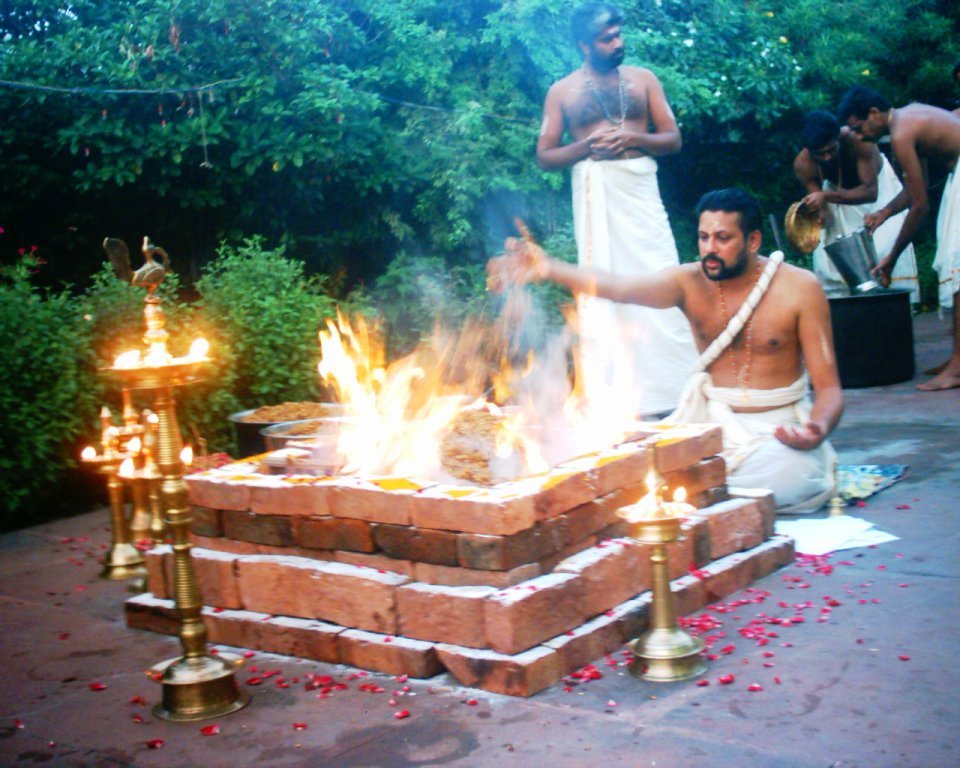
Yajna is elaborately described in Yajurveda. In Yajurveda, Yajna is the greatest among all works (Karman). One can purify his /her soul by performing Yajna.
As we said; Yajna is the contact medium for gods and
There are many types of Yajna performed by Hindus for e.g.,
1. Rajsuya Yajna
2. Ashwamedha Yajna
3. Chaaturmasya Yajna
4. Vaajpey Yajna
5. Purushmedha Yajna
6. Sarvamedha Yajna
Scientific overview of Yajna
We all know that the energy can neither be produced nor be destroyed but it can be transformed into one form to another form.
The aroma of Yajna– it can be sensed from a significant distance because of heat in Yajna helps in the diffusion of vaporized particles into our surroundings.
Environmental purification- scientists proved that the place where Yajna is performed regularly, physical ailments, sickness, and diseases occur
Sanskrit- all the words from Sanskrit contain some sort of vibrations and set a harmonious pattern to the sound wave constitute a great amount of energy. For example, chanting Gayatri Mantra can produce more than 10000 sound waves per second.
Yajna teaches us 3 important things which are very practical in daily life
The habit of donation– “इदं न मम” (idam na mama) simply means is “it is not mine”. At the end of all offerings, the words are chanted as idam na mama. This teaches a man is that nothing
The notorious nature of life– the end for everyone is the same; no matter who you are or what you have, at the end of your life, you will not be more than a handful of ashes. Yajna reminds us that no matter how high or how hot the
More from AKASH



More from Religion









just a my thought...
❶/12 Roughly speaking, primitive Buddhism was about liberation from the inner suffering of the ordained individual. In contrast, Mahayana Buddhism, especially the teachings of the Lotus Sutra, emphasises 'the salvation of all people, together'.
❷/12 In short, people of Mahayana Buddhism do Practice as Bodhisattva for all in the secular world. Strictly, these are different religions, and primitive Buddhism is not well suited to being associated with the state or secular communities.
❸/12 I believe that if anti-secular primitive Buddhism had arrived in ancient Japan it would not have spread very far. In Japan, where rice cultivation is very important, the idea of destroying the community would have been a threat of people's survival.
❹/12 By the way, it's perhaps inevitable that the purity of the teachings will diminish depending on how they are disseminated in society. In other words, I think that, roughly speaking, what develops away from the original form can even become a civilization.
❺/12 But anything that significantly reduces the quality of the original should be called a degeneration. I think that Christian civilization, although flawed, has built a civilization in tension.
❶/12 Roughly speaking, primitive Buddhism was about liberation from the inner suffering of the ordained individual. In contrast, Mahayana Buddhism, especially the teachings of the Lotus Sutra, emphasises 'the salvation of all people, together'.
Bodhisattva is also important for understanding the Japanese. It was a very developed in Mahayana Buddhism. Liberators keep putting off and dedicating until all people are saved. This is an ideal prototype. But this devoted tradition is disappearing under the Weimar Constitution. https://t.co/uBTcwOjlWt
— Atsumori \u6566\u76db (@atsumori5834) January 9, 2020
❷/12 In short, people of Mahayana Buddhism do Practice as Bodhisattva for all in the secular world. Strictly, these are different religions, and primitive Buddhism is not well suited to being associated with the state or secular communities.
❸/12 I believe that if anti-secular primitive Buddhism had arrived in ancient Japan it would not have spread very far. In Japan, where rice cultivation is very important, the idea of destroying the community would have been a threat of people's survival.
❹/12 By the way, it's perhaps inevitable that the purity of the teachings will diminish depending on how they are disseminated in society. In other words, I think that, roughly speaking, what develops away from the original form can even become a civilization.
❺/12 But anything that significantly reduces the quality of the original should be called a degeneration. I think that Christian civilization, although flawed, has built a civilization in tension.
You May Also Like






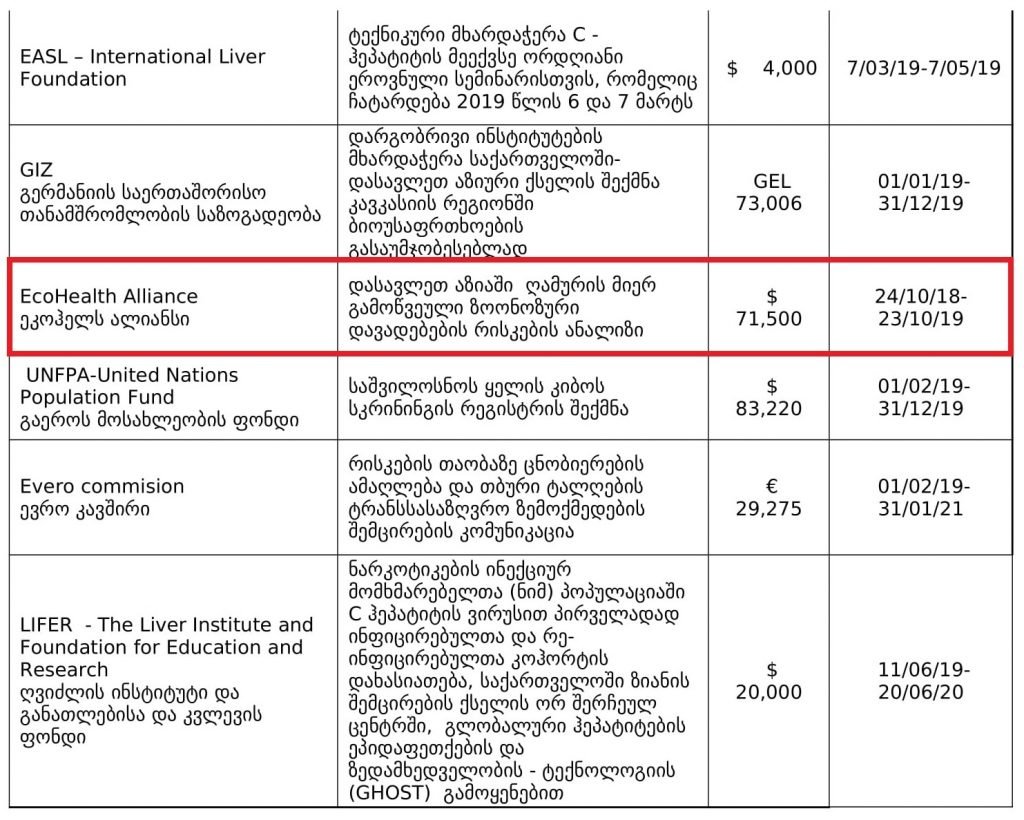
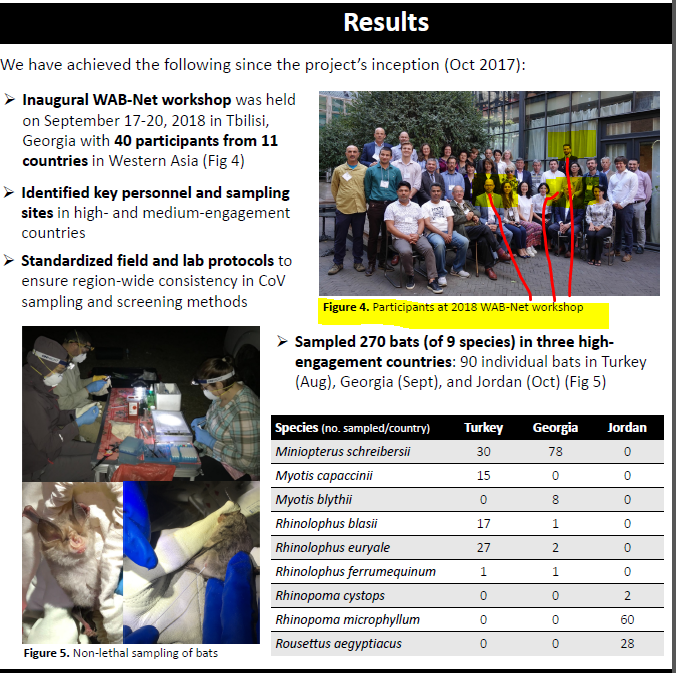
1. Project 1742 (EcoHealth/DTRA)
Risks of bat-borne zoonotic diseases in Western Asia
Duration: 24/10/2018-23 /10/2019
Funding: $71,500
@dgaytandzhieva
https://t.co/680CdD8uug
2. Bat Virus Database
Access to the database is limited only to those scientists participating in our ‘Bats and Coronaviruses’ project
Our intention is to eventually open up this database to the larger scientific community
https://t.co/mPn7b9HM48
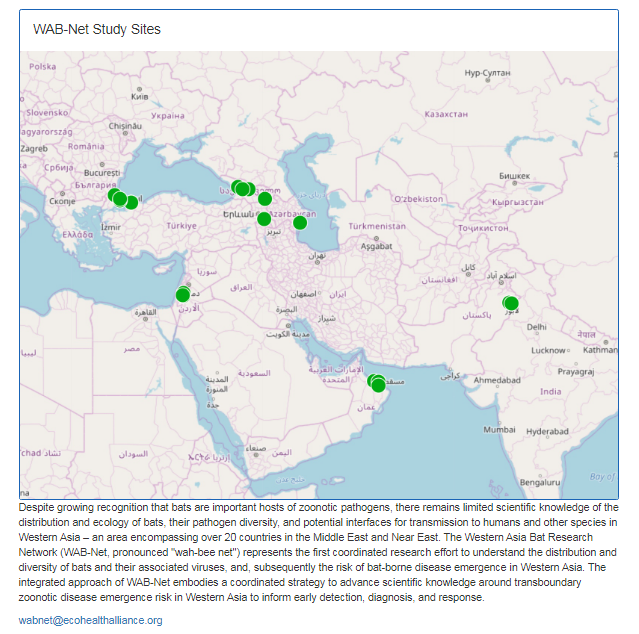
3. EcoHealth Alliance & DTRA Asking for Trouble
One Health research project focused on characterizing bat diversity, bat coronavirus diversity and the risk of bat-borne zoonotic disease emergence in the region.
https://t.co/u6aUeWBGEN
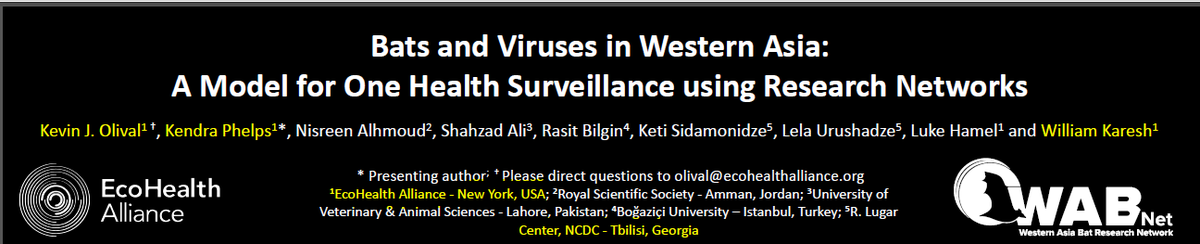
4. Phelps, Olival, Epstein, Karesh - EcoHealth/DTRA
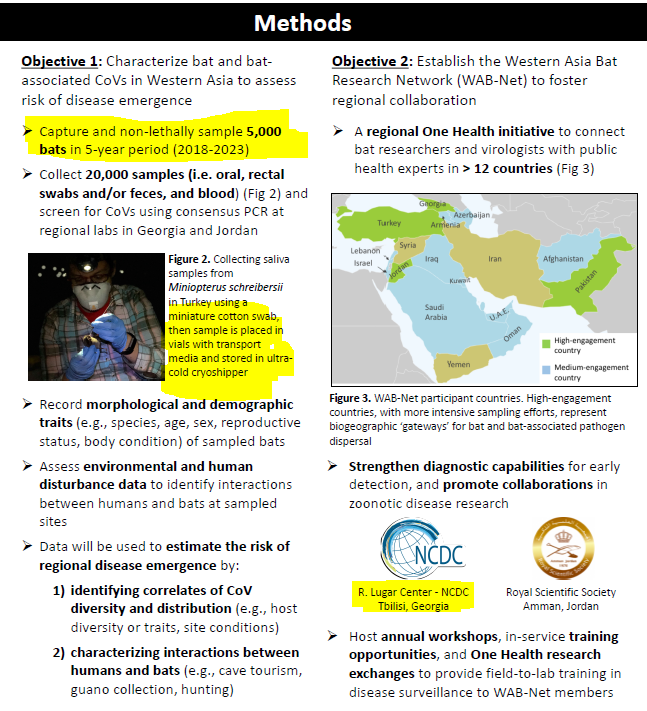
5, Methods and Expected Outcomes
(Unexpected Outcome = New Coronavirus Pandemic)
Risks of bat-borne zoonotic diseases in Western Asia
Duration: 24/10/2018-23 /10/2019
Funding: $71,500
@dgaytandzhieva
https://t.co/680CdD8uug
2. Bat Virus Database
Access to the database is limited only to those scientists participating in our ‘Bats and Coronaviruses’ project
Our intention is to eventually open up this database to the larger scientific community
https://t.co/mPn7b9HM48
3. EcoHealth Alliance & DTRA Asking for Trouble
One Health research project focused on characterizing bat diversity, bat coronavirus diversity and the risk of bat-borne zoonotic disease emergence in the region.
https://t.co/u6aUeWBGEN
4. Phelps, Olival, Epstein, Karesh - EcoHealth/DTRA
5, Methods and Expected Outcomes
(Unexpected Outcome = New Coronavirus Pandemic)