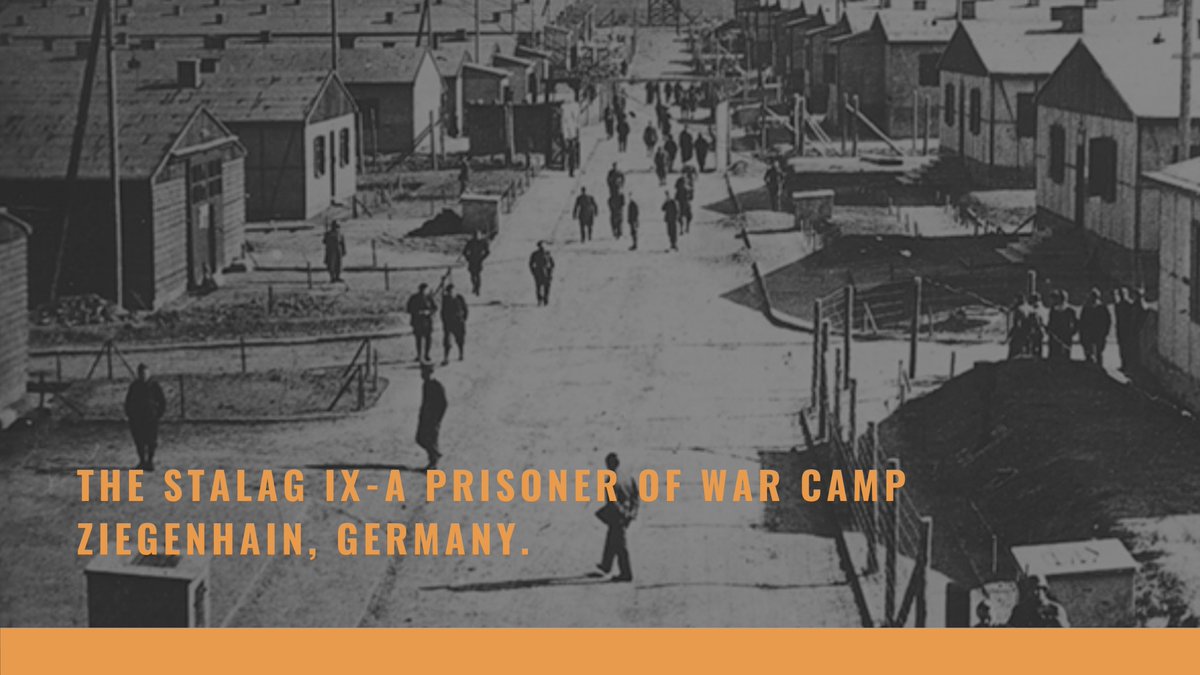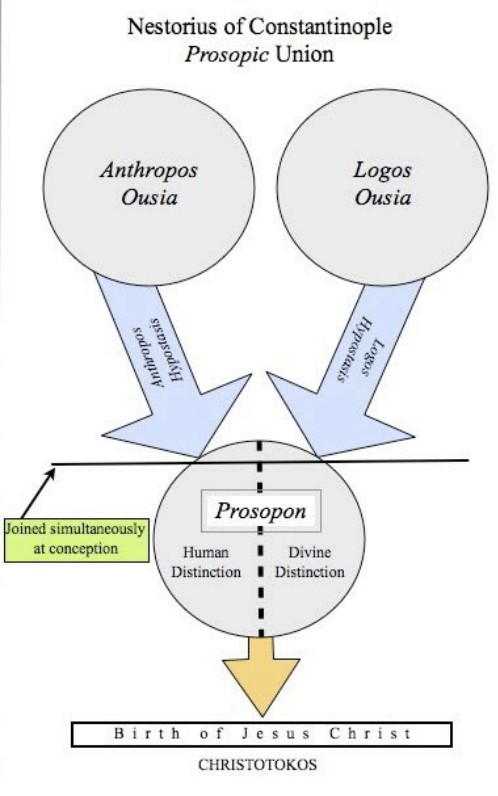
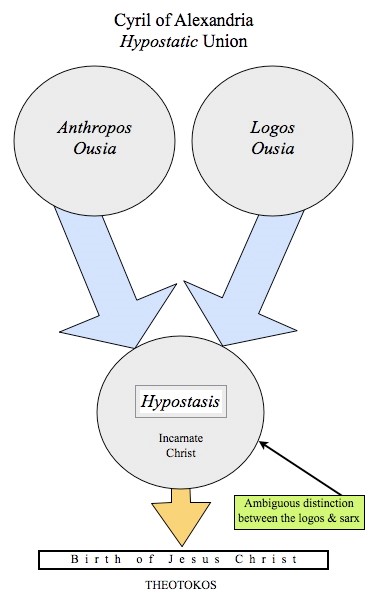
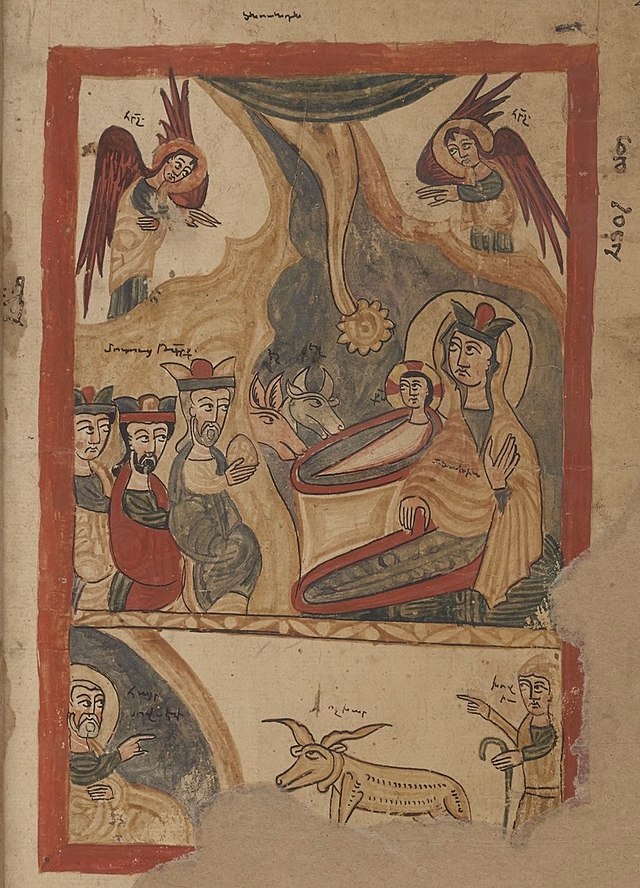
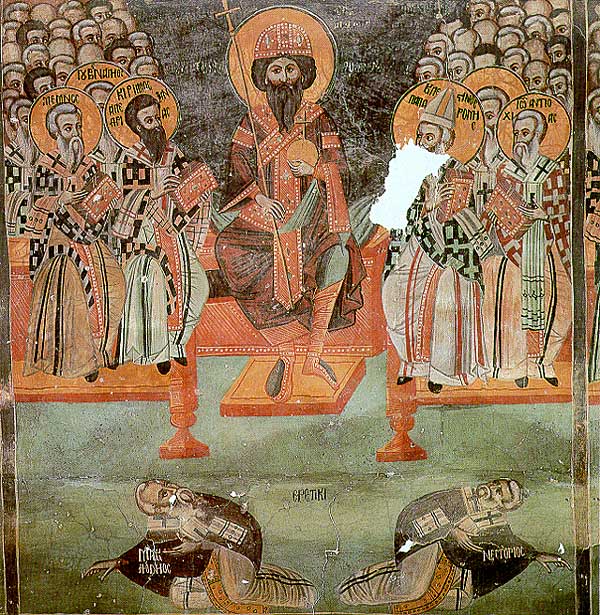
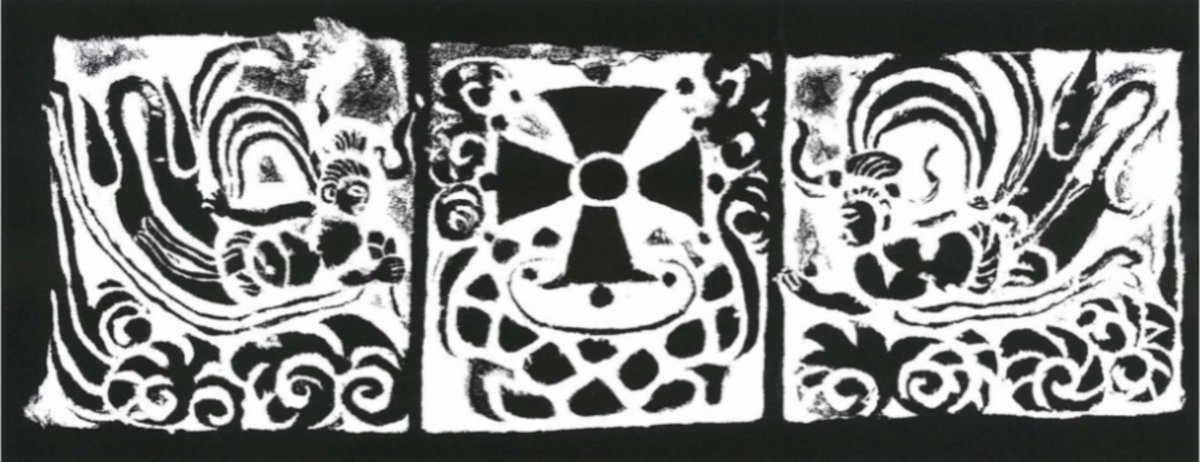
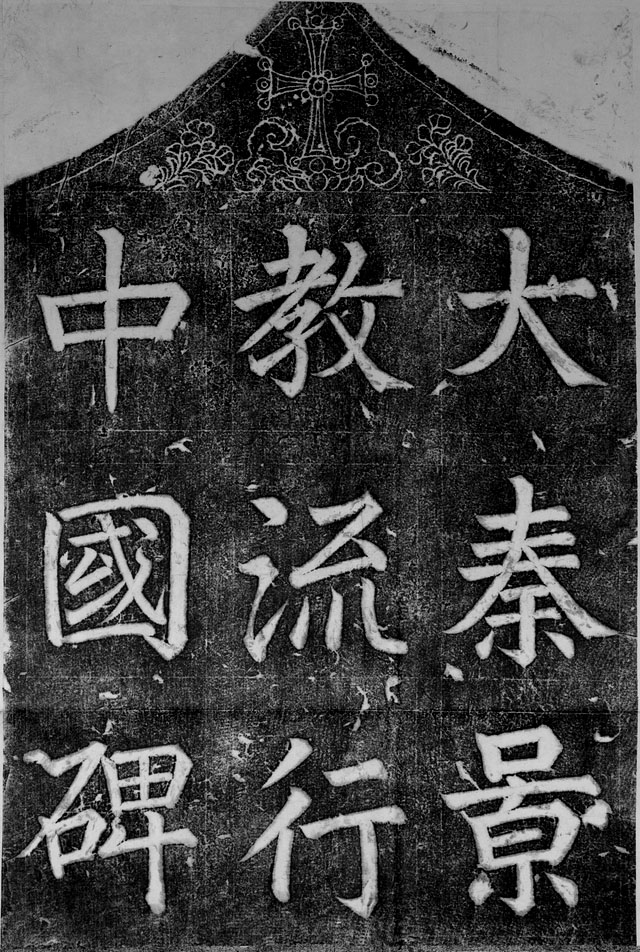
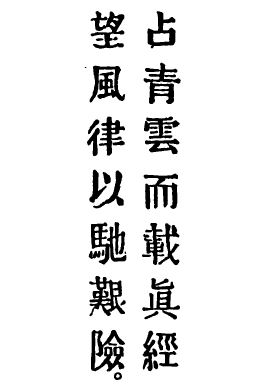
here. I'm adding a supplementary thread before today's scheduled one to expand on the origins and early history of the Church of the East (aka the Nestorian Church) ~ahc #jingjiao 1/
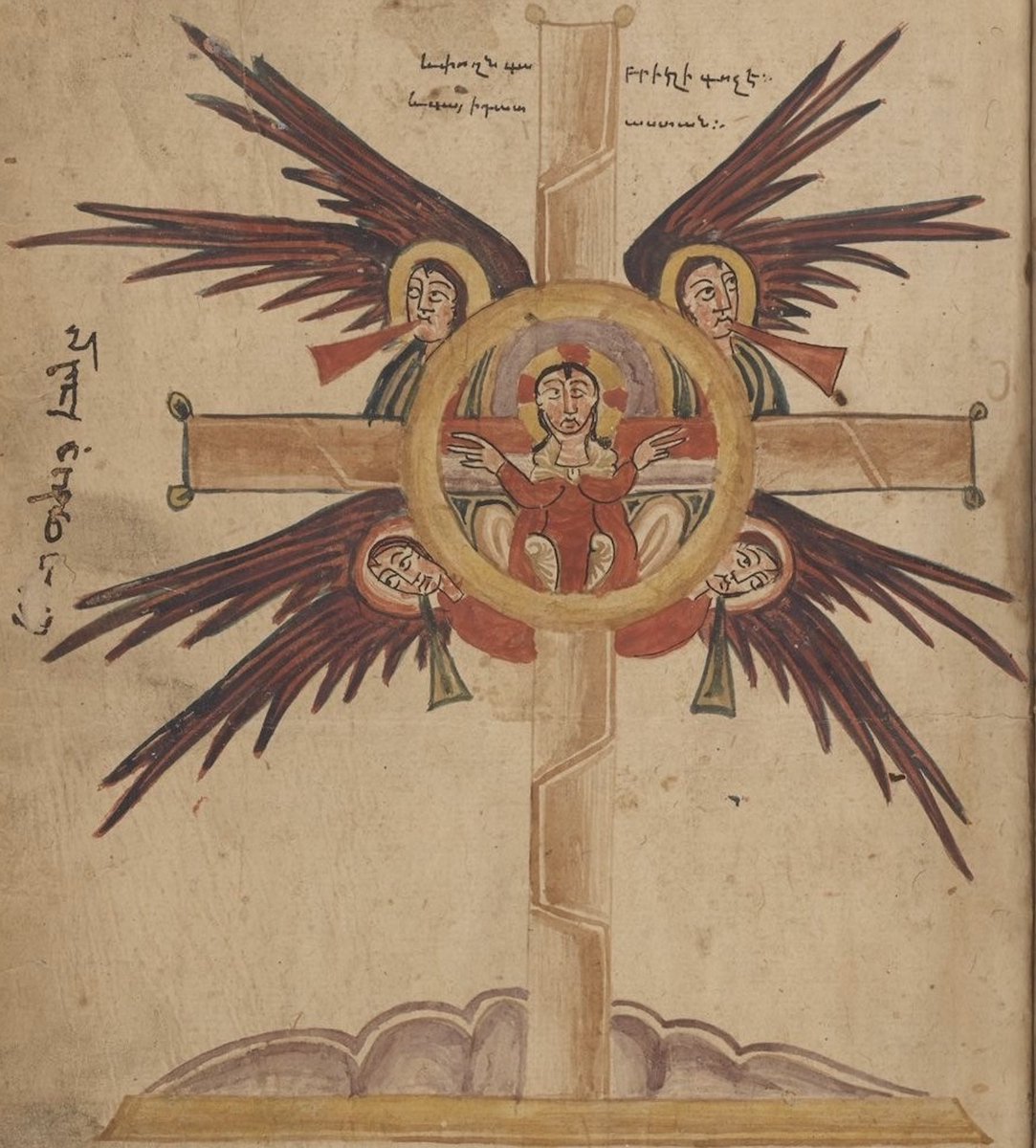
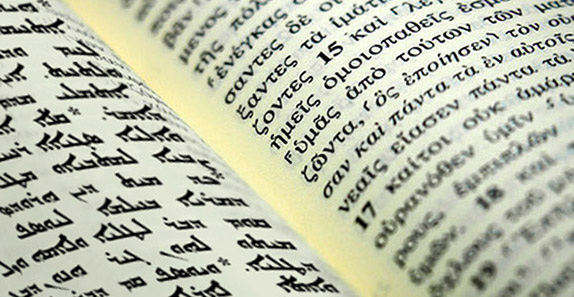

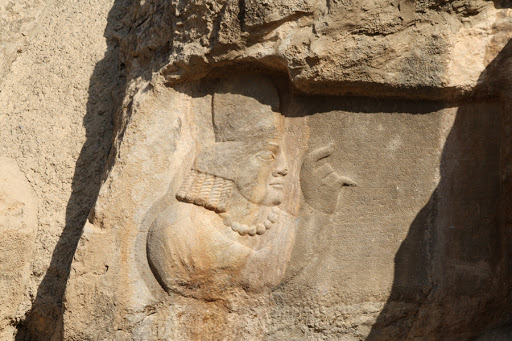
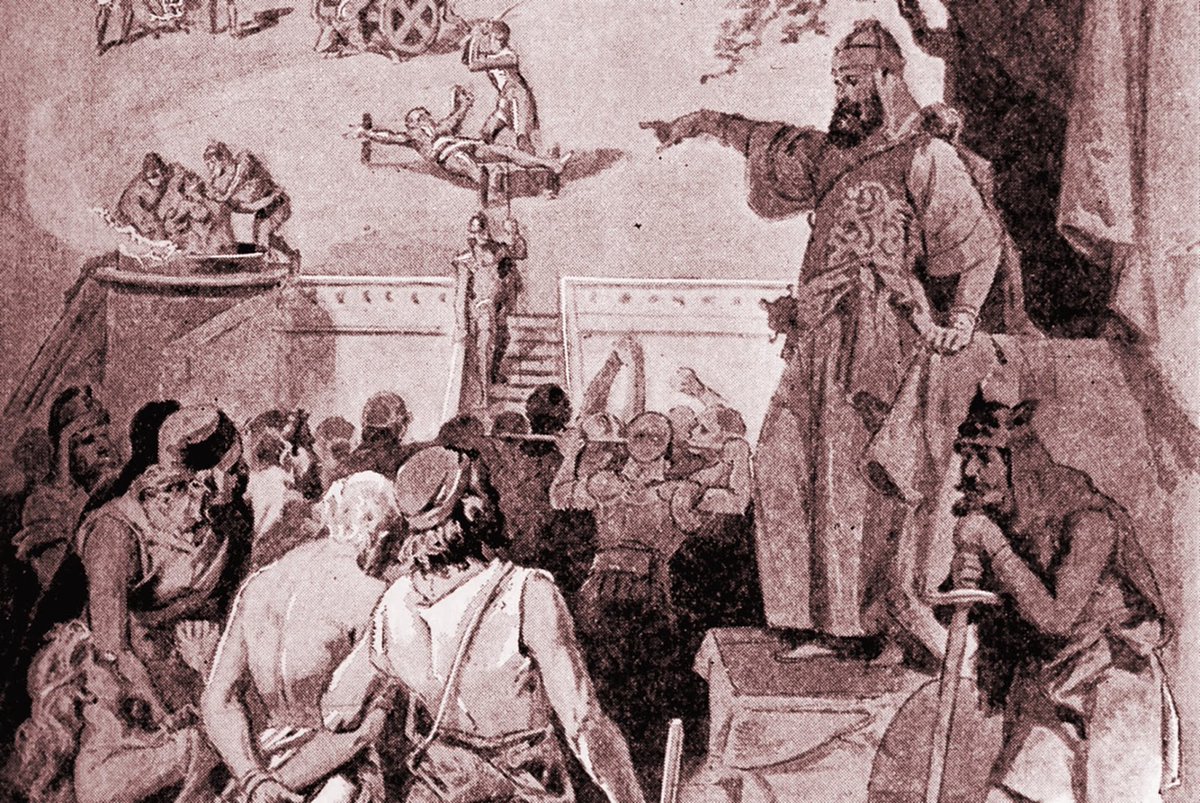
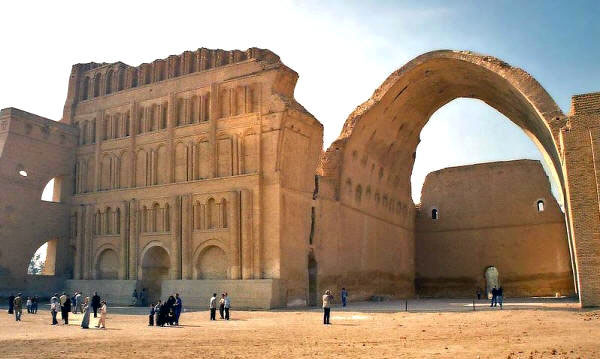

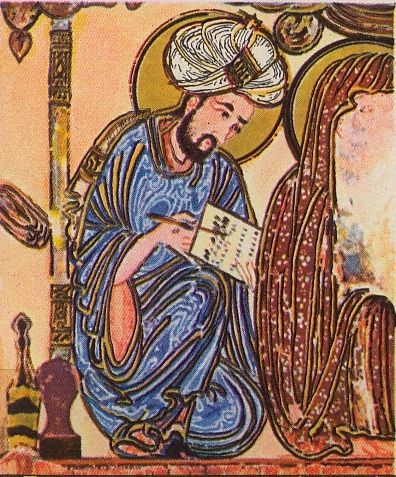
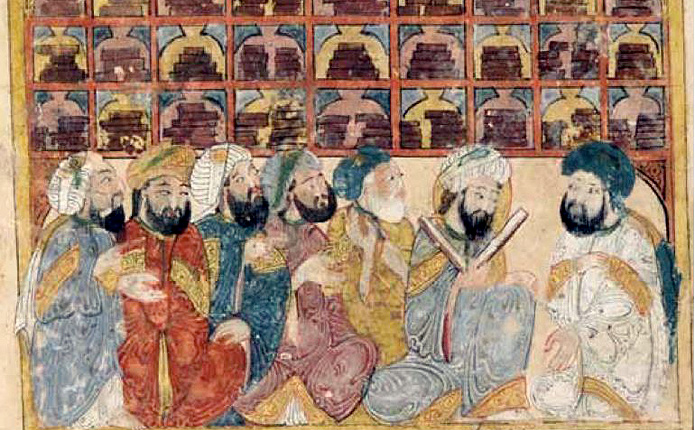
Al-Farabi also studied Aristotelian logic under the East Syrian Christians Yuhanna ibn Haylan and Abu Bishr Matta ibn Yunus. ~ahc #jingjiao /13

More from Tweeting Historians
I want to talk about the key textual elements you might find in an Islamic manuscript. I'll focus on this manuscript, roughly 18th century, of an Arabic history of the rulers of Egypt called Nuzhat al-nāẓirīn, by Marʻī al-Karmī (d. 1623/4).
Budeiry Library (Jerusalem) MS 593 -jm
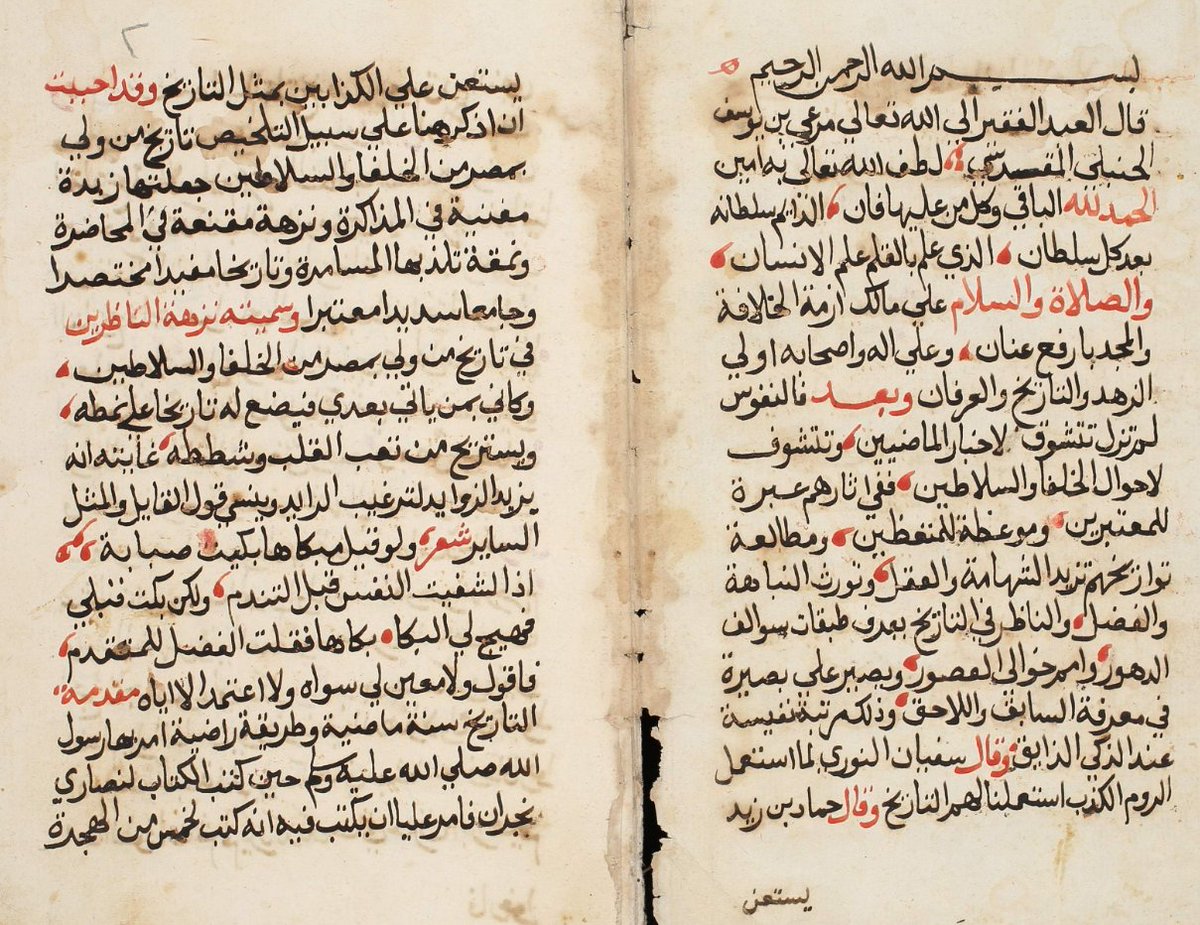
These texts have many elements designed to help the reader understand what they're saying, and choices by the scribe who copied the manuscript often help as well. Let's see what's here. -jm
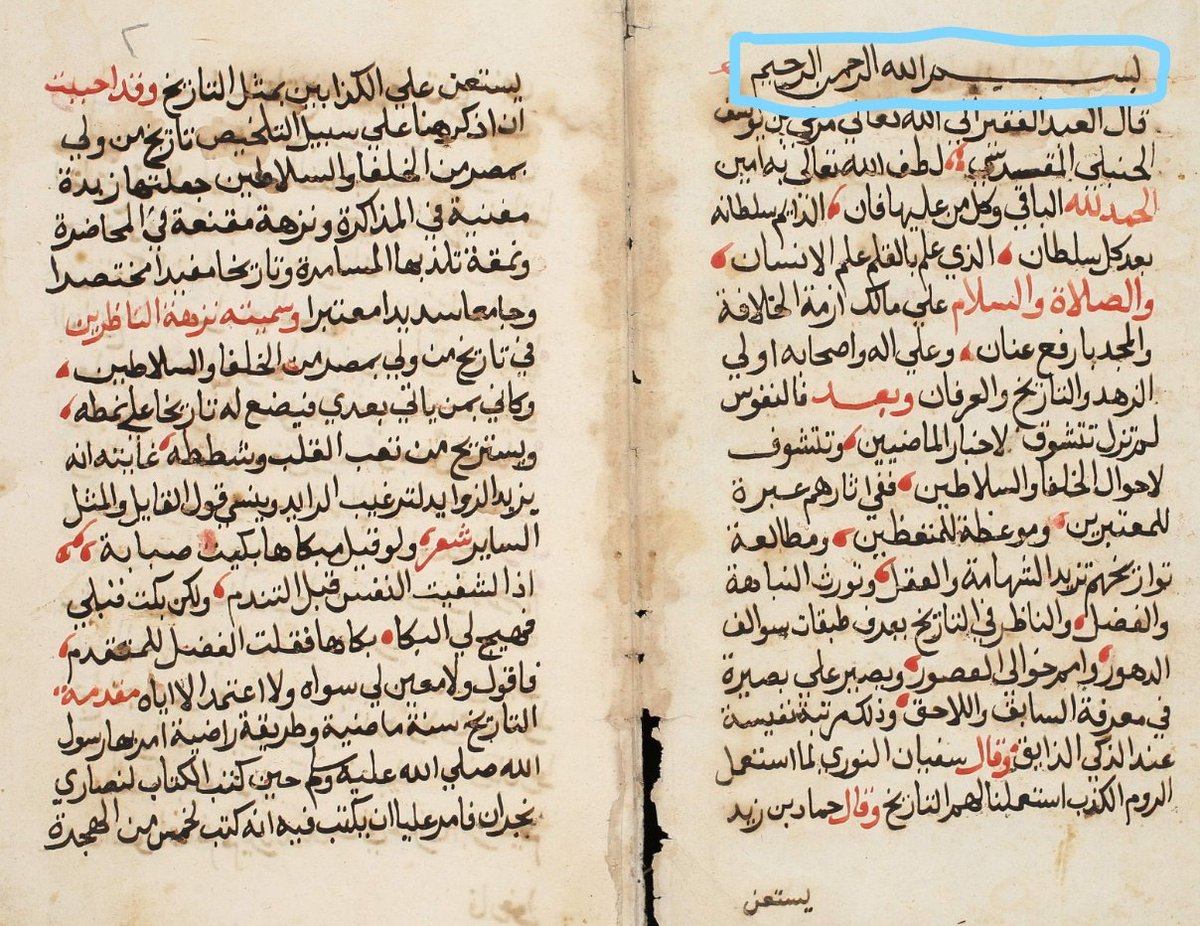
First, almost every Islamic text begins with the invocation "in the name of God, the compassionate, the merciful." The wording is never changed, and it's always in Arabic, no matter what language the text is, although you might add phrases like "and we ask God for help." -jm
Christians were able to do more experimentation with their invocations, as you can see from the examples here. https://t.co/wEPWRitCWA -jm
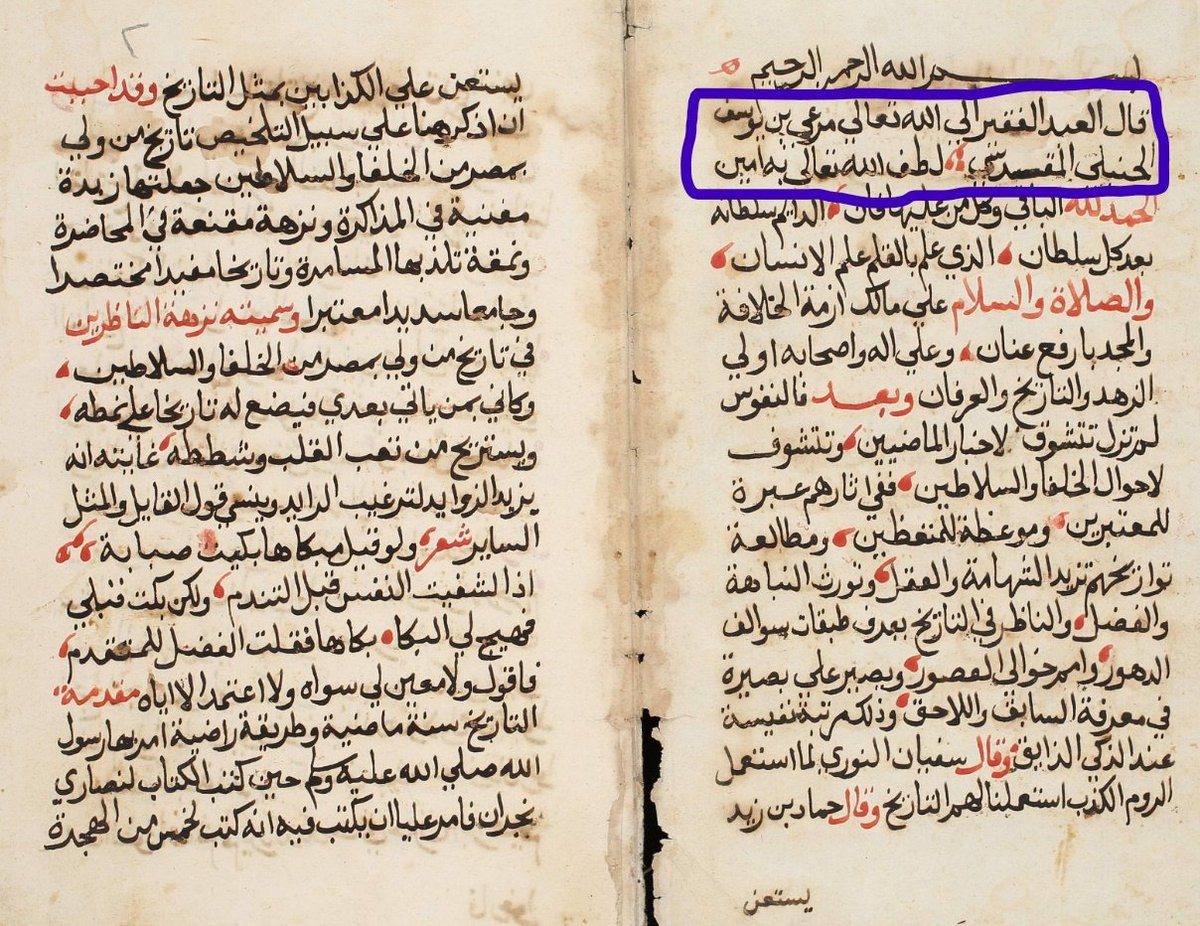
After the invocation (basmalah), you might have what this text has, which is an introduction of the author in the form "the poor slave of God [so-and-so] said..." often followed by a quick prayer for the author. -jm
Budeiry Library (Jerusalem) MS 593 -jm
These texts have many elements designed to help the reader understand what they're saying, and choices by the scribe who copied the manuscript often help as well. Let's see what's here. -jm
First, almost every Islamic text begins with the invocation "in the name of God, the compassionate, the merciful." The wording is never changed, and it's always in Arabic, no matter what language the text is, although you might add phrases like "and we ask God for help." -jm
Christians were able to do more experimentation with their invocations, as you can see from the examples here. https://t.co/wEPWRitCWA -jm
These little prayers are fun pic.twitter.com/hJYk2M01bO
— Josh Mugler (@J_mugs) February 16, 2019
After the invocation (basmalah), you might have what this text has, which is an introduction of the author in the form "the poor slave of God [so-and-so] said..." often followed by a quick prayer for the author. -jm


More from Religion



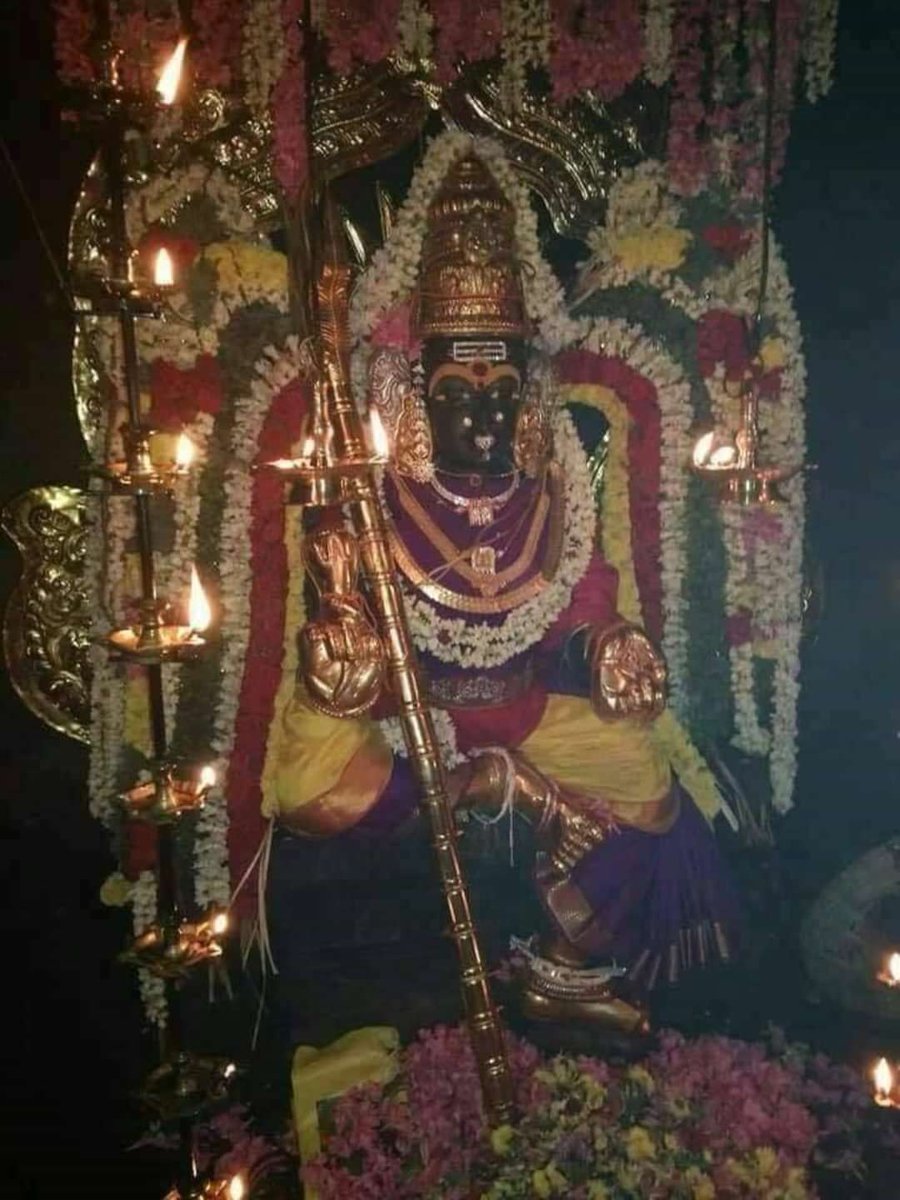
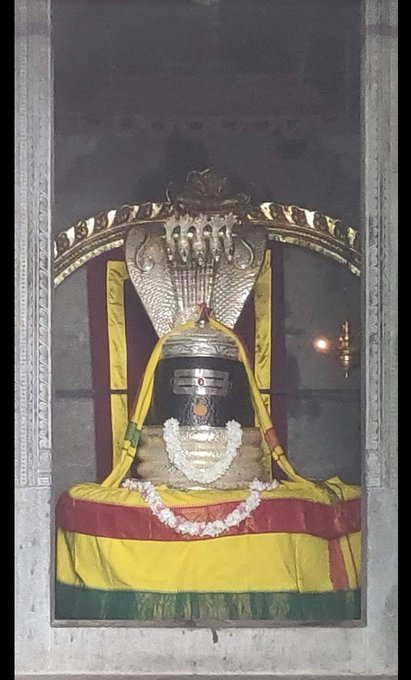
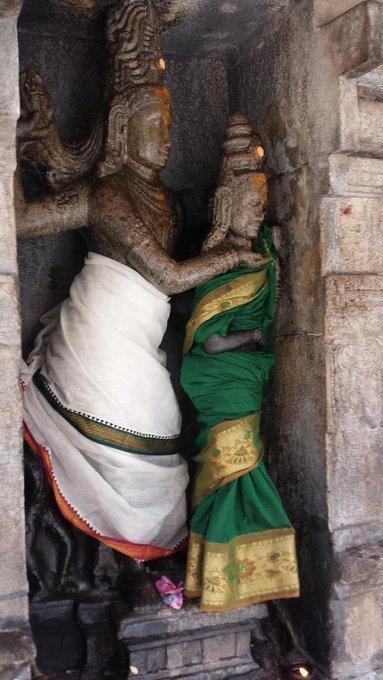


just a my thought...
❶/12 Roughly speaking, primitive Buddhism was about liberation from the inner suffering of the ordained individual. In contrast, Mahayana Buddhism, especially the teachings of the Lotus Sutra, emphasises 'the salvation of all people, together'.
❷/12 In short, people of Mahayana Buddhism do Practice as Bodhisattva for all in the secular world. Strictly, these are different religions, and primitive Buddhism is not well suited to being associated with the state or secular communities.
❸/12 I believe that if anti-secular primitive Buddhism had arrived in ancient Japan it would not have spread very far. In Japan, where rice cultivation is very important, the idea of destroying the community would have been a threat of people's survival.
❹/12 By the way, it's perhaps inevitable that the purity of the teachings will diminish depending on how they are disseminated in society. In other words, I think that, roughly speaking, what develops away from the original form can even become a civilization.
❺/12 But anything that significantly reduces the quality of the original should be called a degeneration. I think that Christian civilization, although flawed, has built a civilization in tension.
❶/12 Roughly speaking, primitive Buddhism was about liberation from the inner suffering of the ordained individual. In contrast, Mahayana Buddhism, especially the teachings of the Lotus Sutra, emphasises 'the salvation of all people, together'.
Bodhisattva is also important for understanding the Japanese. It was a very developed in Mahayana Buddhism. Liberators keep putting off and dedicating until all people are saved. This is an ideal prototype. But this devoted tradition is disappearing under the Weimar Constitution. https://t.co/uBTcwOjlWt
— Atsumori \u6566\u76db (@atsumori5834) January 9, 2020
❷/12 In short, people of Mahayana Buddhism do Practice as Bodhisattva for all in the secular world. Strictly, these are different religions, and primitive Buddhism is not well suited to being associated with the state or secular communities.
❸/12 I believe that if anti-secular primitive Buddhism had arrived in ancient Japan it would not have spread very far. In Japan, where rice cultivation is very important, the idea of destroying the community would have been a threat of people's survival.
❹/12 By the way, it's perhaps inevitable that the purity of the teachings will diminish depending on how they are disseminated in society. In other words, I think that, roughly speaking, what develops away from the original form can even become a civilization.
❺/12 But anything that significantly reduces the quality of the original should be called a degeneration. I think that Christian civilization, although flawed, has built a civilization in tension.