IMPORTANCE AND CHARACTERISTICS OF GARUDA PURAN.
On the request of Garud, Bhagwan Vishnu, the rider of Garud, described this Puran based in Taksharya Kalp. It has ninteen thousand shlokas.
This book begins with a question and goes on to describe the Shrishti.
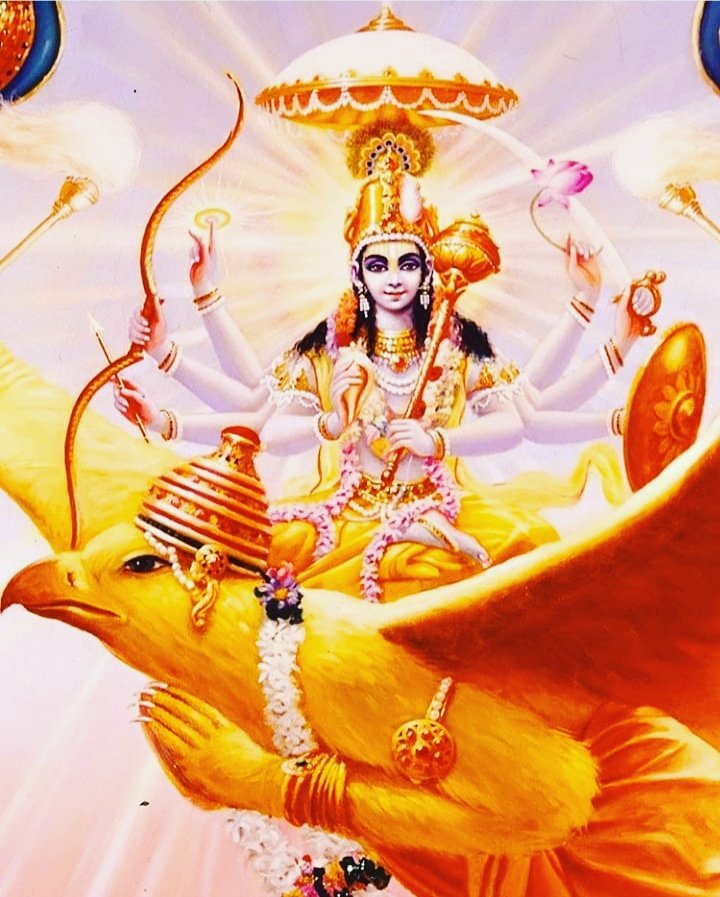
In the next section we find the description of Pret Kalp. On the question of Garud, Vishnu replied that your dharma is the reason for you to get the desired end along with daan and your Karma's.
The reader and listener of this book attain moksha. Getting this book written and donating it in Vishuv Yog gets you swargalok.
📸Credit-drsatla ji
Instagram link👇
https://t.co/VkLMMT32lv
Facebook page link 👇
https://t.co/bTE7SGvaM3
https://t.co/ocKkcpyidH
\u0917\u0930\u0941\u0921\u093c \u092a\u0941\u0930\u093e\u0923 \u0915\u093e \u092e\u0939\u0924\u094d\u0935 \u0914\u0930 \u0935\u0930\u094d\u0923\u0935\u094d\u092f\u0935\u0938\u094d\u0925\u093e\u0964
— \u092a\u0902\u0921\u093f\u0924 \u0935\u093f\u0936\u093e\u0932 \u0936\u094d\u0930\u094b\u0924\u094d\u0930\u093f\u092f (@VishalS50533075) January 8, 2021
\u0917\u0930\u0941\u0921\u093c \u0915\u0947 \u0905\u0928\u0941\u0930\u094b\u0927 \u092a\u0930 \u0917\u0930\u0941\u0921\u093c \u0915\u0947 \u0938\u0935\u093e\u0930 \u092d\u0917\u0935\u093e\u0928 \u0935\u093f\u0937\u094d\u0923\u0941 \u0928\u0947 \u0924\u0915\u094d\u0937\u0915\u091a\u093e\u0930\u094d\u092f \u0915\u0932\u094d\u092a \u092e\u0947\u0902 \u0938\u094d\u0925\u093f\u0924 \u0907\u0938 \u092a\u0941\u0930\u093e\u0923 \u0915\u093e \u0935\u0930\u094d\u0923\u0928 \u0915\u093f\u092f\u093e\u0964 \u0907\u0938\u092e\u0947\u0902 \u0909\u0928\u094d\u0928\u0940\u0938 \u0939\u091c\u093e\u0930 \u0936\u094d\u0932\u094b\u0915 \u0939\u0948\u0902\u0964
\u092f\u0939 \u092a\u0941\u0938\u094d\u0924\u0915 \u090f\u0915 \u092a\u094d\u0930\u0936\u094d\u0928 \u0938\u0947 \u0936\u0941\u0930\u0942 \u0939\u094b\u0924\u0940 \u0939\u0948 \u0914\u0930 \u0936\u094d\u0930\u0943\u0937\u094d\u091f\u093f \u0915\u093e \u0935\u0930\u094d\u0923\u0928 \u0915\u0930\u0924\u0940 \u0939\u0948\u0964 pic.twitter.com/MJv4KEL1V0
More from Anshul Pandey
WHY DID KING DAKSH BEHAVE NEGATIVELY TOWARDS SHIVA AND SATI.
It was actually the shakti form of devi which took birth as Sati in Daksh's house who acquired this name due to her satya swarup.
Everyone is aware of the story as to why Sati jumped into the Yagya fire.
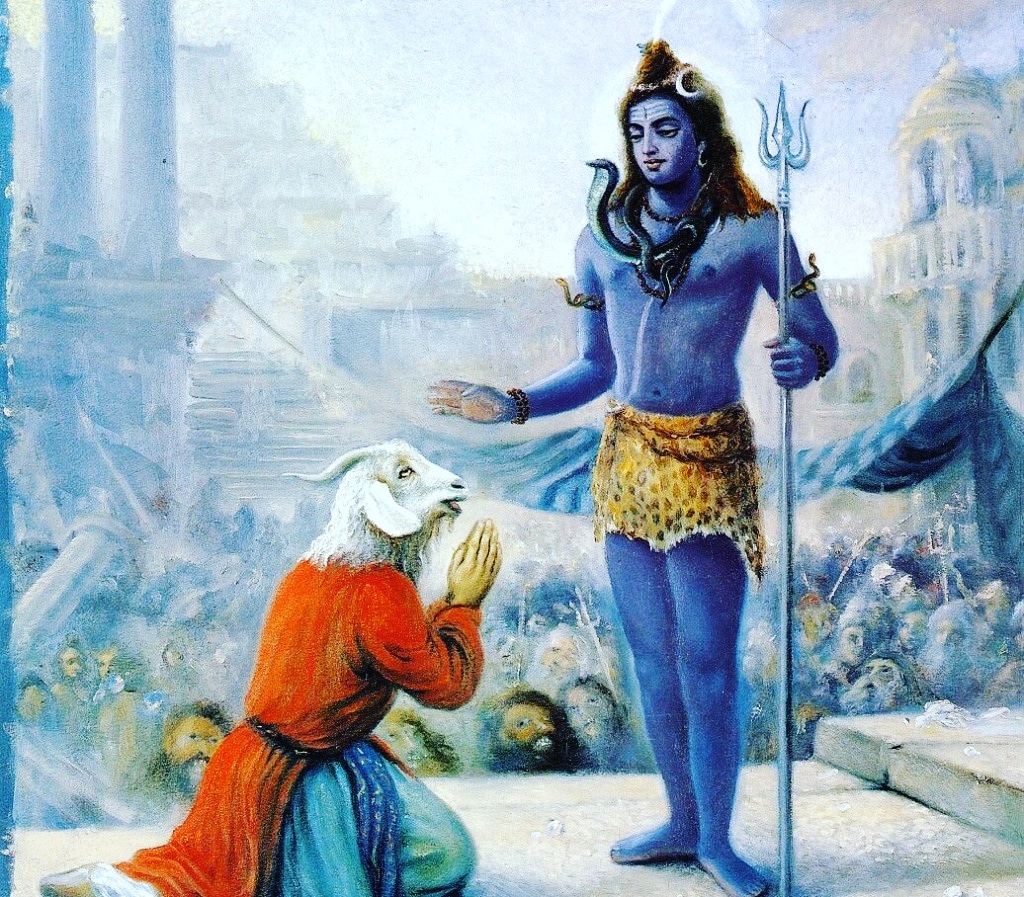
But there is a story behind the reason for the negative behaviour of Daksh.
It so happened that once Rishi Durvasa went to Devi Jambunadeshwari and after her darshan recited the Mayabeej mantra. The devi happily gave him a divine Garland. Durvasa happily accepted it and left.
On his way he met Daksh who was eager to get the divine Garland. He requested the Rishi to give him that Garland. Knowing that Daksh was a good person, Durvasa gave the garland to him.
But Daksh casually kept the garland on his bed and went about doing his earthly instinctive work. Due to this insulting behaviour of Daksh for the divine garland, he developed a negative feeling for Shiva and Sati(Aadi Shakti).
Source - Devi puran
Instagram link👇
https://t.co/papGLZvcaI
Facebook
It was actually the shakti form of devi which took birth as Sati in Daksh's house who acquired this name due to her satya swarup.
Everyone is aware of the story as to why Sati jumped into the Yagya fire.
But there is a story behind the reason for the negative behaviour of Daksh.
It so happened that once Rishi Durvasa went to Devi Jambunadeshwari and after her darshan recited the Mayabeej mantra. The devi happily gave him a divine Garland. Durvasa happily accepted it and left.
On his way he met Daksh who was eager to get the divine Garland. He requested the Rishi to give him that Garland. Knowing that Daksh was a good person, Durvasa gave the garland to him.
But Daksh casually kept the garland on his bed and went about doing his earthly instinctive work. Due to this insulting behaviour of Daksh for the divine garland, he developed a negative feeling for Shiva and Sati(Aadi Shakti).
Source - Devi puran
Instagram link👇
https://t.co/papGLZvcaI
IMPORTANCE, ADVANTAGES AND CHARACTERISTICS OF BHAGWAT PURAN
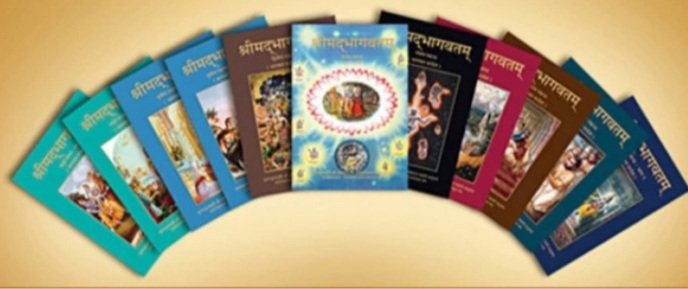
It was Ved Vyas who edited the eighteen thousand shlokas of Bhagwat. This book destroys all your sins. It has twelve parts which are like kalpvraksh.
In the first skandh, the importance of Vedvyas
and characters of Pandavas are described by the dialogues between Suutji and Shaunakji. Then there is the story of Parikshit.
Next there is a Brahm Narad dialogue describing the avtaar of Bhagwan. Then the characteristics of Puraan are mentioned.
It also discusses the evolution of universe.( https://t.co/2aK1AZSC79 )
Next is the portrayal of Vidur and his dialogue with Maitreyji. Then there is a mention of Creation of universe by Brahma and the preachings of Sankhya by Kapil Muni.
In the next section we find the portrayal of Sati, Dhruv, Pruthu, and the story of ancient King, Bahirshi.
In the next section we find the character of King Priyavrat and his sons, different types of loks in this universe, and description of Narak. ( https://t.co/gmDTkLktKS )
In the sixth part we find the portrayal of Ajaamil ( https://t.co/LdVSSNspa2 ), Daksh and the birth of Marudgans( https://t.co/tecNidVckj )
In the seventh section we find the story of Prahlad and the description of Varnashram dharma. This section is based on karma vaasna.
It was Ved Vyas who edited the eighteen thousand shlokas of Bhagwat. This book destroys all your sins. It has twelve parts which are like kalpvraksh.
In the first skandh, the importance of Vedvyas
and characters of Pandavas are described by the dialogues between Suutji and Shaunakji. Then there is the story of Parikshit.
Next there is a Brahm Narad dialogue describing the avtaar of Bhagwan. Then the characteristics of Puraan are mentioned.
It also discusses the evolution of universe.( https://t.co/2aK1AZSC79 )
Next is the portrayal of Vidur and his dialogue with Maitreyji. Then there is a mention of Creation of universe by Brahma and the preachings of Sankhya by Kapil Muni.
HOW LIFE EVOLVED IN THIS UNIVERSE AS PER OUR SCRIPTURES.
— Anshul Pandey (@Anshulspiritual) August 29, 2020
Well maximum of Living being are the Vansaj of Rishi Kashyap. I have tried to give stories from different-different Puran. So lets start.... pic.twitter.com/MrrTS4xORk
In the next section we find the portrayal of Sati, Dhruv, Pruthu, and the story of ancient King, Bahirshi.
In the next section we find the character of King Priyavrat and his sons, different types of loks in this universe, and description of Narak. ( https://t.co/gmDTkLktKS )
Thread on NARK(HELL) / \u0928\u0930\u094d\u0915
— Anshul Pandey (@Anshulspiritual) August 11, 2020
Well today i will take you to a journey where nobody wants to go i.e Nark. Hence beware of doing Adharma/Evil things. There are various mentions in Puranas about Nark, But my Thread is only as per Bhagwat puran(SS attached in below Thread)
1/8 pic.twitter.com/raHYWtB53Q
In the sixth part we find the portrayal of Ajaamil ( https://t.co/LdVSSNspa2 ), Daksh and the birth of Marudgans( https://t.co/tecNidVckj )
In the seventh section we find the story of Prahlad and the description of Varnashram dharma. This section is based on karma vaasna.
#THREAD
— Anshul Pandey (@Anshulspiritual) August 12, 2020
WHY PARENTS CHOOSE RELIGIOUS OR PARAMATMA'S NAMES FOR THEIR CHILDREN AND WHICH ARE THE EASIEST WAY TO WASH AWAY YOUR SINS.
Yesterday I had described the types of Naraka's and the Sin or Adharma for a person to be there.
1/8 pic.twitter.com/XjPB2hfnUC


More from Religion






You May Also Like

And here they are...
THE WINNERS OF THE 24 HOUR STARTUP CHALLENGE
Remember, this money is just fun. If you launched a product (or even attempted a launch) - you did something worth MUCH more than $1,000.
#24hrstartup
The winners 👇
#10
Lattes For Change - Skip a latte and save a life.
https://t.co/M75RAirZzs
@frantzfries built a platform where you can see how skipping your morning latte could do for the world.
A great product for a great cause.
Congrats Chris on winning $250!

#9
Instaland - Create amazing landing pages for your followers.
https://t.co/5KkveJTAsy
A team project! @bpmct and @BaileyPumfleet built a tool for social media influencers to create simple "swipe up" landing pages for followers.
Really impressive for 24 hours. Congrats!

#8
SayHenlo - Chat without distractions
https://t.co/og0B7gmkW6
Built by @DaltonEdwards, it's a platform for combatting conversation overload. This product was also coded exclusively from an iPad 😲
Dalton is a beast. I'm so excited he placed in the top 10.

#7
CoderStory - Learn to code from developers across the globe!
https://t.co/86Ay6nF4AY
Built by @jesswallaceuk, the project is focused on highlighting the experience of developers and people learning to code.
I wish this existed when I learned to code! Congrats on $250!!

THE WINNERS OF THE 24 HOUR STARTUP CHALLENGE
Remember, this money is just fun. If you launched a product (or even attempted a launch) - you did something worth MUCH more than $1,000.
#24hrstartup
The winners 👇
#10
Lattes For Change - Skip a latte and save a life.
https://t.co/M75RAirZzs
@frantzfries built a platform where you can see how skipping your morning latte could do for the world.
A great product for a great cause.
Congrats Chris on winning $250!
#9
Instaland - Create amazing landing pages for your followers.
https://t.co/5KkveJTAsy
A team project! @bpmct and @BaileyPumfleet built a tool for social media influencers to create simple "swipe up" landing pages for followers.
Really impressive for 24 hours. Congrats!
#8
SayHenlo - Chat without distractions
https://t.co/og0B7gmkW6
Built by @DaltonEdwards, it's a platform for combatting conversation overload. This product was also coded exclusively from an iPad 😲
Dalton is a beast. I'm so excited he placed in the top 10.
#7
CoderStory - Learn to code from developers across the globe!
https://t.co/86Ay6nF4AY
Built by @jesswallaceuk, the project is focused on highlighting the experience of developers and people learning to code.
I wish this existed when I learned to code! Congrats on $250!!