
THE STRUCTURE, IMPORTANCE AND ADVANTAGES OF VISHNU PURAN.
Vishnu puran has twenty three thousand shlokas. It has the power to destroy all your sins. In its first part it contains the dialogue between Parashar rishi and Maitrey rishi.
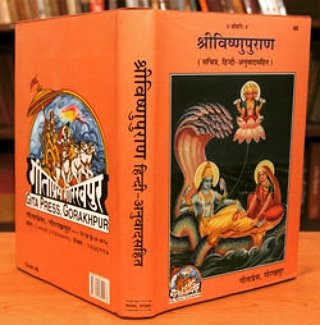
Next is the description of Manvantars, avtaar of Vedvyas,
In the 4th part we find the description of Chandra vansh along with the description of its rulers.
In the last section which consists of sermons by Suutji and Shaunakji about Vishnu dharmotar which consists of descriptions of various types of dharma.
Whoever reads this book get all their wishes
Instagram link👇
https://t.co/p2cS3TMfpt
Facebook link👇
https://t.co/o5T6eOQKhy
https://t.co/CadvAaPSU0
\u0935\u093f\u0937\u094d\u0923\u0941 \u092a\u0941\u0930\u093e\u0923 \u0915\u0940 \u0938\u0902\u0930\u091a\u0928\u093e, \u092e\u0939\u0924\u094d\u0935 \u0914\u0930 \u0932\u093e\u092d\u0964
— \u092a\u0902\u0921\u093f\u0924 \u0935\u093f\u0936\u093e\u0932 \u0936\u094d\u0930\u094b\u0924\u094d\u0930\u093f\u092f (@VishalS50533075) December 23, 2020
\u0935\u093f\u0937\u094d\u0923\u0941 \u092a\u0941\u0930\u093e\u0923 \u092e\u0947\u0902 \u0924\u0947\u0908\u0938 \u0939\u091c\u093e\u0930 \u0936\u094d\u0932\u094b\u0915 \u0939\u0948\u0902\u0964 \u0907\u0938\u092e\u0947\u0902 \u0906\u092a\u0915\u0947 \u0938\u092d\u0940 \u092a\u093e\u092a\u094b\u0902 \u0915\u094b \u0928\u0937\u094d\u091f \u0915\u0930\u0928\u0947 \u0915\u0940 \u0936\u0915\u094d\u0924\u093f \u0939\u0948\u0964 \u0907\u0938\u0915\u0947 \u092a\u0939\u0932\u0947 \u092d\u093e\u0917 \u092e\u0947\u0902 \u0907\u0938\u092e\u0947\u0902 \u092a\u0930\u093e\u0936\u0930 \u090b\u0937\u093f \u0914\u0930 \u092e\u0948\u0924\u094d\u0930\u0947\u092f \u090b\u0937\u093f \u0915\u0947 \u092c\u0940\u091a \u0938\u0902\u0935\u093e\u0926 \u0936\u093e\u092e\u093f\u0932 \u0939\u0948\u0964 pic.twitter.com/7bDZlAZBks
More from Anshul Pandey
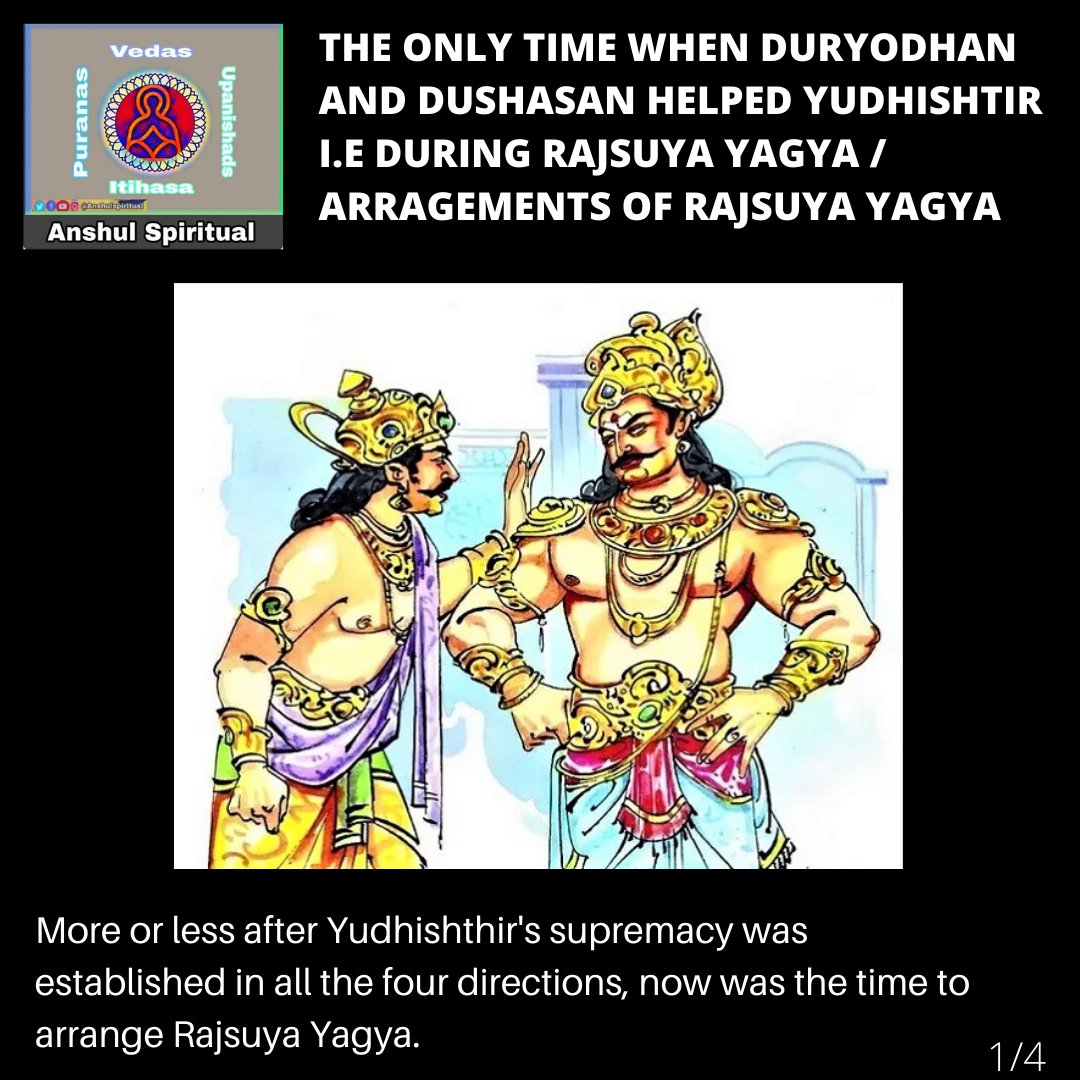
THE ONLY TIME WHEN DURYODHAN AND DUSHASAN HELPED YUDHISHTIR I.E DURING RAJSUYA YAGYA / ARRAGEMENTS OF RAJSUYA YAGYA!!
https://t.co/64r7BmTN6N
https://t.co/vwg4NFMYgy
https://t.co/CtFXR0TNrx
Instagram link👇
https://t.co/0E8eGSiUmr
Facebook link👇
https://t.co/j1XLUq4oBM
#InspiredBySwamiAnjaninandanDass
#MahabharatPositivity - Sabha Parva
https://t.co/64r7BmTN6N
https://t.co/vwg4NFMYgy
https://t.co/CtFXR0TNrx
Instagram link👇
https://t.co/0E8eGSiUmr
Facebook link👇
https://t.co/j1XLUq4oBM
#InspiredBySwamiAnjaninandanDass
#MahabharatPositivity - Sabha Parva



More from Religion

#Bookmark this
The full story of || Dhruv ||
We’ll see How Dhruv occupied a fixed position in the northern sky?
I repeat “Untold Unsung now Unearthed”
Go through entire thread carefully.
OM NAMO BHAGWATE VAASUDEVAAY
RT & spread the knowledge.
Any questions use #AskPratz
.... continuing from previous thread/story
O prince! Thus concentrate on that omnipotent eternal Lord with the mantra - ‘OM NAMO BHAGWATE VAASUDEVAAY’ .
https://t.co/H62ehDT3ix
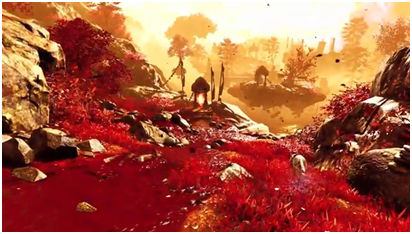
The prince Dhruv greeted the sages and continued on his journey. At last, he reached a beautiful forest Madhuvan on the bank of the river Yamuna. It was the same forest, which was later occupied by a demon Madhu.
Shatrughana, the youngest brother of Sri Rama had killed demon Lavan, son of Madhu in the same forest & founded the township of Mathura. In the same forest, prince Dhruv decided to carry out his penance. As per the dictate of the sages, he began to recite the mantra continuously
Very soon, the earth began to move because of Dhruv’s severe penance. Even the seat of Indra could not remain stable. A stampede resulted among the gods. The gods then hatched a conspiracy to disturb the penance.
The full story of || Dhruv ||
We’ll see How Dhruv occupied a fixed position in the northern sky?
I repeat “Untold Unsung now Unearthed”
Go through entire thread carefully.
OM NAMO BHAGWATE VAASUDEVAAY
RT & spread the knowledge.
Any questions use #AskPratz
.... continuing from previous thread/story
O prince! Thus concentrate on that omnipotent eternal Lord with the mantra - ‘OM NAMO BHAGWATE VAASUDEVAAY’ .
https://t.co/H62ehDT3ix
So you too go and recite the same mantra in order to please Lord Vishnu.
— Prateechi \U0001f6eb\u2708\ufe0f\U0001f6e9\ufe0f (@BahuRaani) February 6, 2021
\u2026To be continued
It\u2019s a beautiful long story. Read it to your loved ones.
(Next Weekly Thread)
We\u2019ll see How Dhruv occupied a fixed position in the northern sky?
Stay Tuned
Jai Maa
_/\\_ pic.twitter.com/7TxdNsoZes
The prince Dhruv greeted the sages and continued on his journey. At last, he reached a beautiful forest Madhuvan on the bank of the river Yamuna. It was the same forest, which was later occupied by a demon Madhu.
Shatrughana, the youngest brother of Sri Rama had killed demon Lavan, son of Madhu in the same forest & founded the township of Mathura. In the same forest, prince Dhruv decided to carry out his penance. As per the dictate of the sages, he began to recite the mantra continuously
Very soon, the earth began to move because of Dhruv’s severe penance. Even the seat of Indra could not remain stable. A stampede resulted among the gods. The gods then hatched a conspiracy to disturb the penance.

I want to talk about the key textual elements you might find in an Islamic manuscript. I'll focus on this manuscript, roughly 18th century, of an Arabic history of the rulers of Egypt called Nuzhat al-nāẓirīn, by Marʻī al-Karmī (d. 1623/4).
Budeiry Library (Jerusalem) MS 593 -jm
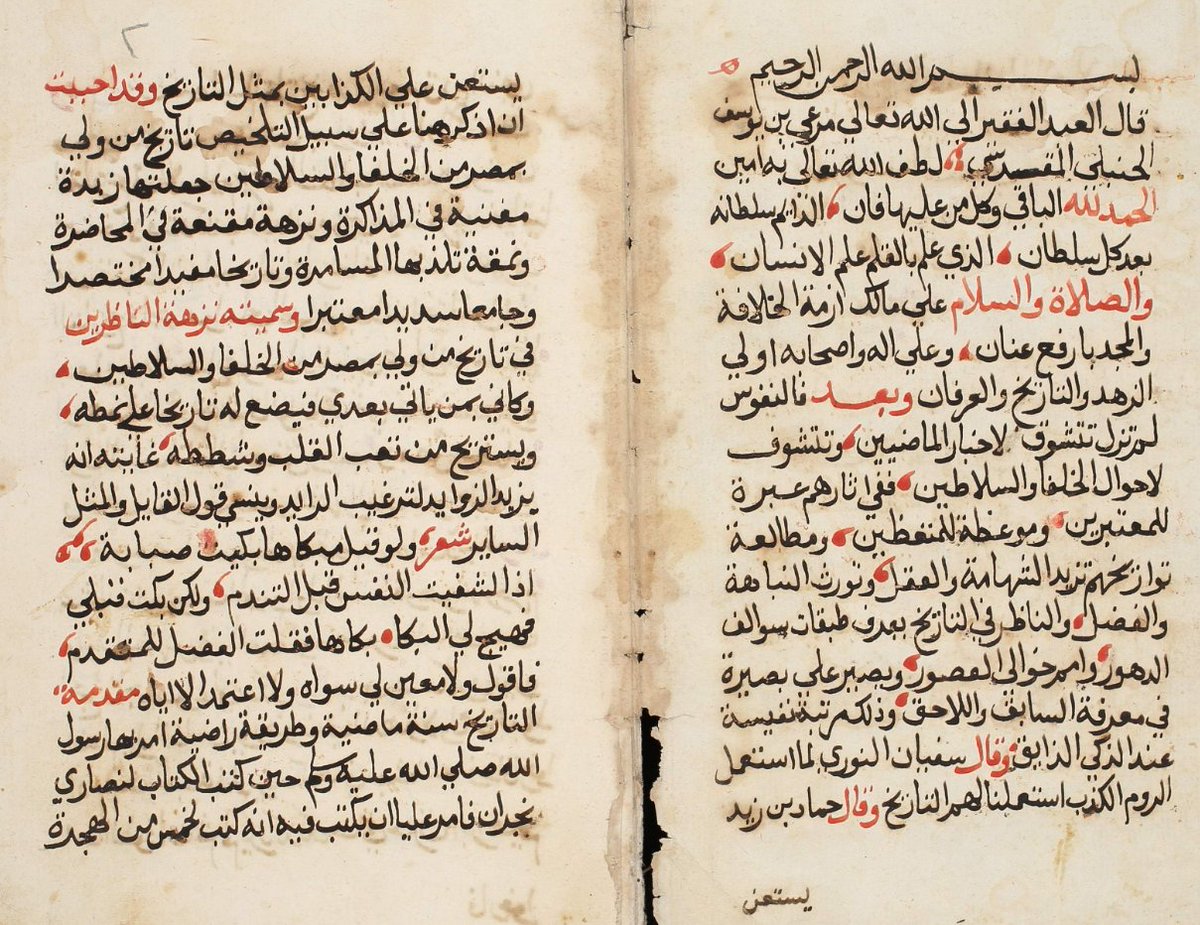
These texts have many elements designed to help the reader understand what they're saying, and choices by the scribe who copied the manuscript often help as well. Let's see what's here. -jm
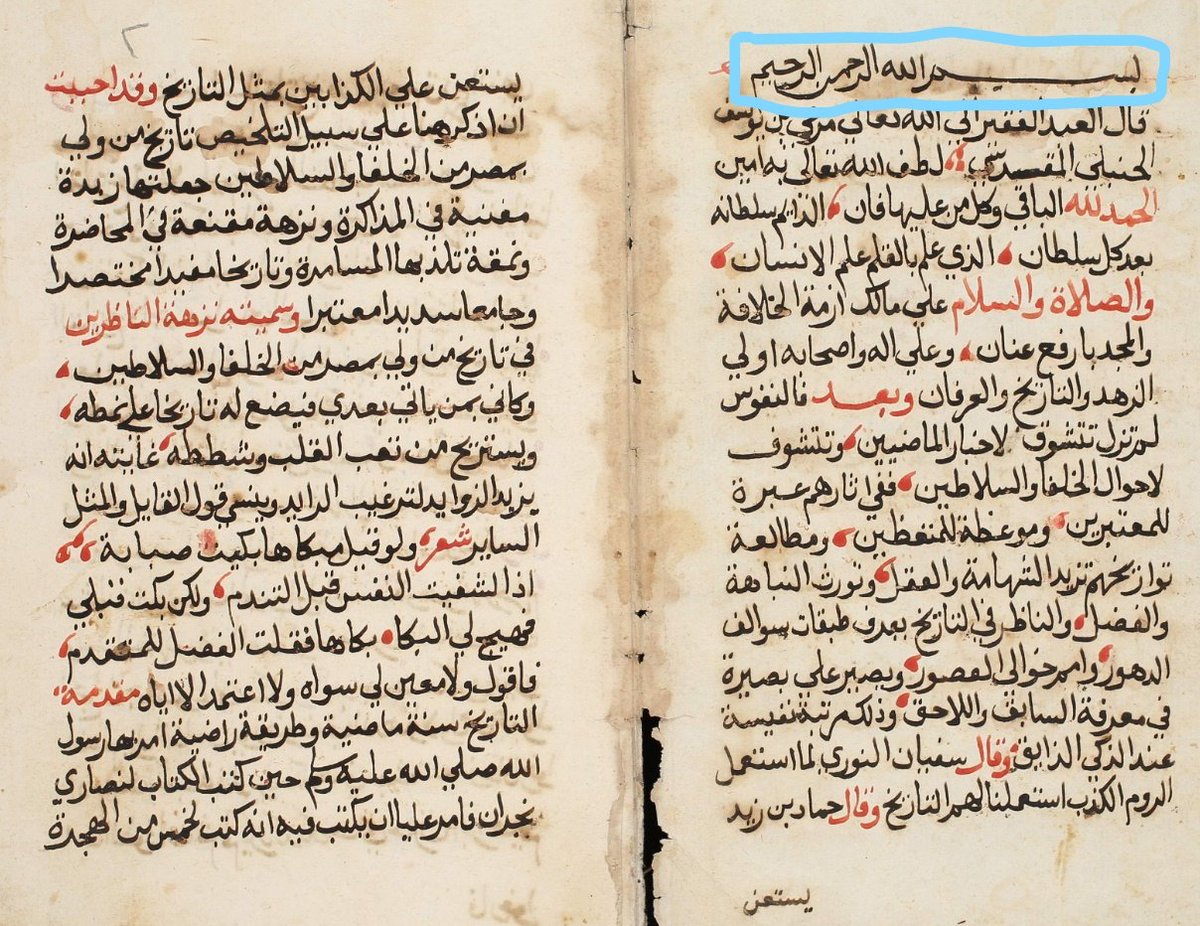
First, almost every Islamic text begins with the invocation "in the name of God, the compassionate, the merciful." The wording is never changed, and it's always in Arabic, no matter what language the text is, although you might add phrases like "and we ask God for help." -jm
Christians were able to do more experimentation with their invocations, as you can see from the examples here. https://t.co/wEPWRitCWA -jm
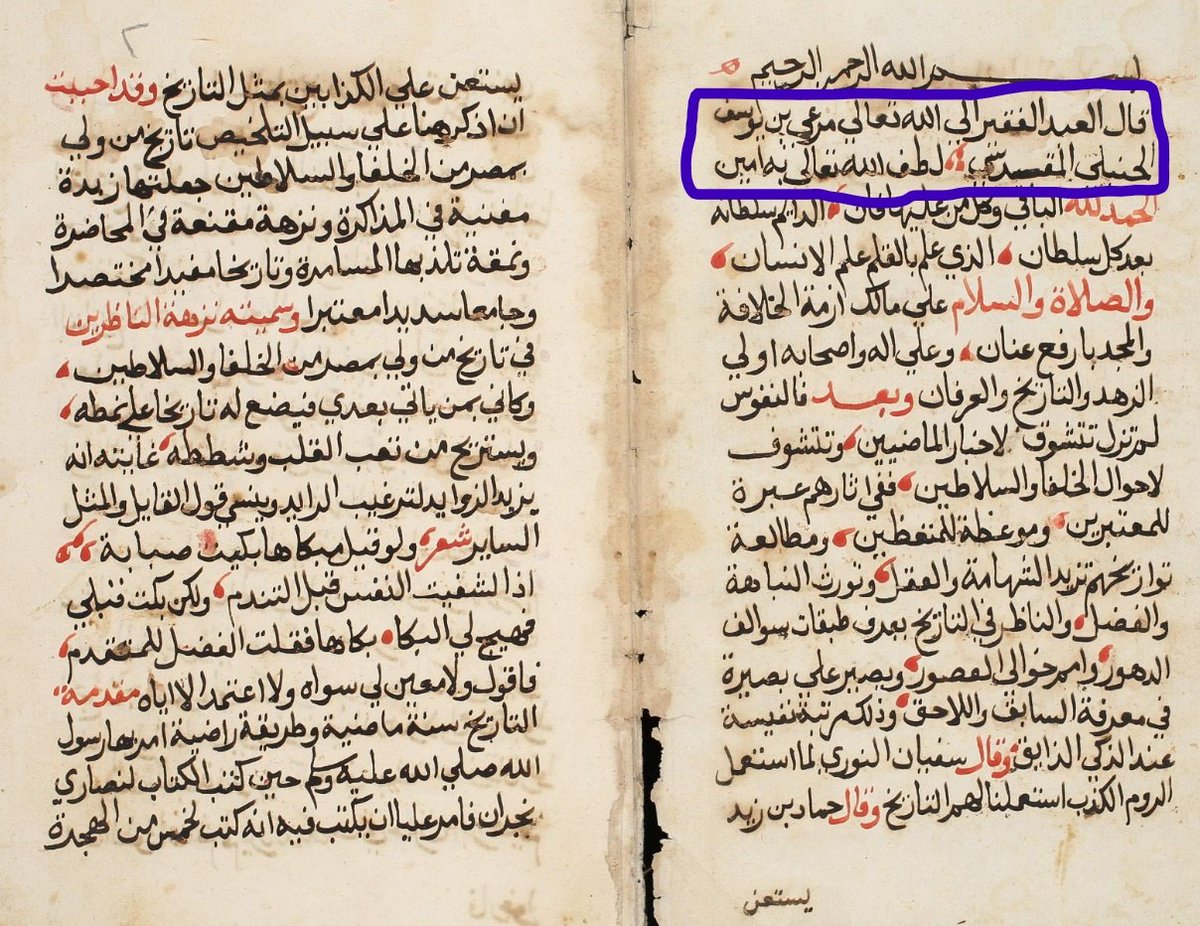
After the invocation (basmalah), you might have what this text has, which is an introduction of the author in the form "the poor slave of God [so-and-so] said..." often followed by a quick prayer for the author. -jm
Budeiry Library (Jerusalem) MS 593 -jm
These texts have many elements designed to help the reader understand what they're saying, and choices by the scribe who copied the manuscript often help as well. Let's see what's here. -jm
First, almost every Islamic text begins with the invocation "in the name of God, the compassionate, the merciful." The wording is never changed, and it's always in Arabic, no matter what language the text is, although you might add phrases like "and we ask God for help." -jm
Christians were able to do more experimentation with their invocations, as you can see from the examples here. https://t.co/wEPWRitCWA -jm
These little prayers are fun pic.twitter.com/hJYk2M01bO
— Josh Mugler (@J_mugs) February 16, 2019
After the invocation (basmalah), you might have what this text has, which is an introduction of the author in the form "the poor slave of God [so-and-so] said..." often followed by a quick prayer for the author. -jm

🌿𝑻𝒉𝒆 𝒔𝒕𝒐𝒓𝒚 𝒐𝒇 𝒂 𝑺𝒕𝒂𝒓 : 𝑫𝒉𝒓𝒖𝒗𝒂 & 𝑽𝒊𝒔𝒉𝒏𝒖
Once upon a time there was a Raja named Uttānapāda born of Svayambhuva Manu,1st man on earth.He had 2 beautiful wives - Suniti & Suruchi & two sons were born of them Dhruva & Uttama respectively.
#talesofkrishna https://t.co/E85MTPkF9W
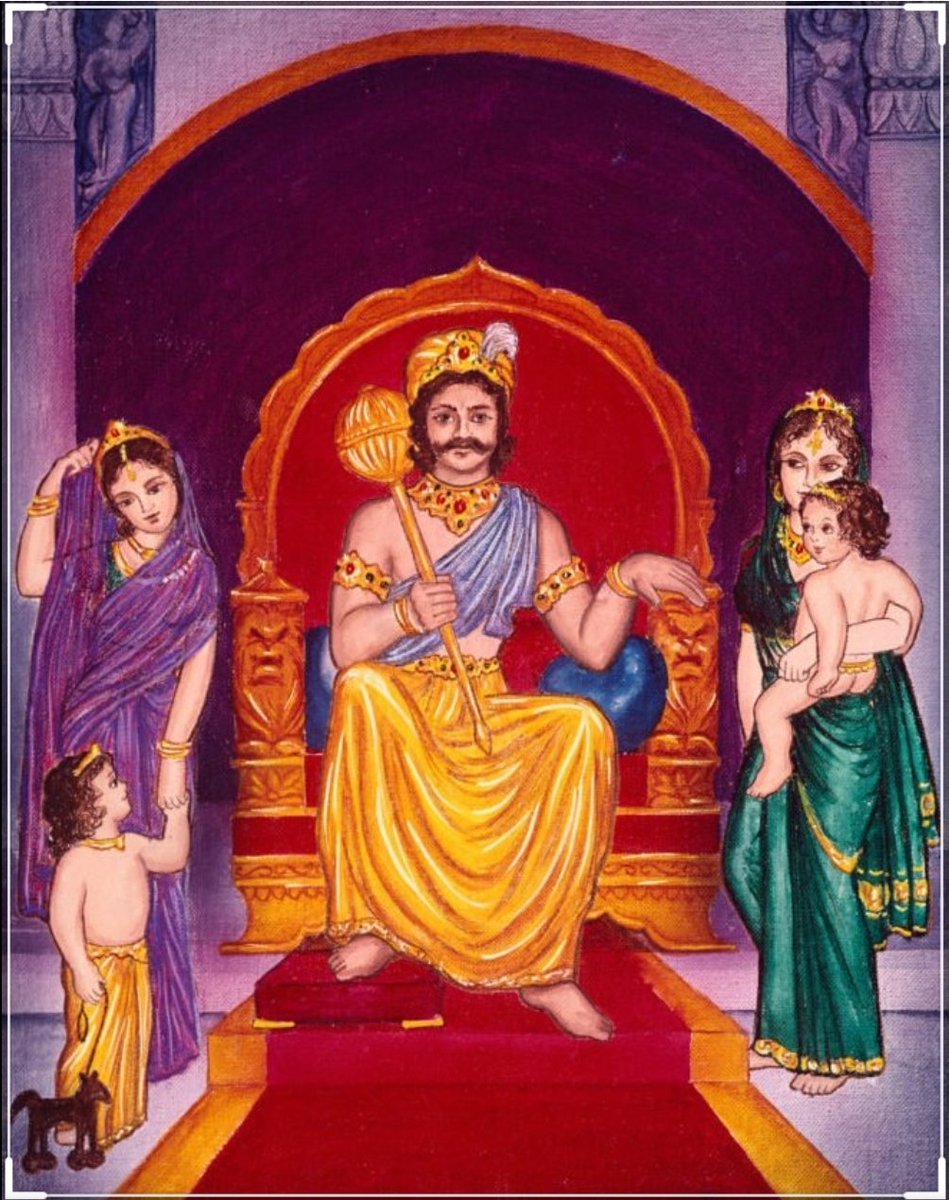
Now Suniti was the daughter of a tribal chief while Suruchi was the daughter of a rich king. Hence Suruchi was always favored the most by Raja while Suniti was ignored. But while Suniti was gentle & kind hearted by nature Suruchi was venomous inside.
#KrishnaLeela
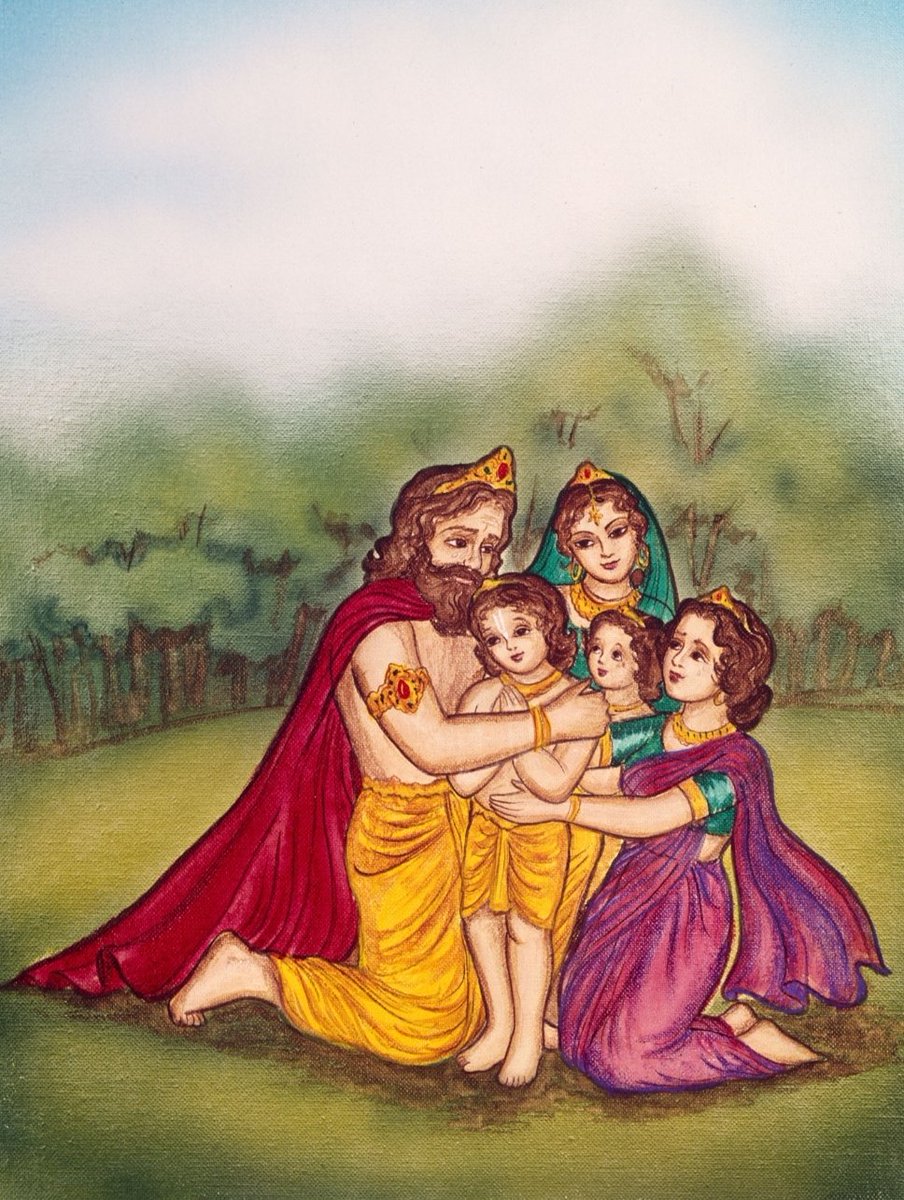
The story is of a time when ideally the eldest son of the king becomes the heir to the throne. Hence the sinhasan of the Raja belonged to Dhruva.This is why Suruchi who was the 2nd wife nourished poison in her heart for Dhruva as she knew her son will never get the throne.
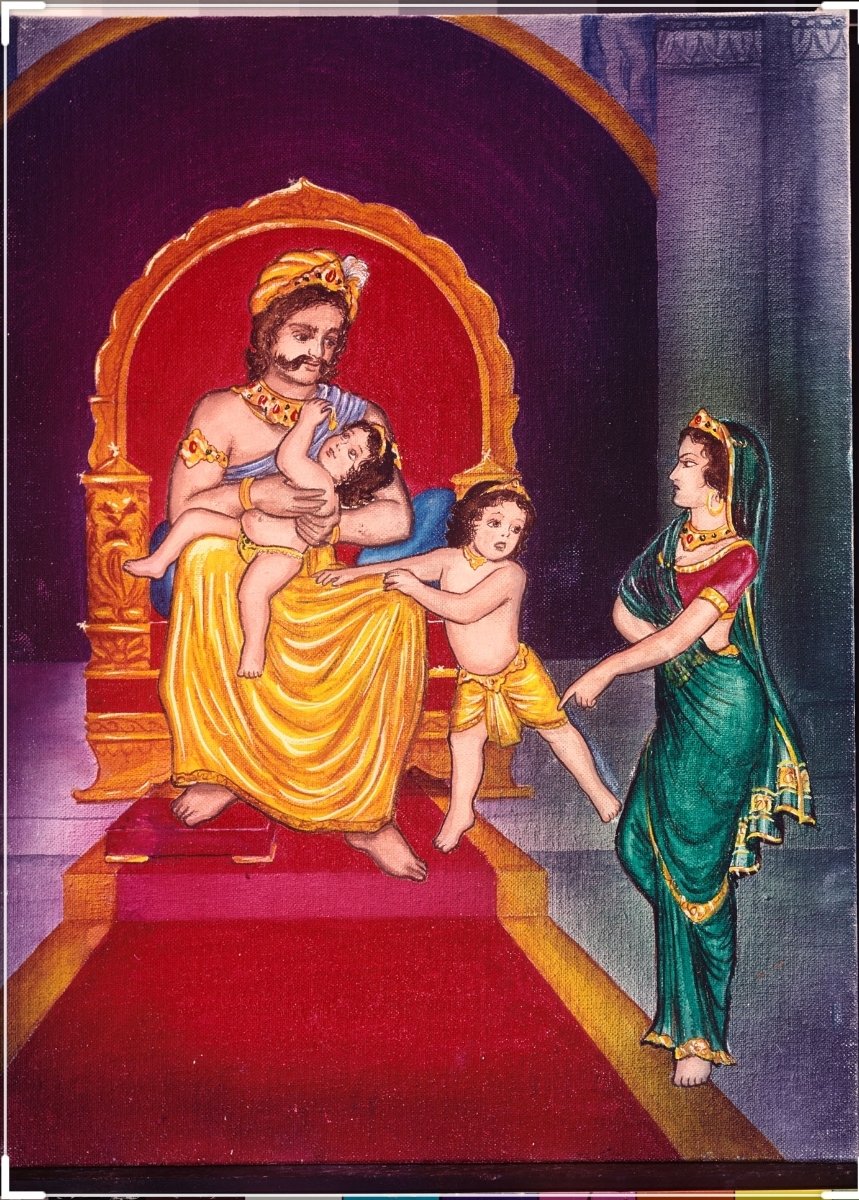
One day when Dhruva was just 5 years old he went on to sit on his father's lap. Suruchi, the jealous queen, got enraged and shoved him away from Raja as she never wanted Raja to shower Dhruva with his fatherly affection.
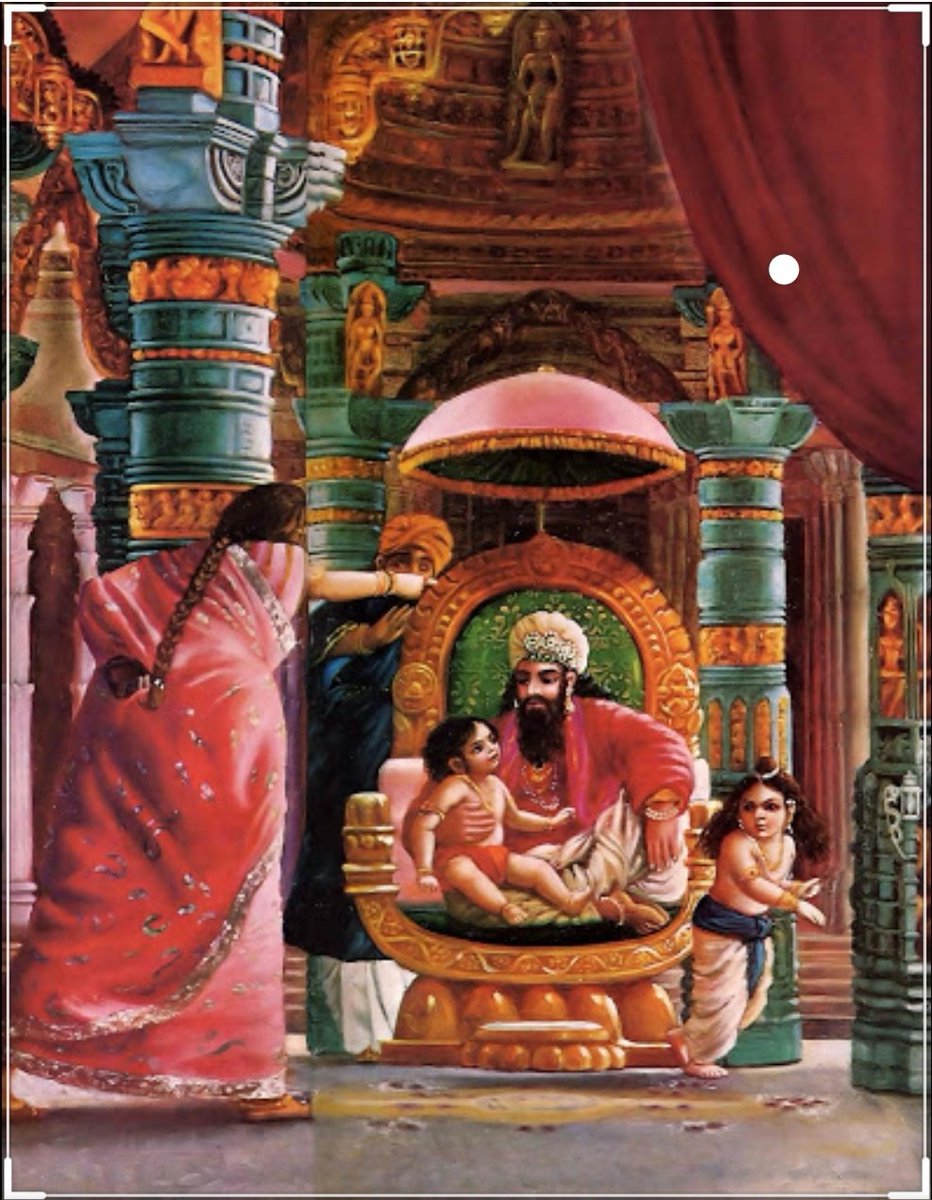
Dhruva protested questioning his step mother "why can't i sit on my own father's lap?" A furious Suruchi berated him saying "only God can allow him that privilege. Go ask him"
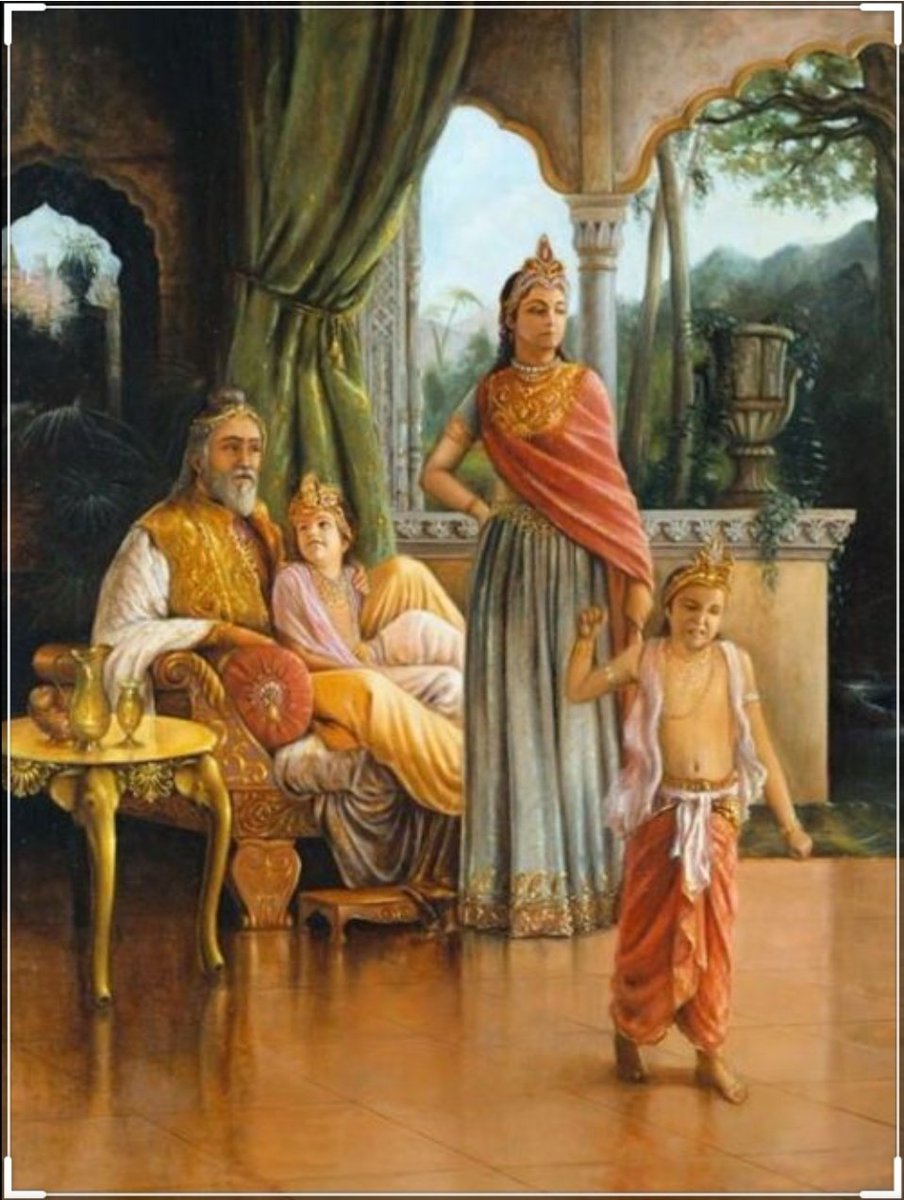
Once upon a time there was a Raja named Uttānapāda born of Svayambhuva Manu,1st man on earth.He had 2 beautiful wives - Suniti & Suruchi & two sons were born of them Dhruva & Uttama respectively.
#talesofkrishna https://t.co/E85MTPkF9W
Prabhu says i reside in the heart of my bhakt.
— Right Singh (@rightwingchora) December 21, 2020
Guess the event. pic.twitter.com/yFUmbfe5KL
Now Suniti was the daughter of a tribal chief while Suruchi was the daughter of a rich king. Hence Suruchi was always favored the most by Raja while Suniti was ignored. But while Suniti was gentle & kind hearted by nature Suruchi was venomous inside.
#KrishnaLeela
The story is of a time when ideally the eldest son of the king becomes the heir to the throne. Hence the sinhasan of the Raja belonged to Dhruva.This is why Suruchi who was the 2nd wife nourished poison in her heart for Dhruva as she knew her son will never get the throne.
One day when Dhruva was just 5 years old he went on to sit on his father's lap. Suruchi, the jealous queen, got enraged and shoved him away from Raja as she never wanted Raja to shower Dhruva with his fatherly affection.
Dhruva protested questioning his step mother "why can't i sit on my own father's lap?" A furious Suruchi berated him saying "only God can allow him that privilege. Go ask him"



You May Also Like






IMPORTANCE, ADVANTAGES AND CHARACTERISTICS OF BHAGWAT PURAN
It was Ved Vyas who edited the eighteen thousand shlokas of Bhagwat. This book destroys all your sins. It has twelve parts which are like kalpvraksh.
In the first skandh, the importance of Vedvyas
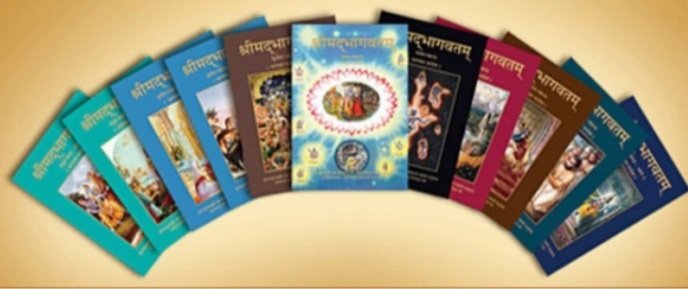
and characters of Pandavas are described by the dialogues between Suutji and Shaunakji. Then there is the story of Parikshit.
Next there is a Brahm Narad dialogue describing the avtaar of Bhagwan. Then the characteristics of Puraan are mentioned.
It also discusses the evolution of universe.( https://t.co/2aK1AZSC79 )
Next is the portrayal of Vidur and his dialogue with Maitreyji. Then there is a mention of Creation of universe by Brahma and the preachings of Sankhya by Kapil Muni.
In the next section we find the portrayal of Sati, Dhruv, Pruthu, and the story of ancient King, Bahirshi.
In the next section we find the character of King Priyavrat and his sons, different types of loks in this universe, and description of Narak. ( https://t.co/gmDTkLktKS )
In the sixth part we find the portrayal of Ajaamil ( https://t.co/LdVSSNspa2 ), Daksh and the birth of Marudgans( https://t.co/tecNidVckj )
In the seventh section we find the story of Prahlad and the description of Varnashram dharma. This section is based on karma vaasna.
It was Ved Vyas who edited the eighteen thousand shlokas of Bhagwat. This book destroys all your sins. It has twelve parts which are like kalpvraksh.
In the first skandh, the importance of Vedvyas
and characters of Pandavas are described by the dialogues between Suutji and Shaunakji. Then there is the story of Parikshit.
Next there is a Brahm Narad dialogue describing the avtaar of Bhagwan. Then the characteristics of Puraan are mentioned.
It also discusses the evolution of universe.( https://t.co/2aK1AZSC79 )
Next is the portrayal of Vidur and his dialogue with Maitreyji. Then there is a mention of Creation of universe by Brahma and the preachings of Sankhya by Kapil Muni.
HOW LIFE EVOLVED IN THIS UNIVERSE AS PER OUR SCRIPTURES.
— Anshul Pandey (@Anshulspiritual) August 29, 2020
Well maximum of Living being are the Vansaj of Rishi Kashyap. I have tried to give stories from different-different Puran. So lets start.... pic.twitter.com/MrrTS4xORk
In the next section we find the portrayal of Sati, Dhruv, Pruthu, and the story of ancient King, Bahirshi.
In the next section we find the character of King Priyavrat and his sons, different types of loks in this universe, and description of Narak. ( https://t.co/gmDTkLktKS )
Thread on NARK(HELL) / \u0928\u0930\u094d\u0915
— Anshul Pandey (@Anshulspiritual) August 11, 2020
Well today i will take you to a journey where nobody wants to go i.e Nark. Hence beware of doing Adharma/Evil things. There are various mentions in Puranas about Nark, But my Thread is only as per Bhagwat puran(SS attached in below Thread)
1/8 pic.twitter.com/raHYWtB53Q
In the sixth part we find the portrayal of Ajaamil ( https://t.co/LdVSSNspa2 ), Daksh and the birth of Marudgans( https://t.co/tecNidVckj )
In the seventh section we find the story of Prahlad and the description of Varnashram dharma. This section is based on karma vaasna.
#THREAD
— Anshul Pandey (@Anshulspiritual) August 12, 2020
WHY PARENTS CHOOSE RELIGIOUS OR PARAMATMA'S NAMES FOR THEIR CHILDREN AND WHICH ARE THE EASIEST WAY TO WASH AWAY YOUR SINS.
Yesterday I had described the types of Naraka's and the Sin or Adharma for a person to be there.
1/8 pic.twitter.com/XjPB2hfnUC




MDZS is laden with buddhist references. As a South Asian person, and history buff, it is so interesting to see how Buddhism, which originated from India, migrated, flourished & changed in the context of China. Here's some research (🙏🏼 @starkjeon for CN insight + citations)
1. LWJ’s sword Bichen ‘is likely an abbreviation for the term 躲避红尘 (duǒ bì hóng chén), which can be translated as such: 躲避: shunning or hiding away from 红尘 (worldly affairs; which is a buddhist teaching.) (https://t.co/zF65W3roJe) (abbrev. TWX)
2. Sandu (三 毒), Jiang Cheng’s sword, refers to the three poisons (triviṣa) in Buddhism; desire (kāma-taṇhā), delusion (bhava-taṇhā) and hatred (vibhava-taṇhā).
These 3 poisons represent the roots of craving (tanha) and are the cause of Dukkha (suffering, pain) and thus result in rebirth.
Interesting that MXTX used this name for one of the characters who suffers, arguably, the worst of these three emotions.
3. The Qian kun purse “乾坤袋 (qián kūn dài) – can be called “Heaven and Earth” Pouch. In Buddhism, Maitreya (मैत्रेय) owns this to store items. It was believed that there was a mythical space inside the bag that could absorb the world.” (TWX)