2/9
Rig Ved 1.36.7
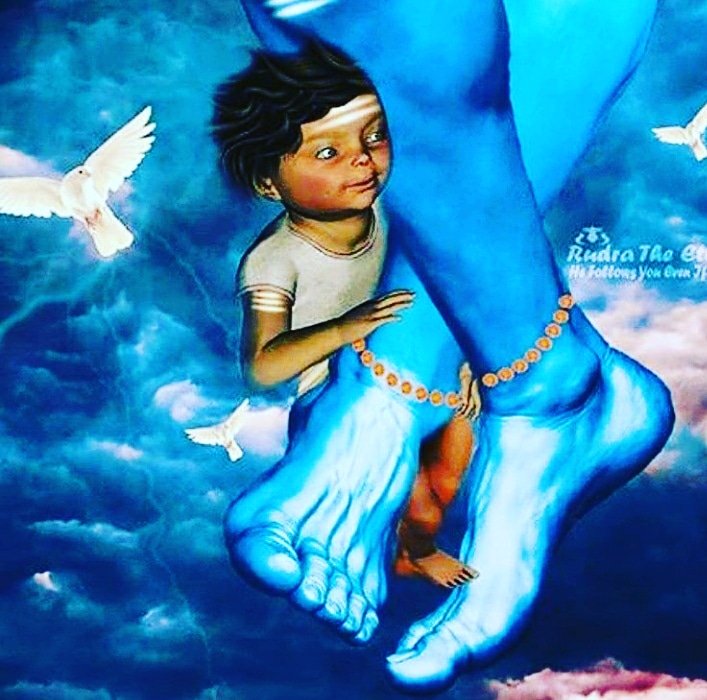
To do a Namaskaar or bow before someone means that you are humble or without pride and ego. This means that we politely bow before you since you are better than me. Pranipaat(प्राणीपात) also means the same that we respect you without any vanity.
1/9
2/9
3/9
होत्रा॑भिर॒ग्निं मनु॑षः॒ समिं॑धते तिति॒र्वांसो॒ अति॒ स्रिधः॑॥
Translation :
नमस्विनः - To bow.
स्वराजम् - Self illuminating.
तम् - His.
घ ईम् - Yours.
इत्था - This way.
उप - Upaasana.
आसते - To do.
स्त्रिधः - For enemies.
4/9
मनुषः - Yajman.
होत्राभिः - In seven numbers.
अग्निम् - Agnidev.
समिन्धते - Illuminated on all sides.
Explanation : Yajmans bow(do Namaskaar) before self illuminating Agnidev by making the offerings of Havi.
5/9
Deep meaning: To do a Namaskaar or bow before someone means that you are humble or without pride and ego. This means that we politely bow before you since you are better than me.
6/9
7/9
8/9
https://t.co/lN9gaoTnBj
Instagram link👇
https://t.co/V5RODQuCio
Facebook link👇
https://t.co/tipsBG750e
#RigVedPositivity
9/9
https://t.co/HW0hVRCzCl
\u0939\u092e \u0928\u092e\u0928 \u0915\u0930\u0924\u0947 \u0939\u0948 \u0915\u093f \u0906\u092a \u0939\u092e\u0915\u094b \u0906\u0924\u094d\u092e\u0938\u093e\u0924 \u0915\u0930\u0947\u0902,\u0909\u0938 \u0932\u093e\u092f\u0915 \u092c\u0928\u0947\u0902\u0964 \u0939\u092e\u093e\u0930\u0947 \u0935\u093f\u0915\u093e\u0930\u094b\u0902 \u0915\u093e \u0924\u094d\u092f\u093e\u0917 \u0939\u0940 \u0928\u092e\u0938\u094d\u0915\u093e\u0930 \u0939\u0948, \u0938\u092e\u0930\u094d\u092a\u0923 \u0915\u0930\u0928\u093e \u0939\u0940 \u0928\u092e\u0938\u094d\u0915\u093e\u0930 \u0939\u0948\u0964 \u0907\u0938\u0940\u0932\u093f\u092f\u0947 \u0905\u0928\u0941\u0937\u094d\u0920\u093e\u0928 \u0915\u0947 \u092a\u0939\u0932\u0947 \u0914\u0930 \u0905\u0902\u0924 \u092e\u0947 \u092f\u0939\u0940 \u092a\u094d\u0930\u093e\u0930\u094d\u0925\u0928\u093e \u0915\u0930\u0924\u0947 \u0939\u0948\u0902\u0964@Anshulspiritual
— \u092a\u0902\u0921\u093f\u0924 \u0935\u093f\u0936\u093e\u0932 \u0936\u094d\u0930\u094b\u0924\u094d\u0930\u093f\u092f (@VishalS50533075) December 26, 2020
More from Anshul Pandey
WHY DID KING DAKSH BEHAVE NEGATIVELY TOWARDS SHIVA AND SATI.
It was actually the shakti form of devi which took birth as Sati in Daksh's house who acquired this name due to her satya swarup.
Everyone is aware of the story as to why Sati jumped into the Yagya fire.
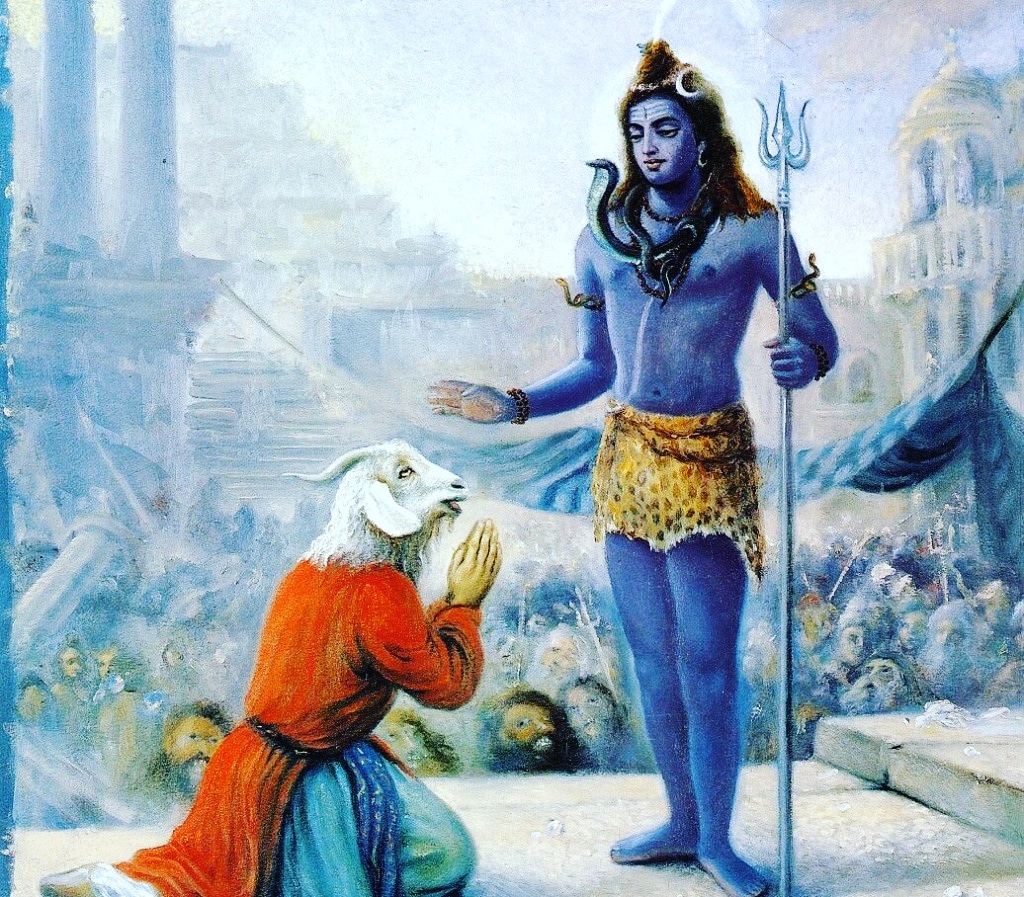
But there is a story behind the reason for the negative behaviour of Daksh.
It so happened that once Rishi Durvasa went to Devi Jambunadeshwari and after her darshan recited the Mayabeej mantra. The devi happily gave him a divine Garland. Durvasa happily accepted it and left.
On his way he met Daksh who was eager to get the divine Garland. He requested the Rishi to give him that Garland. Knowing that Daksh was a good person, Durvasa gave the garland to him.
But Daksh casually kept the garland on his bed and went about doing his earthly instinctive work. Due to this insulting behaviour of Daksh for the divine garland, he developed a negative feeling for Shiva and Sati(Aadi Shakti).
Source - Devi puran
Instagram link👇
https://t.co/papGLZvcaI
Facebook
It was actually the shakti form of devi which took birth as Sati in Daksh's house who acquired this name due to her satya swarup.
Everyone is aware of the story as to why Sati jumped into the Yagya fire.
But there is a story behind the reason for the negative behaviour of Daksh.
It so happened that once Rishi Durvasa went to Devi Jambunadeshwari and after her darshan recited the Mayabeej mantra. The devi happily gave him a divine Garland. Durvasa happily accepted it and left.
On his way he met Daksh who was eager to get the divine Garland. He requested the Rishi to give him that Garland. Knowing that Daksh was a good person, Durvasa gave the garland to him.
But Daksh casually kept the garland on his bed and went about doing his earthly instinctive work. Due to this insulting behaviour of Daksh for the divine garland, he developed a negative feeling for Shiva and Sati(Aadi Shakti).
Source - Devi puran
Instagram link👇
https://t.co/papGLZvcaI