THREAD on Hindu Architecture.
Recently when the 3D renders for the new Parliament building was was made public, it was mostly met with criticism here on twitter. Criticized for failing to incorporate elements of architecture which represent splendour of our Hindu civilization(1)
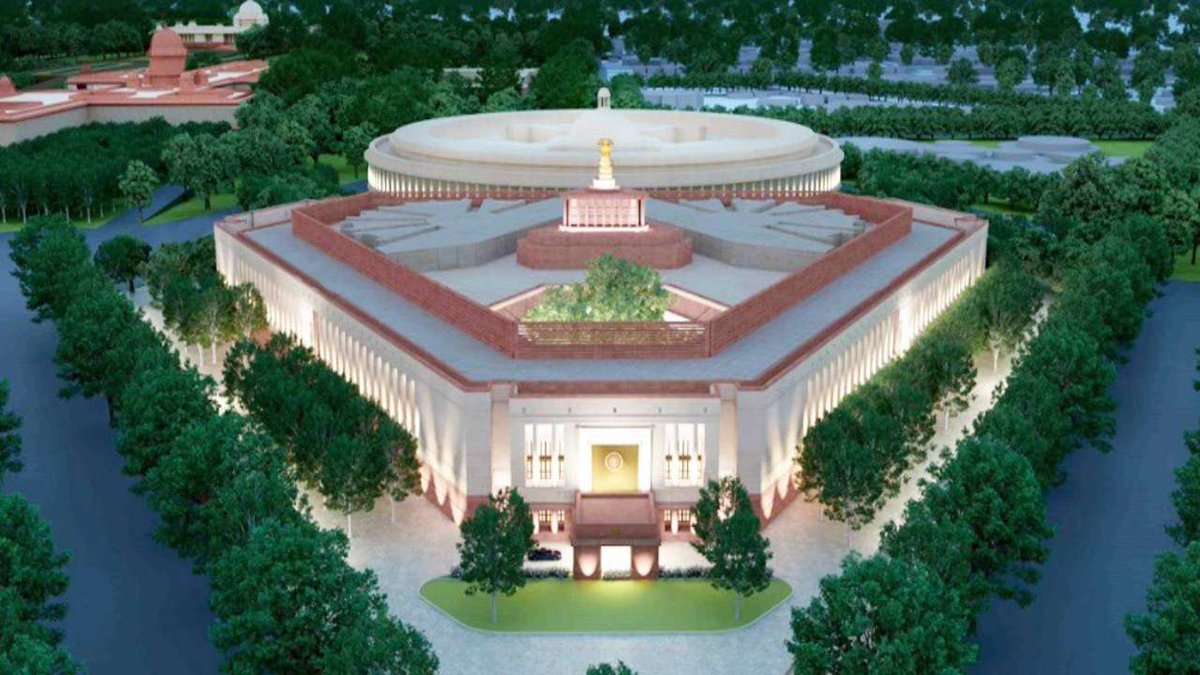
The reason being the complete abandonment a huge vast ocean of literature on Hindu architecture. (3)
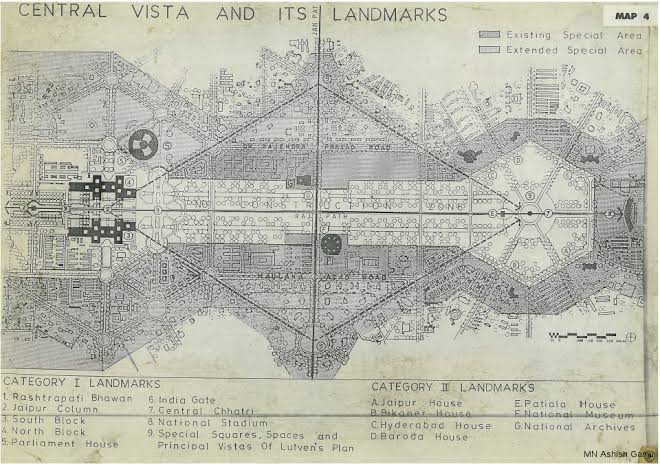
The new parliament building is just a continuation of this flaw which we have failed to remedy till now (5)
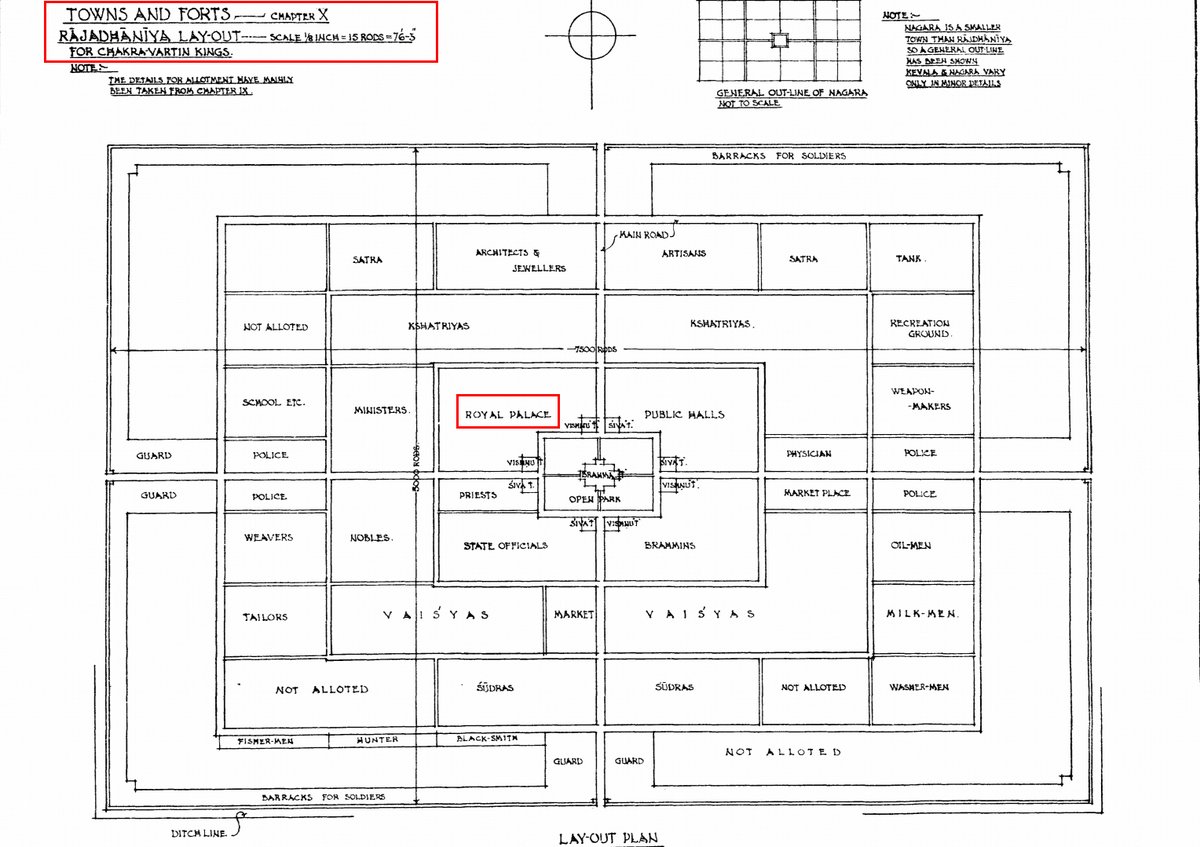
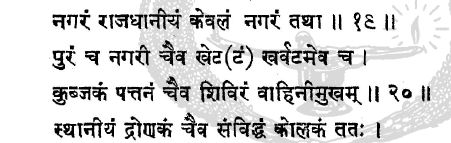
1)Rajadhani
2)Nagara
3)Pura
4)Nagari
5)Kheta
6)Kharvata
7)Kubjaka
8)Pattana
The map in the above tweet is that of the Rajadhani. Each of the other 7 classes of towns/cities have a specific design. (8)
(9)
1) Chakravarthin
2) Maharaja
3) Narendra
4) Parshinkha
5) Pattadhara
6) Mandalesha
7) Pattabhaj
8) Praharaka
(10)
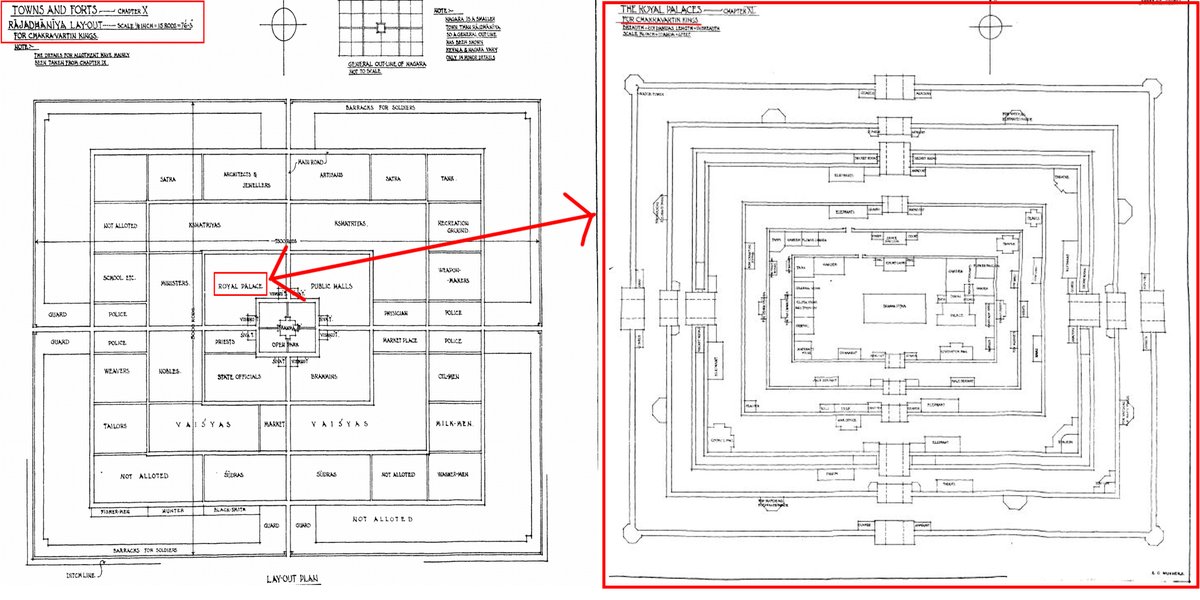
The Manasara lays down specific rules on how the Palaces of each of these kings needs to be constructed. (11)
As one can see the palace itself doesn't exist in isolation. It is rather part & continuation of the elaborate plan of the Rajadhani (capital) (12)
1) Manoprakarana vidhana.(System of measurement)
2) Bhu pariksha & Bhumi samgraha (Examination of soil & selection of construction site) (15)
4) Pada vinyasa(Groundplan)
5) Gramalakshana vidhana(characteristics of villages)
6) Nagara Vidhana (characteristics of towns & cities)
7) Bhumilamba vidhana (Dimensions of buildings)
(16)
9) Upapeetha vidhana (design of Pedestal)
10) Adhisthana vidhana(design of the Base)
11) Stambha lakshana vidhana(classification of pillars)
12) Prastara Vidhana(design of the entablature)
13) Sandhikarma vidhana(wood joinery)
(17)
The Manasara describes buildings in detail based on the number of storeys. From single to 12 storey buildings. Within each of these storeys, the buildings are further divided into different types.
(18)
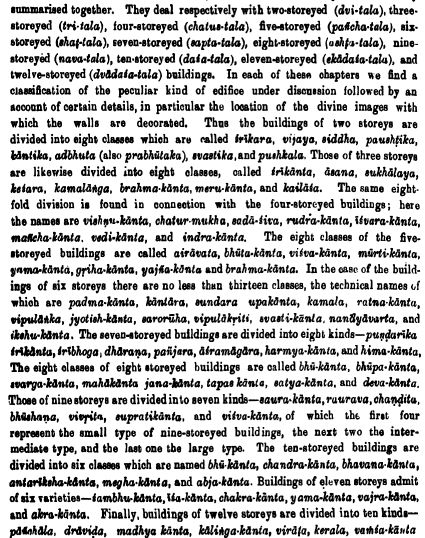
16) Gopura Vidhana(gate house)
17) Mandapa vidhana(Pavilions)
18) Griha mana sthana vinyasa(Location & measurement of houses)
19) Dvara-sthana(Location of doors)
20) Dvara-mana-vidhana(measurement of doors)
(19)
22) Rajanga-lakshana Vidhana(Royal courts)
23) Ratha-lakshana Vidhana( Cars & chariots)
24) Sayana vidhana(Couches)
25) Simhasana lakshana vidhana(Thrones)
26) Torana Vidhana(Arches)
27) Madhyaranga Vidhana(Theatre)
(20)
The Manasara Shilpashastra is the most comprehensive text on Hindu architecture. Infact it covers architecture more comprehensively than Vitruvius' De architectura(Roman architecture)
(21)
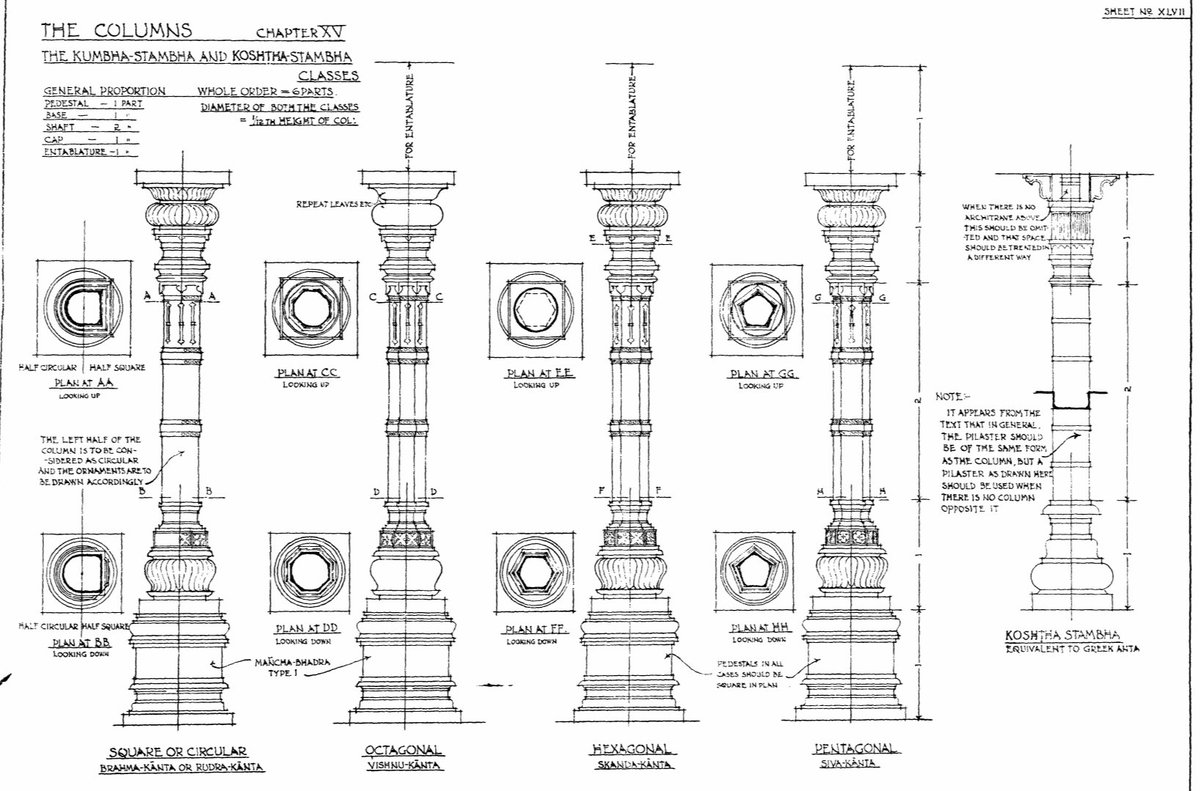
The Manasara was codified during the classical age of the Guptas & remained the standard till the invasions. (23)
So did Vitruvius. His patron was a Roman emperor. Yet western architecture has evolved into what it is today due to continued use. (26)
1) Mayamata Shilpa-Shastra
2) Anshumadbheda of Rishi kashyapa
3) Vishvakarma Shilpa
4) Sanatkumara Vaastu Shastra
5) Shilpa shastra of Mandhana
6) Shilpa Samgraha
(28)
(29)
More from Ugra



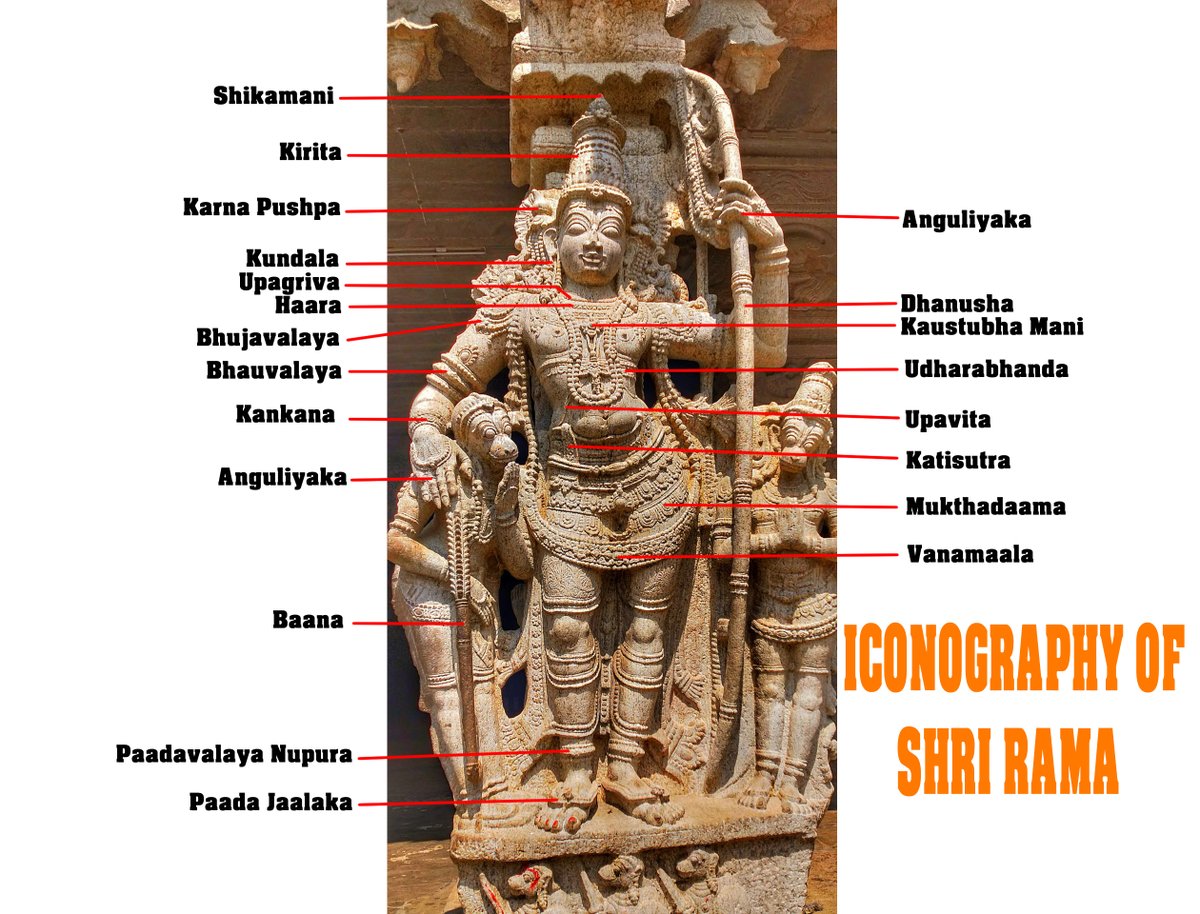
A THREAD on the principles of Hindu iconography & iconometry. In order to fully be able to appreciate our ancient art,one must have a rudimentary knowledge of the various terminologies & methodologies employed by ancient artisans & builders. We'll dwell on that in this thread (1)
Before we proceed any further, I'd like you to have a look at the below THREAD on the ancient Hindu system of measurement. A lot of terminologies from there will be used here too. Get yourself acquainted with the different units of Hindu measurement
The ancient Temple builders i.e. the Sthapatis, have consulted various Shastras in order to execute all their wondrous workmanship. The Shastras are many, yet there is much commonality than differences in them. (3)
This vast ocean of knowledge revealed by the Devas to the ancient Rishis has resulted in the various different styles of Temple building, image making, rock sculpturing etc (4)
Some of the important Shastras consulted by the Sthapatis:
1) Vishnudharmotthara purana
2) Agni Purana
3) Matsya Purana
4) Brihat Samhita
Above texts contain a vast ocean of info on Temple building. Ancient Temples of Northern Bharat were built according to this tradition (5)
Before we proceed any further, I'd like you to have a look at the below THREAD on the ancient Hindu system of measurement. A lot of terminologies from there will be used here too. Get yourself acquainted with the different units of Hindu measurement
THREAD on ancient Hindu system of measurement(\u092e\u093e\u0928\u093e\u092a\u0915\u0930\u0923\u0935\u093f\u0927\u093e\u0928\u092e\u094d)
— Ugra (@_ugra_) December 23, 2020
The Shilpa shastras give much insight into how dimensions such as length,width,height etc were measured. It is using this system that the smallest of murthis to the biggest of buildings were planned & constructed (1) pic.twitter.com/SWEHym3KWj
The ancient Temple builders i.e. the Sthapatis, have consulted various Shastras in order to execute all their wondrous workmanship. The Shastras are many, yet there is much commonality than differences in them. (3)
This vast ocean of knowledge revealed by the Devas to the ancient Rishis has resulted in the various different styles of Temple building, image making, rock sculpturing etc (4)
Some of the important Shastras consulted by the Sthapatis:
1) Vishnudharmotthara purana
2) Agni Purana
3) Matsya Purana
4) Brihat Samhita
Above texts contain a vast ocean of info on Temple building. Ancient Temples of Northern Bharat were built according to this tradition (5)