A THREAD detailing the daily routine of Hindu emperors of the past during peace time. Once we are done through with the thread, one will realize what a contrast the present day secular state is to the Hindu Samrajyas of the past. As to how far we've moved away from tradition (1)
that the daily festivals were being celebrated regularly. (10)
"The talaaris are always actively vigilant in watching
Vidyanagara and its outer suburbs day and night. Therefore,
the people of the eighteen castes (who inhabit the city) are
enjoying happiness and great prosperity" (16)
When that was over, he'd summoned his ministers & Dalapati (Commander in the military) and took counsel with them privately for sometime. (18)
72 niyogas, palaiyagars (military governers), amaranayakas (nobles), purohits, acharyas, jiyangars, jyothishyas, Vaidyanathas(physicians), cavaliers, mahuts (19)
More from Ugra
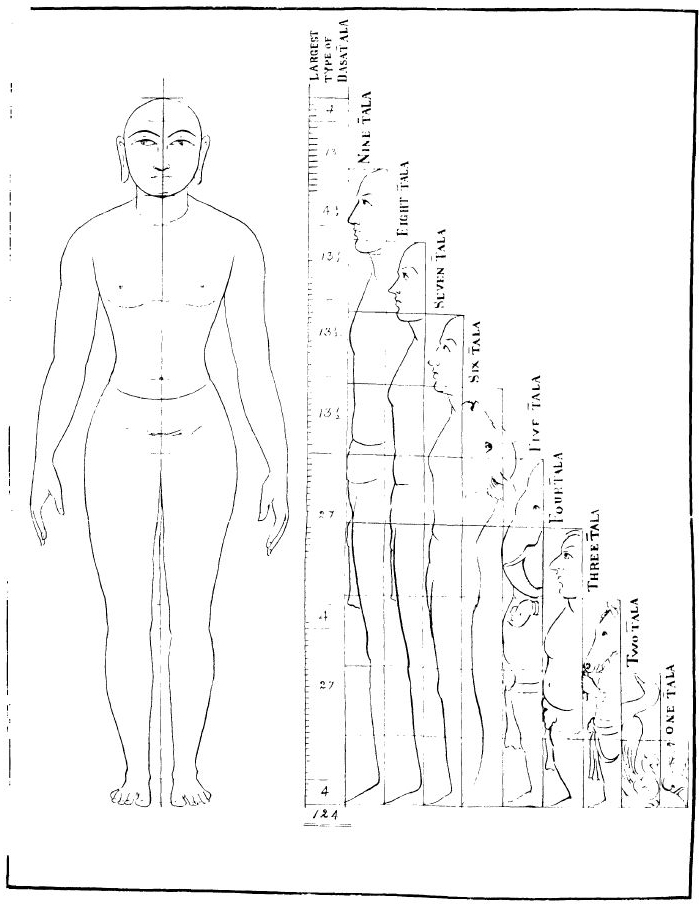
A THREAD on the principles of Hindu iconography & iconometry. In order to fully be able to appreciate our ancient art,one must have a rudimentary knowledge of the various terminologies & methodologies employed by ancient artisans & builders. We'll dwell on that in this thread (1)
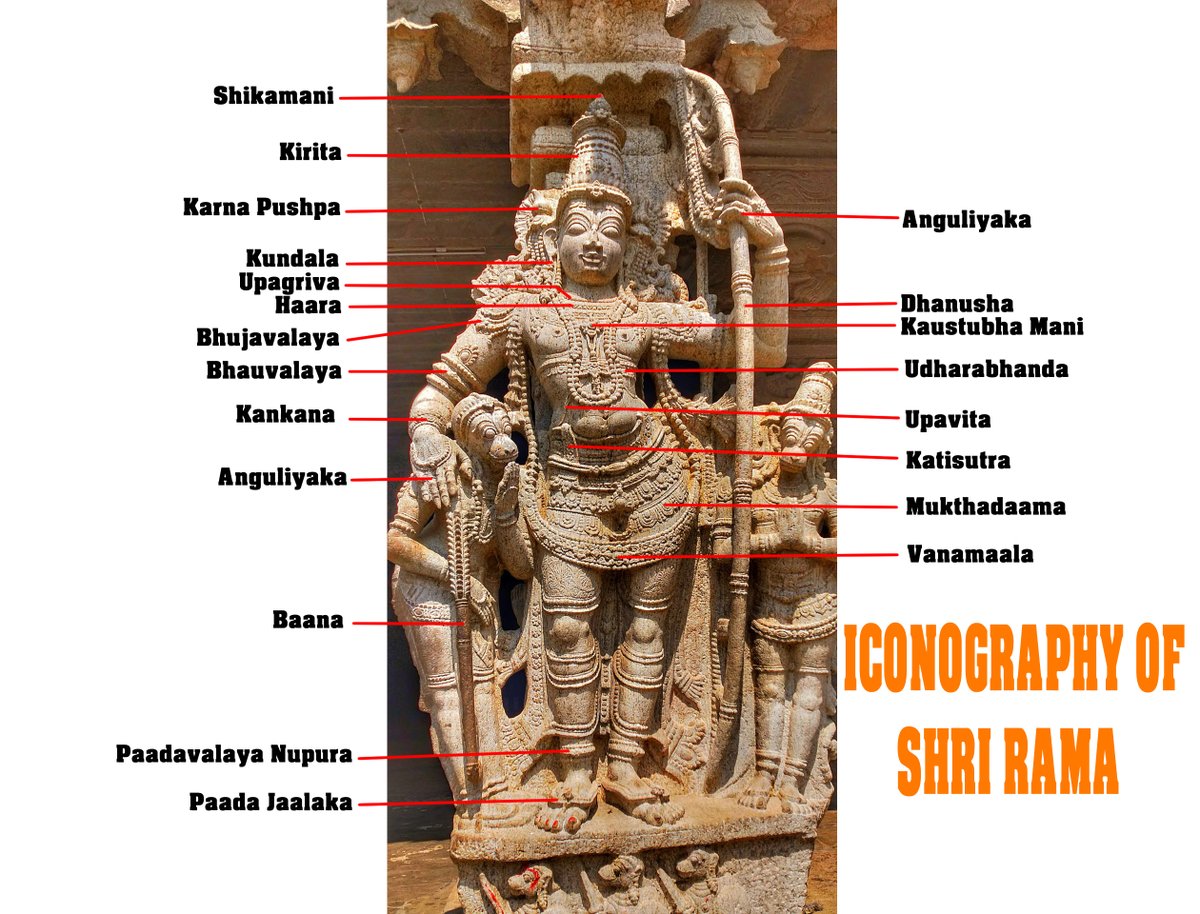
Before we proceed any further, I'd like you to have a look at the below THREAD on the ancient Hindu system of measurement. A lot of terminologies from there will be used here too. Get yourself acquainted with the different units of Hindu measurement
The ancient Temple builders i.e. the Sthapatis, have consulted various Shastras in order to execute all their wondrous workmanship. The Shastras are many, yet there is much commonality than differences in them. (3)
This vast ocean of knowledge revealed by the Devas to the ancient Rishis has resulted in the various different styles of Temple building, image making, rock sculpturing etc (4)
Some of the important Shastras consulted by the Sthapatis:
1) Vishnudharmotthara purana
2) Agni Purana
3) Matsya Purana
4) Brihat Samhita
Above texts contain a vast ocean of info on Temple building. Ancient Temples of Northern Bharat were built according to this tradition (5)
Before we proceed any further, I'd like you to have a look at the below THREAD on the ancient Hindu system of measurement. A lot of terminologies from there will be used here too. Get yourself acquainted with the different units of Hindu measurement
THREAD on ancient Hindu system of measurement(\u092e\u093e\u0928\u093e\u092a\u0915\u0930\u0923\u0935\u093f\u0927\u093e\u0928\u092e\u094d)
— Ugra (@_ugra_) December 23, 2020
The Shilpa shastras give much insight into how dimensions such as length,width,height etc were measured. It is using this system that the smallest of murthis to the biggest of buildings were planned & constructed (1) pic.twitter.com/SWEHym3KWj
The ancient Temple builders i.e. the Sthapatis, have consulted various Shastras in order to execute all their wondrous workmanship. The Shastras are many, yet there is much commonality than differences in them. (3)
This vast ocean of knowledge revealed by the Devas to the ancient Rishis has resulted in the various different styles of Temple building, image making, rock sculpturing etc (4)
Some of the important Shastras consulted by the Sthapatis:
1) Vishnudharmotthara purana
2) Agni Purana
3) Matsya Purana
4) Brihat Samhita
Above texts contain a vast ocean of info on Temple building. Ancient Temples of Northern Bharat were built according to this tradition (5)


More from Religion

🌿𝑻𝒉𝒆 𝒔𝒕𝒐𝒓𝒚 𝒐𝒇 𝒂 𝑺𝒕𝒂𝒓 : 𝑫𝒉𝒓𝒖𝒗𝒂 & 𝑽𝒊𝒔𝒉𝒏𝒖
Once upon a time there was a Raja named Uttānapāda born of Svayambhuva Manu,1st man on earth.He had 2 beautiful wives - Suniti & Suruchi & two sons were born of them Dhruva & Uttama respectively.
#talesofkrishna https://t.co/E85MTPkF9W
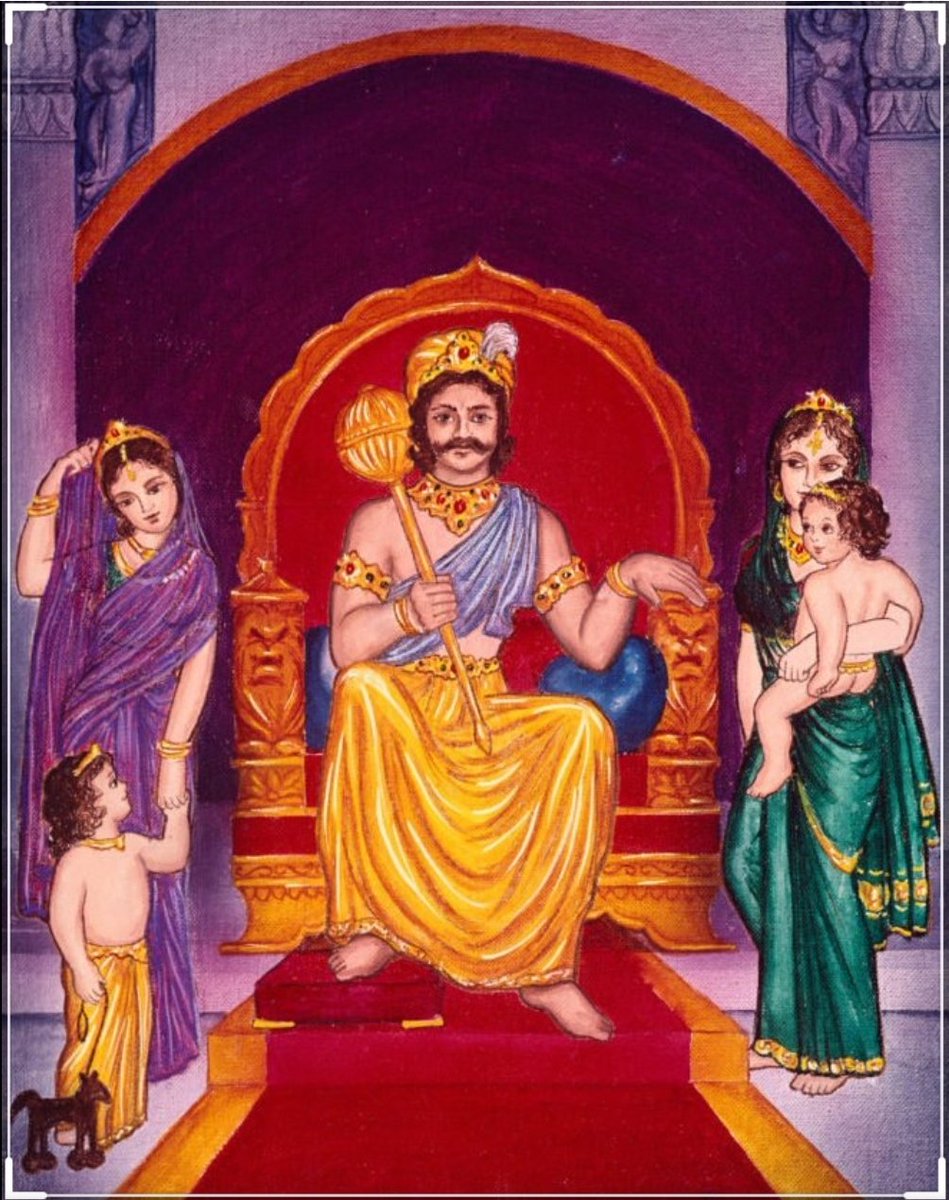
Now Suniti was the daughter of a tribal chief while Suruchi was the daughter of a rich king. Hence Suruchi was always favored the most by Raja while Suniti was ignored. But while Suniti was gentle & kind hearted by nature Suruchi was venomous inside.
#KrishnaLeela
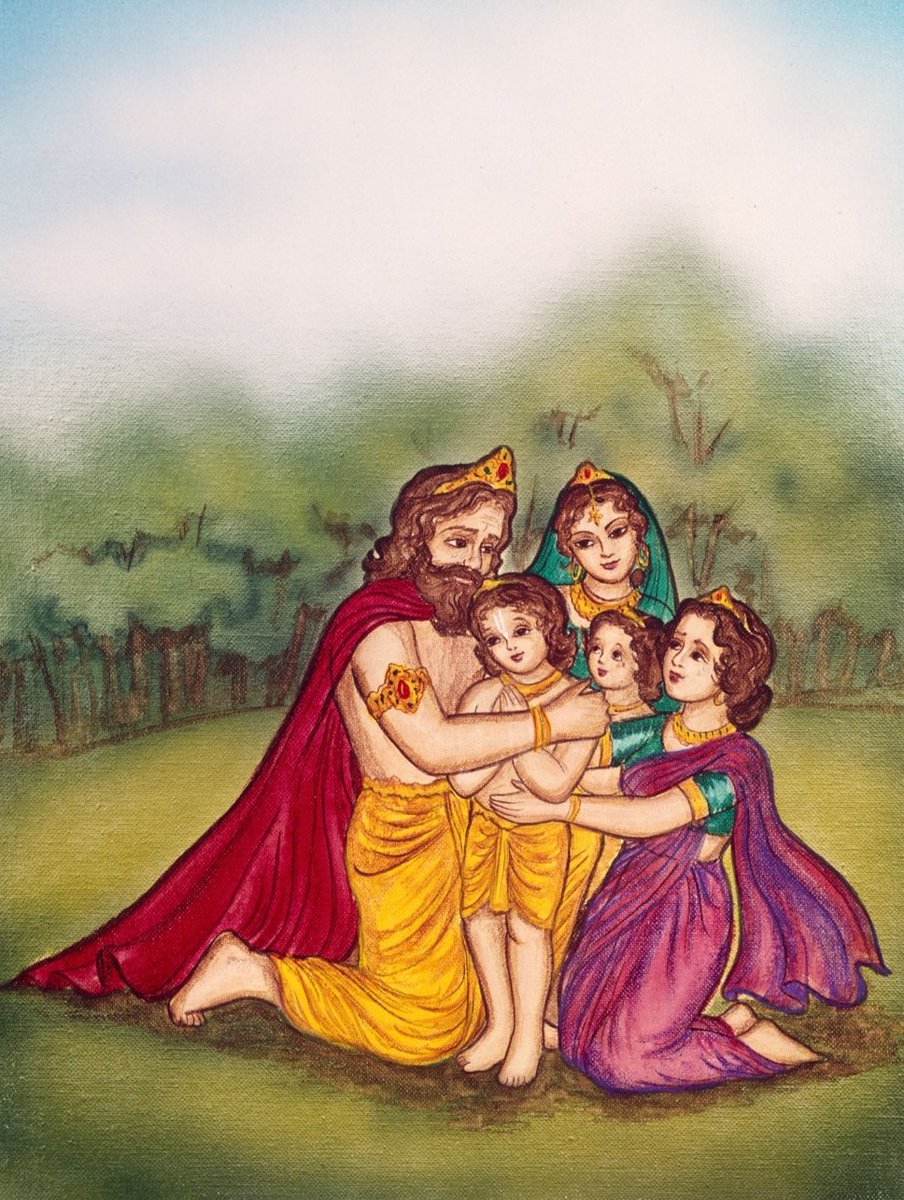
The story is of a time when ideally the eldest son of the king becomes the heir to the throne. Hence the sinhasan of the Raja belonged to Dhruva.This is why Suruchi who was the 2nd wife nourished poison in her heart for Dhruva as she knew her son will never get the throne.
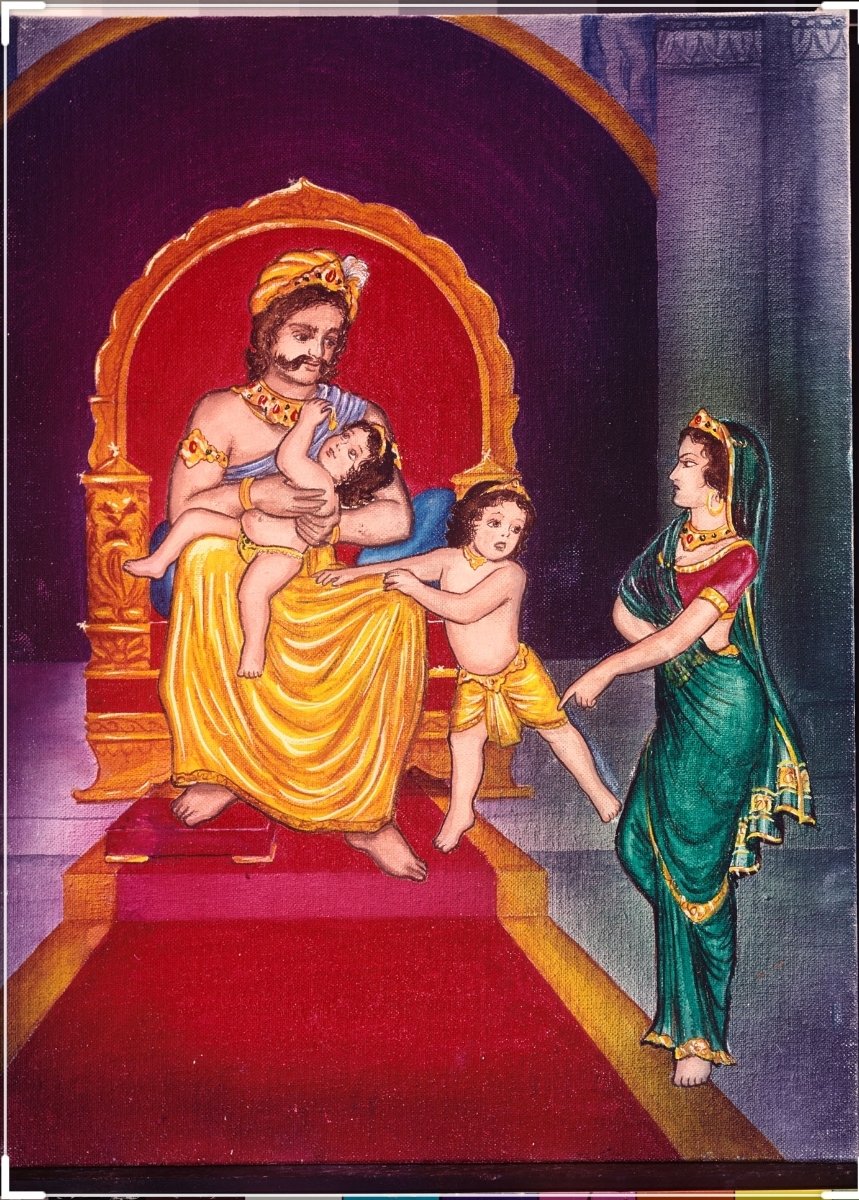
One day when Dhruva was just 5 years old he went on to sit on his father's lap. Suruchi, the jealous queen, got enraged and shoved him away from Raja as she never wanted Raja to shower Dhruva with his fatherly affection.
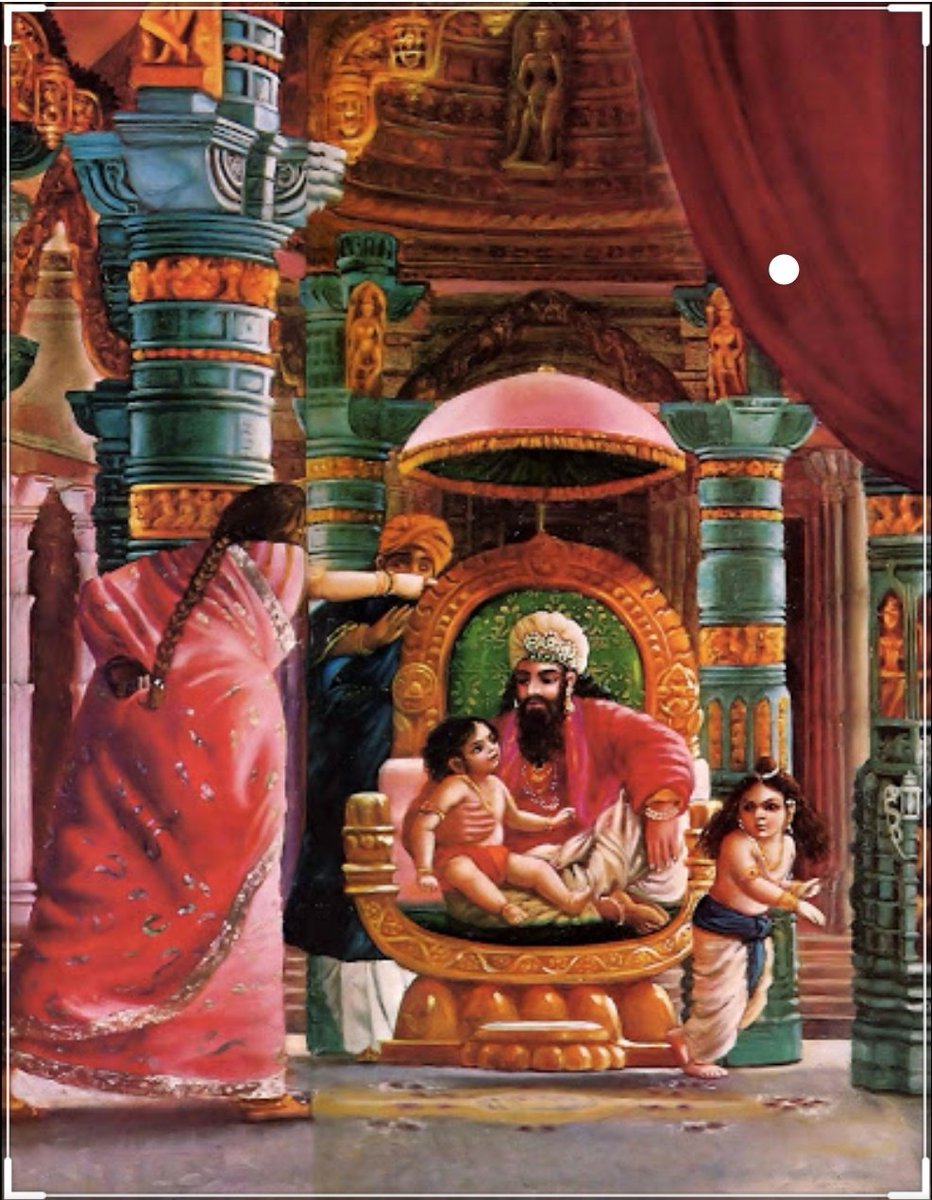
Dhruva protested questioning his step mother "why can't i sit on my own father's lap?" A furious Suruchi berated him saying "only God can allow him that privilege. Go ask him"
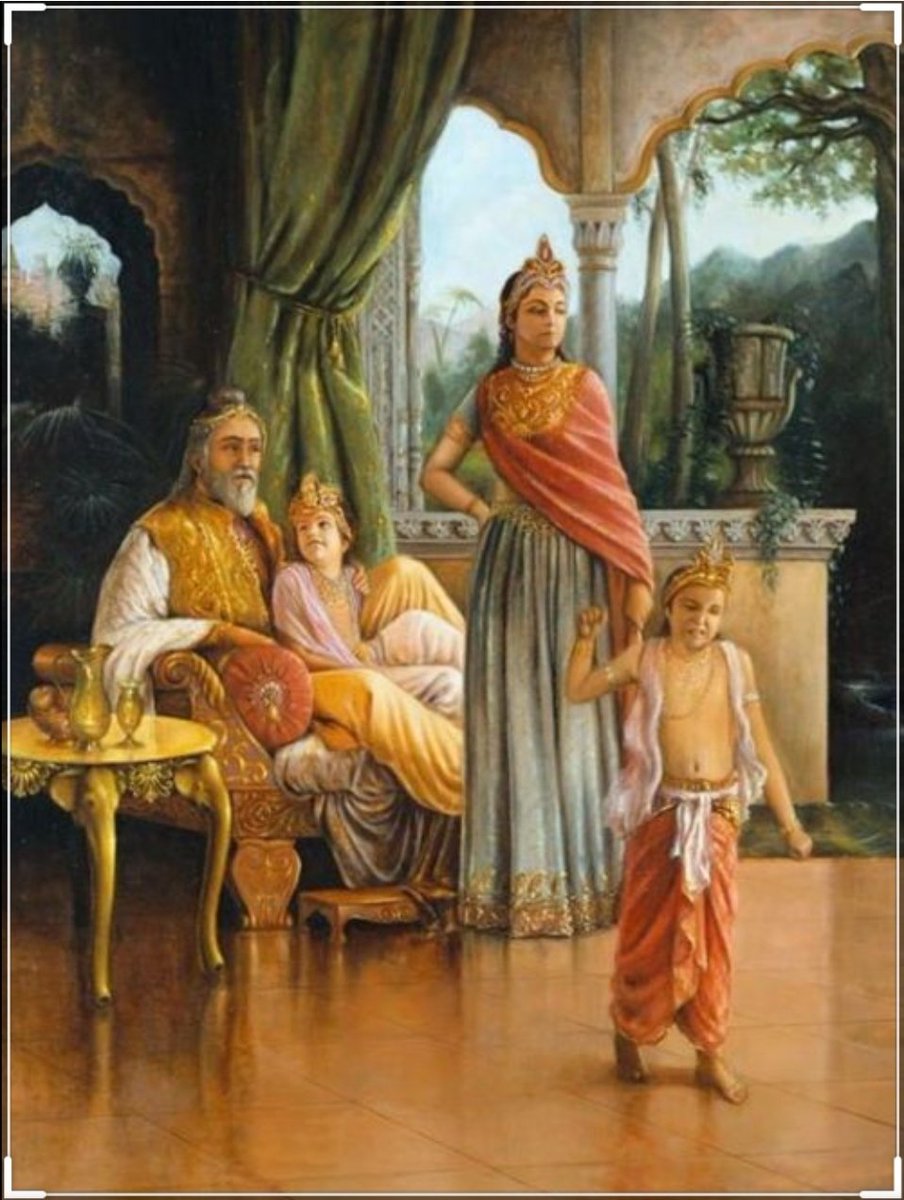
Once upon a time there was a Raja named Uttānapāda born of Svayambhuva Manu,1st man on earth.He had 2 beautiful wives - Suniti & Suruchi & two sons were born of them Dhruva & Uttama respectively.
#talesofkrishna https://t.co/E85MTPkF9W
Prabhu says i reside in the heart of my bhakt.
— Right Singh (@rightwingchora) December 21, 2020
Guess the event. pic.twitter.com/yFUmbfe5KL
Now Suniti was the daughter of a tribal chief while Suruchi was the daughter of a rich king. Hence Suruchi was always favored the most by Raja while Suniti was ignored. But while Suniti was gentle & kind hearted by nature Suruchi was venomous inside.
#KrishnaLeela
The story is of a time when ideally the eldest son of the king becomes the heir to the throne. Hence the sinhasan of the Raja belonged to Dhruva.This is why Suruchi who was the 2nd wife nourished poison in her heart for Dhruva as she knew her son will never get the throne.
One day when Dhruva was just 5 years old he went on to sit on his father's lap. Suruchi, the jealous queen, got enraged and shoved him away from Raja as she never wanted Raja to shower Dhruva with his fatherly affection.
Dhruva protested questioning his step mother "why can't i sit on my own father's lap?" A furious Suruchi berated him saying "only God can allow him that privilege. Go ask him"




You May Also Like

To people who are under the impression that you can get rich quickly by working on an app, here are the stats for https://t.co/az8F12pf02
📈 ~12000 vistis
☑️ 109 transactions
💰 353€ profit (285 after tax)
I have spent 1.5 months on this app. You can make more $ in 2 days.
🤷♂️

I'm still happy that I launched a paid app bcs it involved extra work:
- backend for processing payments (+ permissions, webhooks, etc)
- integration with payment processor
- UI for license activation in Electron
- machine activation limit
- autoupdates
- mailgun emails
etc.
These things seemed super scary at first. I always thought it was way too much work and something would break. But I'm glad I persisted. So far the only problem I have is that mailgun is not delivering the license keys to certain domains like https://t.co/6Bqn0FUYXo etc. 👌
omg I just realized that me . com is an Apple domain, of course something wouldn't work with these dicks
📈 ~12000 vistis
☑️ 109 transactions
💰 353€ profit (285 after tax)
I have spent 1.5 months on this app. You can make more $ in 2 days.
🤷♂️
I'm still happy that I launched a paid app bcs it involved extra work:
- backend for processing payments (+ permissions, webhooks, etc)
- integration with payment processor
- UI for license activation in Electron
- machine activation limit
- autoupdates
- mailgun emails
etc.
These things seemed super scary at first. I always thought it was way too much work and something would break. But I'm glad I persisted. So far the only problem I have is that mailgun is not delivering the license keys to certain domains like https://t.co/6Bqn0FUYXo etc. 👌
omg I just realized that me . com is an Apple domain, of course something wouldn't work with these dicks

One of the most successful stock trader with special focus on cash stocks and who has a very creative mind to look out for opportunities in dark times
Covering one of the most unique set ups: Extended moves & Reversal plays
Time for a 🧵 to learn the above from @iManasArora
What qualifies for an extended move?
30-40% move in just 5-6 days is one example of extended move
How Manas used this info to book
Post that the plight of the
Example 2: Booking profits when the stock is extended from 10WMA
10WMA =
Another hack to identify extended move in a stock:
Too many green days!
Read
Covering one of the most unique set ups: Extended moves & Reversal plays
Time for a 🧵 to learn the above from @iManasArora
What qualifies for an extended move?
30-40% move in just 5-6 days is one example of extended move
How Manas used this info to book
The stock exploded & went up as much as 63% from my price.
— Manas Arora (@iManasArora) June 22, 2020
Closed my position entirely today!#BroTip pic.twitter.com/CRbQh3kvMM
Post that the plight of the
What an extended (away from averages) move looks like!!
— Manas Arora (@iManasArora) June 24, 2020
If you don't learn to sell into strength, be ready to give away the majority of your gains.#GLENMARK pic.twitter.com/5DsRTUaGO2
Example 2: Booking profits when the stock is extended from 10WMA
10WMA =
#HIKAL
— Manas Arora (@iManasArora) July 2, 2021
Closed remaining at 560
Reason: It is 40+% from 10wma. Super extended
Total revenue: 11R * 0.25 (size) = 2.75% on portfolio
Trade closed pic.twitter.com/YDDvhz8swT
Another hack to identify extended move in a stock:
Too many green days!
Read
When you see 15 green weeks in a row, that's the end of the move. *Extended*
— Manas Arora (@iManasArora) August 26, 2019
Simple price action analysis.#Seamecltd https://t.co/gR9xzgeb9K

Took me 5 years to get the best Chartink scanners for Stock Market, but you’ll get it in 5 mminutes here ⏰
Do Share the above tweet 👆
These are going to be very simple yet effective pure price action based scanners, no fancy indicators nothing - hope you liked it.
https://t.co/JU0MJIbpRV
52 Week High
One of the classic scanners very you will get strong stocks to Bet on.
https://t.co/V69th0jwBr
Hourly Breakout
This scanner will give you short term bet breakouts like hourly or 2Hr breakout
Volume shocker
Volume spurt in a stock with massive X times
Do Share the above tweet 👆
These are going to be very simple yet effective pure price action based scanners, no fancy indicators nothing - hope you liked it.
https://t.co/JU0MJIbpRV
52 Week High
One of the classic scanners very you will get strong stocks to Bet on.
https://t.co/V69th0jwBr
Hourly Breakout
This scanner will give you short term bet breakouts like hourly or 2Hr breakout
Volume shocker
Volume spurt in a stock with massive X times