
I think one way of looking at the economic pathologies of our society, without using words like 'capitalism' and 'rentiership', is to talk about inequities in the distribution of risk. Some have more taste for risk than others, sure, but risk is not distributed on this basis.
More from pete wolfendale
So, here’s a way of reframing this question: which societies enabled coexistence and collaboration between people with divergent social styles, rather than imposing a dominant social style? Such social pluralism is very important indeed.
I suspect that the vast majority of the answers to the original question will fall foul of the tendency to project ideal social arrangements that reflect our own style of social understanding and engagement, and that this will lead them to talk past one another.
Consider the perspective of someone far away from you on in the neurological map, who doesn’t overlap with your socially calibrated genetic resources for social intelligence: the social heaven of an autist introvert may be the social hell of a bipolar extrovert, and vice versa.
I’ve had many good conversations about this with people in different parts of the map who overlap with me in different ways (h/t @tjohnlinward, @dynamic_proxy, @maradydd, @mojozozoe, @UnclePhobic) whose personal heavens I would like to visit, but maybe not live in full time.
We get to see glimpses of these heavens not merely in the past, but in the present, and abstract their geometries, both in spatial/architectural terms (https://t.co/aTcRgtJOVJ) and in temporal/dynamic terms (). The physical/computational platforms around us configure our agency.
Which human societies, past or present, come closest to your ideal of how we should live together?
— Keith Frankish (@keithfrankish) January 15, 2021
I suspect that the vast majority of the answers to the original question will fall foul of the tendency to project ideal social arrangements that reflect our own style of social understanding and engagement, and that this will lead them to talk past one another.
Consider the perspective of someone far away from you on in the neurological map, who doesn’t overlap with your socially calibrated genetic resources for social intelligence: the social heaven of an autist introvert may be the social hell of a bipolar extrovert, and vice versa.
I’ve had many good conversations about this with people in different parts of the map who overlap with me in different ways (h/t @tjohnlinward, @dynamic_proxy, @maradydd, @mojozozoe, @UnclePhobic) whose personal heavens I would like to visit, but maybe not live in full time.
We get to see glimpses of these heavens not merely in the past, but in the present, and abstract their geometries, both in spatial/architectural terms (https://t.co/aTcRgtJOVJ) and in temporal/dynamic terms (). The physical/computational platforms around us configure our agency.
This is what happens when you train neural networks largely on tone and its stylistic relics. They pick up formal features of arguments (not so much fallacies as tics) that have almost nothing to do with semantic content (focus on connotation over implication).
This is a secular problem in the discipline. It's got nothing to do with the Analytic/Continental split in the anglophone world. They've both got the same ramifying signal/noise problem, it's just that the styles (tics and connotations) are different in each pedagogical context.
And this is before we start talking about tone policing and topic policing, which are both rife and essentially make the peer review journal system completely unfit for purpose, populated as it is by a random sampling of pedants selecting for syntactic noise over semantic signal.
We've allowed a system of self-reinforcing and ratcheting filters to evolve that effectively *fuzzes* our contribution to the growth of human knowledge (https://t.co/VmW15pGt7J), because it selects for properties only loosely related to those we claim to want. Let that sink in.
This is literally the opposite of what a filter is supposed to do: extract signal from noise, syntactic compression that preserves semantic content. Instead we are awash in syntactic artifacts optimised for minimal criticisable content and maximal pedantic posturing.
This is what happens when you let philosophers try to write about real life. This ridiculous, game-playing, feigned innocence. Journals have been full of this for years, this elaborate performance of *doing philosophy* and saying nothing. I cannot adequately express my contempt pic.twitter.com/ciDeWuEkET
— Jack (@jackeselbst) January 14, 2021
This is a secular problem in the discipline. It's got nothing to do with the Analytic/Continental split in the anglophone world. They've both got the same ramifying signal/noise problem, it's just that the styles (tics and connotations) are different in each pedagogical context.
And this is before we start talking about tone policing and topic policing, which are both rife and essentially make the peer review journal system completely unfit for purpose, populated as it is by a random sampling of pedants selecting for syntactic noise over semantic signal.
We've allowed a system of self-reinforcing and ratcheting filters to evolve that effectively *fuzzes* our contribution to the growth of human knowledge (https://t.co/VmW15pGt7J), because it selects for properties only loosely related to those we claim to want. Let that sink in.
This is literally the opposite of what a filter is supposed to do: extract signal from noise, syntactic compression that preserves semantic content. Instead we are awash in syntactic artifacts optimised for minimal criticisable content and maximal pedantic posturing.
More from Economy





You May Also Like


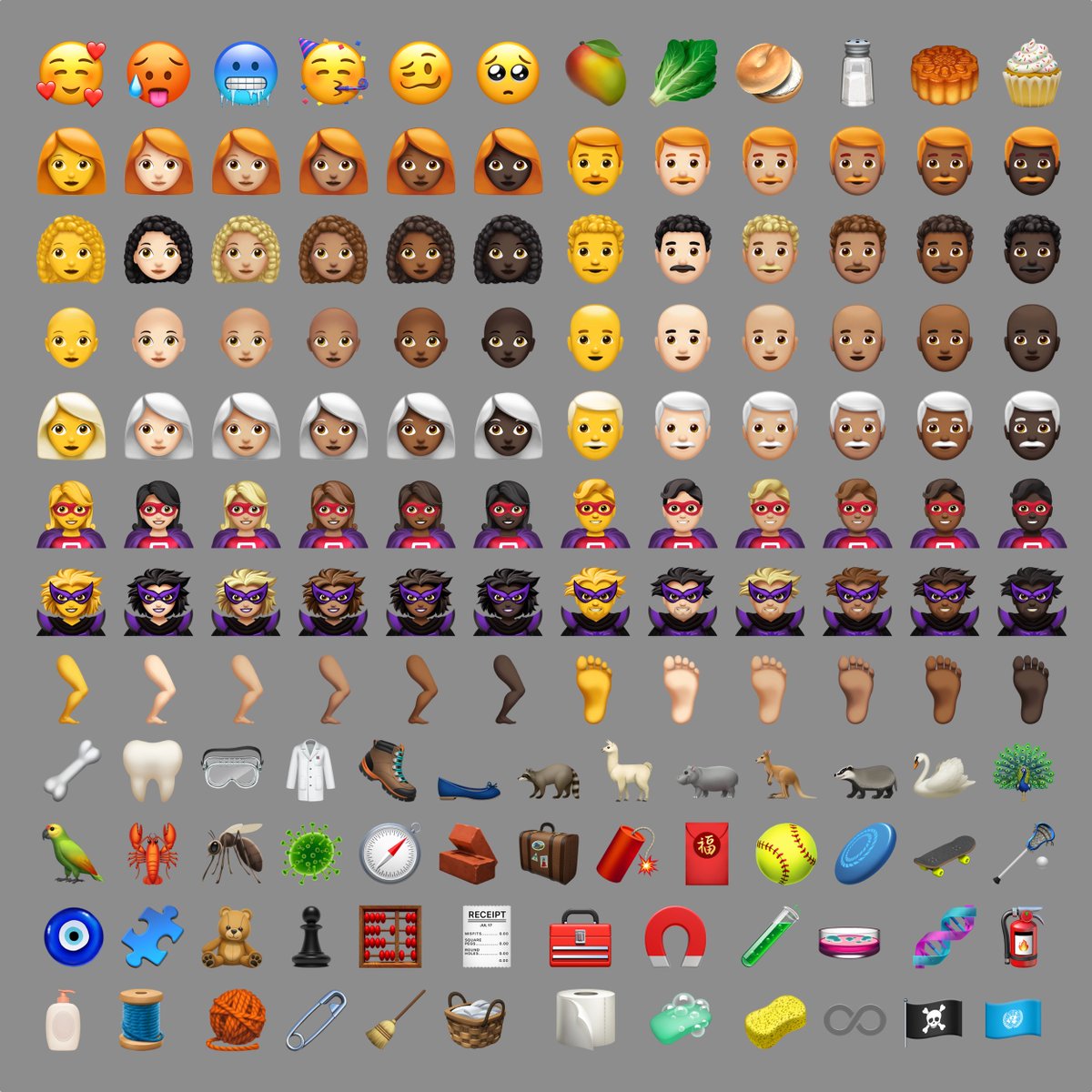
✨📱 iOS 12.1 📱✨
🗓 Release date: October 30, 2018
📝 New Emojis: 158
https://t.co/bx8XjhiCiB
New in iOS 12.1: 🥰 Smiling Face With 3 Hearts https://t.co/6eajdvueip
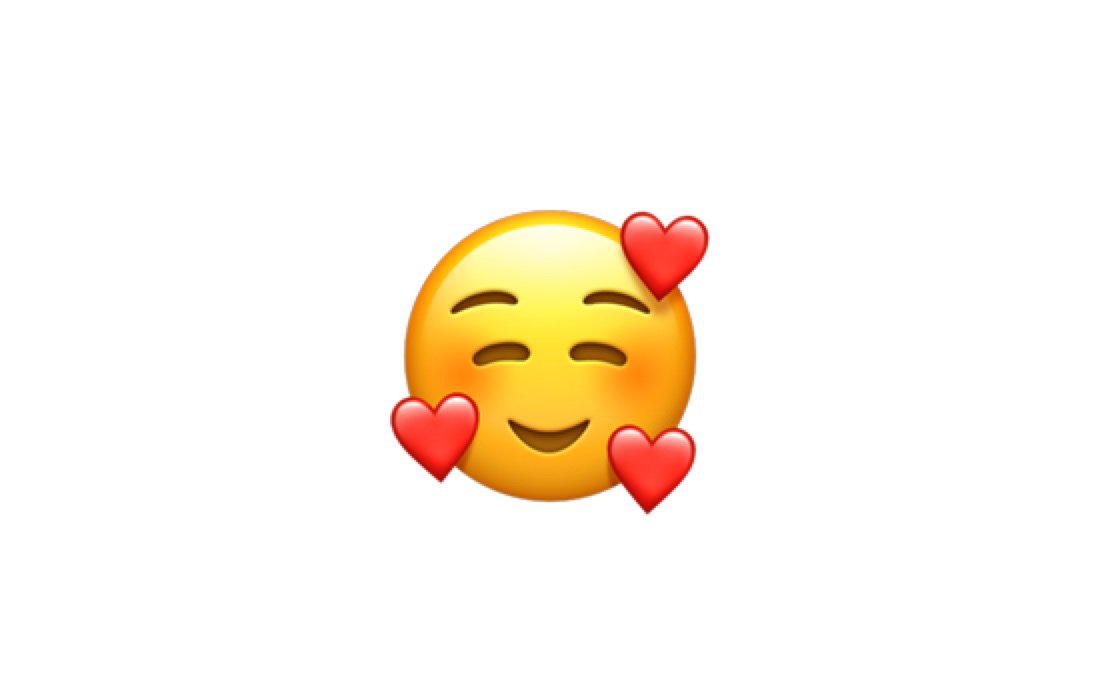
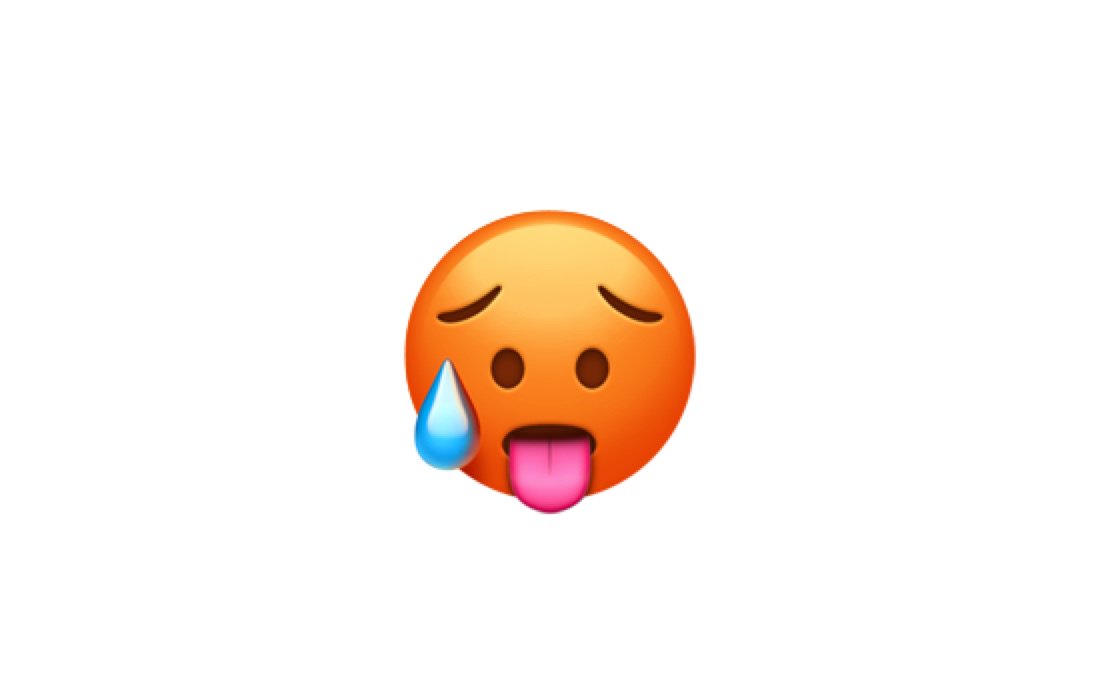
New in iOS 12.1: 🥵 Hot Face https://t.co/jhTv1elltB
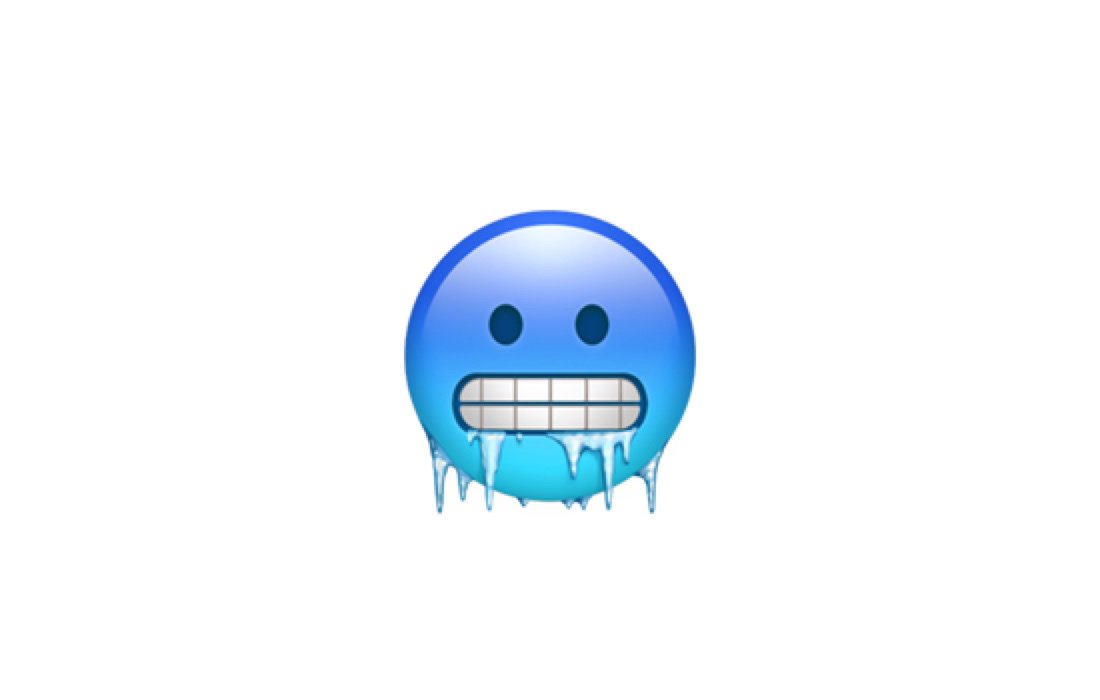
New in iOS 12.1: 🥶 Cold Face https://t.co/EIjyl6yZrF
New in iOS 12.1: 🥳 Partying Face https://t.co/p8FDNEQ3LJ

🗓 Release date: October 30, 2018
📝 New Emojis: 158
https://t.co/bx8XjhiCiB
New in iOS 12.1: 🥰 Smiling Face With 3 Hearts https://t.co/6eajdvueip
New in iOS 12.1: 🥵 Hot Face https://t.co/jhTv1elltB
New in iOS 12.1: 🥶 Cold Face https://t.co/EIjyl6yZrF
New in iOS 12.1: 🥳 Partying Face https://t.co/p8FDNEQ3LJ


