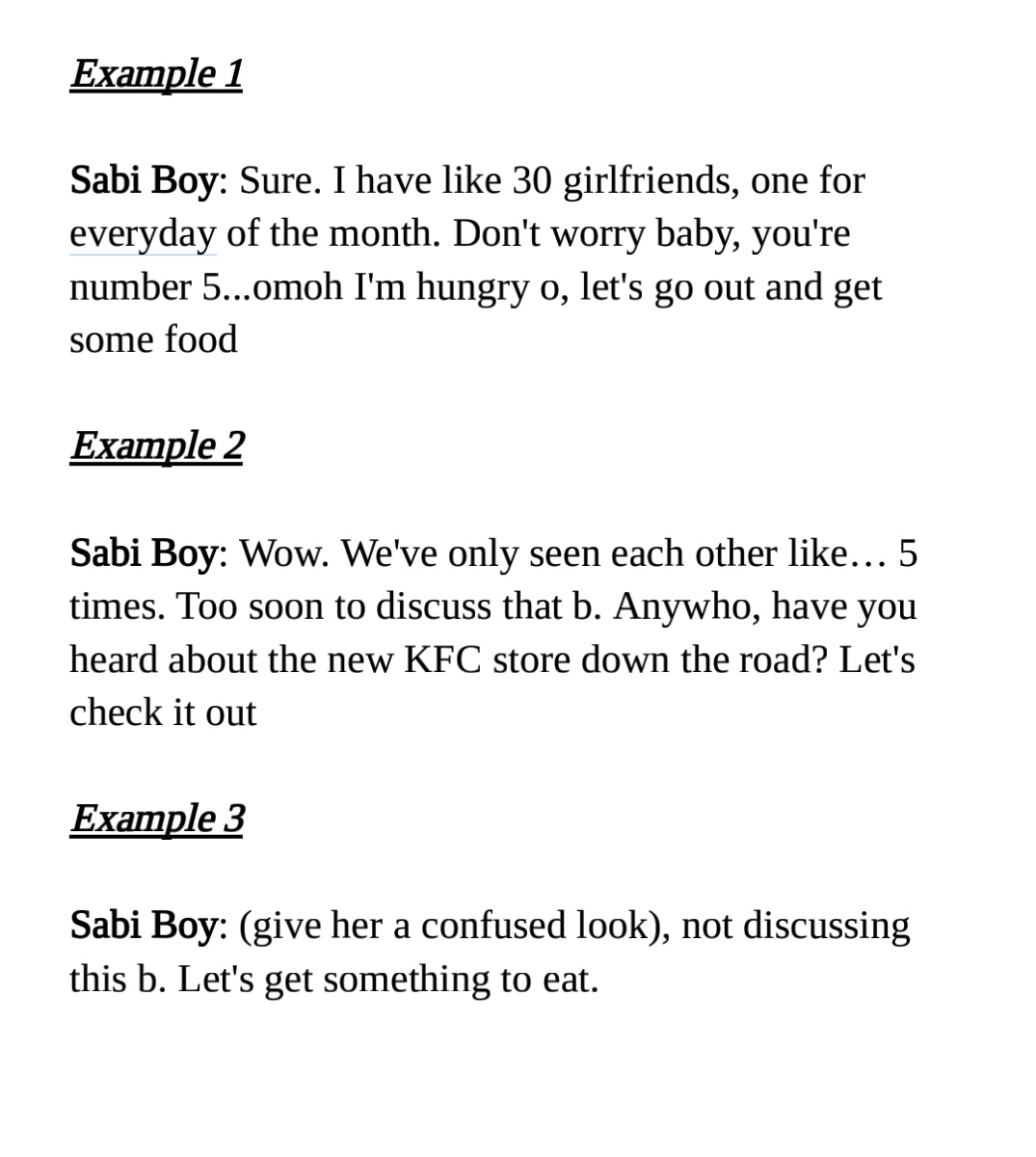
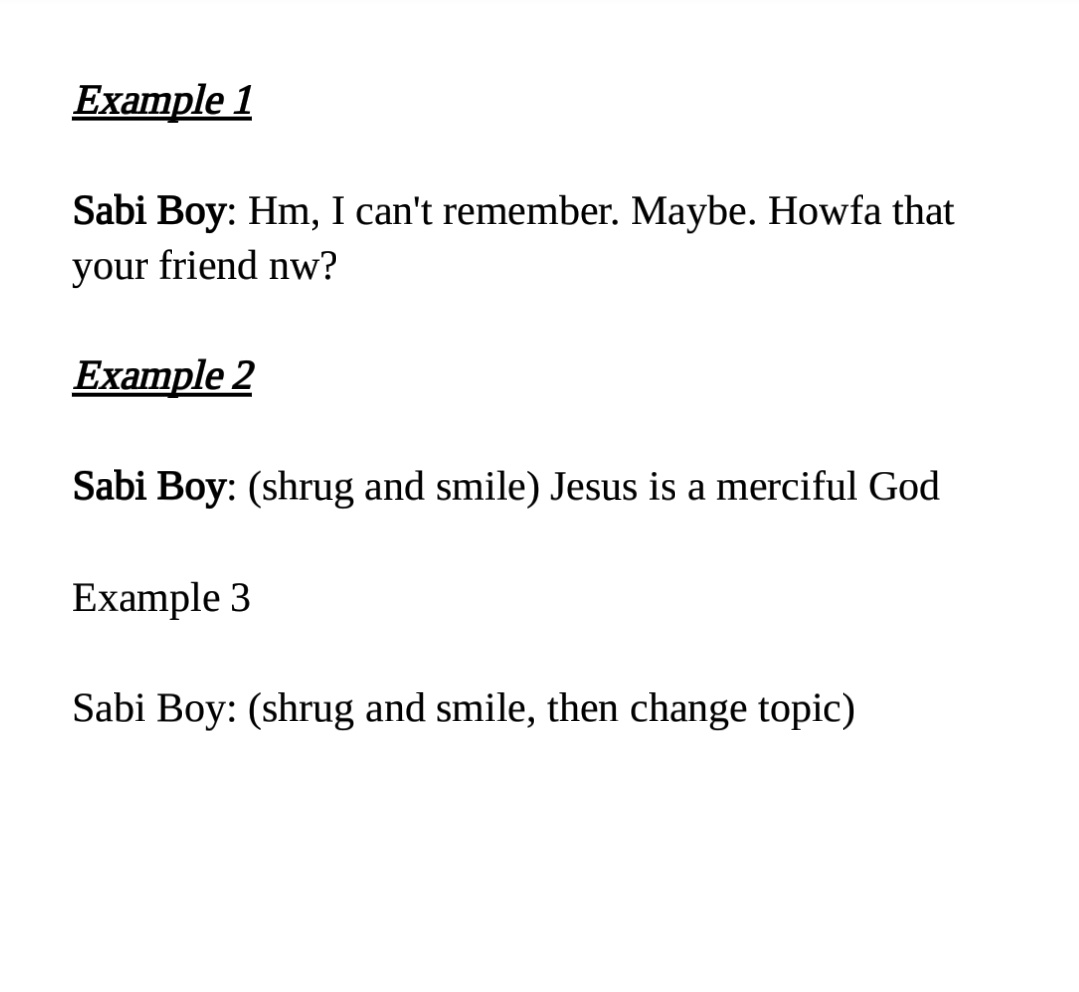
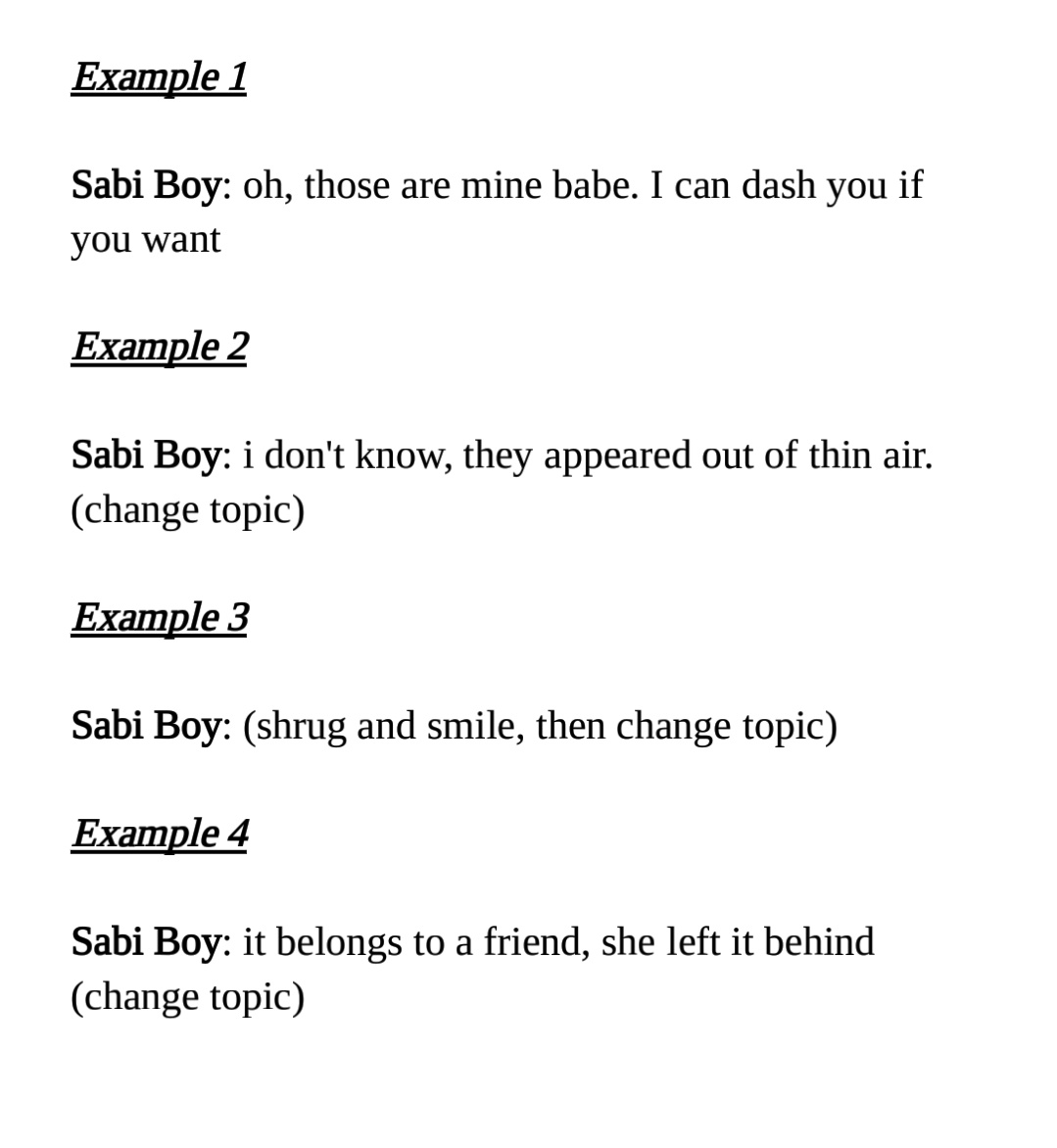
There is a difference between allowing a women do whatever she wants, and treating her accordingly
(which is what I advise)
And
Having a woman treat you anyhow, giving you drama, wasting your time and treating you like shit
Lemme elaborate further
More from Sabi Boyz Only ⭕🇳🇬
More from Book
I've gotten a few questions about this, so let me clarify and provide as much helpful information as this medium will allow.
To begin, both of my parents are MBA's and are assertive. They taught us four kids to be assertive. 1/x
Honestly, what's the worst a publisher can do, say no? If the worst that can happen is a rejection email (and believe me I've gotten ALOT), then it's pretty "safe" to at least ask.
But there were tricks that I learned about getting books from publishers. 2/x
The 1st was to request exam copies. I was a very part-time adjunct faculty for an online-only seminary in the UK. I designed two classes for them and requested books to consider as assigned reading for the classes. I still do this, since I'm full-time teaching/administrating. 3/x
The second was to become an approved/recognized reviewer for journals--it doesn't matter which ones. Thanks to a previous professor I'm a reviewer at the website for a research center. And through nothing but email, I'm a frequent reviewer for 3 journals (JESOT, JHS, RRT). 4/x
This is a helpful approach. When you know exactly where the review is going to be submitted and you know that the journal's review editor wants the review, then (in most cases) the review editor's job is to contact the publisher and make sure you get the book. That's it. 5/x
To begin, both of my parents are MBA's and are assertive. They taught us four kids to be assertive. 1/x
Many underestimate the generosity of (most) publishers. I probably got $10,000 worth of free books during my 4 years in Durham by request exam or review copies. Sometimes, I just emailed a publisher and said, "I need this book, but I can't afford it. Can you help me out?"
— Stephen D. Campbell, Dr. theol. (@the_OT_Campbell) December 13, 2020
Honestly, what's the worst a publisher can do, say no? If the worst that can happen is a rejection email (and believe me I've gotten ALOT), then it's pretty "safe" to at least ask.
But there were tricks that I learned about getting books from publishers. 2/x
The 1st was to request exam copies. I was a very part-time adjunct faculty for an online-only seminary in the UK. I designed two classes for them and requested books to consider as assigned reading for the classes. I still do this, since I'm full-time teaching/administrating. 3/x
The second was to become an approved/recognized reviewer for journals--it doesn't matter which ones. Thanks to a previous professor I'm a reviewer at the website for a research center. And through nothing but email, I'm a frequent reviewer for 3 journals (JESOT, JHS, RRT). 4/x
This is a helpful approach. When you know exactly where the review is going to be submitted and you know that the journal's review editor wants the review, then (in most cases) the review editor's job is to contact the publisher and make sure you get the book. That's it. 5/x
You May Also Like
Recently, the @CNIL issued a decision regarding the GDPR compliance of an unknown French adtech company named "Vectaury". It may seem like small fry, but the decision has potential wide-ranging impacts for Google, the IAB framework, and today's adtech. It's thread time! 👇
It's all in French, but if you're up for it you can read:
• Their blog post (lacks the most interesting details): https://t.co/PHkDcOT1hy
• Their high-level legal decision: https://t.co/hwpiEvjodt
• The full notification: https://t.co/QQB7rfynha
I've read it so you needn't!
Vectaury was collecting geolocation data in order to create profiles (eg. people who often go to this or that type of shop) so as to power ad targeting. They operate through embedded SDKs and ad bidding, making them invisible to users.
The @CNIL notes that profiling based off of geolocation presents particular risks since it reveals people's movements and habits. As risky, the processing requires consent — this will be the heart of their assessment.
Interesting point: they justify the decision in part because of how many people COULD be targeted in this way (rather than how many have — though they note that too). Because it's on a phone, and many have phones, it is considered large-scale processing no matter what.
It's all in French, but if you're up for it you can read:
• Their blog post (lacks the most interesting details): https://t.co/PHkDcOT1hy
• Their high-level legal decision: https://t.co/hwpiEvjodt
• The full notification: https://t.co/QQB7rfynha
I've read it so you needn't!
Vectaury was collecting geolocation data in order to create profiles (eg. people who often go to this or that type of shop) so as to power ad targeting. They operate through embedded SDKs and ad bidding, making them invisible to users.
The @CNIL notes that profiling based off of geolocation presents particular risks since it reveals people's movements and habits. As risky, the processing requires consent — this will be the heart of their assessment.
Interesting point: they justify the decision in part because of how many people COULD be targeted in this way (rather than how many have — though they note that too). Because it's on a phone, and many have phones, it is considered large-scale processing no matter what.