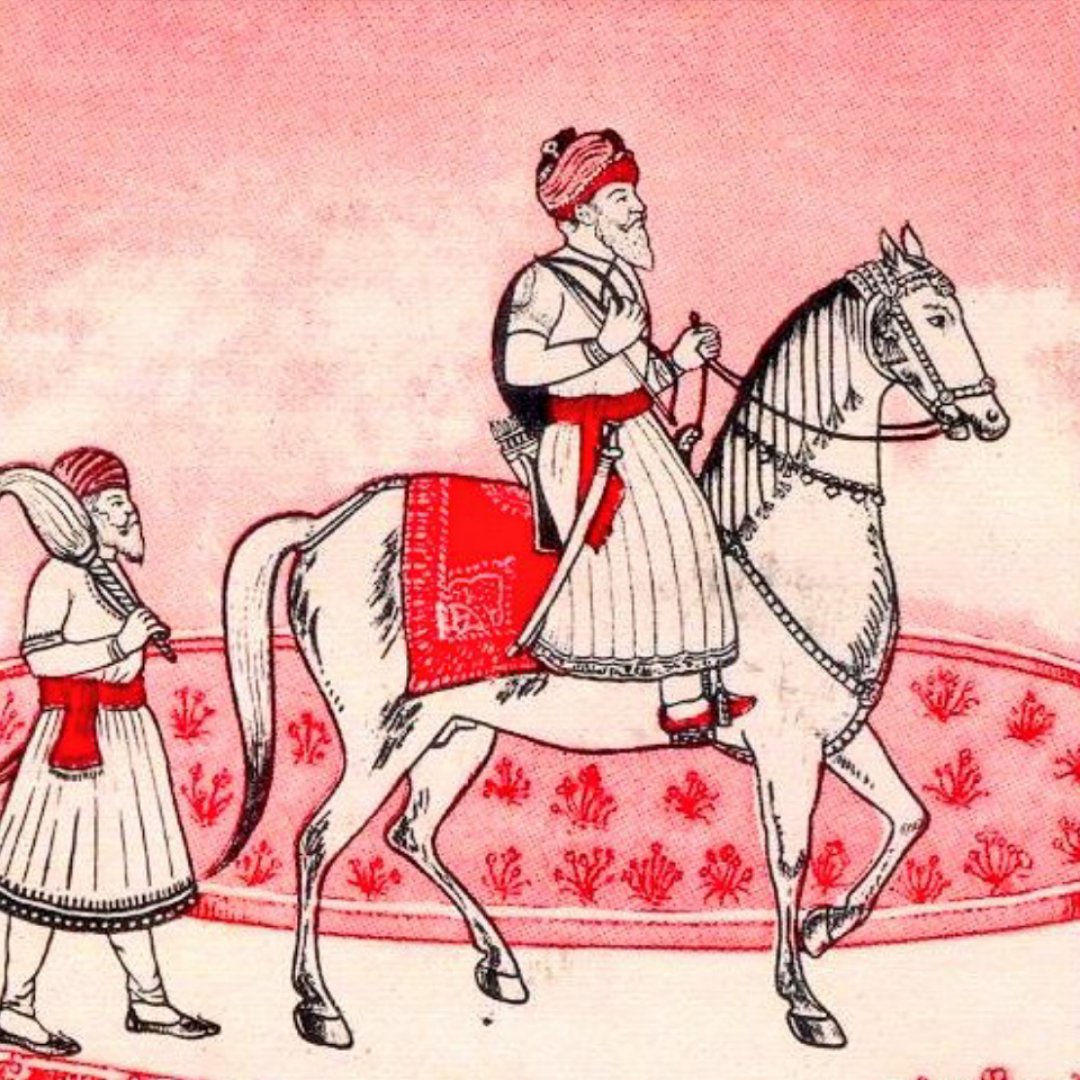
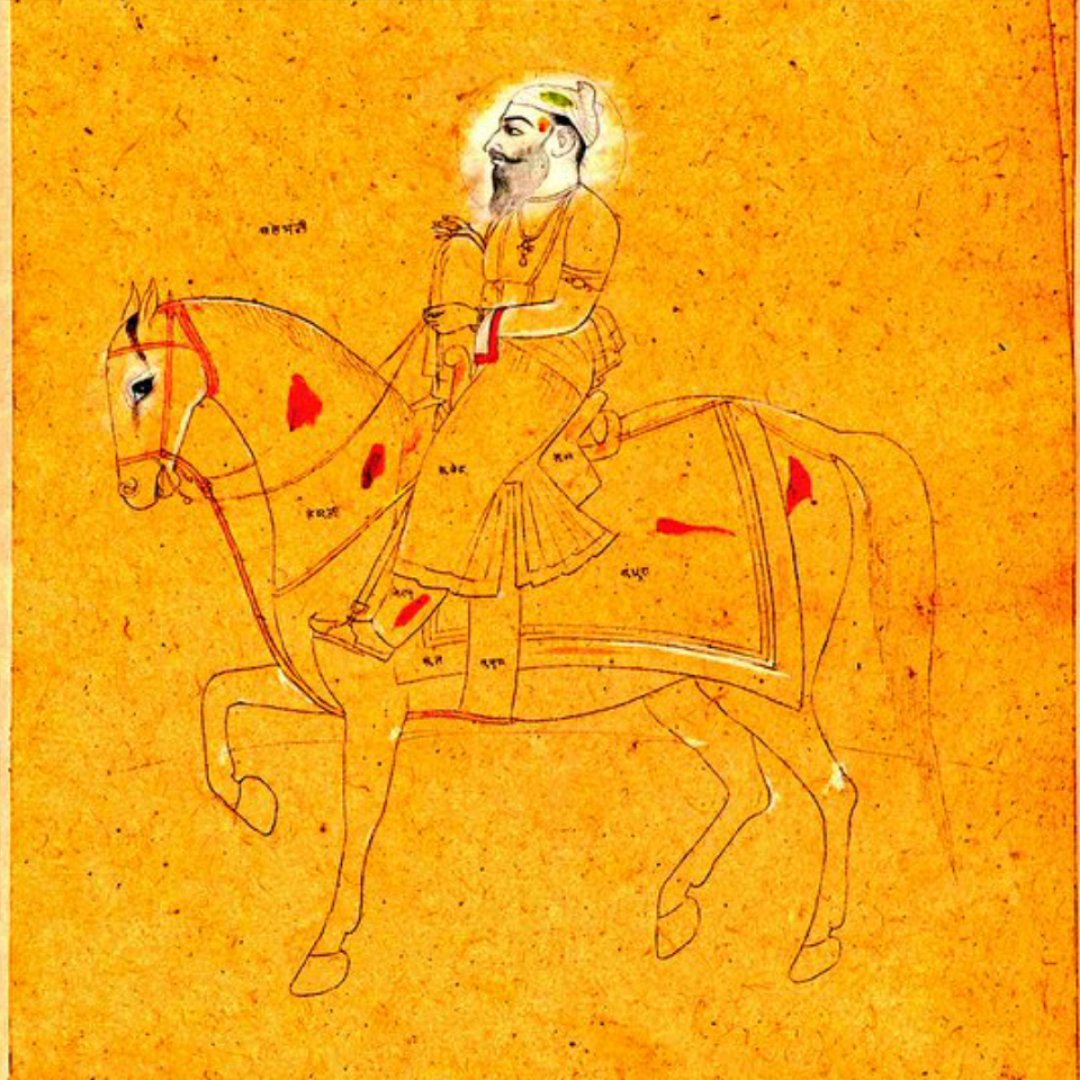
A children's book written in 1954 inspired by Wiener's Cybernetics that explains some common day analog systems:
More from Carlos E. Perez
Nice to discover Judea Pearl ask a fundamental question. What's an 'inductive bias'?
I crucial step on the road towards AGI is a richer vocabulary for reasoning about inductive biases.
explores the apparent impedance mismatch between inductive biases and causal reasoning. But isn't the logical thinking required for good causal reasoning also not an inductive bias?
An inductive bias is what C.S. Peirce would call a habit. It is a habit of reasoning. Logical thinking is like a Platonic solid of the many kinds of heuristics that are discovered.
The kind of black and white logic that is found in digital computers is critical to the emergence of today's information economy. This of course is not the same logic that drives the general intelligence that lives in the same economy.
Help! What precisely is "inductive bias"? Some ML researchers are in the opinion that the machine learning category of \u2018inductive biases\u2019 can allow us to build a causal understanding of the world. My Ladder of Causation says: "This is mathematically impossible". Who is right? 1/
— Judea Pearl (@yudapearl) February 14, 2021
I crucial step on the road towards AGI is a richer vocabulary for reasoning about inductive biases.
explores the apparent impedance mismatch between inductive biases and causal reasoning. But isn't the logical thinking required for good causal reasoning also not an inductive bias?
An inductive bias is what C.S. Peirce would call a habit. It is a habit of reasoning. Logical thinking is like a Platonic solid of the many kinds of heuristics that are discovered.
The kind of black and white logic that is found in digital computers is critical to the emergence of today's information economy. This of course is not the same logic that drives the general intelligence that lives in the same economy.
More from Book





I've gotten a few questions about this, so let me clarify and provide as much helpful information as this medium will allow.
To begin, both of my parents are MBA's and are assertive. They taught us four kids to be assertive. 1/x
Honestly, what's the worst a publisher can do, say no? If the worst that can happen is a rejection email (and believe me I've gotten ALOT), then it's pretty "safe" to at least ask.
But there were tricks that I learned about getting books from publishers. 2/x
The 1st was to request exam copies. I was a very part-time adjunct faculty for an online-only seminary in the UK. I designed two classes for them and requested books to consider as assigned reading for the classes. I still do this, since I'm full-time teaching/administrating. 3/x
The second was to become an approved/recognized reviewer for journals--it doesn't matter which ones. Thanks to a previous professor I'm a reviewer at the website for a research center. And through nothing but email, I'm a frequent reviewer for 3 journals (JESOT, JHS, RRT). 4/x
This is a helpful approach. When you know exactly where the review is going to be submitted and you know that the journal's review editor wants the review, then (in most cases) the review editor's job is to contact the publisher and make sure you get the book. That's it. 5/x
To begin, both of my parents are MBA's and are assertive. They taught us four kids to be assertive. 1/x
Many underestimate the generosity of (most) publishers. I probably got $10,000 worth of free books during my 4 years in Durham by request exam or review copies. Sometimes, I just emailed a publisher and said, "I need this book, but I can't afford it. Can you help me out?"
— Stephen D. Campbell, Dr. theol. (@the_OT_Campbell) December 13, 2020
Honestly, what's the worst a publisher can do, say no? If the worst that can happen is a rejection email (and believe me I've gotten ALOT), then it's pretty "safe" to at least ask.
But there were tricks that I learned about getting books from publishers. 2/x
The 1st was to request exam copies. I was a very part-time adjunct faculty for an online-only seminary in the UK. I designed two classes for them and requested books to consider as assigned reading for the classes. I still do this, since I'm full-time teaching/administrating. 3/x
The second was to become an approved/recognized reviewer for journals--it doesn't matter which ones. Thanks to a previous professor I'm a reviewer at the website for a research center. And through nothing but email, I'm a frequent reviewer for 3 journals (JESOT, JHS, RRT). 4/x
This is a helpful approach. When you know exactly where the review is going to be submitted and you know that the journal's review editor wants the review, then (in most cases) the review editor's job is to contact the publisher and make sure you get the book. That's it. 5/x