I am reading and reviewing books of @SamHarrisOrg this December, with the extra time available after work. First book I read is following.


More from Book






One can make an analysis of how many right wing groups published books before Modi in power and after Modi in power.
Would Akhilesh Mishra, Abhinav Prakash and many others have got a chance to write in an English daily before?
The VC of JNU, IIAS, Nehru center, RRML are all
Right wingers.
This, while some in our own fold were criticizing and backstabbing an excellent book (disagreeable in places) by Harsh Madhusudhan and Rajeev Mantri.
There have been at least 4 lit fests and think tanks developed by right wing in six years. Pondy and +
Mangalore are the prime of them.
There are more media channels and more anchors in neutral channels backing the government then those against in six years.
We have at least three big lawyers: Harish Salve, Mahesh Jethmalani and Mukul Rahotgi fighting cases. We have won
more legal battles than not and are able to get many things done that would look impossible just two years ago.
Yes, textbooks, deregulation, harrasment and cabalism of the left including tech suppression and killing spree of fascistic governments remain and everything is not
a bed of roses. But what was a bed of roses for the opposition is not a bed of roses for them too.
Udhav would have loved to see Republic closed. It hasn't.. Mamata would love to have killed the whose who in BJP - Not possible.. She would not like big wigs of TMC join BJP - Not
Would Akhilesh Mishra, Abhinav Prakash and many others have got a chance to write in an English daily before?
The VC of JNU, IIAS, Nehru center, RRML are all
Every time I read @NAN_DINI_ ji's writings, I'm reminded that while juvenile writers like Twinkle Khanna and Saggy Ghose are published by MSM, talent like this is restricted to personal blogs. Will this ever be remedied? https://t.co/1oAO7I4i6G
— \u0926\u093f\u0935\u094d\u092f\u093e (@divya_16_) December 9, 2020
Right wingers.
This, while some in our own fold were criticizing and backstabbing an excellent book (disagreeable in places) by Harsh Madhusudhan and Rajeev Mantri.
There have been at least 4 lit fests and think tanks developed by right wing in six years. Pondy and +
Mangalore are the prime of them.
There are more media channels and more anchors in neutral channels backing the government then those against in six years.
We have at least three big lawyers: Harish Salve, Mahesh Jethmalani and Mukul Rahotgi fighting cases. We have won
more legal battles than not and are able to get many things done that would look impossible just two years ago.
Yes, textbooks, deregulation, harrasment and cabalism of the left including tech suppression and killing spree of fascistic governments remain and everything is not
a bed of roses. But what was a bed of roses for the opposition is not a bed of roses for them too.
Udhav would have loved to see Republic closed. It hasn't.. Mamata would love to have killed the whose who in BJP - Not possible.. She would not like big wigs of TMC join BJP - Not
You May Also Like

1/x Fort Detrick History
Mr. Patrick, one of the chief scientists at the Army Biological Warfare Laboratories at Fort Detrick in Frederick, Md., held five classified US patents for the process of weaponizing anthrax.
2/x
Under Mr. Patrick’s direction, scientists at Fort Detrick developed a tularemia agent that, if disseminated by airplane, could cause casualties & sickness over 1000s mi². In a 10,000 mi² range, it had 90% casualty rate & 50% fatality rate
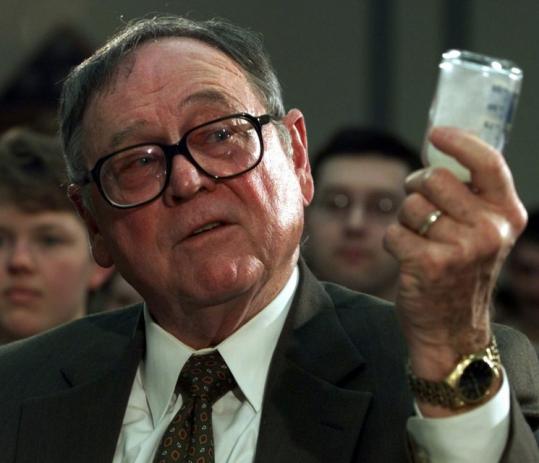
3/x His team explored Q fever, plague, & Venezuelan equine encephalitis, testing more than 20 anthrax strains to discern most lethal variety. Fort Detrick scientists used aerosol spray systems inside fountain pens, walking sticks, light bulbs, & even in 1953 Mercury exhaust pipes

4/x After retiring in 1986, Mr. Patrick remained one of the world’s foremost specialists on biological warfare & was a consultant to the CIA, FBI, & US military. He debriefed Soviet defector Ken Alibek, the deputy chief of the Soviet biowarfare program
https://t.co/sHqSaTSqtB
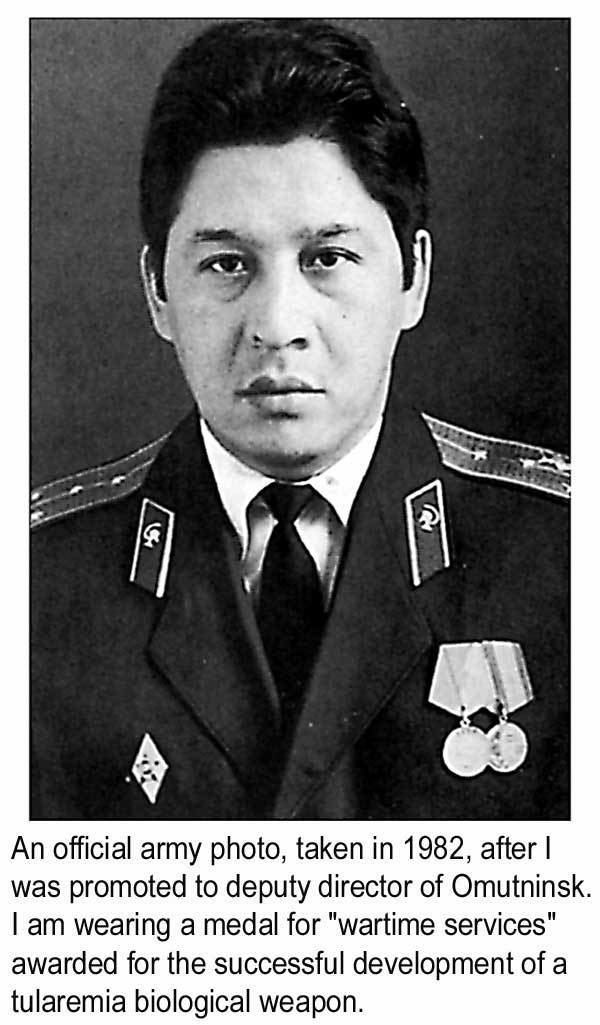
5/x Back in Time
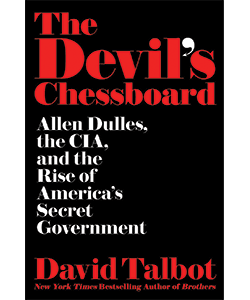
In 1949 the Army created a small team of chemists at "Camp Detrick" called Special Operations Division. Its assignment was to find military uses for toxic bacteria. The coercive use of toxins was a new field, which fascinated Allen Dulles, later head of the CIA
Mr. Patrick, one of the chief scientists at the Army Biological Warfare Laboratories at Fort Detrick in Frederick, Md., held five classified US patents for the process of weaponizing anthrax.
2/x
Under Mr. Patrick’s direction, scientists at Fort Detrick developed a tularemia agent that, if disseminated by airplane, could cause casualties & sickness over 1000s mi². In a 10,000 mi² range, it had 90% casualty rate & 50% fatality rate
3/x His team explored Q fever, plague, & Venezuelan equine encephalitis, testing more than 20 anthrax strains to discern most lethal variety. Fort Detrick scientists used aerosol spray systems inside fountain pens, walking sticks, light bulbs, & even in 1953 Mercury exhaust pipes
4/x After retiring in 1986, Mr. Patrick remained one of the world’s foremost specialists on biological warfare & was a consultant to the CIA, FBI, & US military. He debriefed Soviet defector Ken Alibek, the deputy chief of the Soviet biowarfare program
https://t.co/sHqSaTSqtB
5/x Back in Time
In 1949 the Army created a small team of chemists at "Camp Detrick" called Special Operations Division. Its assignment was to find military uses for toxic bacteria. The coercive use of toxins was a new field, which fascinated Allen Dulles, later head of the CIA



So friends here is the thread on the recommended pathway for new entrants in the stock market.
Here I will share what I believe are essentials for anybody who is interested in stock markets and the resources to learn them, its from my experience and by no means exhaustive..
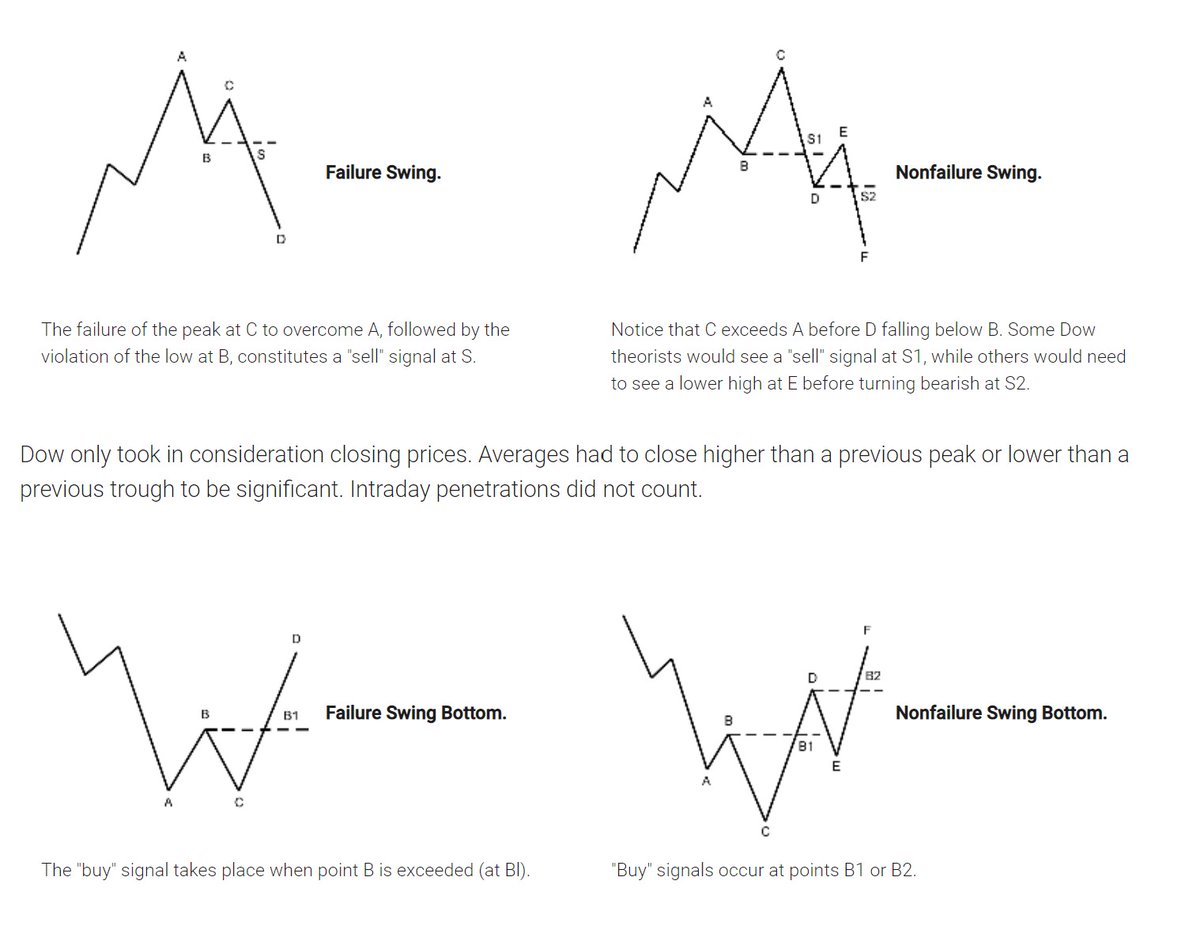
First the very basic : The Dow theory, Everybody must have basic understanding of it and must learn to observe High Highs, Higher Lows, Lower Highs and Lowers lows on charts and their
Even those who are more inclined towards fundamental side can also benefit from Dow theory, as it can hint start & end of Bull/Bear runs thereby indication entry and exits.
Next basic is Wyckoff's Theory. It tells how accumulation and distribution happens with regularity and how the market actually
Dow theory is old but
Here I will share what I believe are essentials for anybody who is interested in stock markets and the resources to learn them, its from my experience and by no means exhaustive..
First the very basic : The Dow theory, Everybody must have basic understanding of it and must learn to observe High Highs, Higher Lows, Lower Highs and Lowers lows on charts and their
Even those who are more inclined towards fundamental side can also benefit from Dow theory, as it can hint start & end of Bull/Bear runs thereby indication entry and exits.
Next basic is Wyckoff's Theory. It tells how accumulation and distribution happens with regularity and how the market actually
Dow theory is old but
Old is Gold....
— Professor (@DillikiBiili) January 23, 2020
this Bharti Airtel chart is a true copy of the Wyckoff Pattern propounded in 1931....... pic.twitter.com/tQ1PNebq7d