1) Let's talk about my favourite video platform Bilibili. What is it, what it isn't and and how it makes money. It's been called the Chinese YouTube that that framing lacks imaginary.
The $bili stock also 5x in 2020 - who knew weebs could be so lucrative
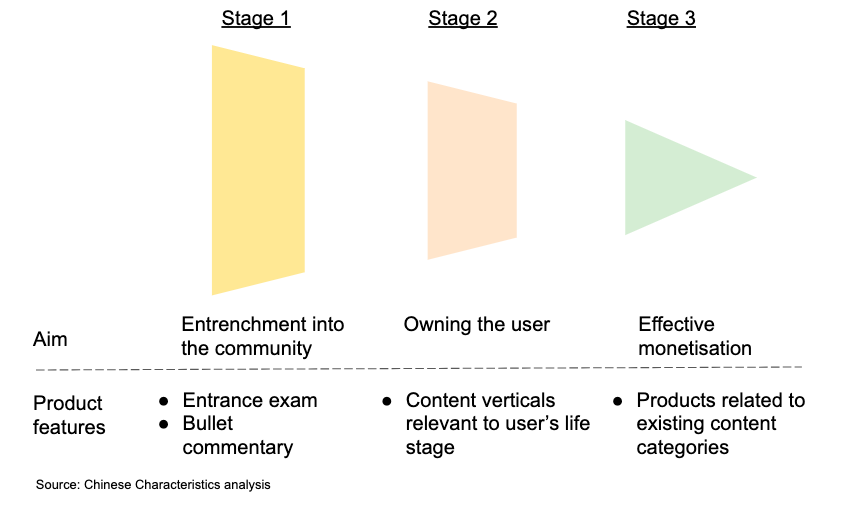
Bilibili has an incredibly sticky and engaged community, and it does so by cultivating buy-in into an internet sub-culture that from the outside seems bizarre. I think the bizarreness is a feature, not a bug.
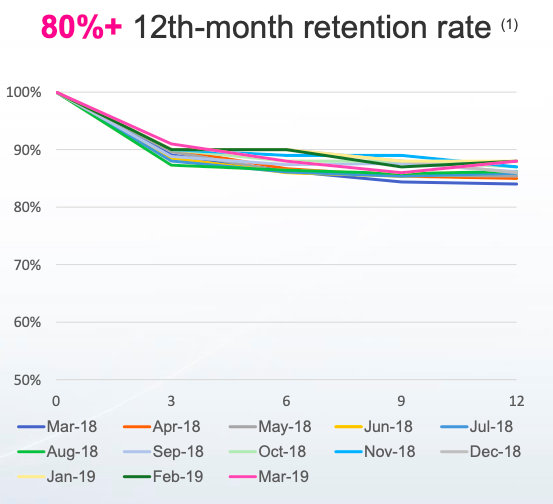
Relative to western consumer tech companies, who tend to focus on “serving a function” as their core mission, Chinese companies tend to focus on “owning the user” as their core mission
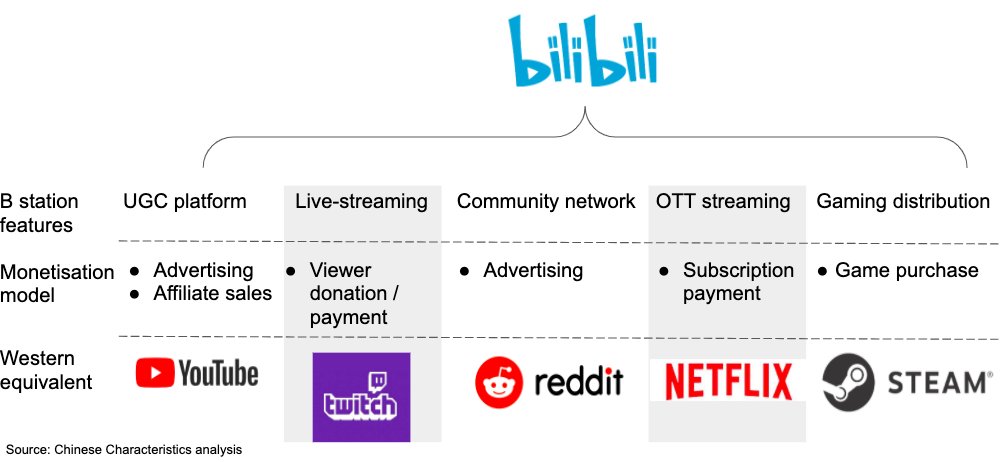
They started the commercialisation “journey” by being the Chinese game distributor for Fate / Grand Order in 2017 and has only begun to branch out into other channels.

I'll be doing these threads for the rest of Jan, follow if you want these to spam your TL
https://t.co/rF3dZ8G44t
More from Lillian Li
More from Trading


Option Trading is very difficult to master as there are so many things to understand.
Here is a master thread related that will help a beginner to understand about Options Trading.
A complete course worth Rs 50K for free.
1/ A detailed thread on basics of Option Greeks and how it impacts Options
2/ Basic Option Trading Strategies:
There are many option strategies to trade. But keeping your strategy simple is the key.
In this thread, all the basic option trading strategies are being
3/ What are the things that you should look at before taking any Option
4/ Is Option Selling Possible with Rs 1 Lakh Capital?
Even a beginner can start trading in option selling with capital as low as Rs 1 Lakh.
What are the techniques one can use and how to mitigate the infinite loss risk is shared in this
Here is a master thread related that will help a beginner to understand about Options Trading.
A complete course worth Rs 50K for free.
1/ A detailed thread on basics of Option Greeks and how it impacts Options
There are various Options Greeks like: Delta, Gamma, Vega, Rho, Theta.
— Yash Mehta (@YMehta_) September 4, 2022
A complete guide on how these #Option Greeks impact option price.
2/ Basic Option Trading Strategies:
There are many option strategies to trade. But keeping your strategy simple is the key.
In this thread, all the basic option trading strategies are being
Option trading is tough but here\u2019s what can make it easier for you
— The Chartians (@chartians) September 17, 2022
8 option strategies that you can use in any market (sold as a \u20b9 50,000 course !)
3/ What are the things that you should look at before taking any Option
They say options trading can make YOU BANKRUPT - is it true ?
— The Chartians (@chartians) September 23, 2022
If yes then why ?
A thread on Risk management and Position sizing in options trading (worth 50k\u20b9 course)\U0001f9f5
4/ Is Option Selling Possible with Rs 1 Lakh Capital?
Even a beginner can start trading in option selling with capital as low as Rs 1 Lakh.
What are the techniques one can use and how to mitigate the infinite loss risk is shared in this
101 guide on how you can start option selling to generate active returns with less capital (Rs 1 Lakh) \U0001f9f5:
— Yash Mehta (@YMehta_) August 19, 2022
A course on option selling available for free.