2 of 16:
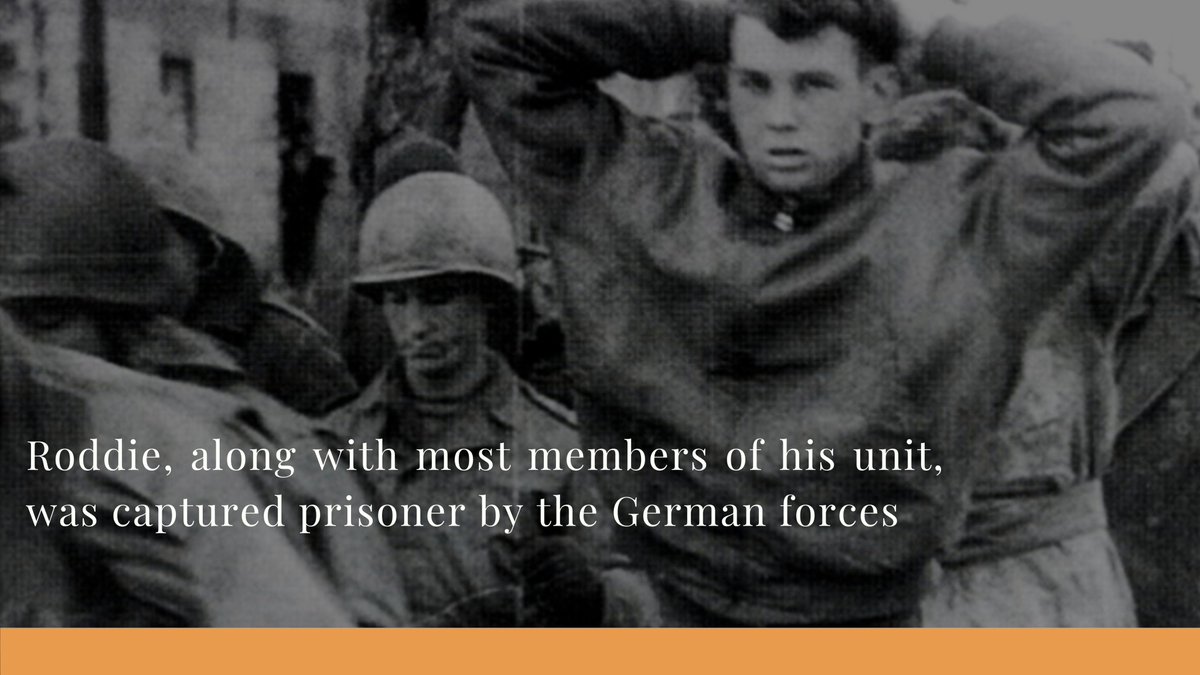
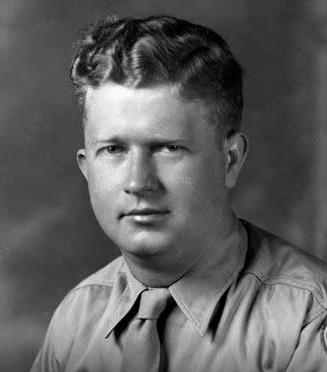
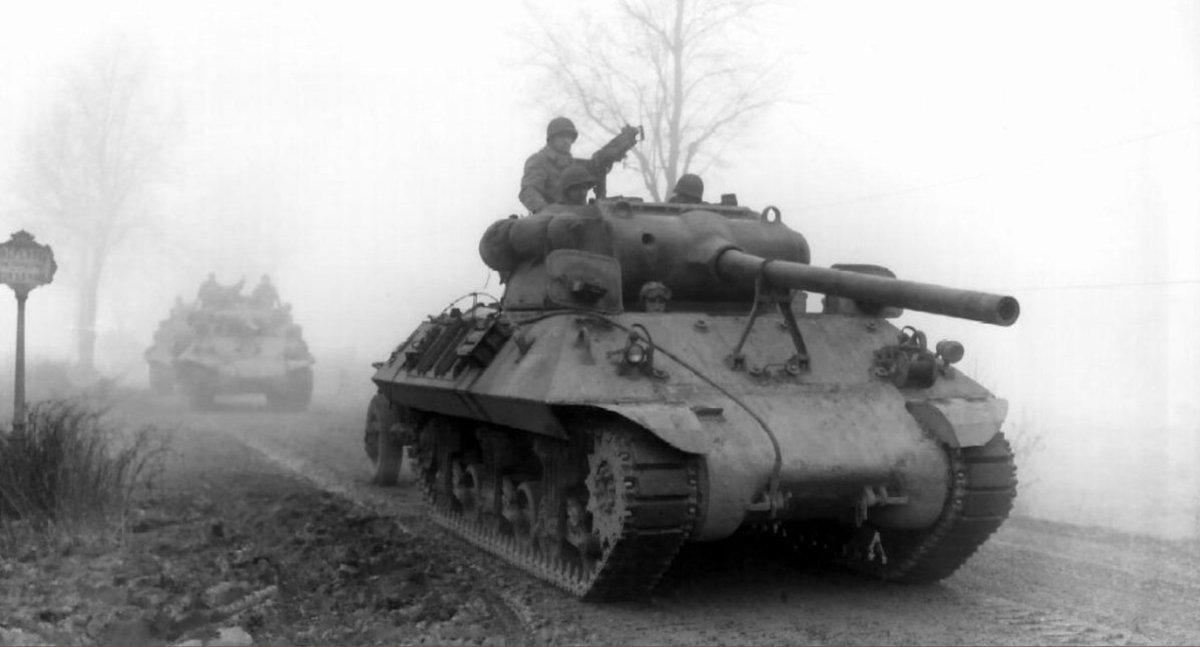
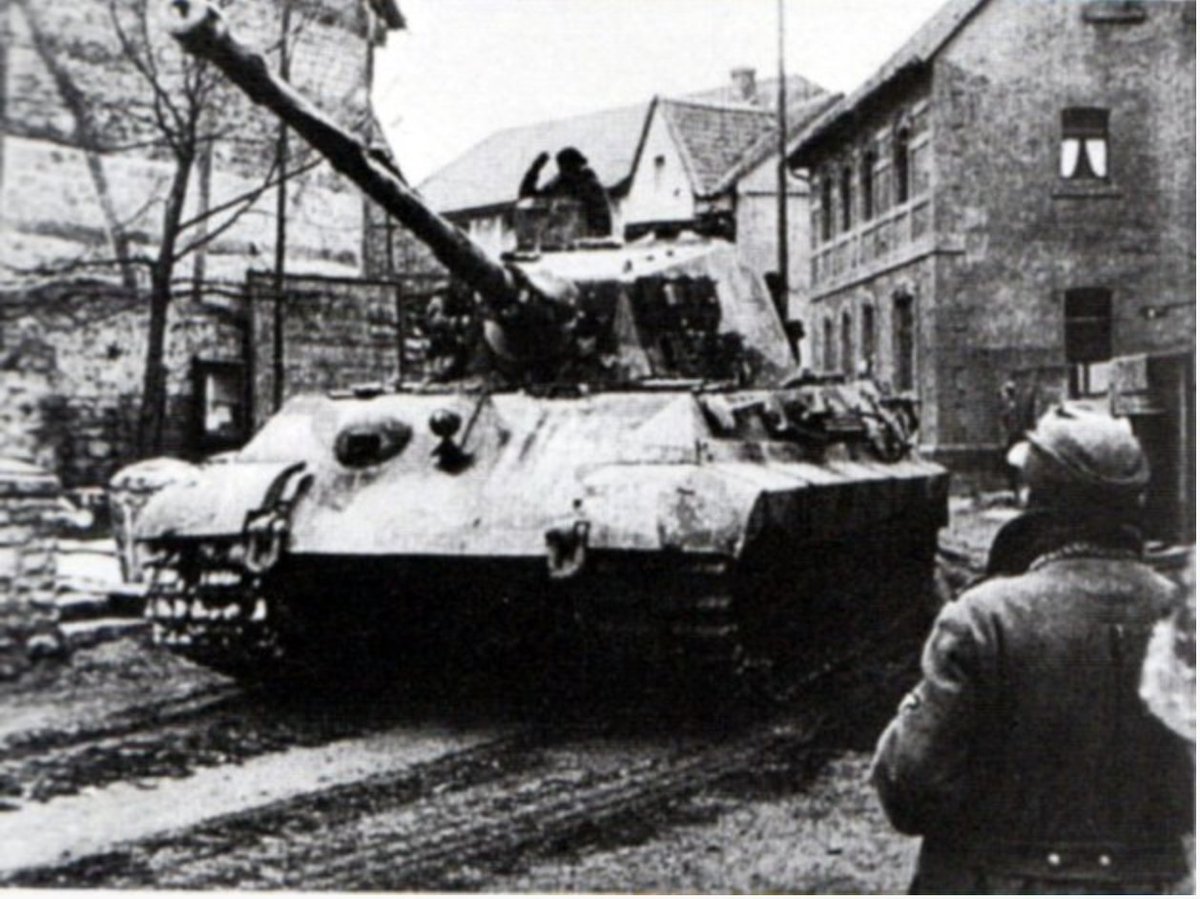
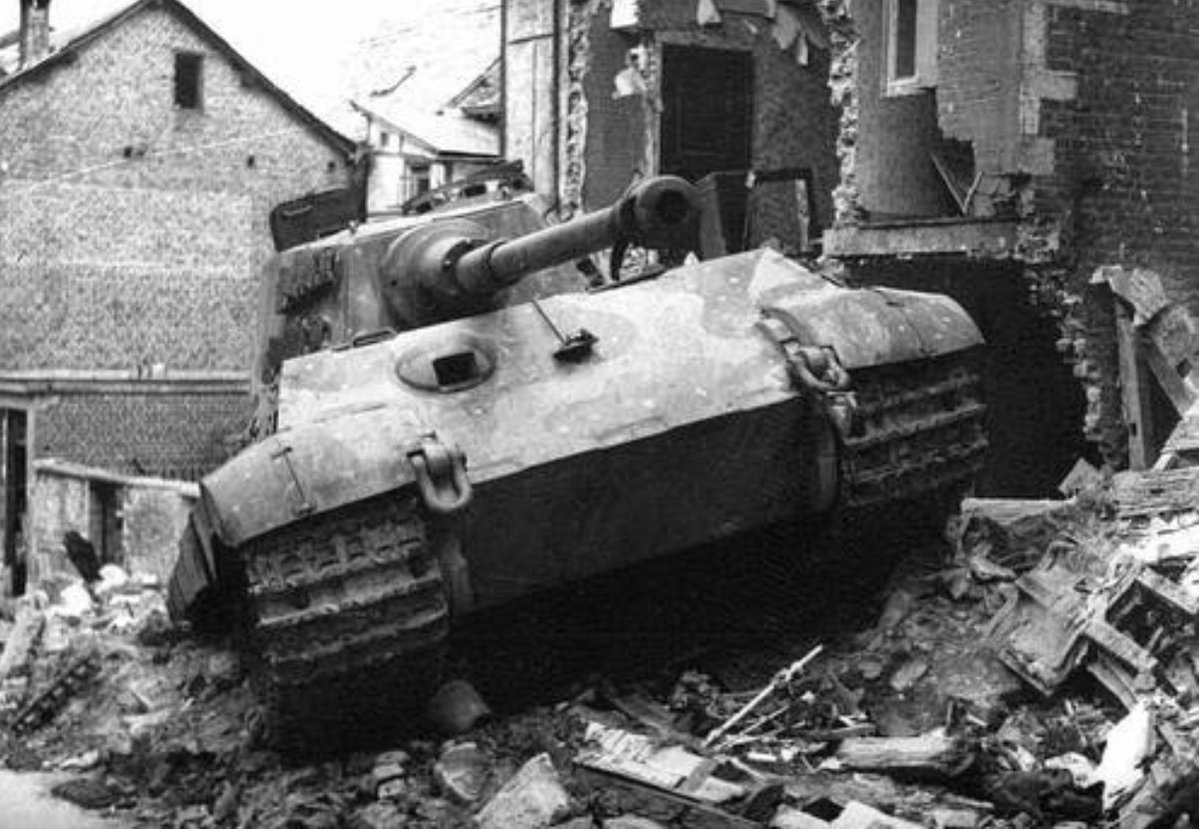
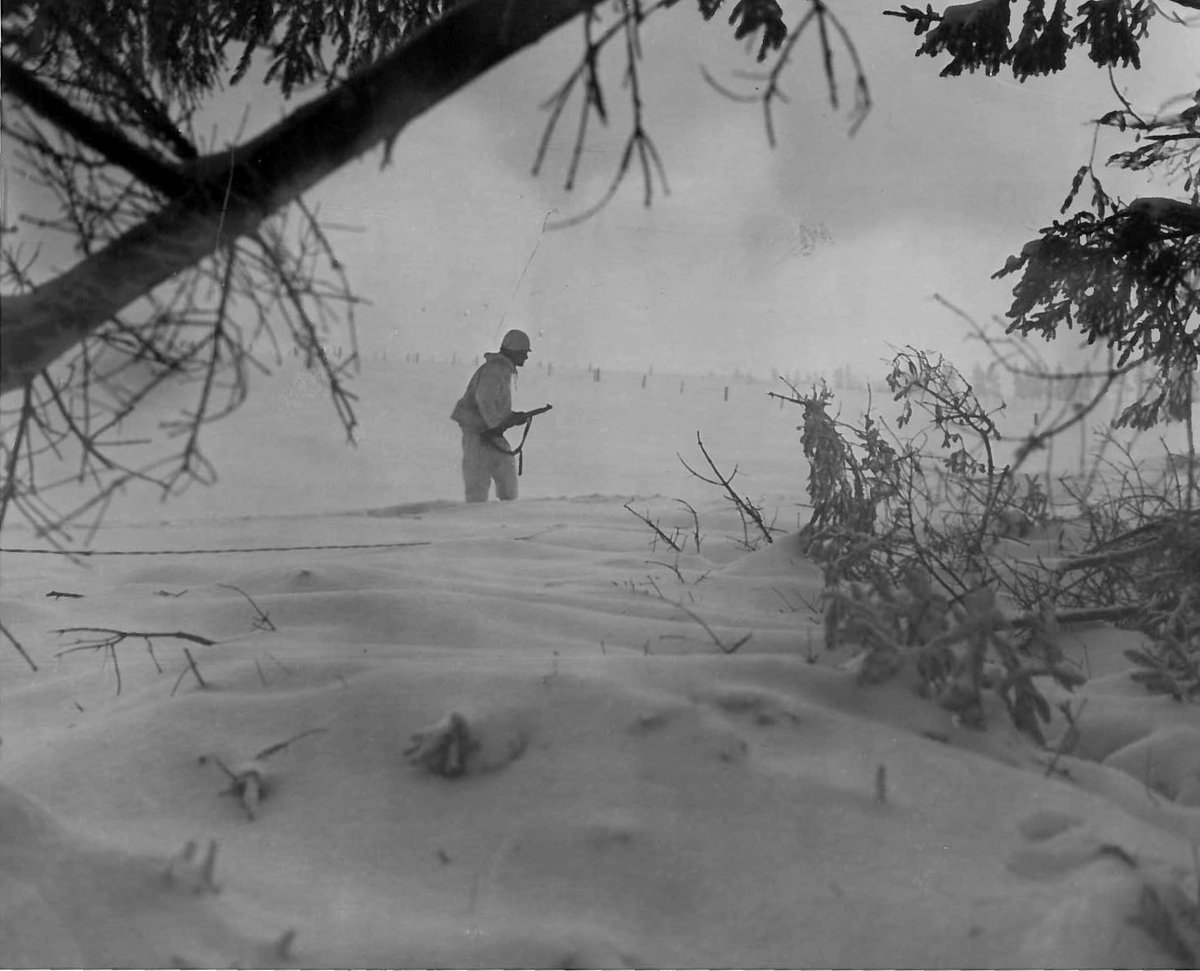
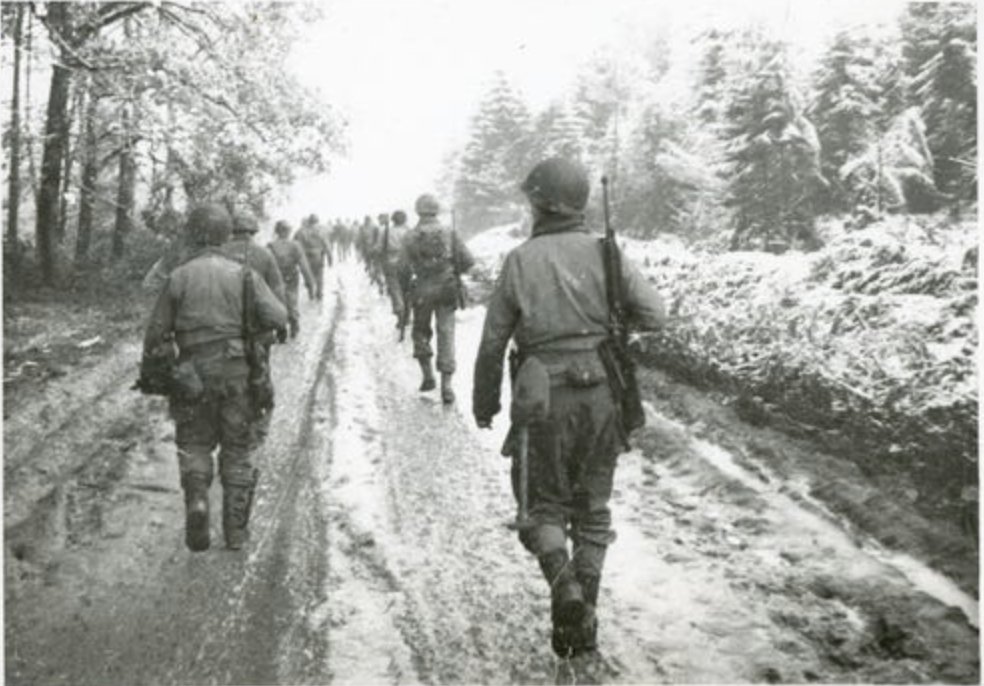
Roddie was captured early on in the Battle of the Bulge, on December 19th, when Panzer forces plowed through his unit.
He, along with almost his entire regiment, was forced to surrender.
3 of 16:
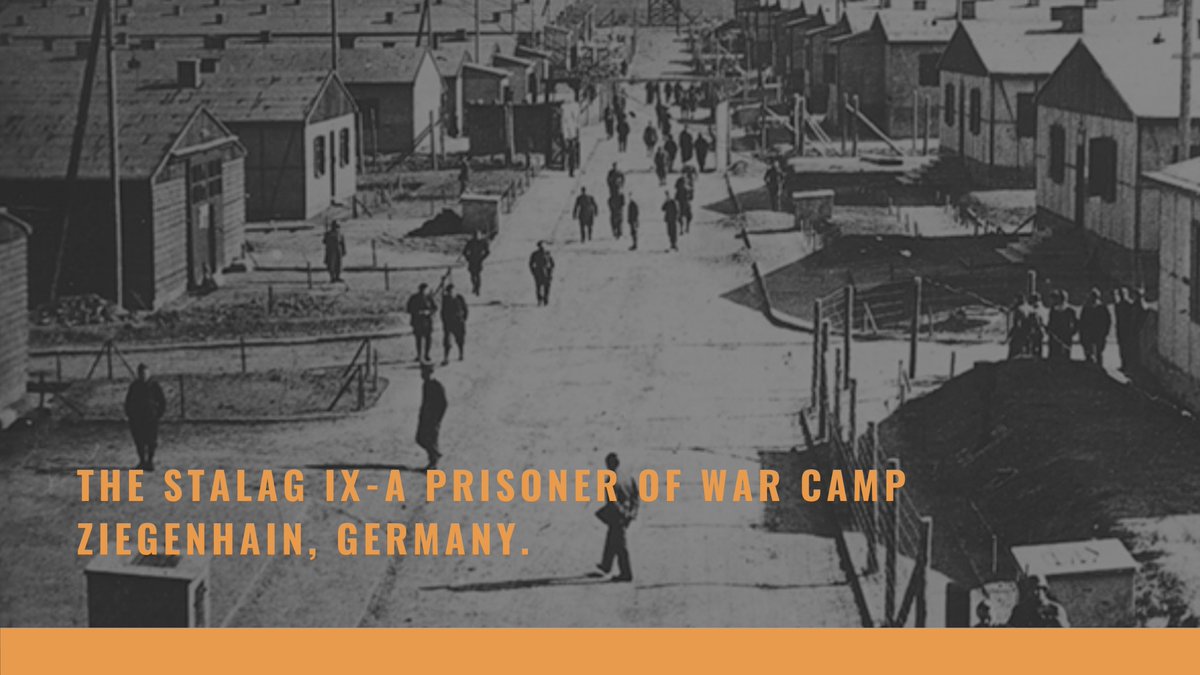
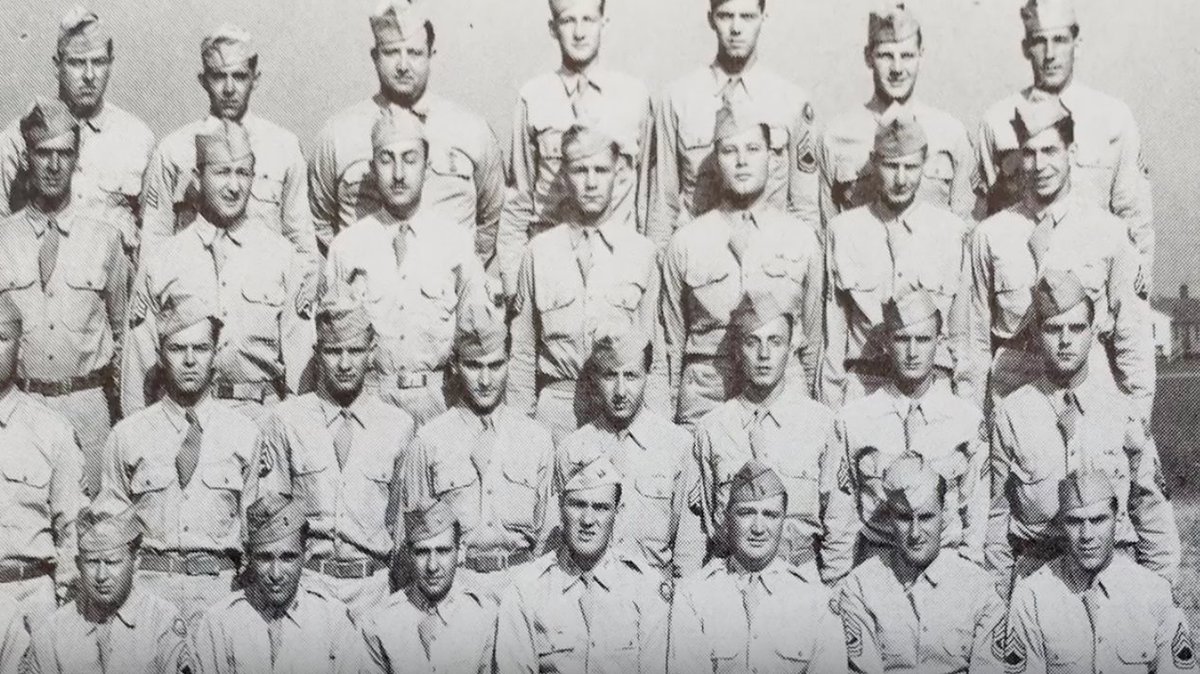
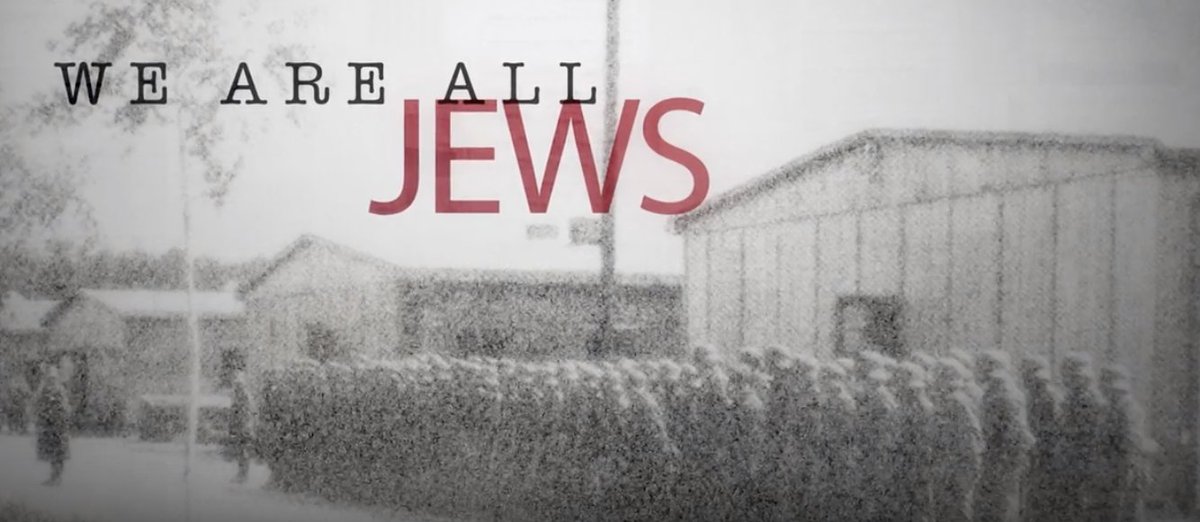
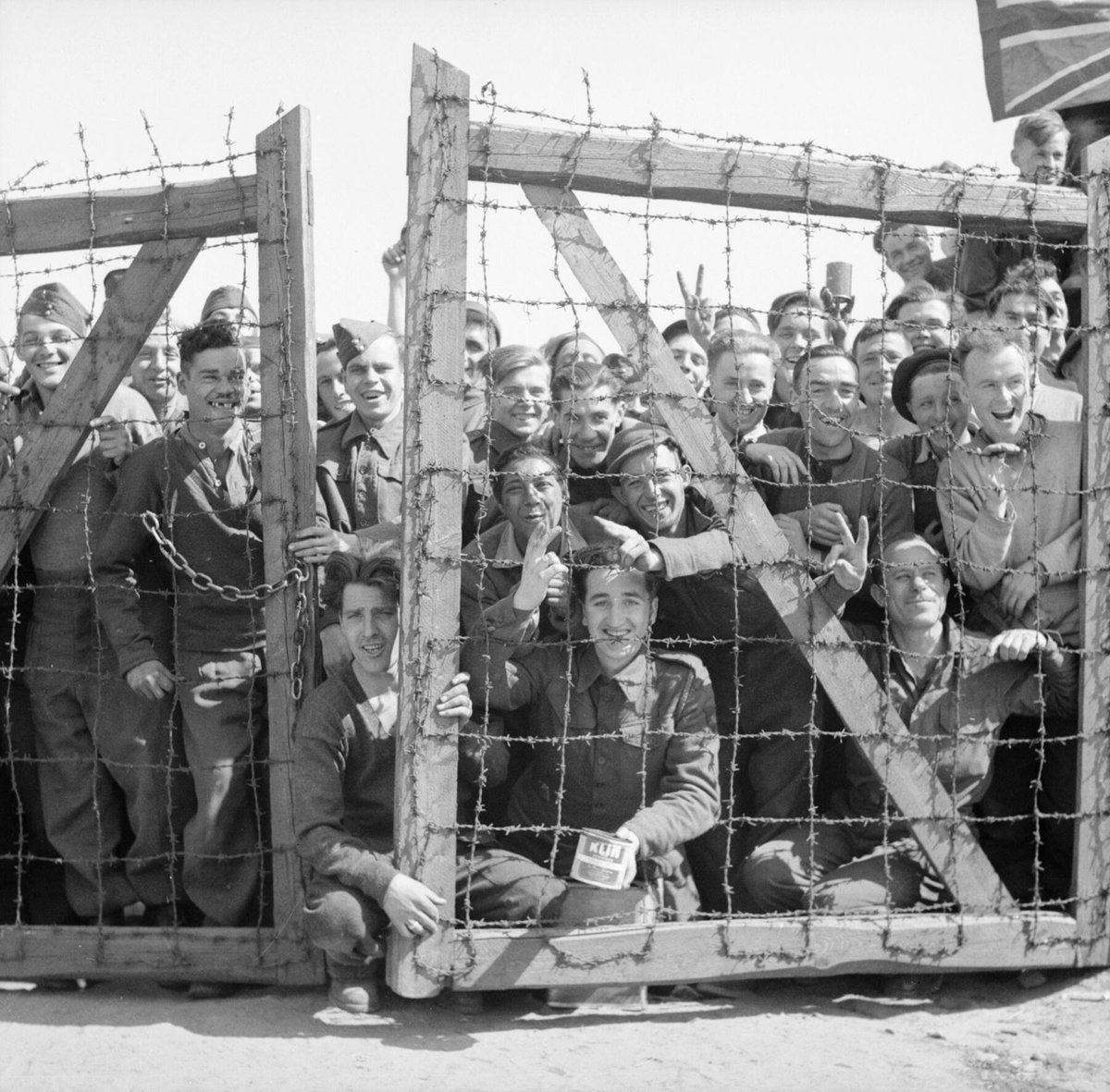
The men were transported to the Stalag IX-A POW camp in Ziegenhain, Germany.
Roddie was the senior enlisted American Soldier at the site. As such, he was the conduit between all American Soldiers and their German captors.
4 of 16:
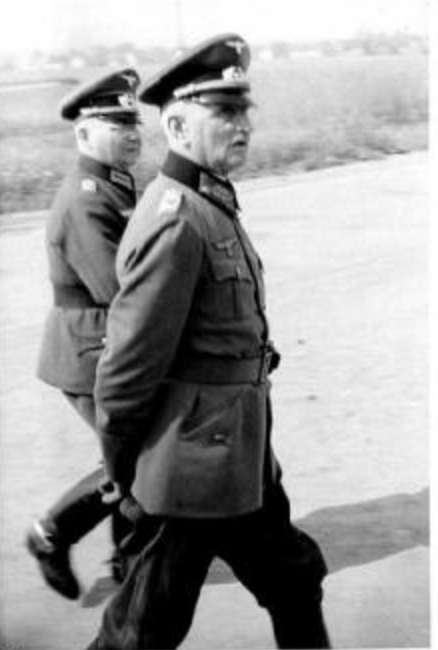
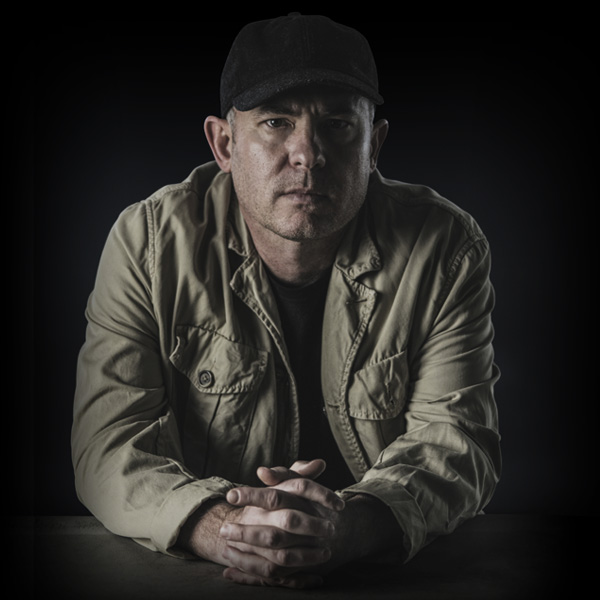
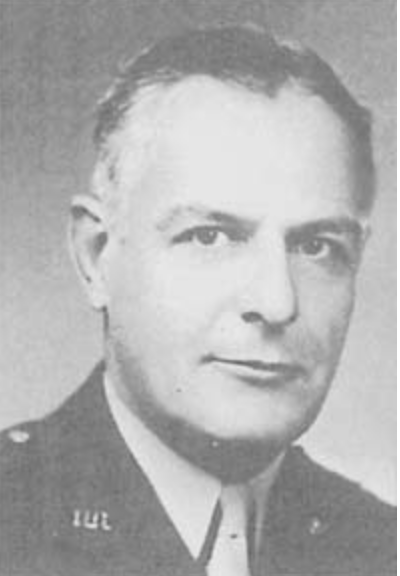
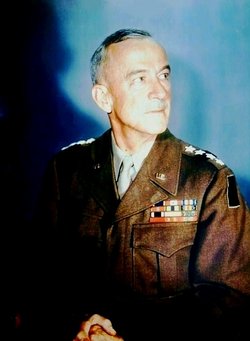
In late January, the camp’s commandant, Major Siegmann [pictured here], ordered Roddie, a Christian, to identify all Jewish Soldiers and order them to stand in formation by themselves the next day.
[Jewish Soldiers were a minority within American units]
5 of 16:
Throughout WWII, captured Jewish Soldiers were often tortured and then killed by their German captors.
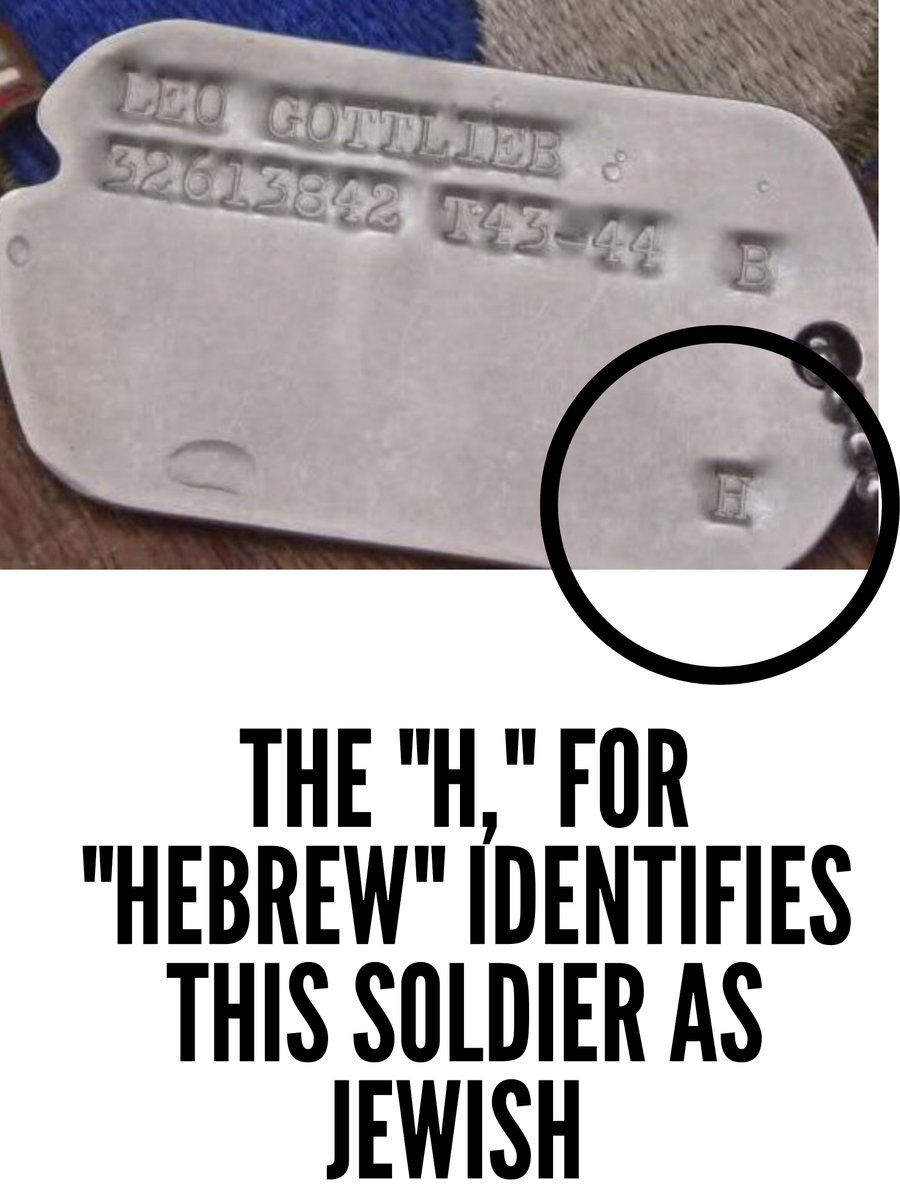
In fact, Jewish Soldiers had been told to bury their dog tags before capture. The dog tag identified Jews with the letter “H” for Hebrew.
6 of 16:
The next morning, Roddie ordered every single American prisoner of war in the camp to assemble outside the barracks for Siegmann.
Siegmann walked out to the courtyard to find all 1,275 men assembled.
There was Roddie, standing in front of his men.
7 of 16:
Siegmann was furious. He walked up to Edmonds, snarling in English, “You are to identify the Jews immediately.”
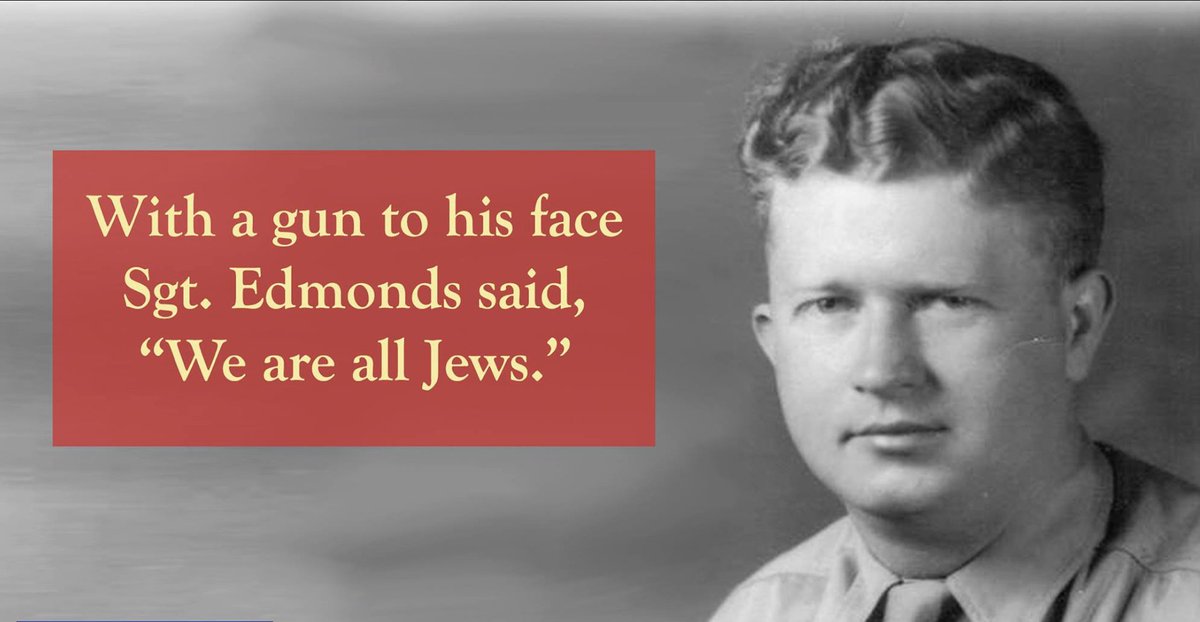
Roddie replied, “We are all Jews here.”
Enraged, Siegmann took out his pistol and threatened to shoot Roddie, who refused to back down.
8 of 16:
“You are going to have to kill all of us,” Edmonds told his Nazi captor. “We are all Jews,” he repeated.
9 of 16:
Roddie told the Nazi that the war was almost over. The Germans would soon be defeated.
If any of his men were harmed, Siegmann would be hunted, tried, and convicted for war crimes after the war.
Siegmann walked away.
10 of 16:
Roddie’s courage saved the lives of more than 200 Jewish Soldiers in that POW camp.
Three months later, Roddie and all Americans imprisoned in Stalag IX-A were freed by Allied forces.
11 of 16:
After the war, Roddie Edmonds returned to his hometown of Knoxville, Tennessee. He started a family and a career as a salesman.
He never once mentioned this story about Stalag IX-A.
No one knew. He received no commendation for his courage while alive.
12 of 16:
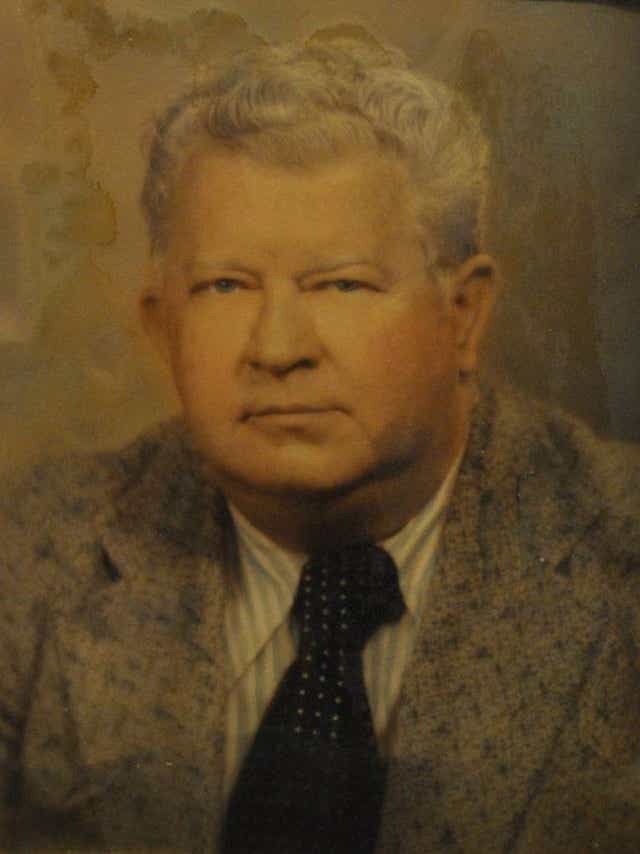
Roddie Edmonds died of heart failure at age 65 in 1985.
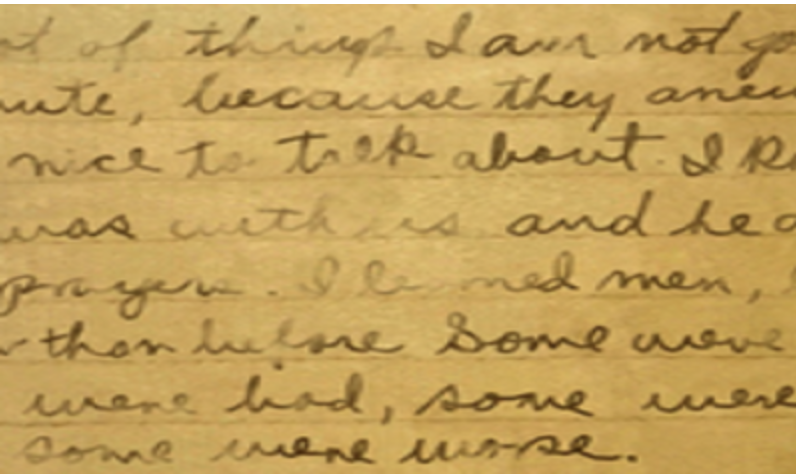
After his death, his children began to slowly uncover their father’s remarkable wartime deeds through his diary.
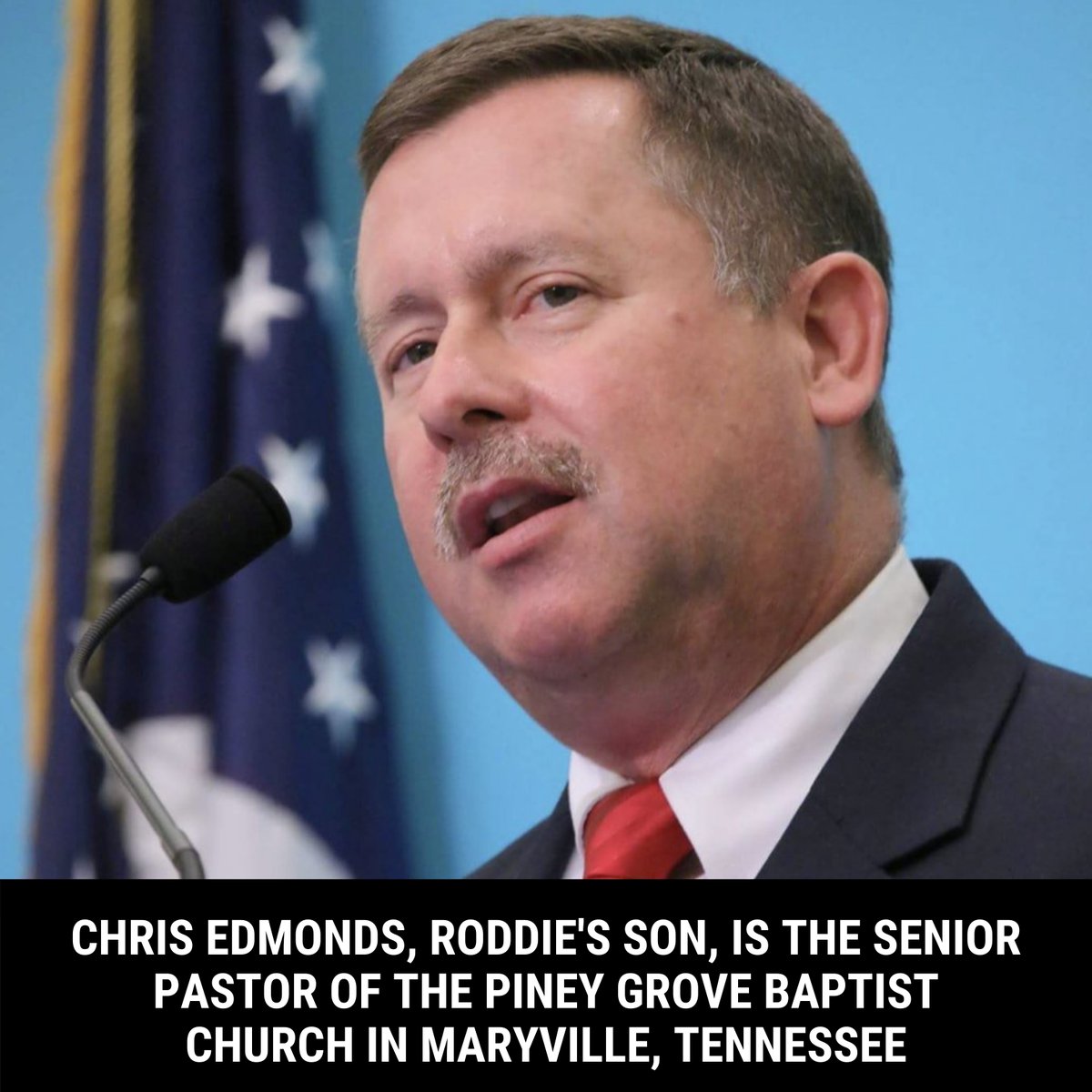
Roddie’s son, Chris, a pastor in Maryville, Tennessee, brought this act of love to light.
13 of 16:
With Chris' help, the State of Israel was made aware of Roddie's uncommon courage.
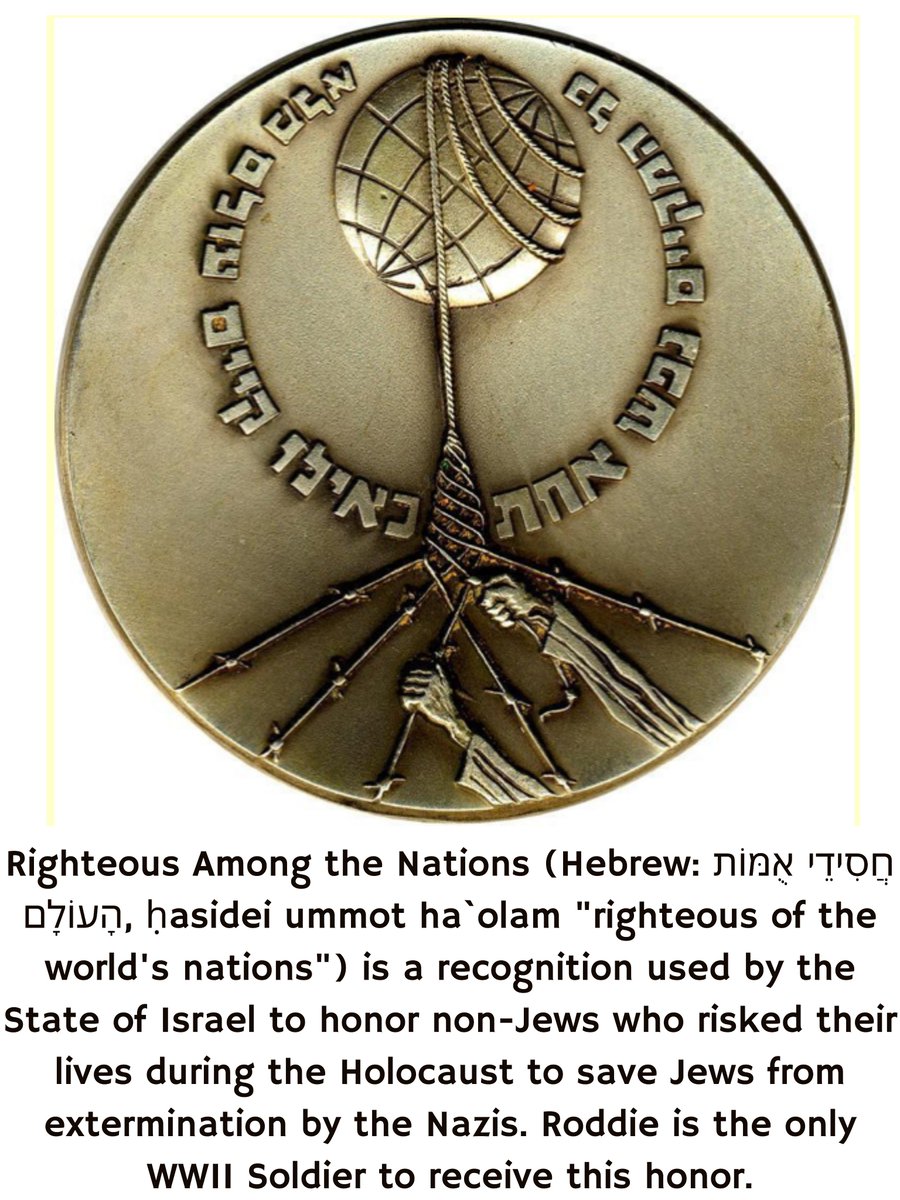
In 2015, Israel recognized Roddie Edmonds as a Righteous Among the Nations, Israel’s highest honor for non-Jews who saved Jews during the Holocaust.
14 of 16:
To tell this story, we spoke with Roddie’s son Chris last week.
Chris had this message: “My father’s selfless actions in the face of unimaginable evil is vital in these days. Especially when our world is full of hatred and we still see anti-Semitism.”
15 of 16:
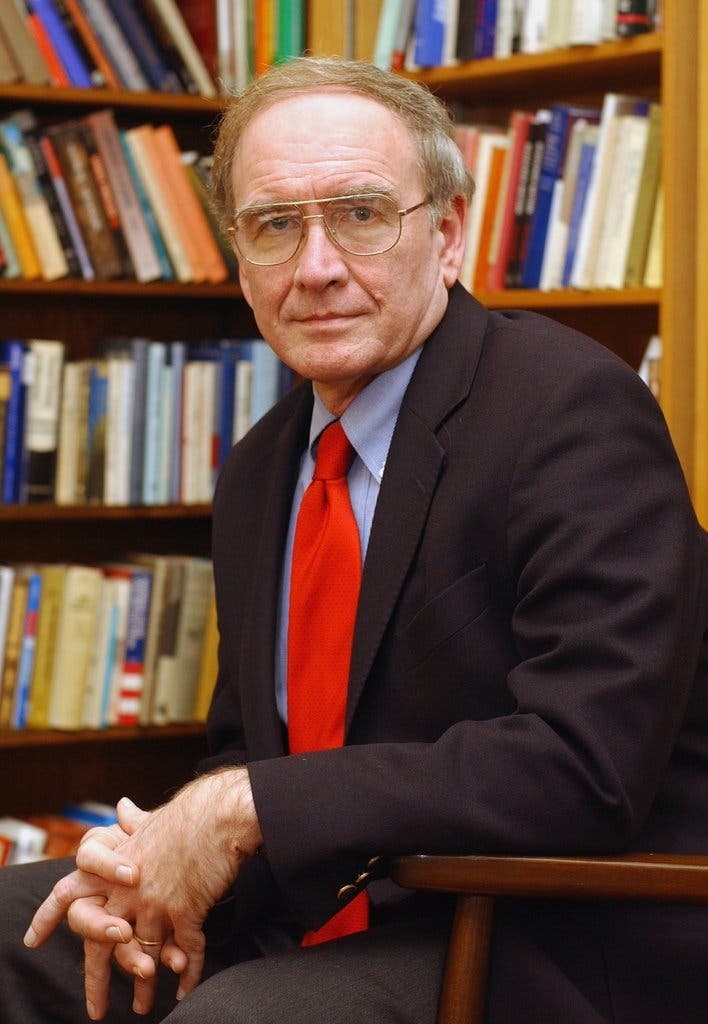
Avner Shalev, chairman of the Yad Vashem Holocaust museum and memorial, told us: “The choices and actions of Master Sergeant Edmonds set an example for his fellow American Soldiers as they stood united against the barbaric evil of the Nazis.”
FINAL:
We’ll let Chris Edmonds have the last word:
“Each of us has the moral capacity to make a difference in the lives of others. Your ordinary life lived well is extraordinary—even heroic. So live as God made you. Live for others, be the hero!”