A prominent user of the #wallstreetbets community has been publicly posting about their position and positive outlook on $GME since September 2019. #YOLO
They didn’t pick the stock randomly. There are reasons to like GameStop. Google “Ryan Cohen” for more on that.
[2/?]
So, many on #wallstreetbets already liked $GME since late 2019.
Then, someone realized that there was a lot of money shorting that stock, essentially betting that the stock would go down.
And, I mean A LOT of money!
[3/?]
Shorting a stock, in simplest terms, is borrowing shares of a stock for a fixed amount of time, and immediately selling it at the current market price.
When the stock price goes down, you buy it back at the lower price, pay the lender back and pocket the profit.
[4/?]
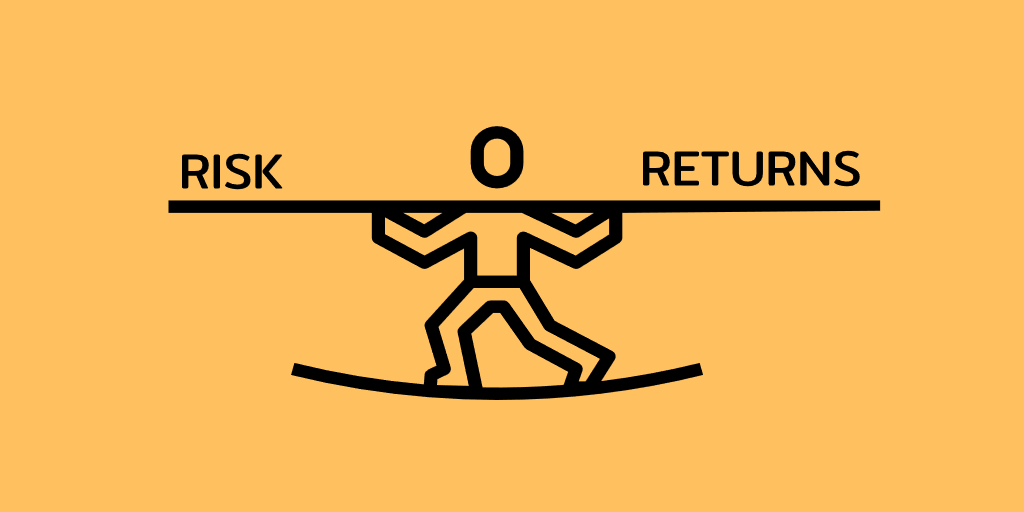
There are lots of legitimate uses for shorting a stock, like hedging your risk, which is sort of like buying an insurance policy.
However, that’s not what the impacted hedge funds were doing. They were making a big risky bet that GameStop’s stock was going down.
[5/?]
And they did it with a whole lot of money. In fact, there were more borrowed shares in short positions than there are actually shares in the company.
Someone on #wallstreetbets noticed this unusual situation.
This is where the excrement hit the ventilation.
[6/?]
With so much money betting on GamesStop’s stock price going down, there was a huge opportunity for those investors that like the stock, such as those on #wallstreetbets.
So, they started buying, which started to drive the price up.
But this isn’t even the crazy part.
[7/?]
As the price went up, those short positions held by the “hedgies” became more expensive.
The thing about short selling is that, in theory, there is no cap to how much you can lose. It’s not like buying a stock. In that case, all you can lose is how much you paid for it.
[8/?]
As the price ascended, the short sellers started buying shares to cap their losses, so they can pay back the shares that they borrowed.
That fueled even higher stock prices which made even more short investors buy shares to cap increasing losses. This is a short squeeze.
[9/?]
So, a bunch little guys (relatively speaking) or “retail investors” as they are euphemistically known, took, by all estimates, billions of dollars from hedge funds by recognizing a massive legitimate opportunity in the market.
[10/?]
The big guys aren’t used to losing so big, especially to regular people, so it looks like they’ve screamed and convinced the brokers that many of the Reddit traders are using,
@RobinhoodApp @RevolutApp &
@IBKR to suspend purchases of the stock.
[11/?]
Essentially, the big guys have shutout a big segment of regular people because they’ve found themselves on the ugly side of an ill-advised and risky investment position.
[12/?]
Now, $gme is going down because many of those who would like to buy are locked out by their brokers. They can only sell, which is good for the big guys.
The only conclusion that I can reasonably come to is that financial system is rigged.
[fin]
Okay, part two of the story:
As of the time of this tweet, $GME price has receded to around $246 from it's high of $350-ish.
Tho some high-profile parties that were short the stock have liquidated at a big loss, it's likely some haven't.
Why not?
[thread]
Presumably, it's because they're betting on the price of $gme going down, which it has, with a big assist from
@RobinhoodApp, @RevolutApp, and
@IBKR blocking their customers from buying the stock.
But time is running out on a lot of these investors.
Here's why...
[thread]
One way that investors can take a short position is via an option.
Options are high-risk / high-reward investments.
In fact, many of the #wallstreetbets investors were actually investing in options that bet on the stock going up. These folks have made a fortune.
[more]
But you can also invest in options that pay off if the stock goes down.
Option contracts last a finite amount of time. They expire on their "strike date," which is an integral part of an options contract.
So, on the strike date, it's over.
[more]
So, guess what day is the strike date for $GME options that expire in January?
C'mon.
Guess.
You won't believe it.
It's tomorrow.
Seriously.
[more]
The big investors who are still short $gme via January options have a powerful motivation to drive the stock price down as low as possible before tomorrow.
Tomorrow is going to be interesting.
[fin l' épisode deux]