
The Phantom of Heilbronn (or how for 16 years the German police hunted a serial killer who didn't exist)
(Thread, non sweary version here: https://t.co/iDOIhaFgIT)
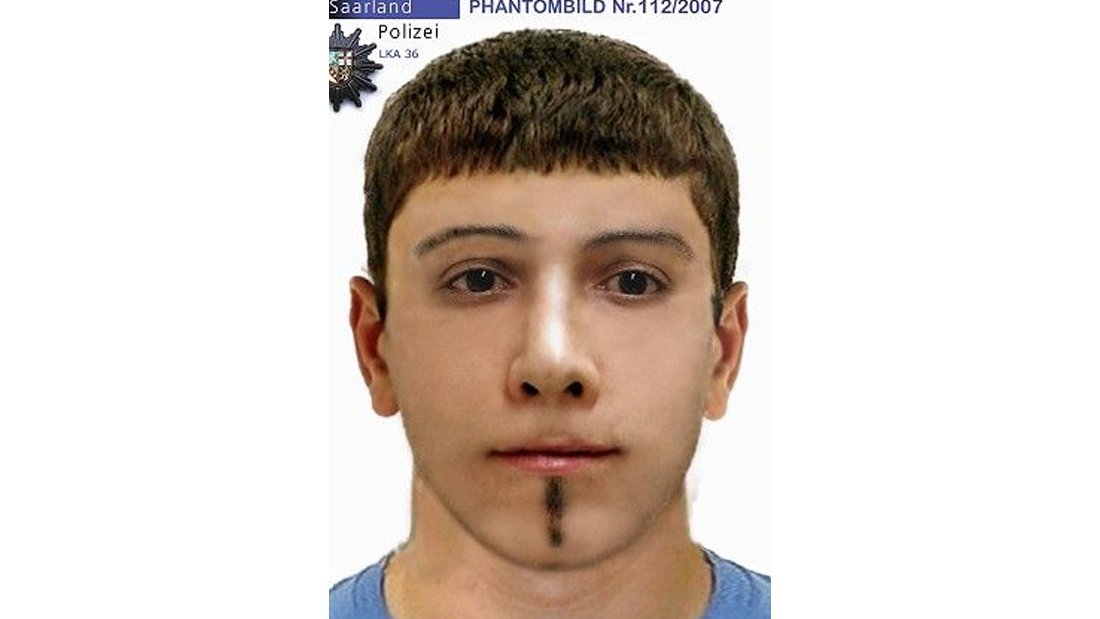
In 2005, two brothers got into a domestic dispute and one brother fired on the other, and then the police *found her DNA on the bullet*.
More from Tech

On press call, Zuckerberg says FB users "naturally engage more with sensational content" that comes close to violating its rules. Compares it to cable TV and tabloids, and says, "This seems to be true regardless of where we set our policy lines."
Zuckerberg says FB is in the process of setting up a "new independent body" that users will be able to appeal content takedowns to. Sort of like the "Facebook Supreme Court" idea he previewed earlier this year.
Zuckerberg: "One of my biggest lessons from this year is that when you connect more than 2 billion people, you’re going to see the good and bad of humanity."
This is how Facebook says it's trying to change the engagement pattern on its services. https://t.co/3p0PGc912o

.@RebeccaJarvis asks Zuckerberg if anyone is going to lose their job over the revelations in the NYT story. He dodges, says that personnel issues aren't a public matter, and that employee performance is evaluated all the time.
Zuckerberg says FB is in the process of setting up a "new independent body" that users will be able to appeal content takedowns to. Sort of like the "Facebook Supreme Court" idea he previewed earlier this year.
Zuckerberg: "One of my biggest lessons from this year is that when you connect more than 2 billion people, you’re going to see the good and bad of humanity."
This is how Facebook says it's trying to change the engagement pattern on its services. https://t.co/3p0PGc912o
.@RebeccaJarvis asks Zuckerberg if anyone is going to lose their job over the revelations in the NYT story. He dodges, says that personnel issues aren't a public matter, and that employee performance is evaluated all the time.




You May Also Like





Master Thread of all my threads!
Hello!! 👋
• I have curated some of the best tweets from the best traders we know of.
• Making one master thread and will keep posting all my threads under this.
• Go through this for super learning/value totally free of cost! 😃
1. 7 FREE OPTION TRADING COURSES FOR
2. THE ABSOLUTE BEST 15 SCANNERS EXPERTS ARE USING
Got these scanners from the following accounts:
1. @Pathik_Trader
2. @sanjufunda
3. @sanstocktrader
4. @SouravSenguptaI
5. @Rishikesh_ADX
3. 12 TRADING SETUPS which experts are using.
These setups I found from the following 4 accounts:
1. @Pathik_Trader
2. @sourabhsiso19
3. @ITRADE191
4.
4. Curated tweets on HOW TO SELL STRADDLES.
Everything covered in this thread.
1. Management
2. How to initiate
3. When to exit straddles
4. Examples
5. Videos on
Hello!! 👋
• I have curated some of the best tweets from the best traders we know of.
• Making one master thread and will keep posting all my threads under this.
• Go through this for super learning/value totally free of cost! 😃
1. 7 FREE OPTION TRADING COURSES FOR
A THREAD:
— Aditya Todmal (@AdityaTodmal) November 28, 2020
7 FREE OPTION TRADING COURSES FOR BEGINNERS.
Been getting lot of dm's from people telling me they want to learn option trading and need some recommendations.
Here I'm listing the resources every beginner should go through to shorten their learning curve.
(1/10)
2. THE ABSOLUTE BEST 15 SCANNERS EXPERTS ARE USING
Got these scanners from the following accounts:
1. @Pathik_Trader
2. @sanjufunda
3. @sanstocktrader
4. @SouravSenguptaI
5. @Rishikesh_ADX
The absolute best 15 scanners which experts are using.
— Aditya Todmal (@AdityaTodmal) January 29, 2021
Got these scanners from the following accounts:
1. @Pathik_Trader
2. @sanjufunda
3. @sanstocktrader
4. @SouravSenguptaI
5. @Rishikesh_ADX
Share for the benefit of everyone.
3. 12 TRADING SETUPS which experts are using.
These setups I found from the following 4 accounts:
1. @Pathik_Trader
2. @sourabhsiso19
3. @ITRADE191
4.
12 TRADING SETUPS which experts are using.
— Aditya Todmal (@AdityaTodmal) February 7, 2021
These setups I found from the following 4 accounts:
1. @Pathik_Trader
2. @sourabhsiso19
3. @ITRADE191
4. @DillikiBiili
Share for the benefit of everyone.
4. Curated tweets on HOW TO SELL STRADDLES.
Everything covered in this thread.
1. Management
2. How to initiate
3. When to exit straddles
4. Examples
5. Videos on
Curated tweets on How to Sell Straddles
— Aditya Todmal (@AdityaTodmal) February 21, 2021
Everything covered in this thread.
1. Management
2. How to initiate
3. When to exit straddles
4. Examples
5. Videos on Straddles
Share if you find this knowledgeable for the benefit of others.