Categories Society
7 days
30 days
All time
Recent
Popular


Now what about scattered variables? Some of them look very old and thus kind of put our basic ideas of continuity and large-group classifications in question.
Let’s take a look at a couple of them and shiver at their
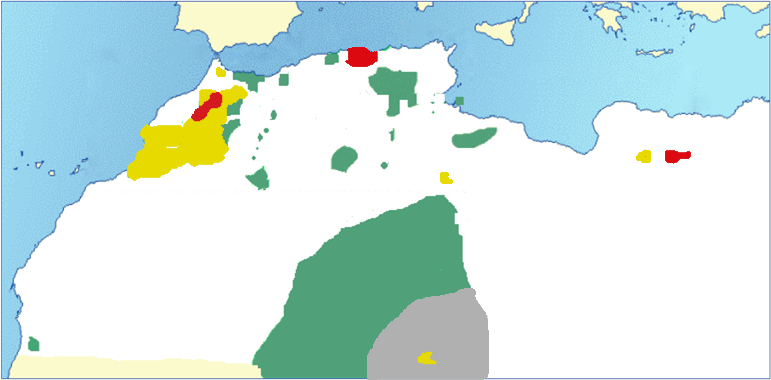
(1) The 2SG subject marker on the verb.
GREEN: -d
YELLOW -t (possibly a development from -d)
ReRED: -ḍ / -ṭ
There is no regular phonetic correspondence of -d to -ḍ.
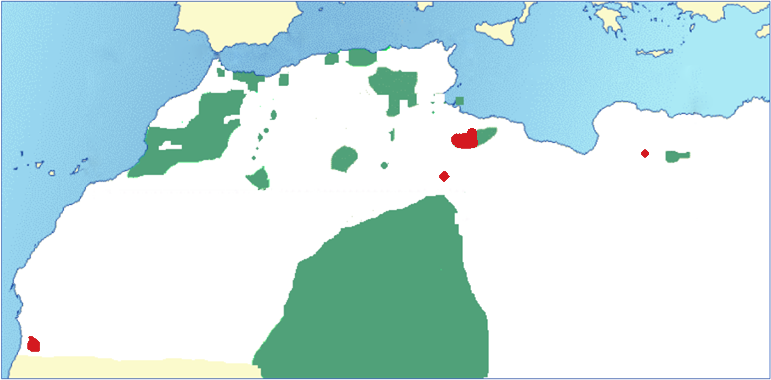
(2) In most varieties *β became (or remained?) /b/ in pre-consonantal position (GREEN). In a number of varieties, this didn’t happen (RED).
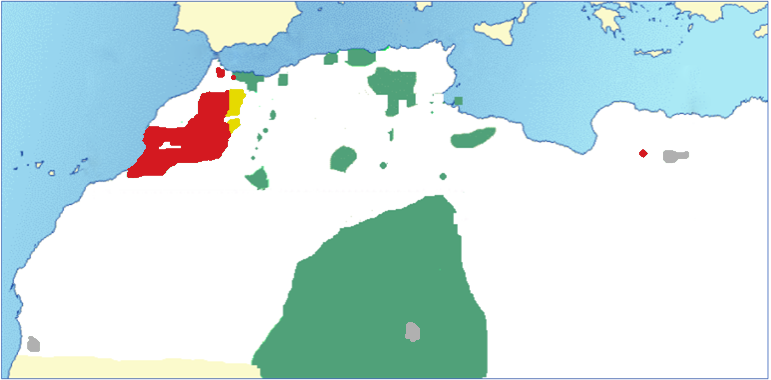
(3) The Imperative M:PL suffix is -at in western Morocco AND in Awjila (Libya) (RED). It is -ət / -ăt elsewhere (GREEN). The yellow part has different suffixes.
(4) The pharyngealized (“emphatic”) non-geminated alveolar is [dˁ] (or [ðˁ]) in most of Amazigh (GREEN), but in a scattered number of varieties, it is [tˁ] (RED).
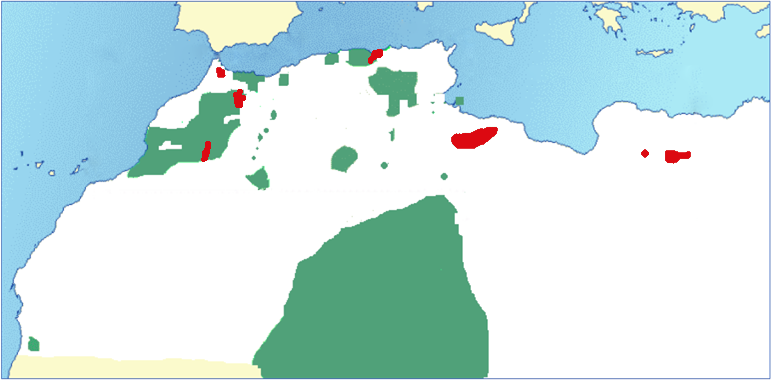
Let’s take a look at a couple of them and shiver at their
Amazigh (Berber) languages are quite close to each other and in most places nearby varieties are mutually intelligible. They function like a discontinuous dialect continuum.
— Maarten Kossmann (@ait_kisou) January 12, 2021
A loooong thread with maps (and no memes\u2639\ufe0f).
(1) The 2SG subject marker on the verb.
GREEN: -d
YELLOW -t (possibly a development from -d)
ReRED: -ḍ / -ṭ
There is no regular phonetic correspondence of -d to -ḍ.
(2) In most varieties *β became (or remained?) /b/ in pre-consonantal position (GREEN). In a number of varieties, this didn’t happen (RED).
(3) The Imperative M:PL suffix is -at in western Morocco AND in Awjila (Libya) (RED). It is -ət / -ăt elsewhere (GREEN). The yellow part has different suffixes.
(4) The pharyngealized (“emphatic”) non-geminated alveolar is [dˁ] (or [ðˁ]) in most of Amazigh (GREEN), but in a scattered number of varieties, it is [tˁ] (RED).

OK here goes. I think I have completed the not-at-all-exhaustive timeline of relevant events on IH-345 (thread)...
2011 - city of Dallas and Downtown Dallas, Inc. complete original Downtown 360 plan for downtown Dallas that specifically states, "the inner highway loop is a problem, but there is nothing we can do about it." This was a motivating force.
2012 - TxDOT hosts public meeting on future of IH-345 where nine options were shown (these were nine different construction methods and price tags for keeping the highway elevated. not options):
2013 - D Magazine publishes first story (by me) on removing IH-345:
2013 - https://t.co/07TEwhlgdV goes live and gets 22,000+ hits on the first day. Website designed by @justinc
2011 - city of Dallas and Downtown Dallas, Inc. complete original Downtown 360 plan for downtown Dallas that specifically states, "the inner highway loop is a problem, but there is nothing we can do about it." This was a motivating force.
2012 - TxDOT hosts public meeting on future of IH-345 where nine options were shown (these were nine different construction methods and price tags for keeping the highway elevated. not options):
2013 - D Magazine publishes first story (by me) on removing IH-345:
2013 - https://t.co/07TEwhlgdV goes live and gets 22,000+ hits on the first day. Website designed by @justinc


Kicking off the Year in Review for #PICUQI and #PedsICU #MedEd #CCC50 Search strategy included a review of ALL tables of contents of major pediatric and critical care journals, PUBMED search, key collaborative search, asking on @twitter and discussion with experts in the fields.
First up, discussion of #PICUQI #CCC50.
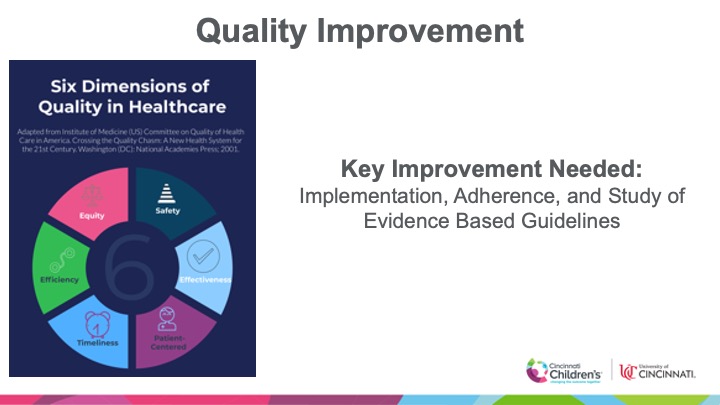
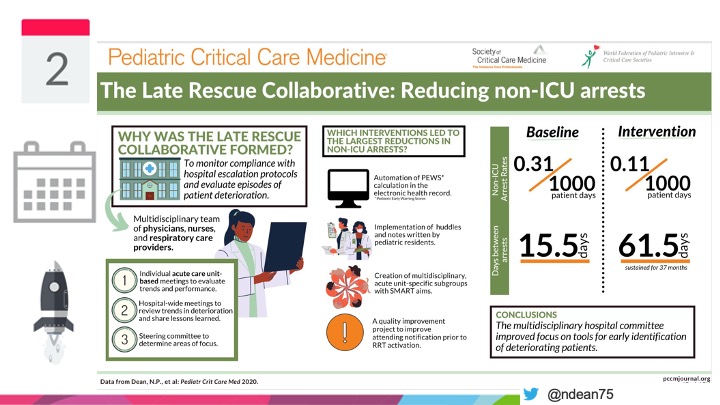
First up by @ndean75, “The Late Rescue Collaborative: Reducing non-ICU arrests” in @PedCritCareMed Dean & colleagues saw decreased rates of non-ICU arrests & increased participation through @AAP #MOCPart4. #PICUQI #CCC50
https://t.co/PYcz22MA6x
Editorial by @pccm_doc:
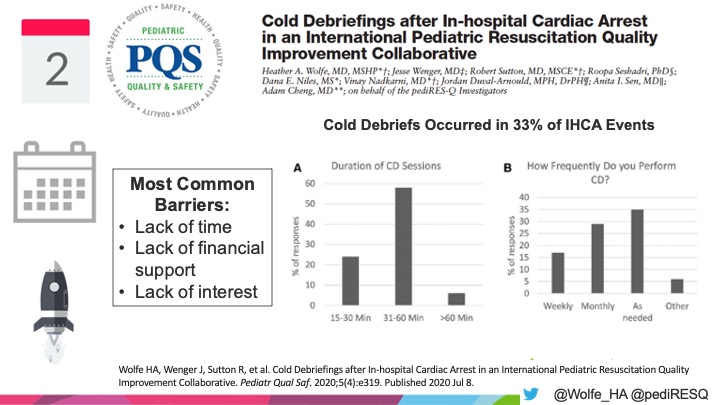
@pediRESQ in @PQS_LWW used a plus/delta approach to assess cold debriefs and found commonly reported barriers to be lack of time, financial support, or interest. Do you do cardiac arrest debriefs at your center? What are your barriers? #PICUQI #CCC50
First up, discussion of #PICUQI #CCC50.
First up by @ndean75, “The Late Rescue Collaborative: Reducing non-ICU arrests” in @PedCritCareMed Dean & colleagues saw decreased rates of non-ICU arrests & increased participation through @AAP #MOCPart4. #PICUQI #CCC50
https://t.co/PYcz22MA6x
Editorial by @pccm_doc:
@pediRESQ in @PQS_LWW used a plus/delta approach to assess cold debriefs and found commonly reported barriers to be lack of time, financial support, or interest. Do you do cardiac arrest debriefs at your center? What are your barriers? #PICUQI #CCC50






1. Predictably, and I say this to no denigration of PC Young’s experience, your article is written to inflame. It could have appeared in DailyMail.
You seek only to outrage; not to inform. While I cannot hope to do so with @barristersecret’s finesse I will attempt to add balance.
2. The law requires the sentencing judge to adhere to the Sentencing Guidelines. This is an exercise in balancing a multitude of relevant factors.
Immediately, therefore, this means that your claim the offender escaped custody “thanks to glowing character references” is false.
3. The exercise begins, therefore, with the Guideline for the offence that has resulted in a conviction. If that offence is not serious enough for the facts then that is the fault of the CPS, not the judge, who cannot sentence more severely than for what is before him/her.
4. Offences have a max. sentence in law, and the Guidelines indicate a starting point, and range. While it is the law that judges must have regard to the Guidelines, they may go outside of the range (at either end) where circumstances so justify, but if they do they must say why.
5. PC Young’s attacker was convicted of ABH. For that offence, there are 9 stages to the sentencing process, beginning, as always, with determining the offence category which is a combination of offender culpability, and the harm caused.
You seek only to outrage; not to inform. While I cannot hope to do so with @barristersecret’s finesse I will attempt to add balance.
"Is it ok for me to be used as a punchbag?"
— Police Federation (@PFEW_HQ) December 5, 2020
PC David Young's faith in courts left shattered after a man who fractured his nose & cheekbone walked free with a suspended sentence. #ProtectTheProtectors
Full story \u2b07\ufe0fhttps://t.co/wT9IR6XS4v@NYPFJBB @pritipatel @RobertBuckland pic.twitter.com/tKCUexn0Mt
2. The law requires the sentencing judge to adhere to the Sentencing Guidelines. This is an exercise in balancing a multitude of relevant factors.
Immediately, therefore, this means that your claim the offender escaped custody “thanks to glowing character references” is false.
3. The exercise begins, therefore, with the Guideline for the offence that has resulted in a conviction. If that offence is not serious enough for the facts then that is the fault of the CPS, not the judge, who cannot sentence more severely than for what is before him/her.
4. Offences have a max. sentence in law, and the Guidelines indicate a starting point, and range. While it is the law that judges must have regard to the Guidelines, they may go outside of the range (at either end) where circumstances so justify, but if they do they must say why.
5. PC Young’s attacker was convicted of ABH. For that offence, there are 9 stages to the sentencing process, beginning, as always, with determining the offence category which is a combination of offender culpability, and the harm caused.

A thread of South Dakota Senators and Representatives and their contact information.
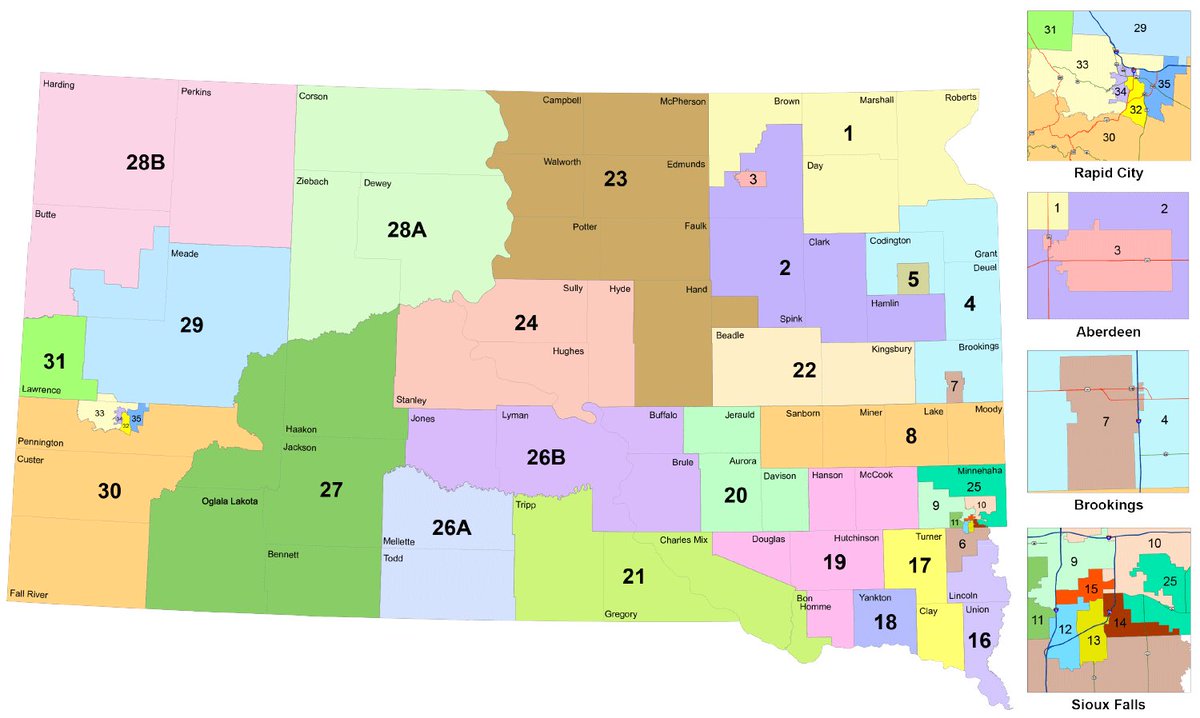
District: 01
Counties: Brown, Day, Marshall, Roberts
[email protected]
[email protected]
[email protected]
District 02
Counties Brown, Clark, Hamlin, Spink
[email protected]
[email protected]
[email protected]
District 03
Counties Brown
[email protected]
[email protected]
[email protected]
District 04
Counties Brookings, Codington, Deuel, Grant
[email protected]
[email protected]
[email protected]
District: 01
Counties: Brown, Day, Marshall, Roberts
[email protected]
[email protected]
[email protected]
District 02
Counties Brown, Clark, Hamlin, Spink
[email protected]
[email protected]
[email protected]
District 03
Counties Brown
[email protected]
[email protected]
[email protected]
District 04
Counties Brookings, Codington, Deuel, Grant
[email protected]
[email protected]
[email protected]


THREAD: I hope this mistake can be used as an opportunity to learn why this kind of language is bad.
The Minister isn't the only person to say things like this- I've even heard parents of kids with autism refer to other children as "normal" & have had to rearrange my face. (1/n)
The hard thing for those of us working in/ living with disability is that this is a mistake we'd NEVER make.
For others (who don't live and breathe disability), saying "normal children" is probably a slip of the tongue- not a betrayal of them secretly being awful people. (2/n)
Given her portfolio this is a bad gaffe for the Minister which has upset people. Rather than piling on, it would be better to use this as a rare opportunity for other people to learn why language matters so deeply in disability and why this kind of thing is so wounding. (3/n)
Children with disabilities or special educational needs have the same rights to education and participation as everyone else. The support they need to achieve this is not "extra help" it's the bare minimum responsibility of State to allow them participate in their own lives(4/n)
By separating children out based on disability and not guaranteeing their rights, we state that their rights only apply when it's convenient for us to meet their needs. Whether we like it or not, this is what we say when we abide appallingly underfunded services. (5/n)
The Minister isn't the only person to say things like this- I've even heard parents of kids with autism refer to other children as "normal" & have had to rearrange my face. (1/n)
Minister for Special Education Josepha Madigan describes children without additional needs as 'normal' | @Jessjcasey @aoifegracemoore https://t.co/4S1Y7vIRRC
— Irish Examiner (@irishexaminer) January 14, 2021
The hard thing for those of us working in/ living with disability is that this is a mistake we'd NEVER make.
For others (who don't live and breathe disability), saying "normal children" is probably a slip of the tongue- not a betrayal of them secretly being awful people. (2/n)
Given her portfolio this is a bad gaffe for the Minister which has upset people. Rather than piling on, it would be better to use this as a rare opportunity for other people to learn why language matters so deeply in disability and why this kind of thing is so wounding. (3/n)
Children with disabilities or special educational needs have the same rights to education and participation as everyone else. The support they need to achieve this is not "extra help" it's the bare minimum responsibility of State to allow them participate in their own lives(4/n)
By separating children out based on disability and not guaranteeing their rights, we state that their rights only apply when it's convenient for us to meet their needs. Whether we like it or not, this is what we say when we abide appallingly underfunded services. (5/n)