I took Ogilvy's course on Behavioural Economics and Comsumer psychology.

Here are the 10 important theory's I learned from it which you'd be a fool to miss out on:

Loss aversion theory:

The negative psychological impact we feel from losing something is about twice as strong as the positive impact of gaining the same thing.

Finding ₹100$ would makes us happy
Losing ₹100$ would makes us 2X unhappy
Sentence Framing:

The way you frame your sentences is very important. Make them forget about the negative thing by reiterating something which might be positive. We have a stronger bias for things that sound positive.

10% chance of death Vs 90% chance of survival
Goal Gradient Hypothesis:

Humans are hardwired for instant gratification.
as people get closer to the reward, they speed their behavior. So, reward people sooner instead of later

eg: Don't make a goal of reading 52 books a year, make it 1 chapter per day.
Mental Anchoring:

It's the phenomenon where our decisions are heavily based on the 1st piece of information we receive, regardless of whether the information is relevant or not.

Make the first piece of information powerful.
Defaulting:

People tend to stay with the default settings.

Case 1: When people had to opt out of being organ donors- very few people opted out
case 2: When people had to opt in - very few people opted in.

Simply changing the default setting made a drastic difference.
Scarcity:

Companies make limited edition products to drive sales even though they can make the SAME product in abundance

One way of encouraging customers to buy their products, is FOMO. If they didn't buy now they might not get a chance later

Example: Limited Edition Sneakers
Pain of Paying:

Just thinking about money can make you experience a kind of physical pain that stops you from spending

eg: Removing the currency dollar in the menu increased the average spending by 12%
eg: Starbucks launching a membership card
Ikea Effect:

When you sell something where the person has to assemble the item at the end, we put higher value to the things we help create

Eg: Subway Sandwhich Vs McDonalds
TLDR; for the lazy folks

1) Loss aversion theory
2) Sentence framing
3) Goal Gradient Hypothesis
4) Mental Anchoring
5) Defaulting
6) Scarcity
7) Pain of paying
8) IKEA Effect

(This is all that I could fit lol)
I'm thinking of making more threads, give me ideas for what you'd like to see.

More from Marketing

Master list of how to SCRAPE any category of leads.

Ecommerce, local biz, B2B, LinkedIn searches, info product sellers, enterprise, ANYTHING.

Likes / Retweets appreciated.

THREAD


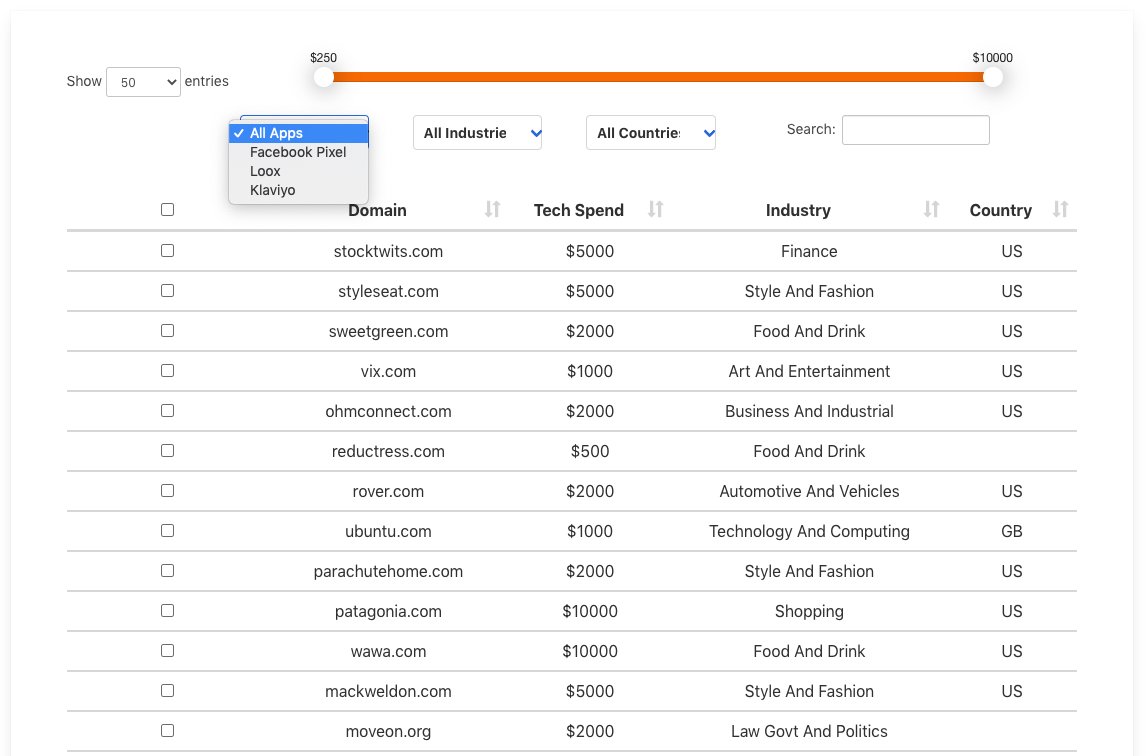
1/ Ecommerce Stores

Use
https://t.co/McZHDIlDFn

Further filter based on apps installed.

Selling email marketing?

Shopify + Klaviyo

Instantly unlock direct email addresses of decision makers WITH LinkedIn profiles.

Emails are already verified, no need to do it yourself.


2/ Local Biz

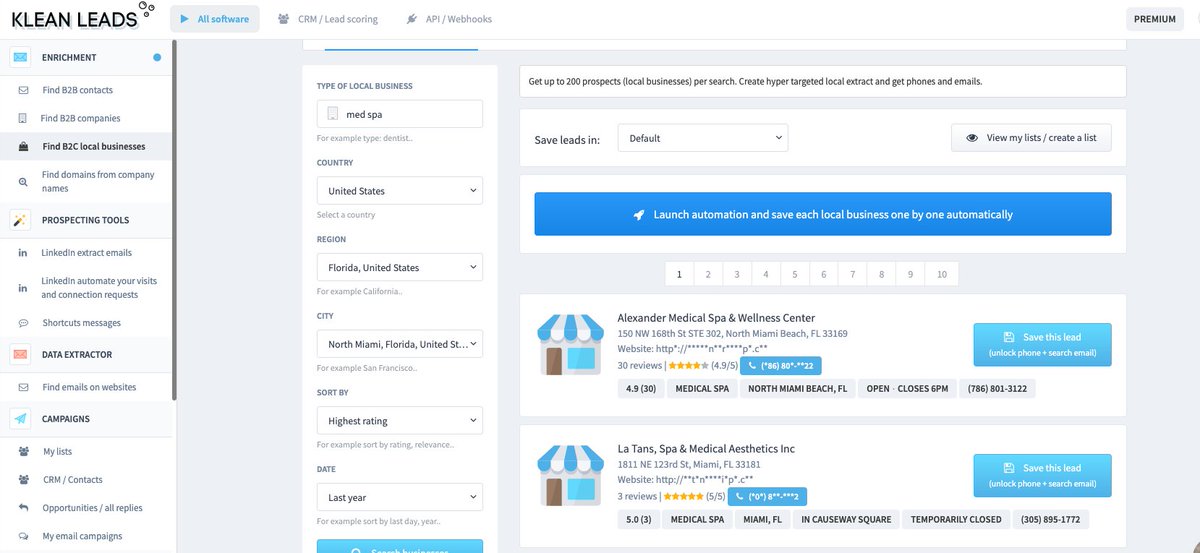
Use https://t.co/B53qu5yEIy

"Find B2C local businesses"

Specify country, state, city, sort by ratings.

Instantly unlocks generic email addresses.


But wait

You need direct owner emails.

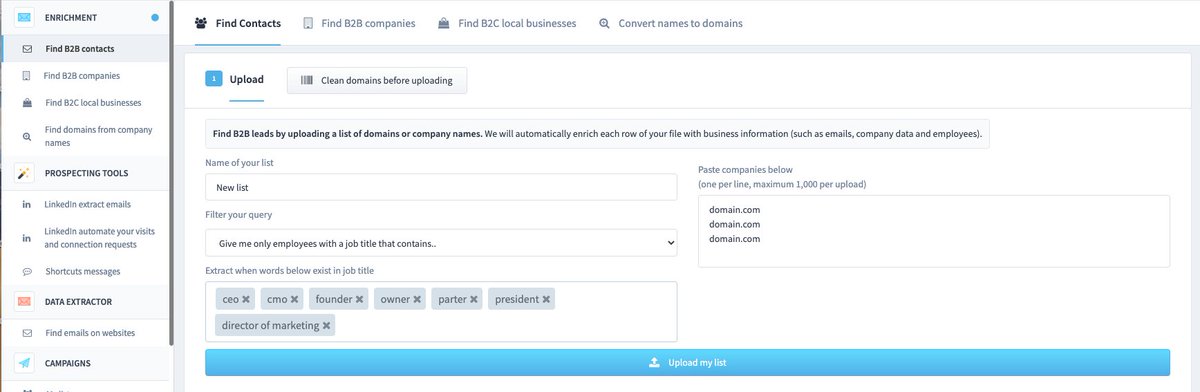
Take the list of domains, and plug them into Klean Leads "Find B2B contacts"

CEO
CMO
Founder
Owner
etc.

It will process and spit out *direct* email addresses of the titles you specify.


3/ LinkedIn Searches

Let's scrape marketing agencies.

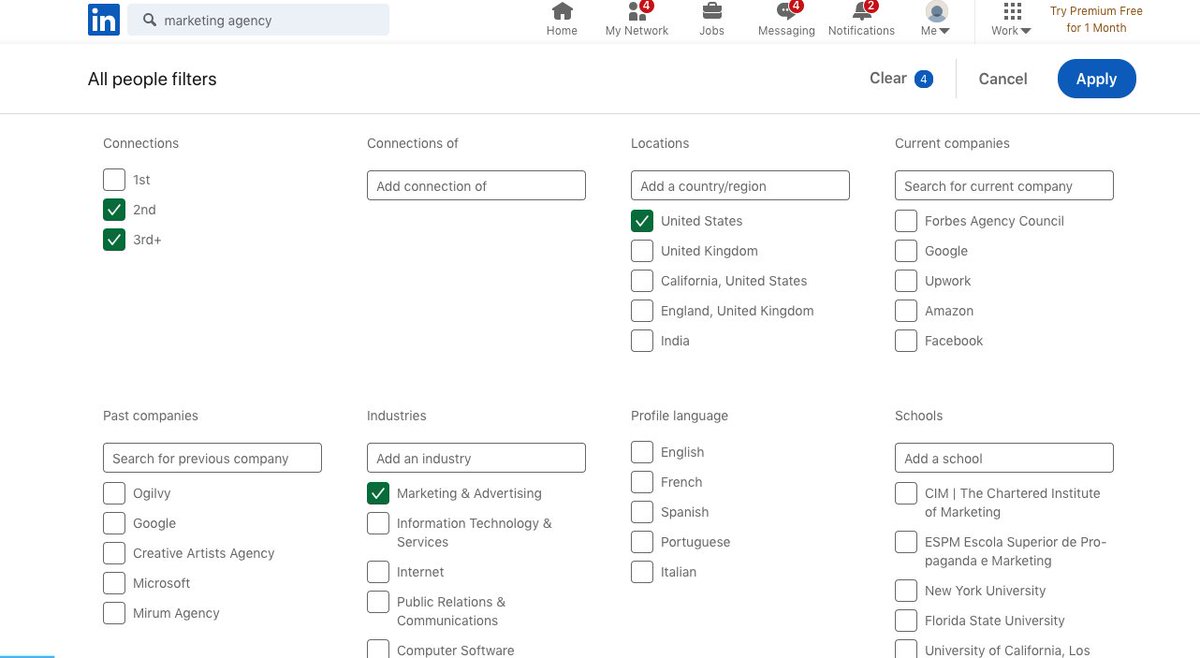
Go to LinkedIn and type in "marketing agency" (just an example)

Click "all filters"

Connections: 2nd, 3rd

Location: US

Industry: Marketing & Advertising

Titles: owner OR founder OR CEO OR CMO

Ready?

Let's scrape it
Reading this article, the story sounds pretty wild. But I spent a weird amount of time with Martin Shkreli, and I’m not surprised the journalist fell in love w him

A few years back my team built an app called Blab. It was like clubhouse before clubhouse.


When he first joined the app I had no idea who he was. I just saw that his live streams instantly had 3-4K viewers. More than anyone on our tiny platform.

I googled him and it came up: “Martin Shkreli, most hated man in America”

I assumed he was bad news

And he was... but also he wasn’t.

He was a douchebag, but he was in on the joke. He was a dick, but he was also very entertaining.

In the mornings he would live stream himself analyzing stocks or walking through drug discovery pathways.

In the afternoon he’d let people call in and debate him live on air. A CNN reporter tried to get him to go on TV, he refused, and said debate me here on Blab, no edits, no tv time limits.

At night he’d host late night convos - and eventually fall asleep on cam

The guy was a pain in the ass but man he drove traffic.

We had big celebs like Tony Robbins, the Jonas brothers etc... he outperformed them all.

At one point he was bringing in 100k users per month directly to his channel. And Bc he was so entertaining, they stuck.

You May Also Like

Recently, the @CNIL issued a decision regarding the GDPR compliance of an unknown French adtech company named "Vectaury". It may seem like small fry, but the decision has potential wide-ranging impacts for Google, the IAB framework, and today's adtech. It's thread time! 👇

It's all in French, but if you're up for it you can read:
• Their blog post (lacks the most interesting details):
https://t.co/PHkDcOT1hy
• Their high-level legal decision: https://t.co/hwpiEvjodt
• The full notification: https://t.co/QQB7rfynha

I've read it so you needn't!

Vectaury was collecting geolocation data in order to create profiles (eg. people who often go to this or that type of shop) so as to power ad targeting. They operate through embedded SDKs and ad bidding, making them invisible to users.

The @CNIL notes that profiling based off of geolocation presents particular risks since it reveals people's movements and habits. As risky, the processing requires consent — this will be the heart of their assessment.

Interesting point: they justify the decision in part because of how many people COULD be targeted in this way (rather than how many have — though they note that too). Because it's on a phone, and many have phones, it is considered large-scale processing no matter what.
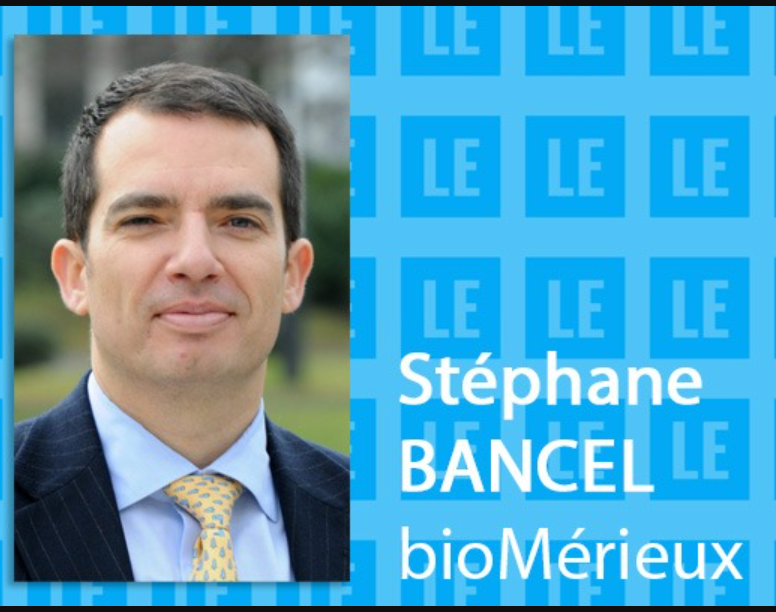
Moderna CEO Stephane Bancel was previously CEO of bioMerieux in France from 07-10.

Alain Merieux, who owns bioMerieux, was instrumental in the creation of the Wuhan Institute of Virology P4 Lab.

The same people who helped create the virus, also helped to create the vaccines...


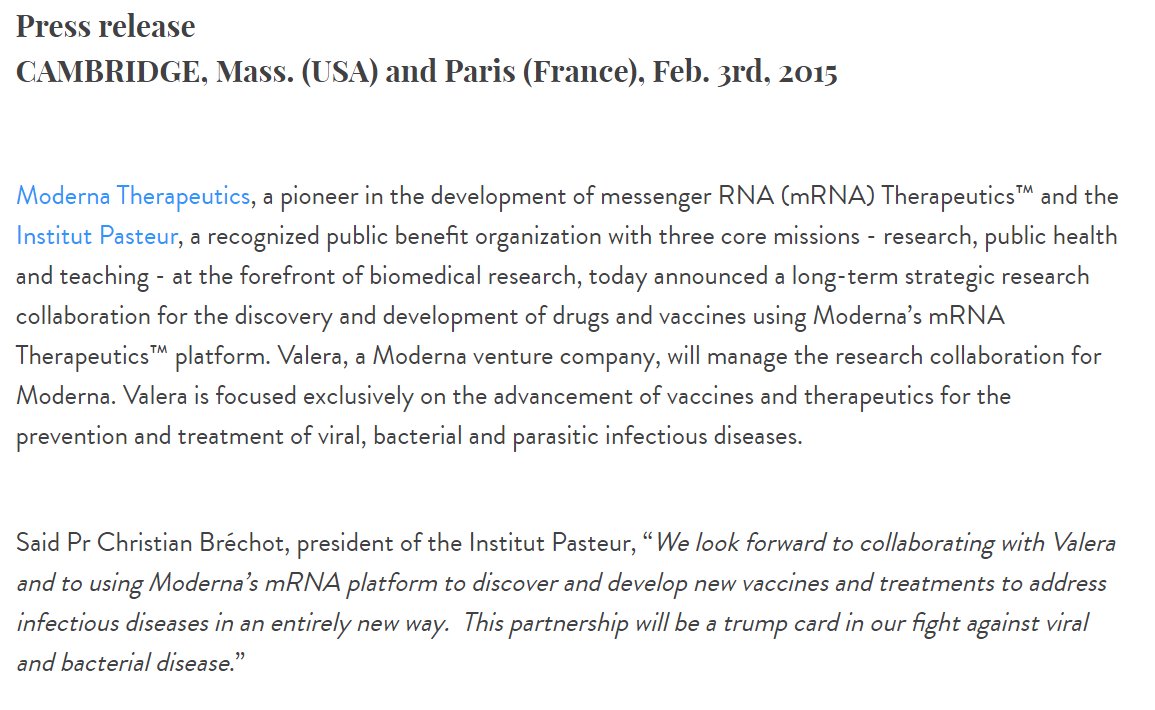
Moderna partnered with French Pasteur Institute in 2015 to develop mRNA vaccine technology.

Pasteur Institute partnered with the Wuhan P4 Laboratory in 2017 along with the Merieux Foundation to study emerging viruses...
https://t.co/yFsHwrNYaK
https://t.co/9M5lydBKhM


Nobel prize winning scientist Luc Montagnier asserts that Sars-Cov-2 is man-made and originated from the Wuhan Institute of Virology.

Montagnier did extensive work with the Pasteur Institute in France which was partnered with the Wuhan P4.

Merieux Foundation & the Chinese government have worked together since 1965, and partnered to study emerging pathogens in Africa in 2015.

Their research included "PATHOGENS CARRIED BY BATS" that provoke respiratory diseases.

🚨🚨🚨
https://t.co/gVwpT0ssqI