
https://t.co/gGurZTIcho
🚨🇬🇧🇪🇺💄👠👗💅🏻🕺💃🇪🇺🇬🇧🚨
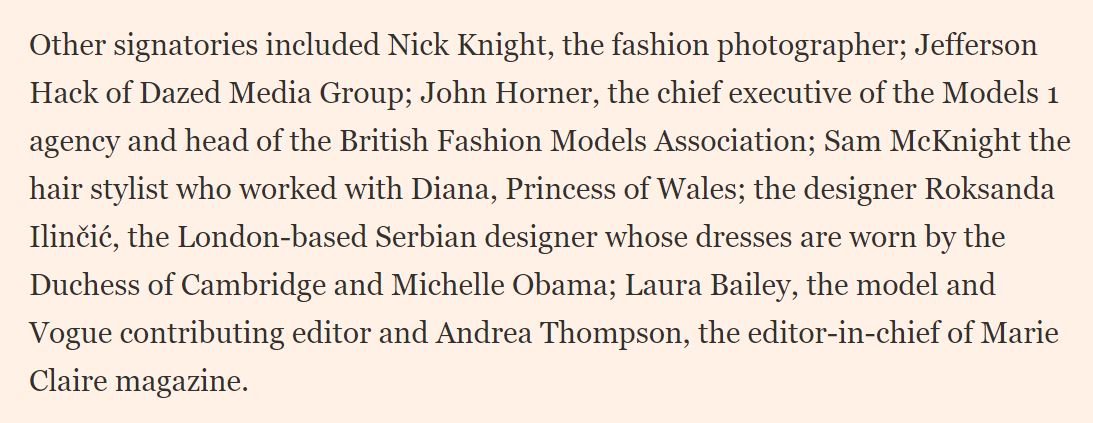
UK’s £35bn fashion industry warns of “decimation” from #brexit - big names sign open letter to @BorisJohnson urging action. Many of 50,000 SMEs on the rack due to VAT, customs and work permit issues. Stay with me/1
https://t.co/gGurZTIcho
https://t.co/4FftDitAKr
This sums it up well. The rejection of the mobility chapter was indeed crucial. The challenge now is for all those concerned to adjust to the new reality of being outside the EU and its single market, without a mobility chapter in the new agreement. https://t.co/D9ZV7AgeV8
— Stefaan De Rynck (@StefaanDeRynck) January 20, 2021

More from Peter Foster
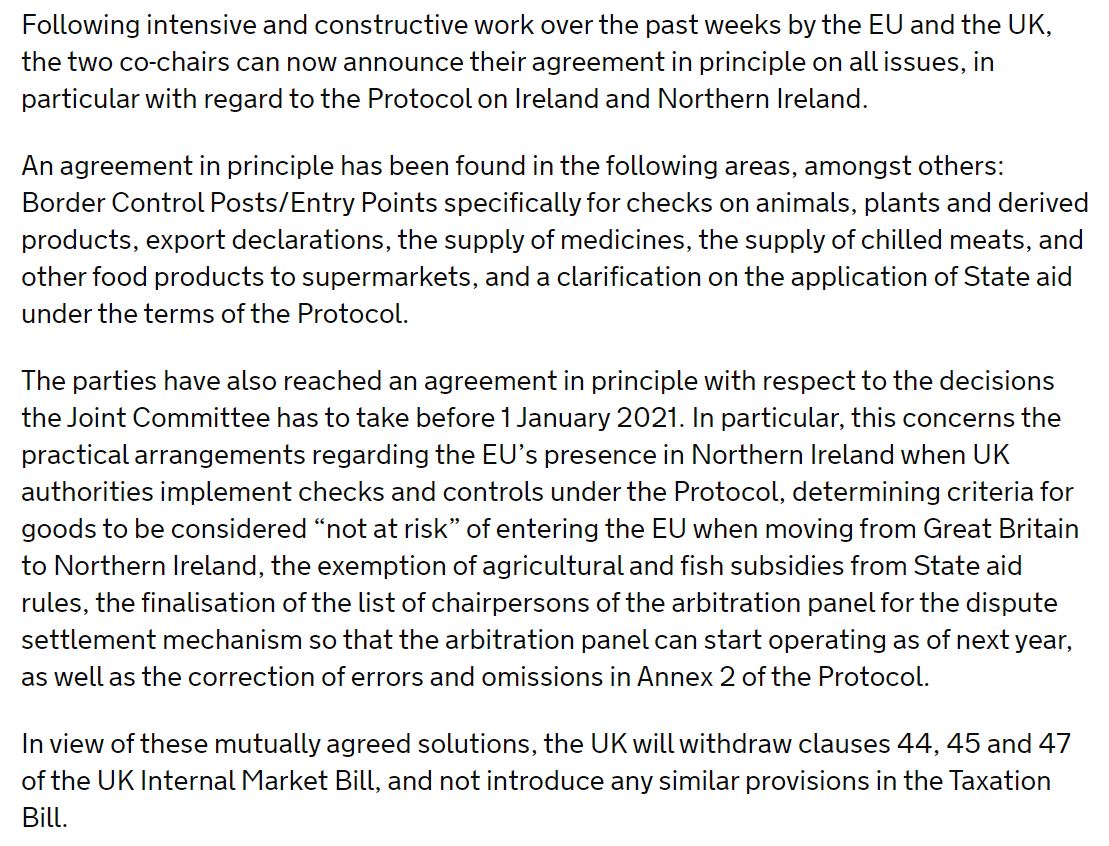
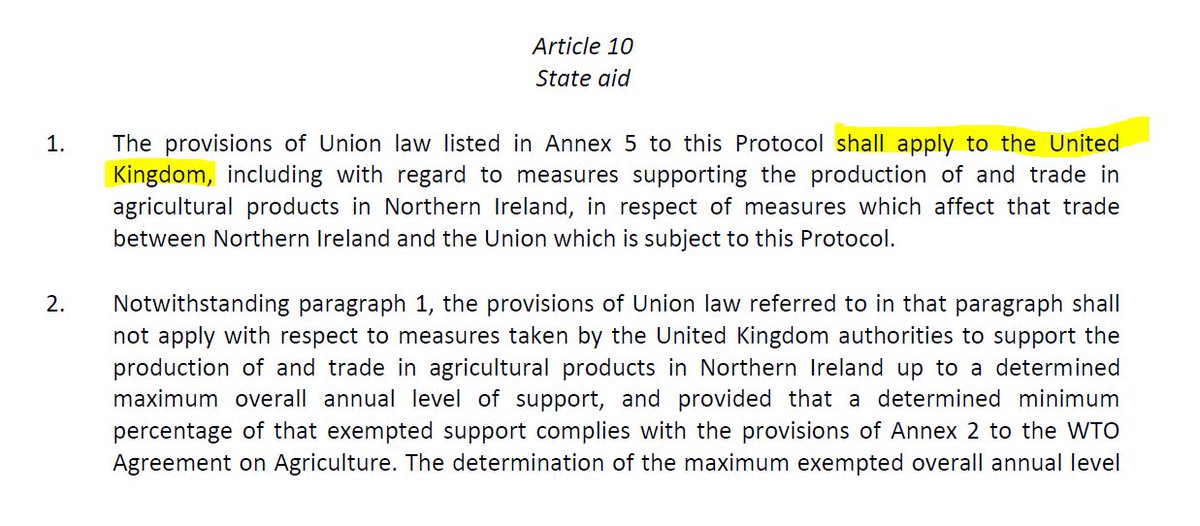
So. The hunt is on in Whitehall for #brexit dividends...to show some clear value in the freedoms given by Brexit.
As we report today one area being looked at is workers' rights...but it is politically difficult territory.
No cabinet decisions have been taken, but per sources, three potential areas been identified in Business Dept...
- the 48 Hour Week
- holiday pay/overtime calculations
- new EU rules on reporting hours worked...
All potentially possible post #brexit /2
The government says it has no intention of “lowering” workers’ rights....and notes that UK has actually gold-plated many EU regulations...BUT (think of government saying it won't "lower" animal welfare standards)...the devil will all be in the detail, if and when it comes /3
So the government likes to talk about ensuring workers’ rights are protected but ALSO making sure businesses has freedoms and flexibility to grow...so one man's reduction in rights is another freedom to get richer/work harder/be more prosperous. It depends how you sell it. /4
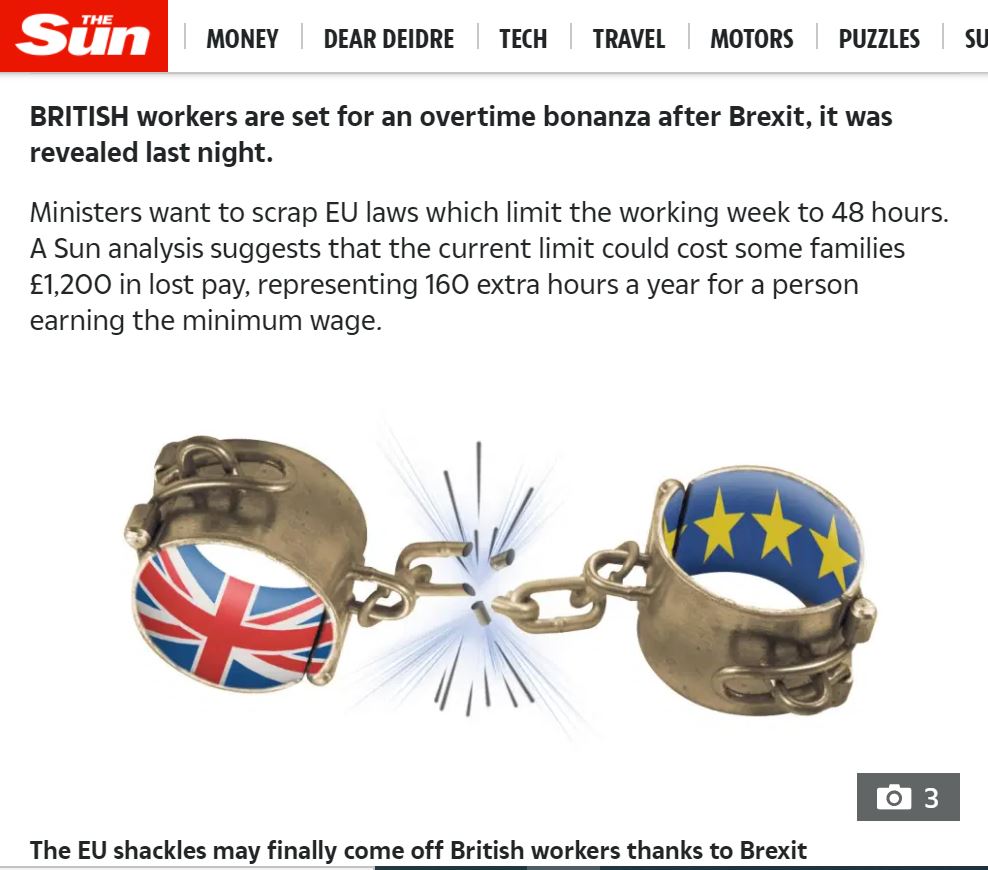
So take this 2017 story from The Sun on the cash bonanza that will be rained down on hardworking families by Brexiteers' (long standing) desire to scrap the 48-hour week. Overtime booooom..../5
https://t.co/QLqQ7rCzkv
As we report today one area being looked at is workers' rights...but it is politically difficult territory.
No cabinet decisions have been taken, but per sources, three potential areas been identified in Business Dept...
- the 48 Hour Week
- holiday pay/overtime calculations
- new EU rules on reporting hours worked...
All potentially possible post #brexit /2
The government says it has no intention of “lowering” workers’ rights....and notes that UK has actually gold-plated many EU regulations...BUT (think of government saying it won't "lower" animal welfare standards)...the devil will all be in the detail, if and when it comes /3
So the government likes to talk about ensuring workers’ rights are protected but ALSO making sure businesses has freedoms and flexibility to grow...so one man's reduction in rights is another freedom to get richer/work harder/be more prosperous. It depends how you sell it. /4
So take this 2017 story from The Sun on the cash bonanza that will be rained down on hardworking families by Brexiteers' (long standing) desire to scrap the 48-hour week. Overtime booooom..../5
https://t.co/QLqQ7rCzkv




More from Economy

1. "ThE gReAt rEplAcEMeNt iS A cOnSpiRaCy tHEorY" https://t.co/BXdtcNxrVf

2. "ThE gReAt rEplAcEMeNt iS A cOnSpiRaCy tHEorY"

3. "ThE gReAt rEplAcEMeNt iS A cOnSpiRaCy tHEorY"
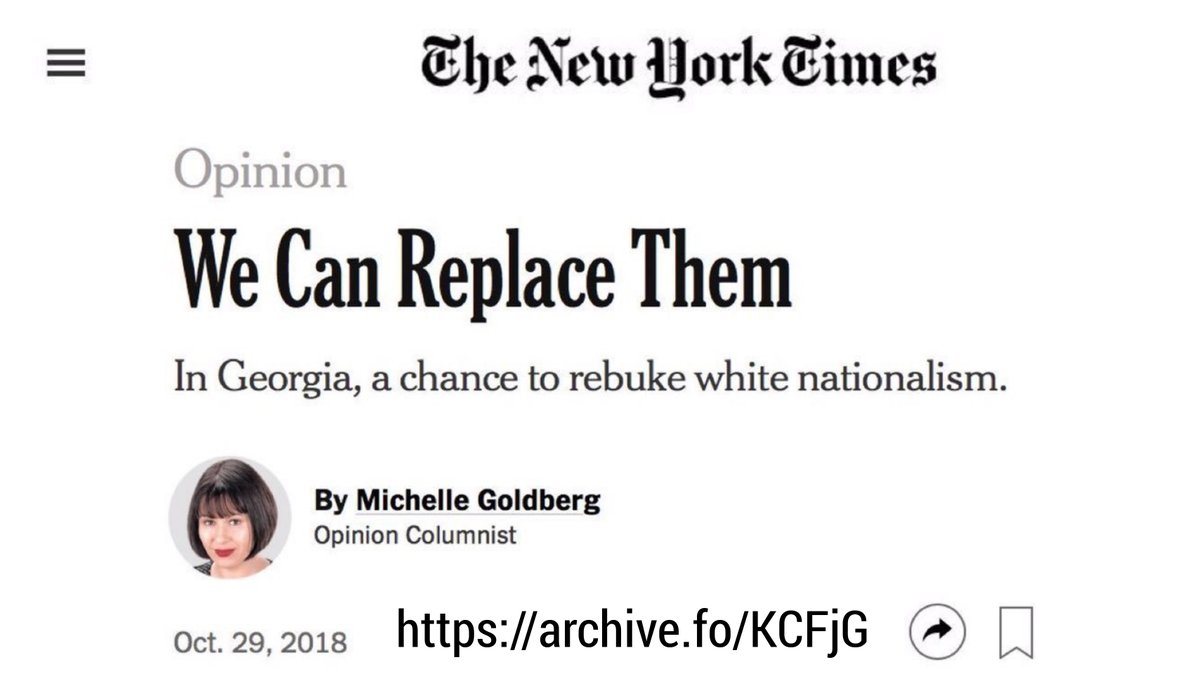
4. "ThE gReAt rEplAcEMeNt iS A cOnSpiRaCy tHEorY"

5. "ThE gReAt rEplAcEMeNt iS A cOnSpiRaCy tHEorY"

The great replacement isn't a conspiracy theory, it is the inevitable outcome of non-stop immigration of populations whom do not wish to assimilate and have way higher birth rates than the native population... It's purely a mathematical reality.
— Angelo John Gage (@AngeloJohnGage) December 30, 2020
2. "ThE gReAt rEplAcEMeNt iS A cOnSpiRaCy tHEorY"
3. "ThE gReAt rEplAcEMeNt iS A cOnSpiRaCy tHEorY"
4. "ThE gReAt rEplAcEMeNt iS A cOnSpiRaCy tHEorY"
5. "ThE gReAt rEplAcEMeNt iS A cOnSpiRaCy tHEorY"





You May Also Like





Krugman is, of course, right about this. BUT, note that universities can do a lot to revitalize declining and rural regions.
See this thing that @lymanstoneky wrote:
And see this thing that I wrote:
And see this book that @JamesFallows wrote:
And see this other thing that I wrote:
One thing I've been noticing about responses to today's column is that many people still don't get how strong the forces behind regional divergence are, and how hard to reverse 1/ https://t.co/Ft2aH1NcQt
— Paul Krugman (@paulkrugman) November 20, 2018
See this thing that @lymanstoneky wrote:
And see this thing that I wrote:
And see this book that @JamesFallows wrote:
And see this other thing that I wrote:

