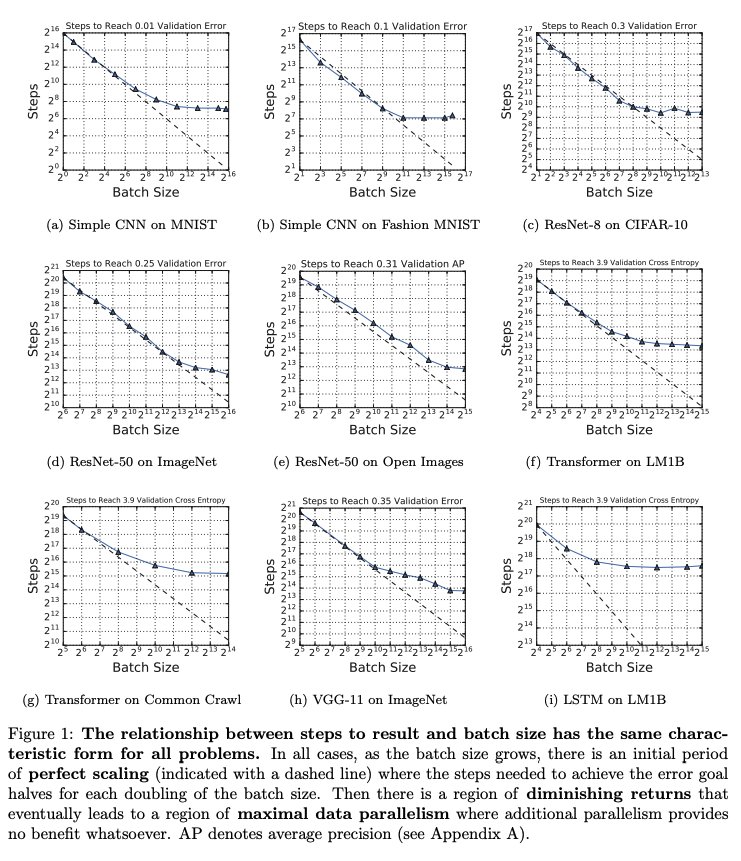
The NPA’s processor members have reported that
Brexit also brings UK pork sector to standstill. Surprise eh? @RichardAENorth 🙄
UK pork processors are experiencing significant issues in exporting products to the EU, which has already brought part of the industry to a complete standstill, risking knock-on impacts on farm.
Sector by sector falling overhttps://t.co/6HIXzf8qq8
— Morgan Leahy (@MorganLeahy) January 14, 2021
The NPA’s processor members have reported that
Despite the trade deal agreed between the EU & UK just before Christmas, the UK’s formal departure from the EU Customs Union and Single Market was always going to mean additional checks, new labelling and certification requirements
One load was caught at Calais for 20 hours undergoing vet checks and then
• Additional paperwork is causing major delays for processors – one processor said it took nine hours to prepare the paperwork for one shipment to the EU last week.
Therefore, for a 15 tonne load, the vet had to stamp paperwork 72 times.
• Another processor reported that as we are now a 3rd country, new rules require inspectors to check labels on each box in a consignment of pork products meaning that the whole pallet has to be offloaded
• The Eurotunnel needs to process 500 lorries an hour but only has the veterinary capacity for 150 an hour which will slow things down even more.
• The administrative burden of EHCs means that
“We are seeing a bureaucracy overload and it is already having a big impact on the pig sector,” NPA chief executive Zoe Davies said.
“This is partly an inevitable consequence of Brexit –
Dr Davies explained that the delays were forcing processors to cancel some shipments, with
“For the pig sector, this comes on top of an already very difficult situation with processing plants hit by COVID-19 outbreaks and therefore unable to process pigs at the usual rate,
In the first 10 months of 2020, the UK exported more than 180,000 tonnes of pork to the EU, a vitally important trade for the sector accounting for 44% of UK pork exports.
“The Government does not appear to think there is a problem. The clear message we are receiving from our processors is that there is –
While UK products going to the EU are subject to additional checks, the same rules won’t be applied to products
“While this delay is convenient for a Government that wants to ensure there are no
“It is clear that the Commission wishes to make Brexit as painful and as messy as possible to prevent any other
More from Michael M. 🇨🇭🇳🇴🇮🇸🇱🇮🇬🇧
Whatever the analyses, I'll never understand the efforts, taxpayers money & substantial pain to come to make the disunited or broken apart UK, face so many more difficulties in trading with its neighbours; even within its own territory & to be so much poorer & less secure
with fewer rights for Brits in their own country & across the EU/EEA.
And that there is not a lot more official opposition/media attention & anger about it
.
Even more so when I read the following from 2010 by the "Taxpayers Alliance"
@bakerstherald Thanks for bringing this to my attention when the MSM - for whatever reason - is so noticably reticent to expose these would be quickly evolving (sounds better/less sinister)
From 2010
"As long as anyone can remember, Britain's old industrial heartlands have been a disaster area. Once they'd lost their traditional industries like steel and shipbuilding, something very bad happened to them - they seemed to lose the will to live. And as we've blogged
many times (eg here), despite decades of political promises and billions of tax-funded support, they have never managed to leave the high dependency unit. For example, when last sighted - in 2007-08 at the height of the biggest economic boom the world has ever seen -
with fewer rights for Brits in their own country & across the EU/EEA.
And that there is not a lot more official opposition/media attention & anger about it
.
Even more so when I read the following from 2010 by the "Taxpayers Alliance"
@bakerstherald Thanks for bringing this to my attention when the MSM - for whatever reason - is so noticably reticent to expose these would be quickly evolving (sounds better/less sinister)
Fight it. Hard. Or you'll find yourself living in a totally deregulated 'zone' where the corruption and cronyism you see in government now will look like a toddlers fucking picnic! This is a brief glimpse of what will come: https://t.co/8ktTmElDmW
— Louise Crossley \U0001f577\U0001f41f3.5% #NotMovingOn (@CandidePeel) December 28, 2020
From 2010
"As long as anyone can remember, Britain's old industrial heartlands have been a disaster area. Once they'd lost their traditional industries like steel and shipbuilding, something very bad happened to them - they seemed to lose the will to live. And as we've blogged
many times (eg here), despite decades of political promises and billions of tax-funded support, they have never managed to leave the high dependency unit. For example, when last sighted - in 2007-08 at the height of the biggest economic boom the world has ever seen -
More from Brexit


On this, I think it’s highly unlikely to occur in the timeframe given. For several reasons, I don’t think it’s realistic for Scotland to secede, and then join the EU, in 9 years.
For that, thanks goes to Brexit.
A thread because why not...
Two important dates: March 2016 and January 1st 2021.
Firstly, prior to the 2014 referendum, the Nationalists proposed a date of March 2016 to secede.
Secondly, today - the end completion of Brexit five-and-a-half years after Cameron’s majority in 2015.
Brexit has demonstrated many things, primarily that splitting unions is not easy. The UKs membership of the EU was 47 years and by the end it was not at the heart of the EU. The Union has existed for over 300 as a unitary state.
Dividing a unitary state, like the UK, will not be easy. Frankly, it will make Brexit look simple. Questions of debt, currency, defence, and more will need to be resolved ... something not addressed with Brexit.
Starting with debt. Scotland will end up with its proportionate share of the UKs national debt. It’s not credible to suggest otherwise. Negotiating what is proportionate won’t be easy when both sides disagree.
It’s importance will be seen shortly.
For that, thanks goes to Brexit.
A thread because why not...
On the current trajectory, I think this is likely to be the map of Europe of 2030. pic.twitter.com/65i1A8CiP8
— Ben Judah (@b_judah) January 1, 2021
Two important dates: March 2016 and January 1st 2021.
Firstly, prior to the 2014 referendum, the Nationalists proposed a date of March 2016 to secede.
Secondly, today - the end completion of Brexit five-and-a-half years after Cameron’s majority in 2015.
Brexit has demonstrated many things, primarily that splitting unions is not easy. The UKs membership of the EU was 47 years and by the end it was not at the heart of the EU. The Union has existed for over 300 as a unitary state.
Dividing a unitary state, like the UK, will not be easy. Frankly, it will make Brexit look simple. Questions of debt, currency, defence, and more will need to be resolved ... something not addressed with Brexit.
Starting with debt. Scotland will end up with its proportionate share of the UKs national debt. It’s not credible to suggest otherwise. Negotiating what is proportionate won’t be easy when both sides disagree.
It’s importance will be seen shortly.



You May Also Like


THREAD: 12 Things Everyone Should Know About IQ
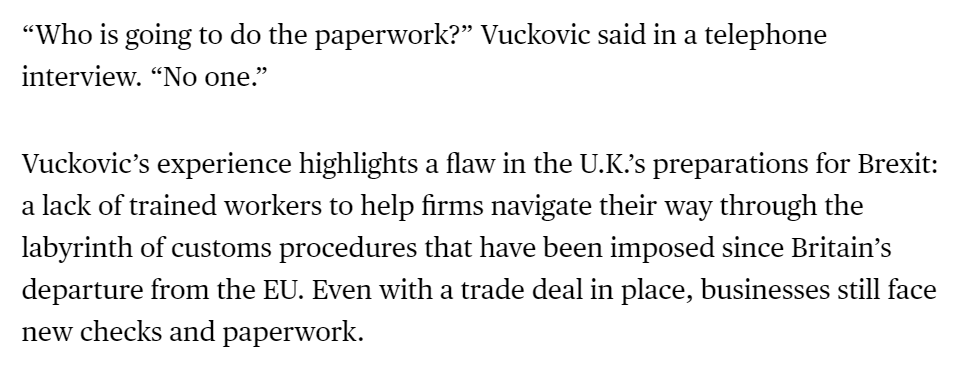
1. IQ is one of the most heritable psychological traits – that is, individual differences in IQ are strongly associated with individual differences in genes (at least in fairly typical modern environments). https://t.co/3XxzW9bxLE
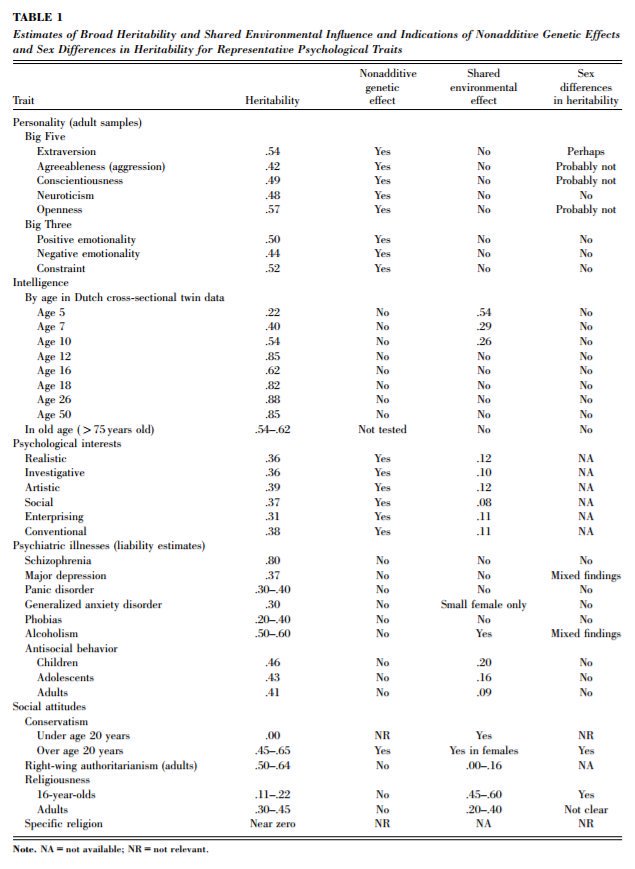
2. The heritability of IQ *increases* from childhood to adulthood. Meanwhile, the effect of the shared environment largely fades away. In other words, when it comes to IQ, nature becomes more important as we get older, nurture less. https://t.co/UqtS1lpw3n
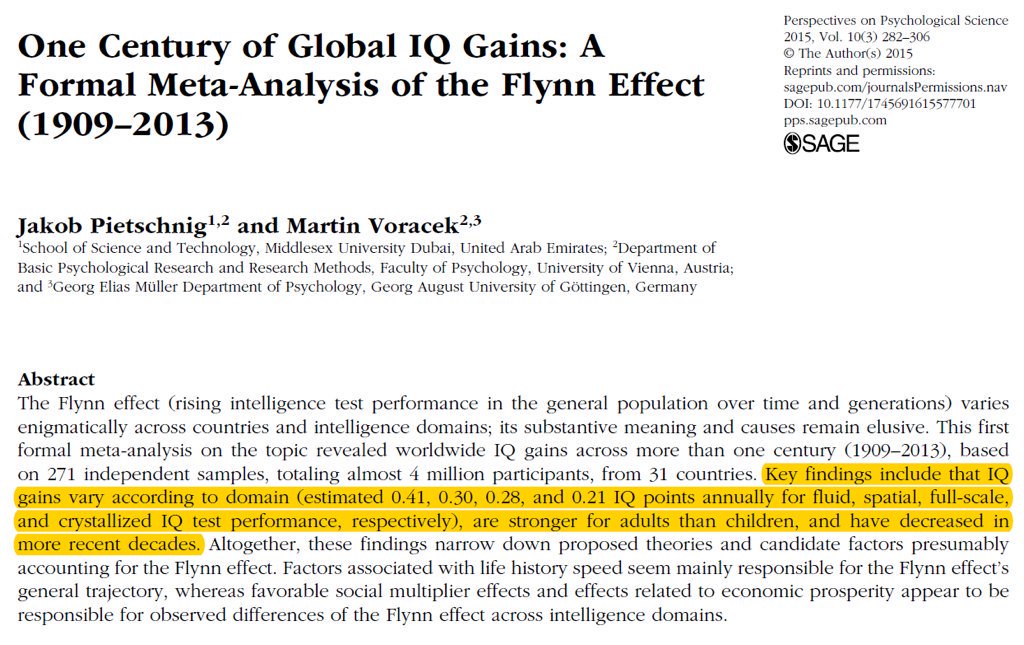
3. IQ scores have been increasing for the last century or so, a phenomenon known as the Flynn effect. https://t.co/sCZvCst3hw (N ≈ 4 million)
(Note that the Flynn effect shows that IQ isn't 100% genetic; it doesn't show that it's 100% environmental.)
4. IQ predicts many important real world outcomes.
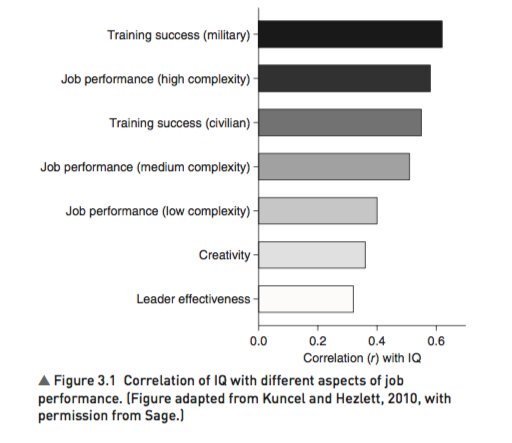
For example, though far from perfect, IQ is the single-best predictor of job performance we have – much better than Emotional Intelligence, the Big Five, Grit, etc. https://t.co/rKUgKDAAVx https://t.co/DWbVI8QSU3
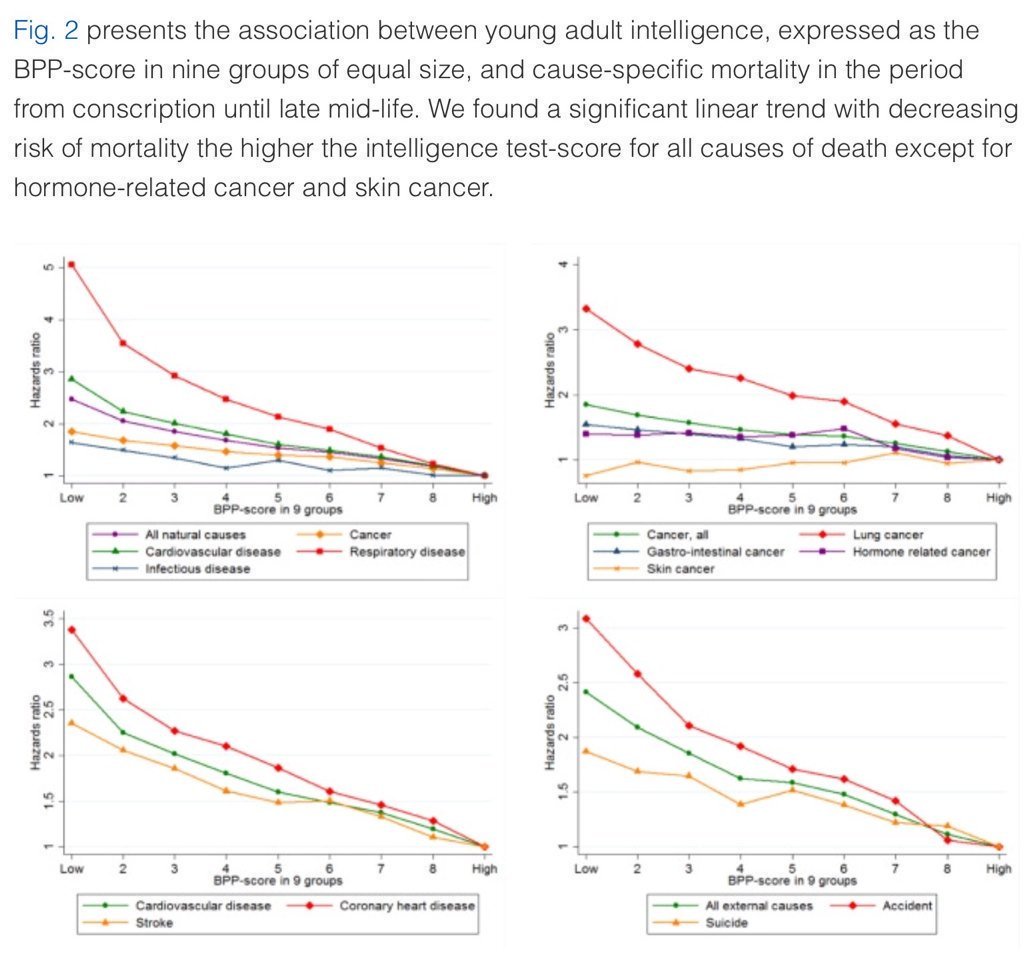
5. Higher IQ is associated with a lower risk of death from most causes, including cardiovascular disease, respiratory disease, most forms of cancer, homicide, suicide, and accident. https://t.co/PJjGNyeQRA (N = 728,160)
1. IQ is one of the most heritable psychological traits – that is, individual differences in IQ are strongly associated with individual differences in genes (at least in fairly typical modern environments). https://t.co/3XxzW9bxLE
2. The heritability of IQ *increases* from childhood to adulthood. Meanwhile, the effect of the shared environment largely fades away. In other words, when it comes to IQ, nature becomes more important as we get older, nurture less. https://t.co/UqtS1lpw3n
3. IQ scores have been increasing for the last century or so, a phenomenon known as the Flynn effect. https://t.co/sCZvCst3hw (N ≈ 4 million)
(Note that the Flynn effect shows that IQ isn't 100% genetic; it doesn't show that it's 100% environmental.)
4. IQ predicts many important real world outcomes.
For example, though far from perfect, IQ is the single-best predictor of job performance we have – much better than Emotional Intelligence, the Big Five, Grit, etc. https://t.co/rKUgKDAAVx https://t.co/DWbVI8QSU3
5. Higher IQ is associated with a lower risk of death from most causes, including cardiovascular disease, respiratory disease, most forms of cancer, homicide, suicide, and accident. https://t.co/PJjGNyeQRA (N = 728,160)