
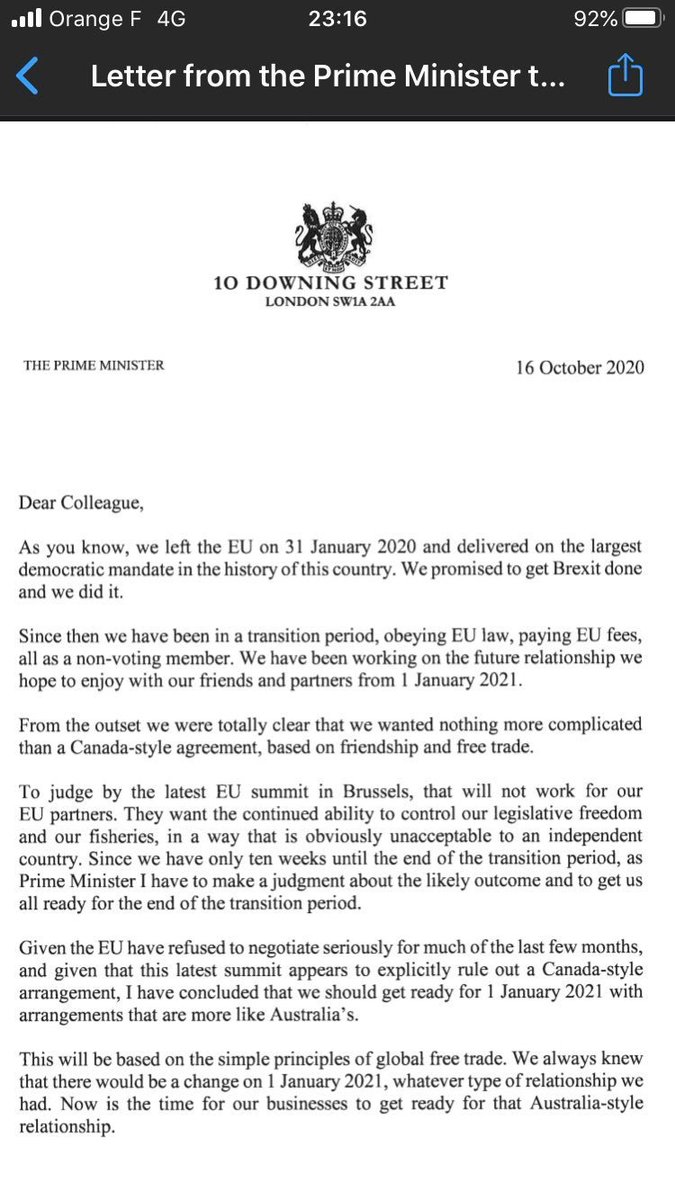
Brexit. UK-EU talks. Let's try to explain why we're in such a state, of increased risk of no deal, moving away from the fish and playing fields which are the detail but not the answer, to differing philosophies and divorce parallels that might just help... 1/
More from David Henig
This potential benefit list from CPTPP is not the longest and is still misleading. Those Malaysian whisky tariffs - emilimated over 15 years (if they don't seek any specific exemption for UK). Those rules of origin benefits? Only apply to import / export to CPTPP countries. https://t.co/9TbheOVhsR
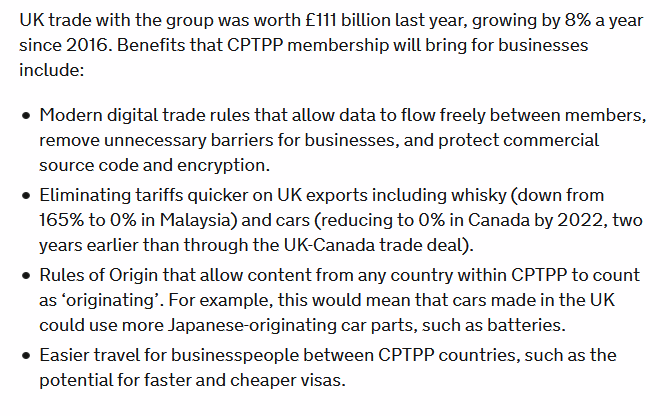
Here's my more realistic take on CPTPP. Economic gains limited, but politically in terms of trade this makes some sort of sense, these are likely allies. DIT doesn't say this, presumably the idea of Australia or Canada as our equal upsets them.
As previously noted agriculture interests in Australia and New Zealand expect us to reach generous agreements in WTO talks and bilaterals before acceding to CPTPP. So this isn't a definite. Oh and Australia wants to know if we'll allow hormone treated beef
Ultimately trade deals are political, and the UK really wants CPTPP as part of the pivot to indo-pacific, and some adherents also hope it forces us to change food laws without having to do it in a US deal (isn't certain if this is the case or not).
If we can accede to CPTPP without having to make changes to domestic laws it is fine. Just shouldn't be our priority, as it does little for services, is geographically remote, and hardly cutting edge on issues like climate change or animal welfare.
Tomorrow we will formally apply to join #CPTPP \U0001f1ec\U0001f1e7
— Liz Truss (@trussliz) January 31, 2021
Membership will help drive an export- led, jobs-led recovery across \U0001f1ec\U0001f1e7 bringing more opportunities to trade with fast growing Pacific nations. \U0001f30e
Read more here\U0001f447https://t.co/5sQhgW4vCM
Here's my more realistic take on CPTPP. Economic gains limited, but politically in terms of trade this makes some sort of sense, these are likely allies. DIT doesn't say this, presumably the idea of Australia or Canada as our equal upsets them.
Gather UK application to join CPTPP is finally about to be announced, not that it was exactly a secret. Economic value limited given distance and existing UK deals, not a particularly strong or modern agreement in areas of UK strength like services, but...
— David Henig (@DavidHenigUK) January 30, 2021
As previously noted agriculture interests in Australia and New Zealand expect us to reach generous agreements in WTO talks and bilaterals before acceding to CPTPP. So this isn't a definite. Oh and Australia wants to know if we'll allow hormone treated beef
Ultimately trade deals are political, and the UK really wants CPTPP as part of the pivot to indo-pacific, and some adherents also hope it forces us to change food laws without having to do it in a US deal (isn't certain if this is the case or not).
If we can accede to CPTPP without having to make changes to domestic laws it is fine. Just shouldn't be our priority, as it does little for services, is geographically remote, and hardly cutting edge on issues like climate change or animal welfare.
Morning. And its Groundhog Day today. https://t.co/gRs4Dc8RH2

Some useful threads will follow, first on the Northern Ireland protocol, where unfettered is still being defined...
And on fish and level playing field. The latter seems, has always seemed, the most problematic, because the UK has apparently ruled out any compromise on shared minumum levels even if not automatic. That would be a deal breaker, but seems... unnecessary.
Your reminder closing complex deals is never easy. But there are ways to facilitate and EU is good at doing this if you meet their red lines. But still the biggest concern that the UK never understood level playing field terms are fundamental to the EU.
In the UK, one man's decision. Allegedly backed by a Cabinet who in reality will be quite happy to blame the PM either way. The temptation to send Michael Gove to seal the deal and end his leadership ambitions must be there...
Source say Michel Barnier has told EU ambassadors that there has been no breakthrough on the fisheries question, and that reports to that effect were \u201ccompletely untrue\u201d
— Tony Connelly (@tconnellyRTE) December 7, 2020
Some useful threads will follow, first on the Northern Ireland protocol, where unfettered is still being defined...
The trouble with \u2018unfettered access\u2019...
— JPCampbellBiz - Wash your hands keep your distance (@JP_Biz) December 6, 2020
And on fish and level playing field. The latter seems, has always seemed, the most problematic, because the UK has apparently ruled out any compromise on shared minumum levels even if not automatic. That would be a deal breaker, but seems... unnecessary.
1/ On fish, both sides are far apart, but it sounds like the UK wants the EU to jump first before it, in turn, shows flexibility. The UK is offering a three year phase in but with an upfront payment of \u20ac300m in demersal fish (ie, out of the \u20ac650m EU boats catch in UK waters)
— Tony Connelly (@tconnellyRTE) December 6, 2020
Your reminder closing complex deals is never easy. But there are ways to facilitate and EU is good at doing this if you meet their red lines. But still the biggest concern that the UK never understood level playing field terms are fundamental to the EU.
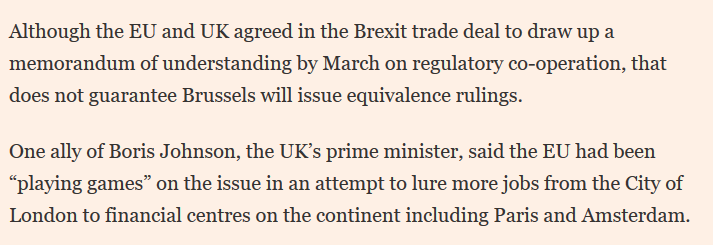
In case it wasn't obvious the final choreography of a complex trade deal is complex. The big issues, and potentially some smallprint / related matters of relevance to both sides (for example I wonder if soon after a deal we hear about data or financial services equivalence?)
— David Henig (@DavidHenigUK) December 6, 2020
In the UK, one man's decision. Allegedly backed by a Cabinet who in reality will be quite happy to blame the PM either way. The temptation to send Michael Gove to seal the deal and end his leadership ambitions must be there...
Fact is: EU objectives/focus unlikely to change much in remaining 24-48 hours: fish, non-regression & ability to retaliate across sectors/entire agreement in case of systematic divergence by HMG
— Mujtaba Rahman (@Mij_Europe) December 7, 2020
Most in Cabinet want a deal. @BorisJohnson has big decision he now needs to make https://t.co/mJ49WLt3Qd

More from Brexit

What's in the EU-UK Brexit deal on energy?
It may be Boxing day, but I've had a quick look
Title VIII: Energy is the key section (page 156 onwards)
▶️ Standard stuff on commitment to competition, unbundling and customer choice
▶️ UK Capacity Market no longer needs to try to integrate overseas Capacity providers & vice versa
(Article ENER.6, Clause 3, page. 160)
2/

▶️ Existing "exemptions" for selected interconnectors will continue to apply.
This means that these interconnectors can continue to sell capacity rights ahead of time, rather than all through close to real-time markets.
(Article ENER.11, page 162)
3/

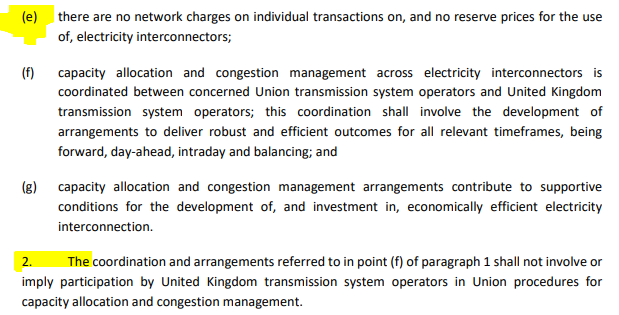
▶️ No network charges on individual interconnector transactions (as now)
▶️ But, UK cannot participate in EU procedures for capacity allocation and congestion management (more on this later)
(Article ENER.13, page 163)
4/
Gas trading: looks like the UK stays in the existing PRISMA gas trading platform.
Not my specialist area, but is this because PRISMA isn't an EU institution (unlike electricity market coupling)?
https://t.co/5GQJtZDpTa
(Article ENER. 15, page 164)
5/
It may be Boxing day, but I've had a quick look
Title VIII: Energy is the key section (page 156 onwards)
▶️ Standard stuff on commitment to competition, unbundling and customer choice
▶️ UK Capacity Market no longer needs to try to integrate overseas Capacity providers & vice versa
(Article ENER.6, Clause 3, page. 160)
2/
▶️ Existing "exemptions" for selected interconnectors will continue to apply.
This means that these interconnectors can continue to sell capacity rights ahead of time, rather than all through close to real-time markets.
(Article ENER.11, page 162)
3/
▶️ No network charges on individual interconnector transactions (as now)
▶️ But, UK cannot participate in EU procedures for capacity allocation and congestion management (more on this later)
(Article ENER.13, page 163)
4/
Gas trading: looks like the UK stays in the existing PRISMA gas trading platform.
Not my specialist area, but is this because PRISMA isn't an EU institution (unlike electricity market coupling)?
https://t.co/5GQJtZDpTa
(Article ENER. 15, page 164)
5/


So. The hunt is on in Whitehall for #brexit dividends...to show some clear value in the freedoms given by Brexit.
As we report today one area being looked at is workers' rights...but it is politically difficult territory.
No cabinet decisions have been taken, but per sources, three potential areas been identified in Business Dept...
- the 48 Hour Week
- holiday pay/overtime calculations
- new EU rules on reporting hours worked...
All potentially possible post #brexit /2
The government says it has no intention of “lowering” workers’ rights....and notes that UK has actually gold-plated many EU regulations...BUT (think of government saying it won't "lower" animal welfare standards)...the devil will all be in the detail, if and when it comes /3
So the government likes to talk about ensuring workers’ rights are protected but ALSO making sure businesses has freedoms and flexibility to grow...so one man's reduction in rights is another freedom to get richer/work harder/be more prosperous. It depends how you sell it. /4
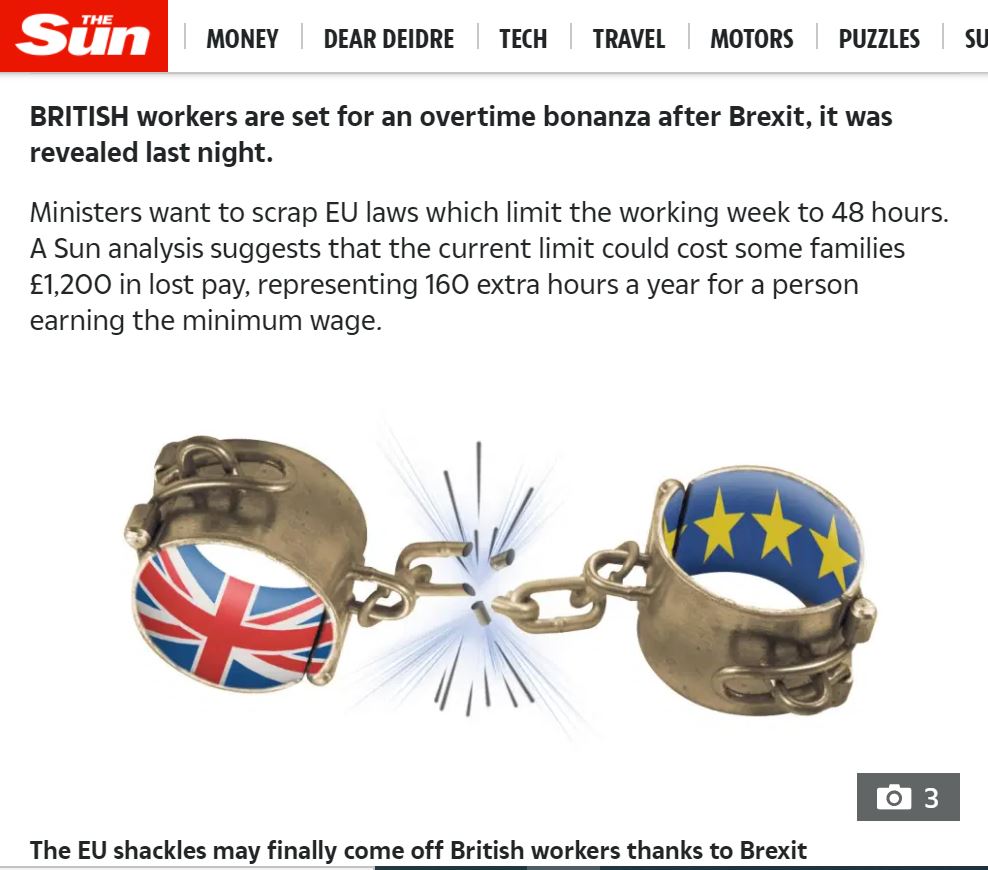
So take this 2017 story from The Sun on the cash bonanza that will be rained down on hardworking families by Brexiteers' (long standing) desire to scrap the 48-hour week. Overtime booooom..../5
https://t.co/QLqQ7rCzkv
As we report today one area being looked at is workers' rights...but it is politically difficult territory.
No cabinet decisions have been taken, but per sources, three potential areas been identified in Business Dept...
- the 48 Hour Week
- holiday pay/overtime calculations
- new EU rules on reporting hours worked...
All potentially possible post #brexit /2
The government says it has no intention of “lowering” workers’ rights....and notes that UK has actually gold-plated many EU regulations...BUT (think of government saying it won't "lower" animal welfare standards)...the devil will all be in the detail, if and when it comes /3
So the government likes to talk about ensuring workers’ rights are protected but ALSO making sure businesses has freedoms and flexibility to grow...so one man's reduction in rights is another freedom to get richer/work harder/be more prosperous. It depends how you sell it. /4
So take this 2017 story from The Sun on the cash bonanza that will be rained down on hardworking families by Brexiteers' (long standing) desire to scrap the 48-hour week. Overtime booooom..../5
https://t.co/QLqQ7rCzkv

You May Also Like









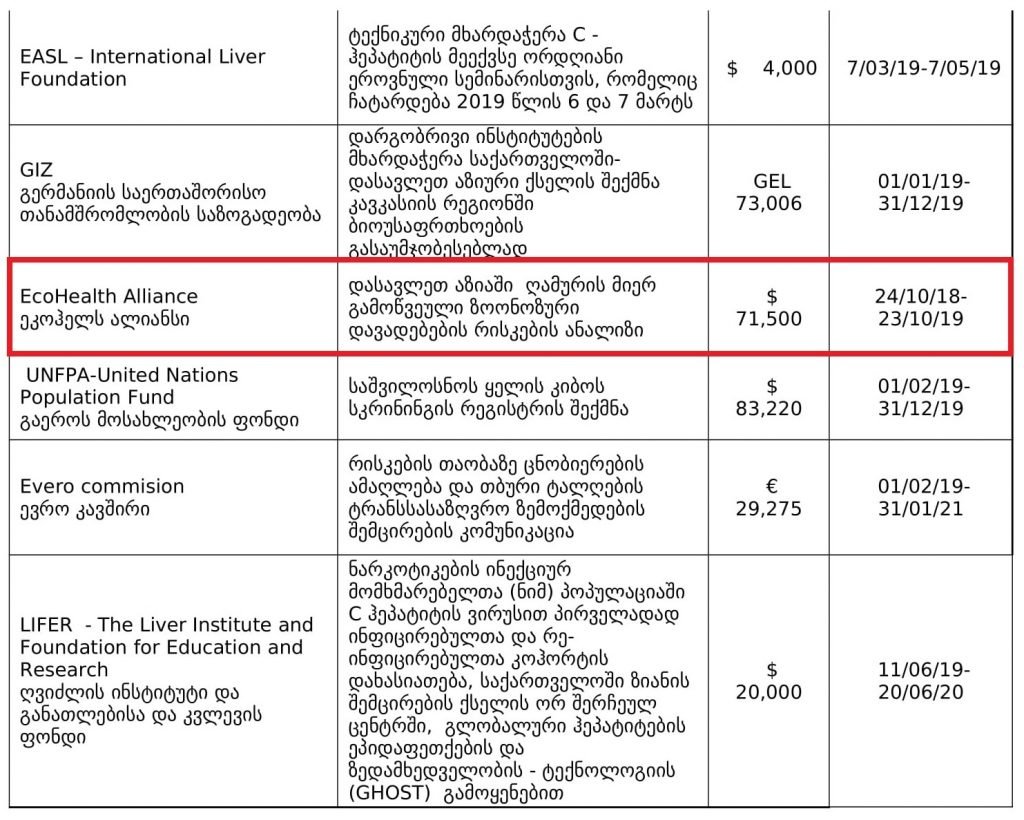
1. Project 1742 (EcoHealth/DTRA)
Risks of bat-borne zoonotic diseases in Western Asia
Duration: 24/10/2018-23 /10/2019
Funding: $71,500
@dgaytandzhieva
https://t.co/680CdD8uug
2. Bat Virus Database
Access to the database is limited only to those scientists participating in our ‘Bats and Coronaviruses’ project
Our intention is to eventually open up this database to the larger scientific community
https://t.co/mPn7b9HM48
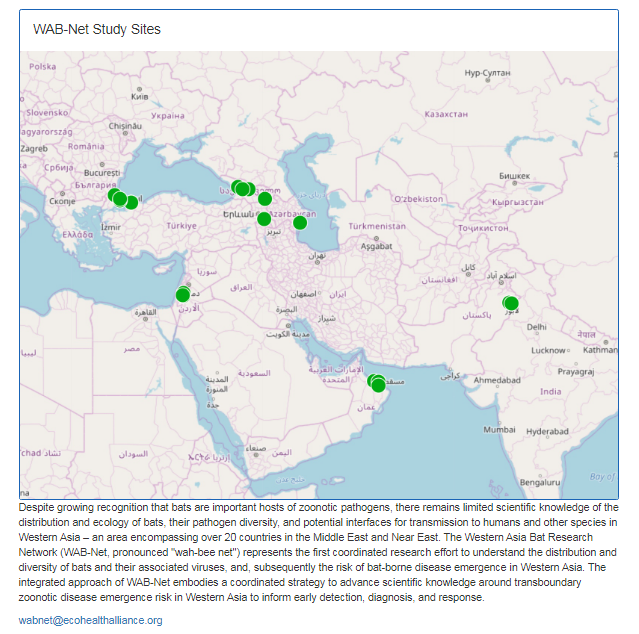
3. EcoHealth Alliance & DTRA Asking for Trouble
One Health research project focused on characterizing bat diversity, bat coronavirus diversity and the risk of bat-borne zoonotic disease emergence in the region.
https://t.co/u6aUeWBGEN
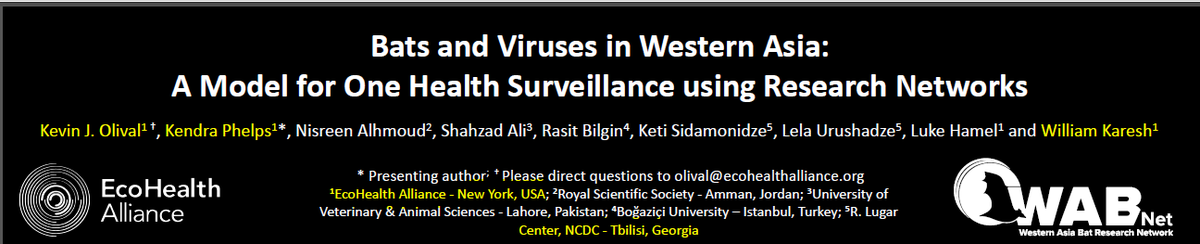
4. Phelps, Olival, Epstein, Karesh - EcoHealth/DTRA
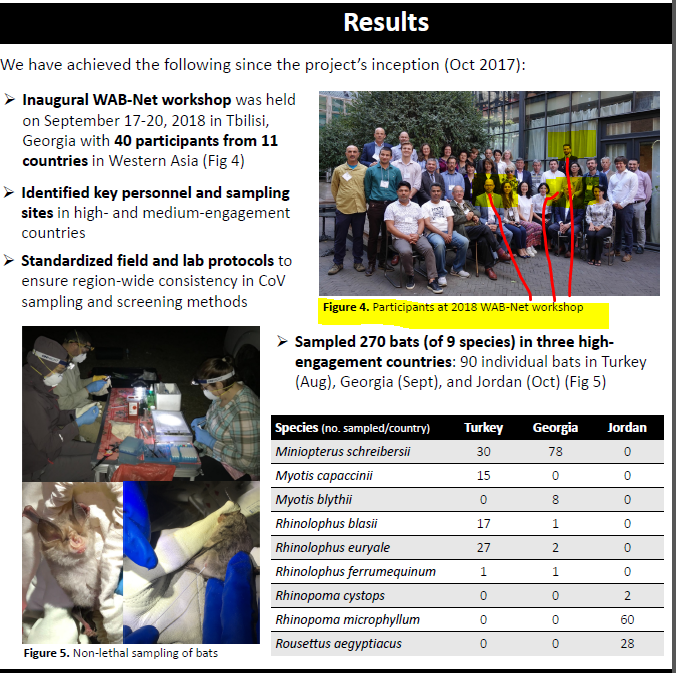
5, Methods and Expected Outcomes
(Unexpected Outcome = New Coronavirus Pandemic)
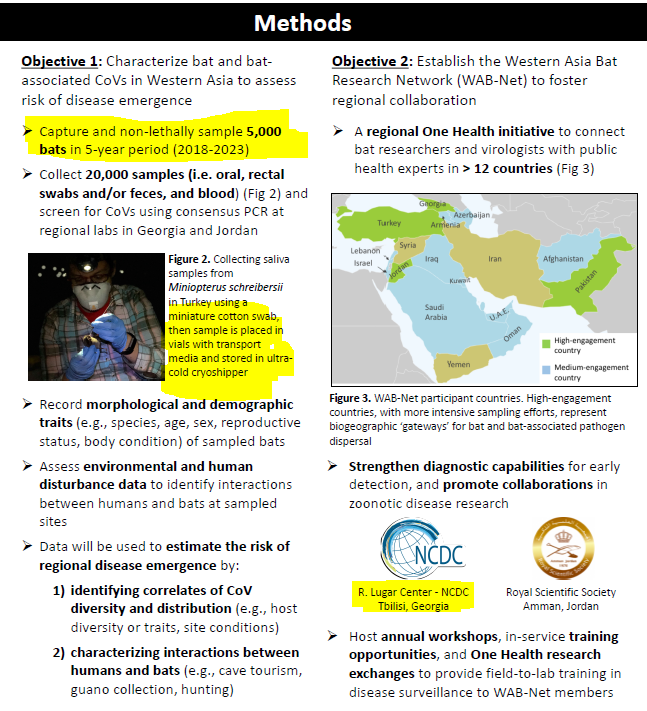
Risks of bat-borne zoonotic diseases in Western Asia
Duration: 24/10/2018-23 /10/2019
Funding: $71,500
@dgaytandzhieva
https://t.co/680CdD8uug
2. Bat Virus Database
Access to the database is limited only to those scientists participating in our ‘Bats and Coronaviruses’ project
Our intention is to eventually open up this database to the larger scientific community
https://t.co/mPn7b9HM48
3. EcoHealth Alliance & DTRA Asking for Trouble
One Health research project focused on characterizing bat diversity, bat coronavirus diversity and the risk of bat-borne zoonotic disease emergence in the region.
https://t.co/u6aUeWBGEN
4. Phelps, Olival, Epstein, Karesh - EcoHealth/DTRA
5, Methods and Expected Outcomes
(Unexpected Outcome = New Coronavirus Pandemic)