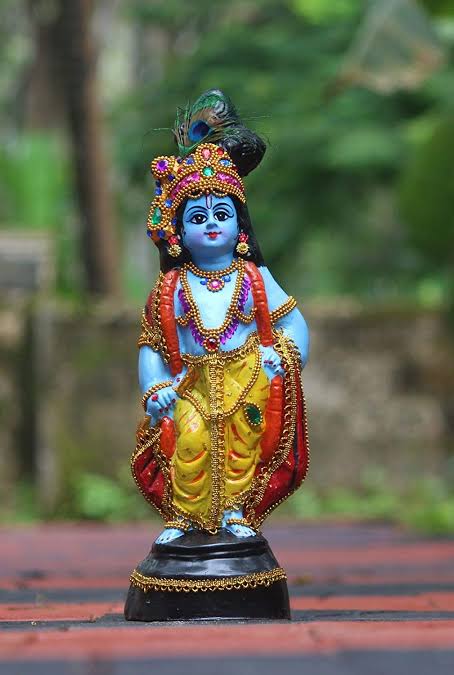
Subh Ram Navami to all Bhagavad Bandhus!

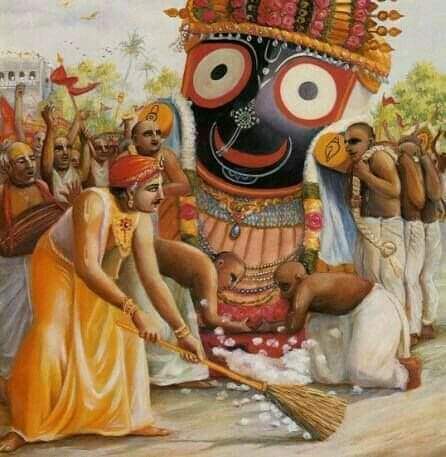
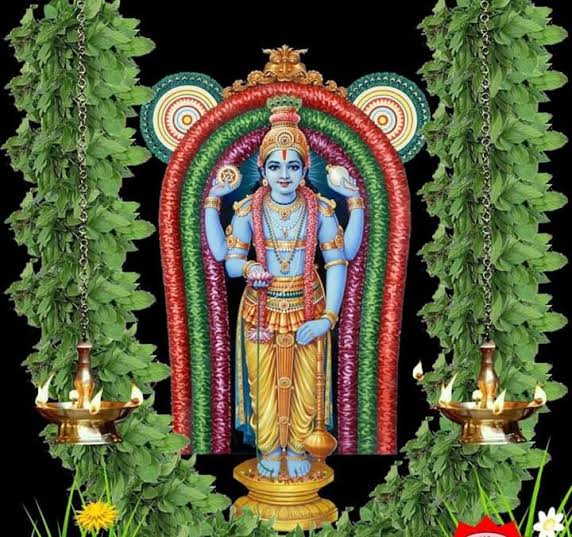
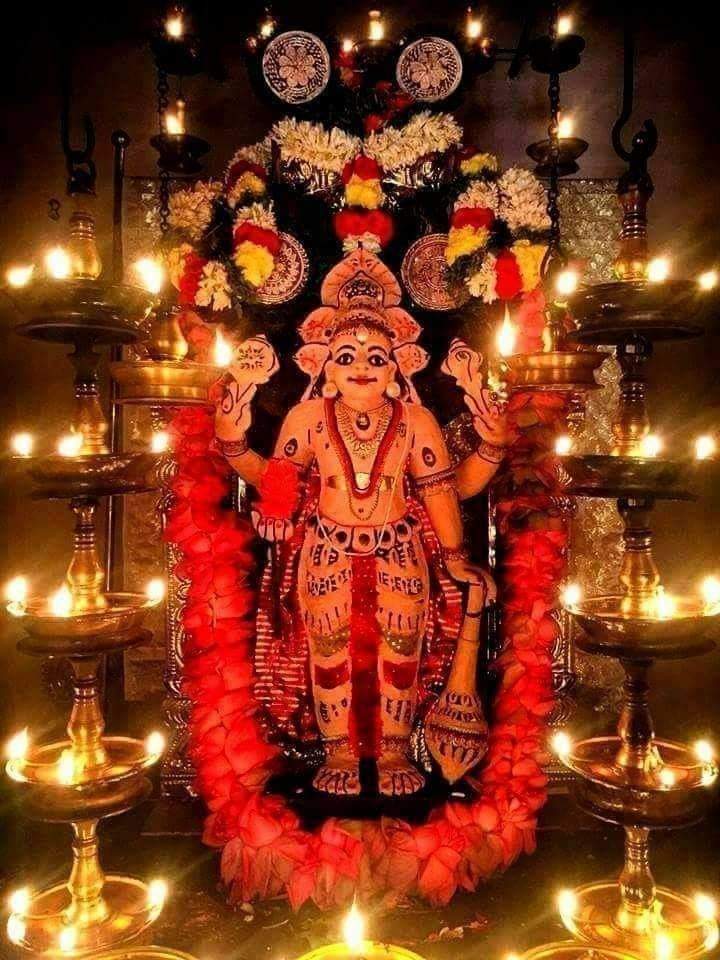
Shriram Navami is a Hindu festival that commemorates the birth of Shriram, Shri Vishu's seventh incarnation.

#LongThread

During Punarvasu nakshatra (Lunar asterism) at twilight in karka lagan, Ramachandra was born in Ayodhya on this day, when the Sun and five other planets, among others, were positioned.
Though born in an affluent family, Rama lived and practiced dharma as a common man. He taught with his actions and not merely by his words.
Being born on Navami, or the ninth day of the lunar calendar denotes being eternally young. The number nine is timeless and never loses its uniqueness.
The sum is nine when multiplied by any other number. 9 x 7 = 63, for example, and 6 + 3 = 9. The relationship between Lord Rama and the number nine signifies that the Ramayana and Rama's persona would never lose their freshness with time.
Poor Keshava Bhatta, who lived in Surapura, had a son named Narayana. Rama's devotee Keshava Bhatta. He once embarked on a statewide pilgrimage, carrying his customary box, which contained all of the necessary puja items, as well as a copper pot.
He met the three sages Vyasa, Parashara, and Shuka after a long journey. He knelt in front of them and told them about his struggles in life.
The three sages recommended him to give talks about the Sri Ramanavami ritual and to participate in it himself, as well as deliver talks about the Ramayana.
The following are the three sages' explanations of the benefits of Sri Ramanavami puja: -
"By doing this ceremony, one can obtain Lakshmi's blessings; even enemies will become friends, one will be blessed with a long and healthy life, and those without children will bear children."
Keshava Bhatta bowed to them and went home determined to execute the Navami puja and to spread the importance of the ceremony through his pravachana (discourses).
He followed the required protocol for performing the Sri Ramanavami ritual and was blessed with a long and prosperous life.
After hearing Narayana, son of Keshava Bhatta, speak about the Sri Ramanavami rite, a poor married woman observed Ramanavami and was reunited with her husband Sri Ramanavami Vrata Puja, who had forsaken her and gone to Kashi.
Her son became the monarch of a kingdom by following the Sri Ramanavami tradition, when an elephant, which was given a garland to decide the heir to the king who had died, chose him as the king.
Apart from the traditional devotion to Sri Rama, Ramanavami is the day when the Srimad Valmiki Ramayana (Narayana) is recited, which normally begins on Ugadi and ends on Navami.
When guests came to greet Rama's birth, Dasharatha, Rama's father, is reported to have welcomed them with panaka (a drink made by mixing jaggery with water), thin buttermilk, and fans.
As a result, the practice is still in use today. Panaka (jaggery dissolved in water with cardamom, etc.), thin buttermilk, vada, soaked green gram dal with raw mango pieces, green chilies, and lemon juice are presented to devotees at the end of the recital.

More from Sriram 🇮🇳

More from All

॥ॐ॥
अस्य श्री गायत्री ध्यान श्लोक:
(gAyatri dhyAna shlOka)
• This shloka to meditate personified form of वेदमाता गायत्री was given by Bhagwaan Brahma to Sage yAgnavalkya (याज्ञवल्क्य).

• 14th shloka of गायत्री कवचम् which is taken from वशिष्ठ संहिता, goes as follows..


• मुक्ता-विद्रुम-हेम-नील धवलच्छायैर्मुखस्त्रीक्षणै:।
muktA vidruma hEma nIla dhavalachhAyaiH mukhaistrlkShaNaiH.

• युक्तामिन्दुकला-निबद्धमुकुटां तत्वार्थवर्णात्मिकाम्॥
yuktAmindukalA nibaddha makutAm tatvArtha varNAtmikam.

• गायत्रीं वरदाभयाङ्कुश कशां शुभ्रं कपालं गदाम्।
gAyatrIm vardAbhayANkusha kashAm shubhram kapAlam gadAm.

• शंखं चक्रमथारविन्दयुगलं हस्तैर्वहन्ती भजै॥
shankham chakramathArvinda yugalam hastairvahantIm bhajE.

This shloka describes the form of वेदमाता गायत्री.

• It says, "She has five faces which shine with the colours of a Pearl 'मुक्ता', Coral 'विद्रुम', Gold 'हेम्', Sapphire 'नील्', & a Diamond 'धवलम्'.

• These five faces are symbolic of the five primordial elements called पञ्चमहाभूत:' which makes up the entire existence.

• These are the elements of SPACE, FIRE, WIND, EARTH & WATER.

• All these five faces shine with three eyes 'त्रिक्षणै:'.
The best morning routine?

Starts the night before.

9 evening habits that make all the difference:

1. Write down tomorrow's 3:3:3 plan

• 3 hours on your most important project
• 3 shorter tasks
• 3 maintenance activities

Defining a "productive day" is crucial.

Or else you'll never be at peace (even with excellent output).

Learn more


2. End the workday with a shutdown ritual

Create a short shutdown ritual (hat-tip to Cal Newport). Close your laptop, plug in the charger, spend 2 minutes tidying your desk. Then say, "shutdown."

Separating your life and work is key.

3. Journal 1 beautiful life moment

Delicious tacos, presentation you crushed, a moment of inner peace. Write it down.

Gratitude programs a mindset of abundance.

4. Lay out clothes

Get exercise clothes ready for tomorrow. Upon waking up, jump rope for 2 mins. It will activate your mind + body.

You May Also Like

Rig Ved 1.36.7

To do a Namaskaar or bow before someone means that you are humble or without pride and ego. This means that we politely bow before you since you are better than me. Pranipaat(प्राणीपात) also means the same that we respect you without any vanity.

1/9


Surrendering False pride is Namaskaar. Even in devotion or bhakti we say the same thing. We want to convey to Ishwar that we have nothing to offer but we leave all our pride and offer you ourselves without any pride in our body. You destroy all our evil karma.

2/9

We bow before you so that you assimilate us and make us that capable. Destruction of our evils and surrender is Namaskaar. Therefore we pray same thing before and after any big rituals.

3/9

तं घे॑मि॒त्था न॑म॒स्विन॒ उप॑ स्व॒राज॑मासते ।
होत्रा॑भिर॒ग्निं मनु॑षः॒ समिं॑धते तिति॒र्वांसो॒ अति॒ स्रिधः॑॥

Translation :

नमस्विनः - To bow.

स्वराजम् - Self illuminating.

तम् - His.

घ ईम् - Yours.

इत्था - This way.

उप - Upaasana.

आसते - To do.

स्त्रिधः - For enemies.

4/9

अति तितिर्वांसः - To defeat fast.

मनुषः - Yajman.

होत्राभिः - In seven numbers.

अग्निम् - Agnidev.

समिन्धते - Illuminated on all sides.

Explanation : Yajmans bow(do Namaskaar) before self illuminating Agnidev by making the offerings of Havi.

5/9