Why orange color is used?
#Thread

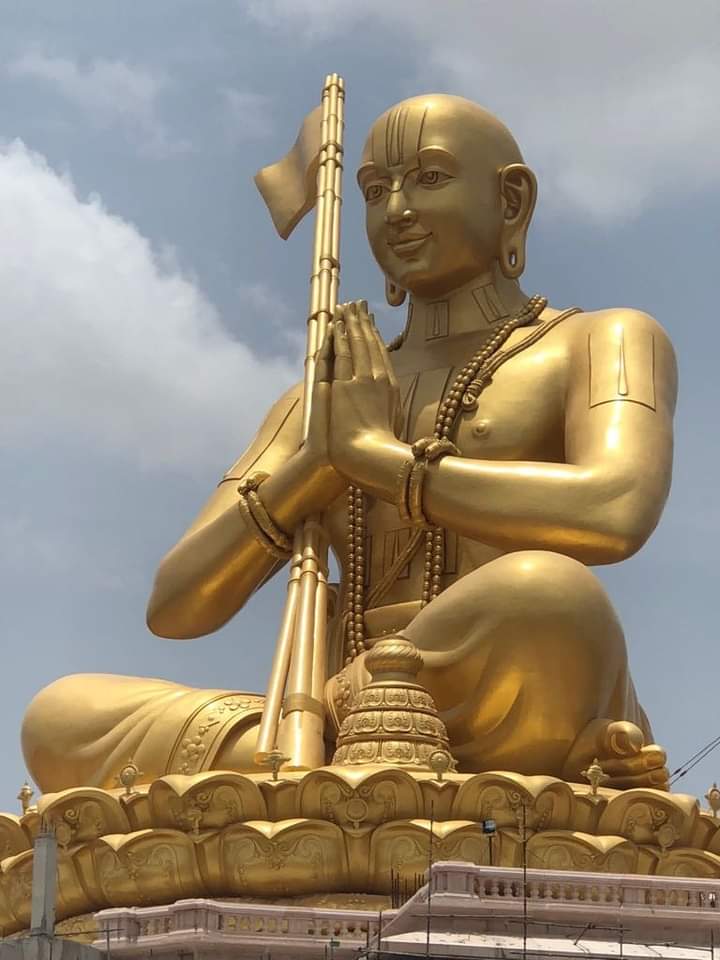
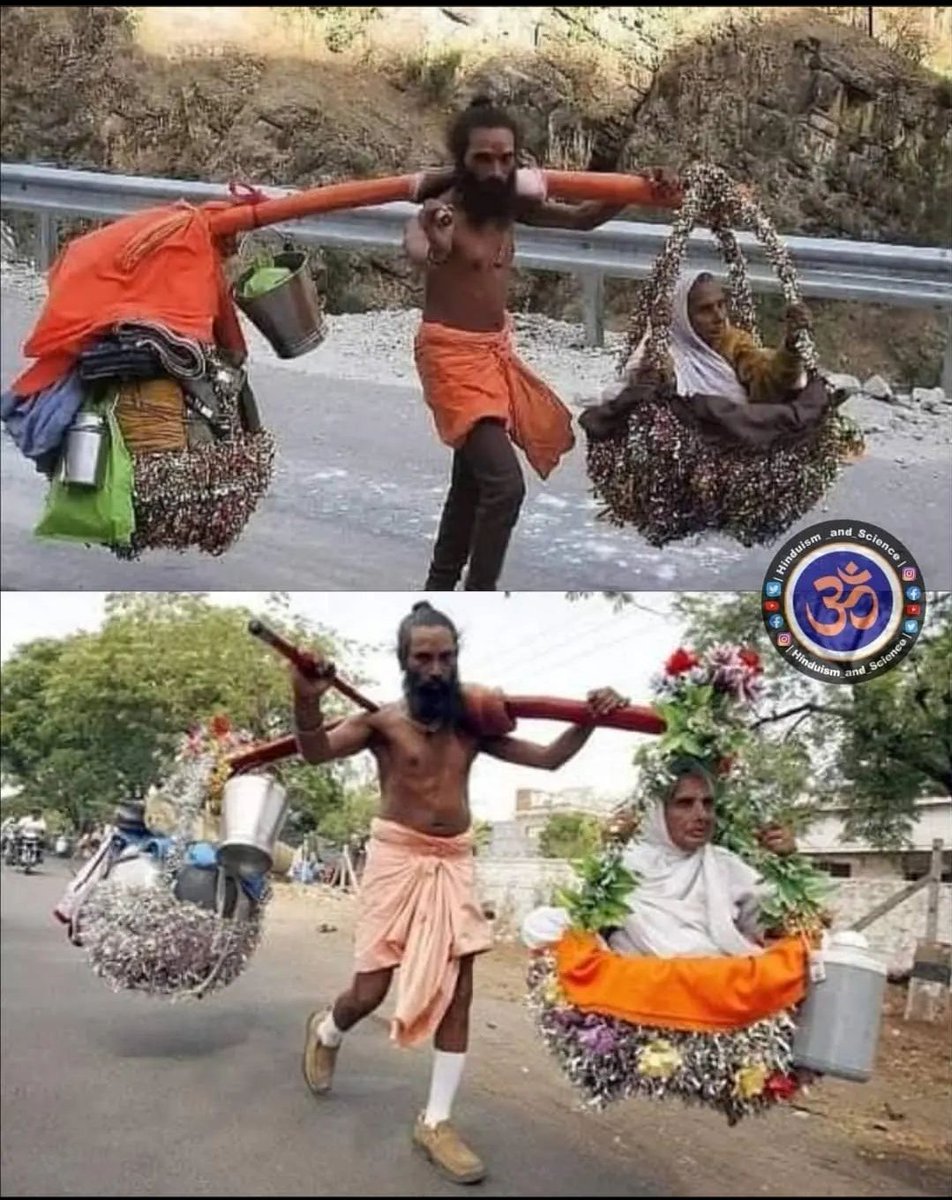
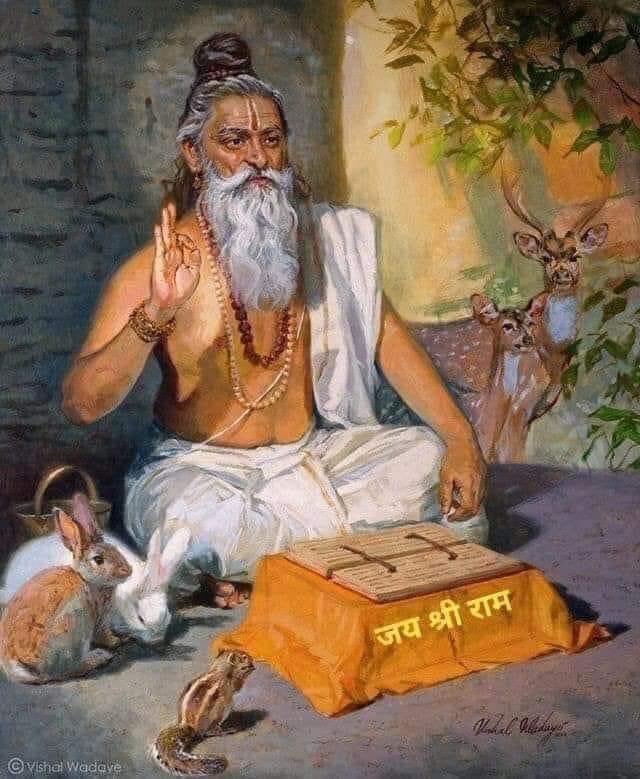
Saffron — the color of Agni or fire – is the color that symbolizes all aspects of Hinduism. Fire represents knowledge-burning ignorance since it burns away the darkness and brings light.
Using information and someone who dispels it to drive the desire (Mars) for Truth or Moksha, emancipation (Sun) (Jupiter).
Saffron is the hue of illumination, the highest degree of perfection in Buddhism. In the 5th century B.C., the Buddha and his followers established the saffron robe colors to be worn by monks.
Orange or saffron appears in Sikhism in the form of Nishan Sahibs (the Sikh flag), Panj Pyaray's cholas (warrior dress), and Sikh turbans. This is the color of intense happiness and contentment. It is capable of absorbing shocks, unpleasant experiences, and trauma.
More from Sriram 🇮🇳


More from Sanatan








You May Also Like

fascinated by this man, mario cortellucci, and his outsized influence on ontario and GTA politics. cortellucci, who lives in vaughan and ran as a far-right candidate for the italian senate back in 2018 - is a major ford donor...
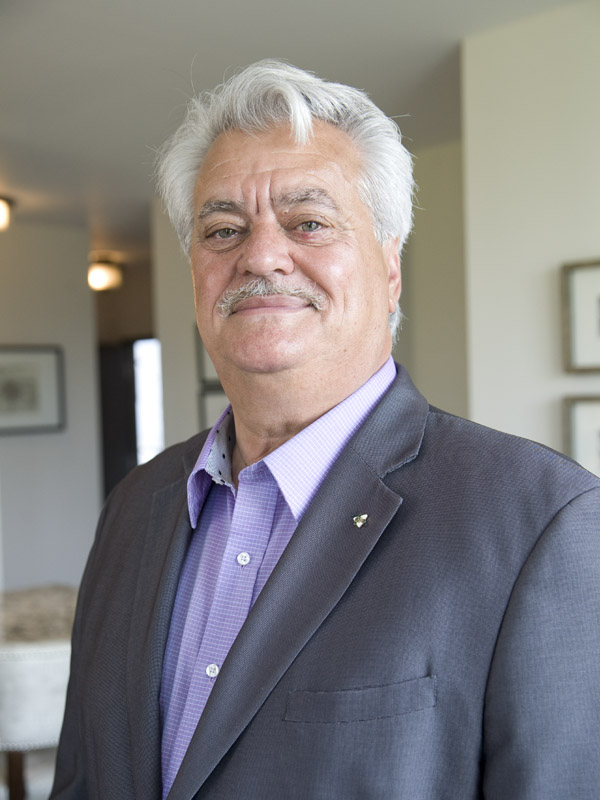
his name might sound familiar because the new cortellucci vaughan hospital at mackenzie health, the one doug ford has been touting lately as a covid-centric facility, is named after him and his family
but his name also pops up in a LOT of other ford projects. for instance - he controls the long term lease on big parts of toronto's portlands... where doug ford once proposed building an nfl stadium and monorail... https://t.co/weOMJ51bVF
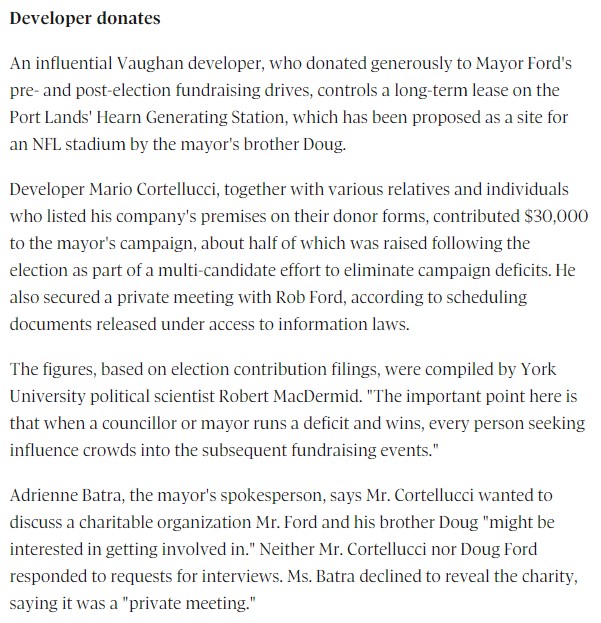
cortellucci, who is a developer, also owns a large chunk of the greenbelt. doug ford's desire to develop the greenbelt has been
and late last year he rolled back the mandate of conservation authorities there, prompting the resignations of several members of the greenbelt advisory
his name might sound familiar because the new cortellucci vaughan hospital at mackenzie health, the one doug ford has been touting lately as a covid-centric facility, is named after him and his family
but his name also pops up in a LOT of other ford projects. for instance - he controls the long term lease on big parts of toronto's portlands... where doug ford once proposed building an nfl stadium and monorail... https://t.co/weOMJ51bVF
cortellucci, who is a developer, also owns a large chunk of the greenbelt. doug ford's desire to develop the greenbelt has been
and late last year he rolled back the mandate of conservation authorities there, prompting the resignations of several members of the greenbelt advisory