- If any Index closed exactly at the resistance, you can get a trade on either side on the next day. (2/11)
How you can filter stocks for Intraday trades - 🧵
As a kid, we would do homework before school the next day - you have to do homework here too. A specific sector performs on a particular day and studying things a day before will help you spot that particular sector. (1/11)
- If any Index closed exactly at the resistance, you can get a trade on either side on the next day. (2/11)
- If any Index closed exactly at support, you can get a trade on either side the following day.
- If there was a bullish signal at the support.
- If any Index gave a breakout or breakdown and then gave a good closing. (3/11)
Once you spot the Index, look at all the stocks in that particular Index. Pick at least 3-4 stocks from that Index and add them to your watchlist for the next day. It's ideal to check both higher and lower timeframes. (4/11)
- Start with checking the top gainers/losers list. I observe market from 9:15 to 9:45am to check the sectors performing well on that day.(5/11)


More from Sheetal Rijhwani
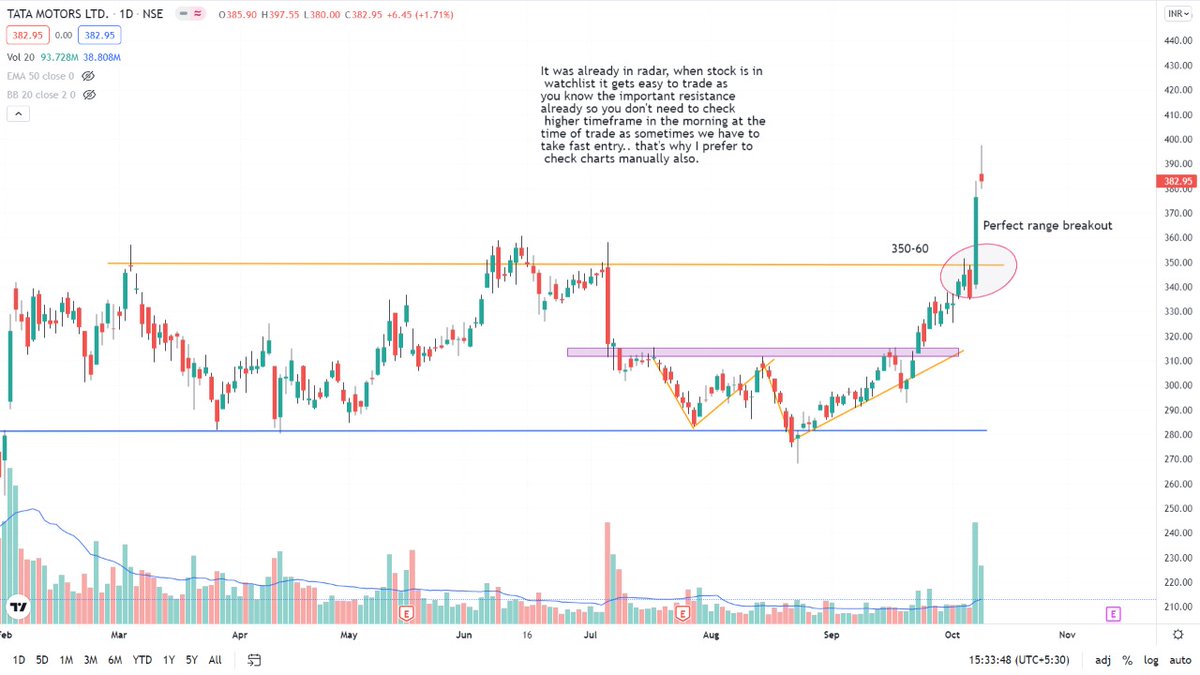
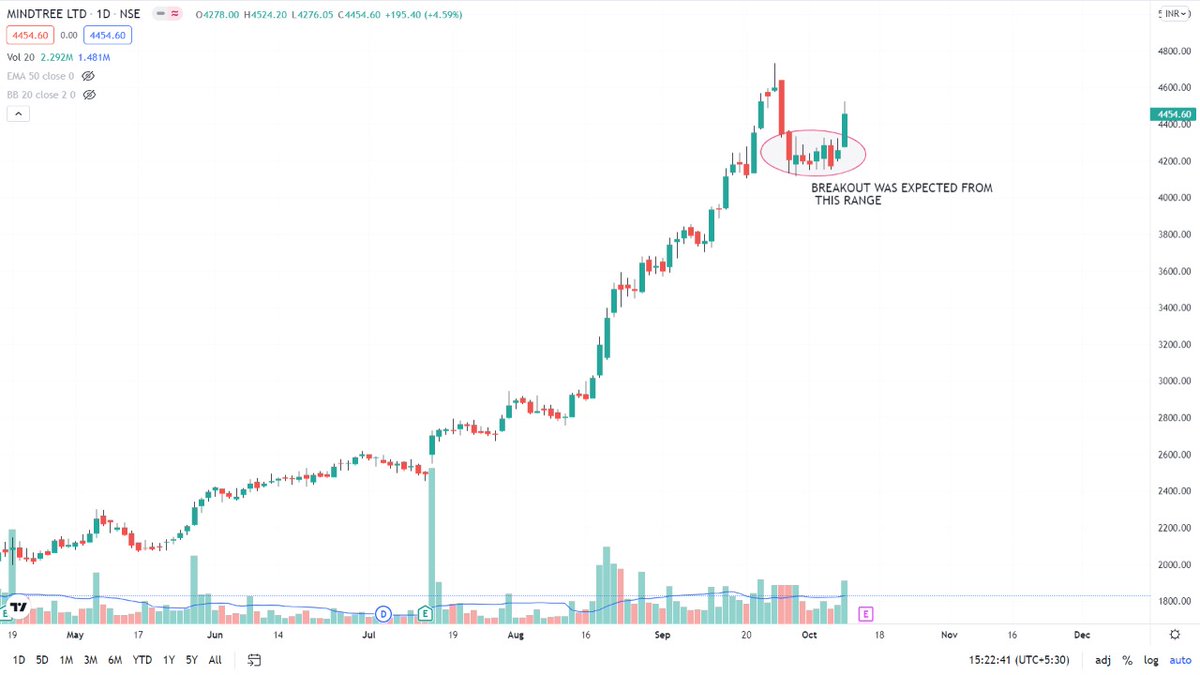
If you're a swing/positional/trend follower, then this thread is for you. In this one, I will be covering how to filter stocks, how to take entry and the exit plans. 🧵 (1/21)
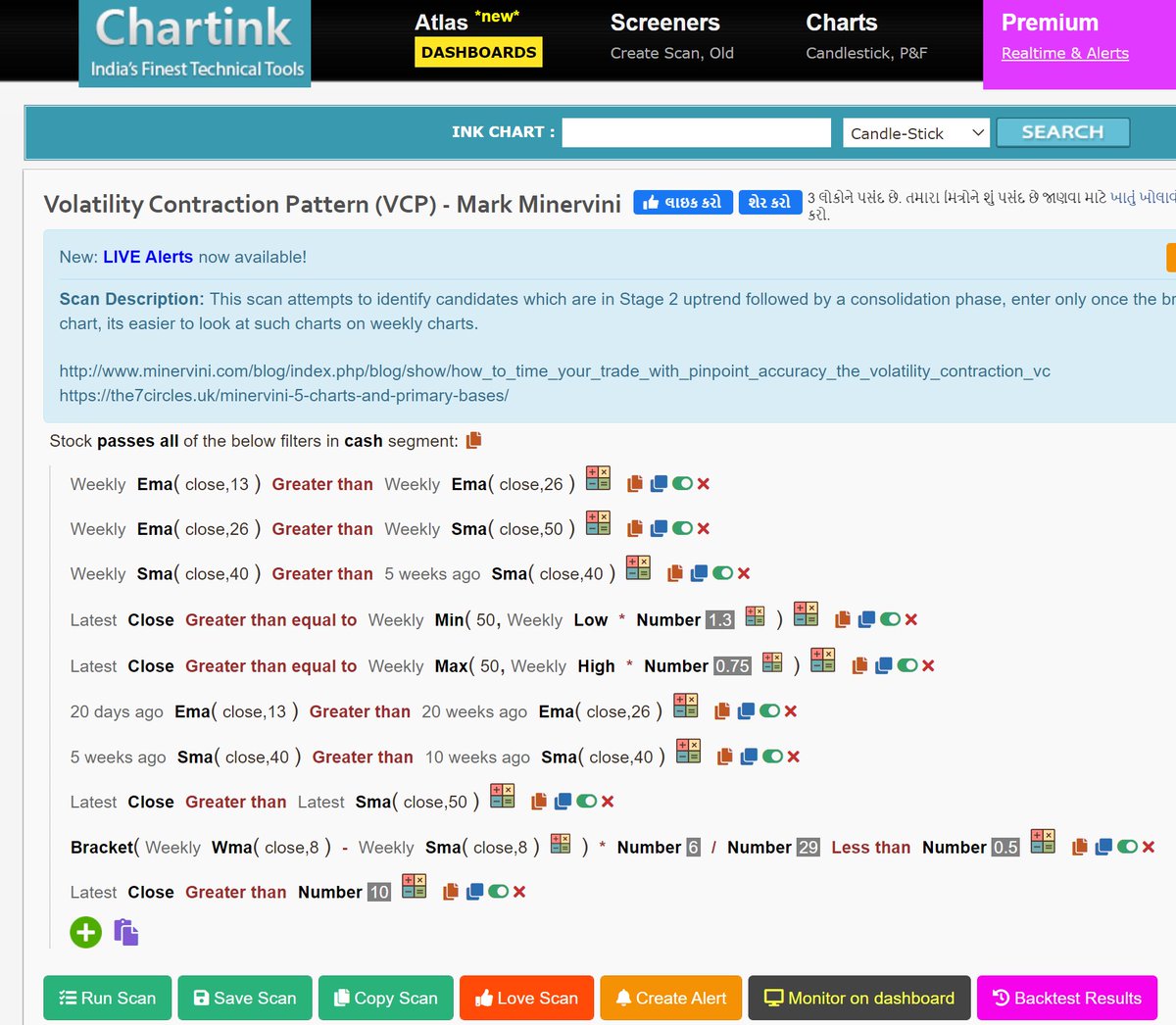
It's practically impossible to check all charts. However, you can use multiple scanners as per your setups to make things easy.
In trending market, even junk stocks give a good move. But in sideways and falling markets, you have to be very selective. (2/21)
One imp. filter for me is trading in strong fundamental stocks. Every quarter, I check results of companies and filter the list. I keep checking the charts and set an alert on the levels. Many good handles on Twitter post good results lists, you can save that as well. (3/21)
This time, I did the same on my telegram channel.
https://t.co/C3eS9PSncG
Second filter for me is Current Performing Sectors/Themes. Keep your eyes and ears open. Being a good observer helps you big time. Make good use of news in your analysis. (4/21)
For Eg: Textiles are performing well for a while now. It has strong consumer interest due to many global retailers, diversifying their outsourcing and reducing their dependence on China. Order booking from India has increased rapidly. (5/21)
It's practically impossible to check all charts. However, you can use multiple scanners as per your setups to make things easy.
In trending market, even junk stocks give a good move. But in sideways and falling markets, you have to be very selective. (2/21)
One imp. filter for me is trading in strong fundamental stocks. Every quarter, I check results of companies and filter the list. I keep checking the charts and set an alert on the levels. Many good handles on Twitter post good results lists, you can save that as well. (3/21)
This time, I did the same on my telegram channel.
https://t.co/C3eS9PSncG
Second filter for me is Current Performing Sectors/Themes. Keep your eyes and ears open. Being a good observer helps you big time. Make good use of news in your analysis. (4/21)
For Eg: Textiles are performing well for a while now. It has strong consumer interest due to many global retailers, diversifying their outsourcing and reducing their dependence on China. Order booking from India has increased rapidly. (5/21)

The absolute best thread to read on trailing methods by @Traderknight007
Read and follow this.. he has aptly explained about various methods to trail.
Read and follow this.. he has aptly explained about various methods to trail.
2. TRAILING METHODS-
— Trader knight (@Traderknight007) December 24, 2020
1. SWING POINT METHOD-
In this method we use the swing points or the HH- HL OR LH-LL points for placing sl,
In this method we trail our sl when the stock make a Higher low after our entry and keep Trailing the sl till it hits. pic.twitter.com/CqzCkLdWmC
More from Screeners






#FREETIPS
For new followers ...
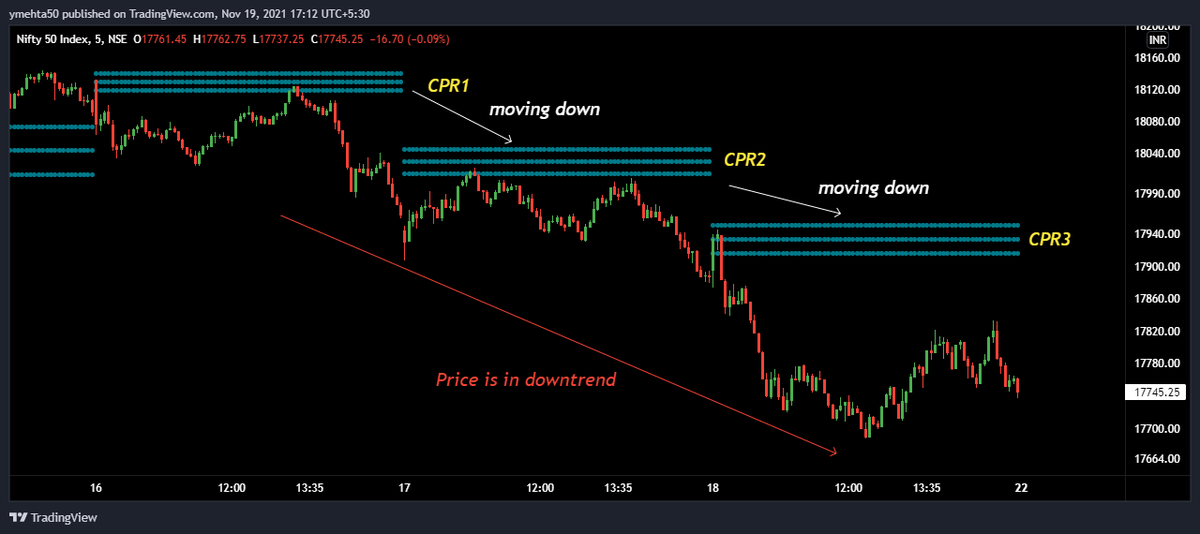
If u r a pivot based intraday trader, u should have this cheat sheet. Follow this and C. Your wrong trades will reduce considerably. Good luck.
For new followers ...
If u r a pivot based intraday trader, u should have this cheat sheet. Follow this and C. Your wrong trades will reduce considerably. Good luck.
#FREETIPS
— ScorpioManoj (@scorpiomanojFRM) April 1, 2022
Pivot Rules snapshot
A free one page cheat sheet for pivot based trading that could probably be sold for a hefty price ....
Rem: This is just a broad set of rules. There are many advance rules more than this. pic.twitter.com/FnzmGGKx0P