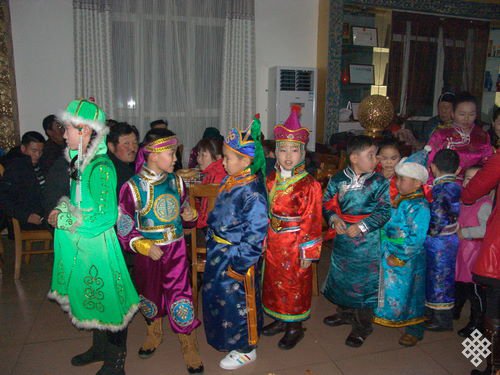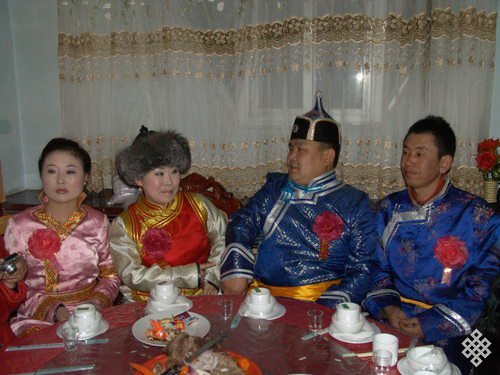
Tuvans in PRC live in Altay prefecture, northern Xinjiang. Considered part of Uriankhai tribes, in China classified as same group with Oirat Mongols, educated in Mongolian language, using Kazakh language too.
They speak native dialects in their homes/family. Basically a transborder identity group, divided between modern Russian Tuva, Mongolia and China. Main group lives in three Tuvan villages: Hemu (Kom), Ak Haba, Kanas.
Pretty typical for Xinjiang, Tuvans have own cuisine but mix it with other culinary traditions. E.g. Hui, Uyghur, Chinese. They used to be hunters but hunting and carrying guns prohibited now. Traditionally horse herders, less sheep herding.
Also reside in few other smaller villages and cities such as Burqin, Altay, Bethun. Self name varies: Monchak, Gok-Monchak, Altay Tuvasy, Tyva. Around 2500 ppl (maybe diff. now, I take data from research 2010-2017).
Altay also populated by nearly all other ethnicities of Xinjiang: Han, Hui, Kyrgyz, Uyghur, Uzbek, Manchu, Russians. Some Altay clan-families assimilated with Tuvans in early XX century, now also considered "Mongol" to fit into "56 nationalities" classification.
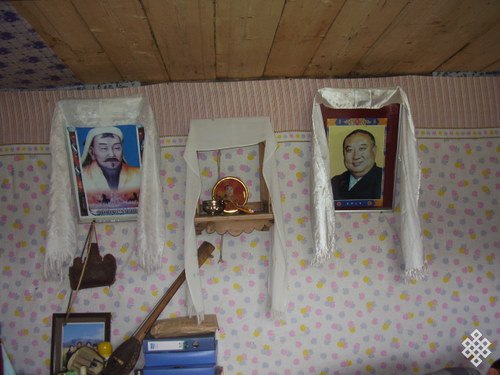
Tuvans (Uriankhai) in China are obvs. relatives of Tuvans in Tuva Republic, now Russia. Chinese Altay is their nomadic motherland, now there are more settlers than nomads. Used to migrate around a much wider area. Lots of common Buddhist culture tropes.
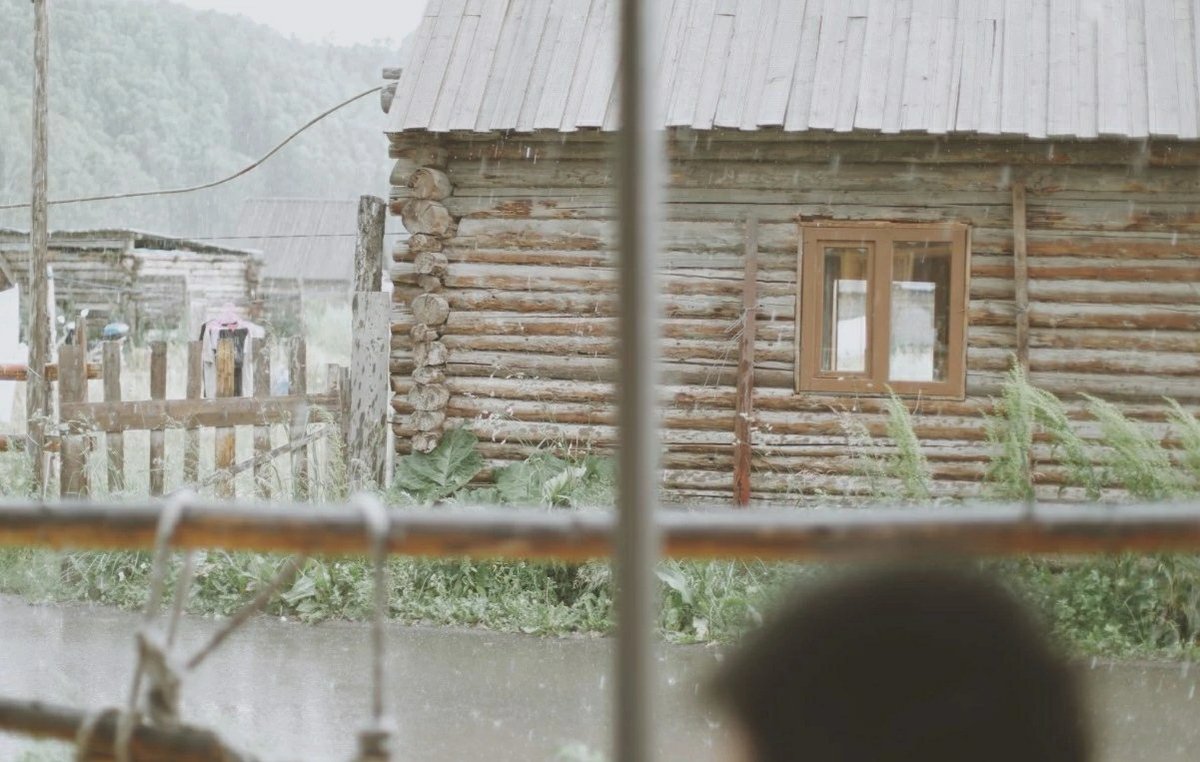
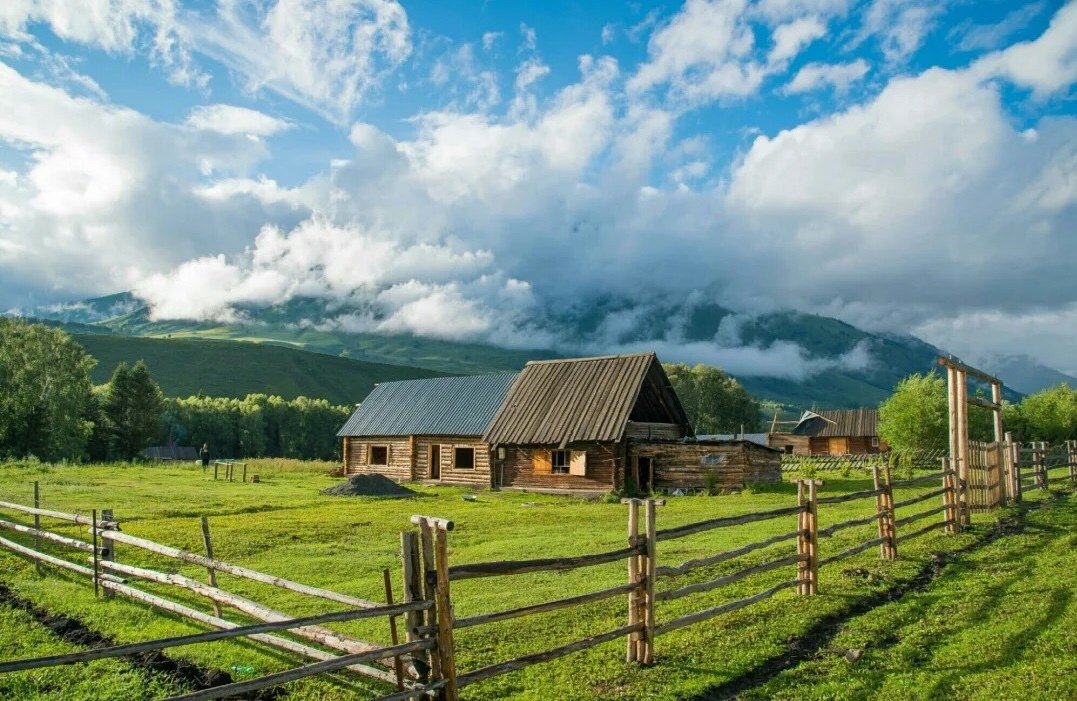
Mountainous Tuvans live in wooden buildings, themselves claiming to learn wooden construction "from the Russians". Does look like Russian-influenced architecture. Self-name Monchak prolly name of one of the clans at first, eventually spread on all local Tuvans.
Originally shamanism and animism as their beliefs, now rapidly modernizing community. The last active shaman reported to have passed away in 2001. But animism somewhat persists to this day, in the form of certain rituals.
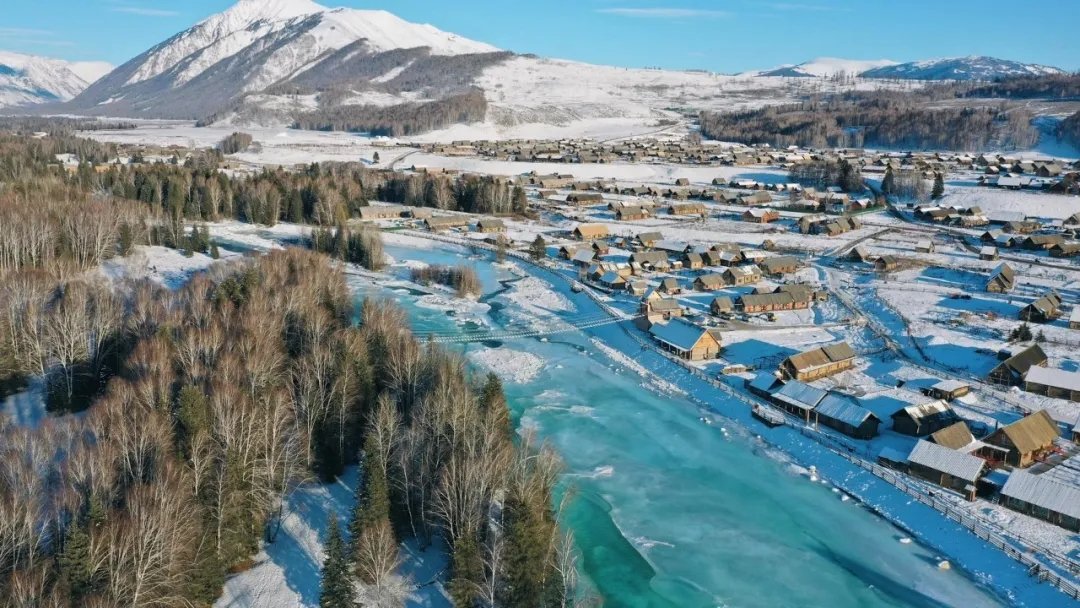
Hemu and Kanas lake are now major tourist destinations, locals usually profit from that in the summer season by renting their ethnic houses to XJ businessmen or tourists. The government has been boosting tourism in the area in the last decade.
There are some concerns over too rapid modernisation of these previously rather isolated people, but also an unexpected boost in their ethnic culture and even self-ifentification due to tourism & activity in the area. Language still a barrier for business & employment.
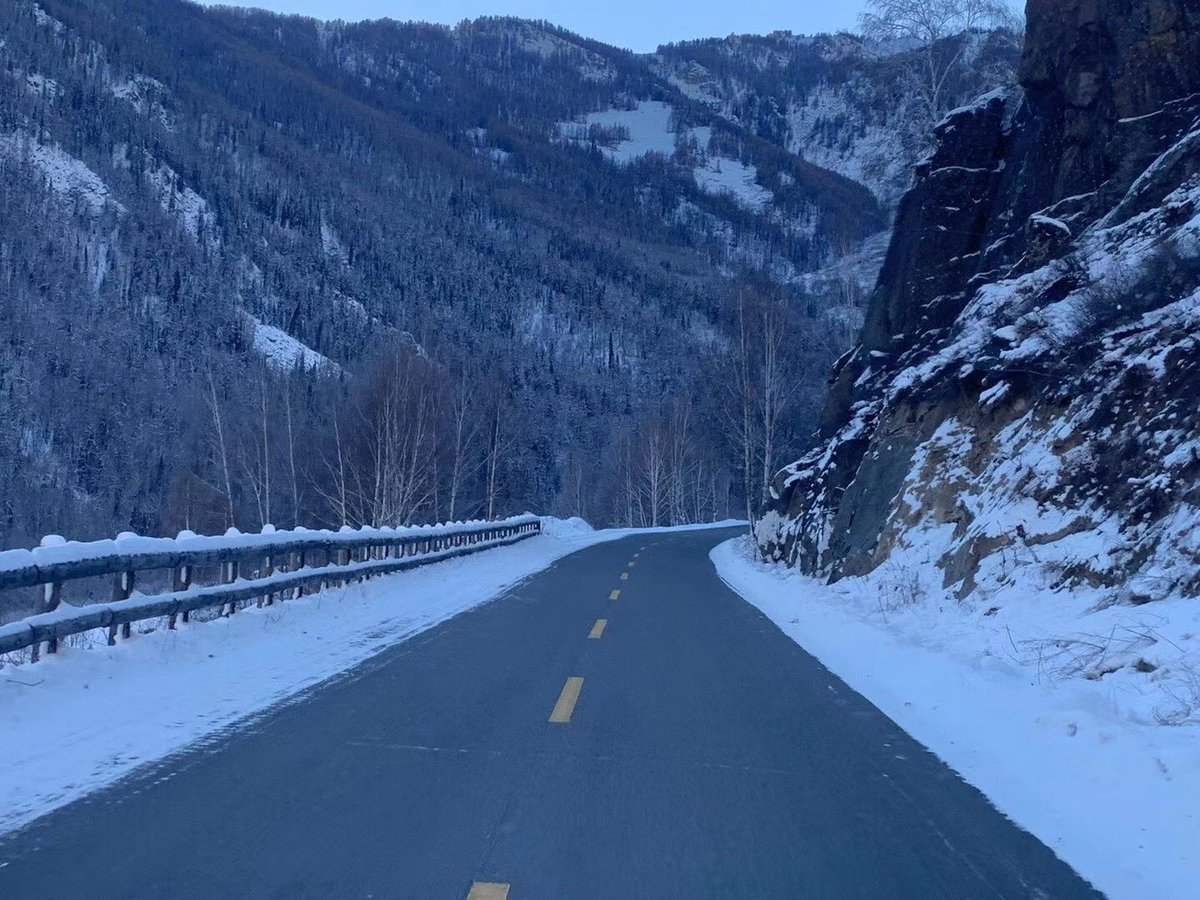
Much more modern roads & infrastructure around Altay built recently, more tourists, more Tuvans learning mandarin and (slowly) integrating into wider Chinese society. Many parents prefer kids to learn mandarin rather Mongolian or Kazakh, for economic opportunities.
Huge areas in Altay are declared national reserves not long ago, to preserve clean air, local mountains and lakes as an "untouched authentic life" corner. It works: the area is incredibly beautiful.
The tourism brought money to the locals, but also sometimes overwhelming number of tourists at times. The authorities even compensated the locals in Hemu, Kanas by 4000-6000 RMB "tourist visit fee", dunno if it's still a policy.
Chinese Tuvans have access to Russian Tuvan websites since the web appeared, so recent ~20 years influenced by Tuvan culture from the Republic of Tuva, esp. music from Tuva (and RU Altay).
Plenty of Russian and Kazakh language
borrowed words in their everyday speech.
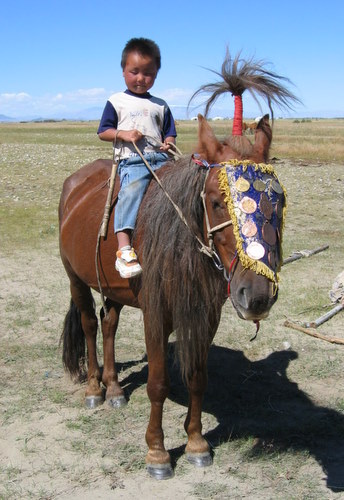
The local Tuvan community quite well researched by both Chinese and Russian-Tuvan scholars (including on the field), I'm taking info from Russian sources and what I've seen on the ground visiting Altay in 2018. Especially grateful to the work of Zhanna M. Yusha.
Russian Tuvan and Mongolian researchers are relatively unbiased. Unlike Russian Empire in the XIX century, today's Russia isn't interested in Chinese territories, researchers often do their study based on ethnic solidarity and interest. No silly "ethnic genocide" thesis, lol.
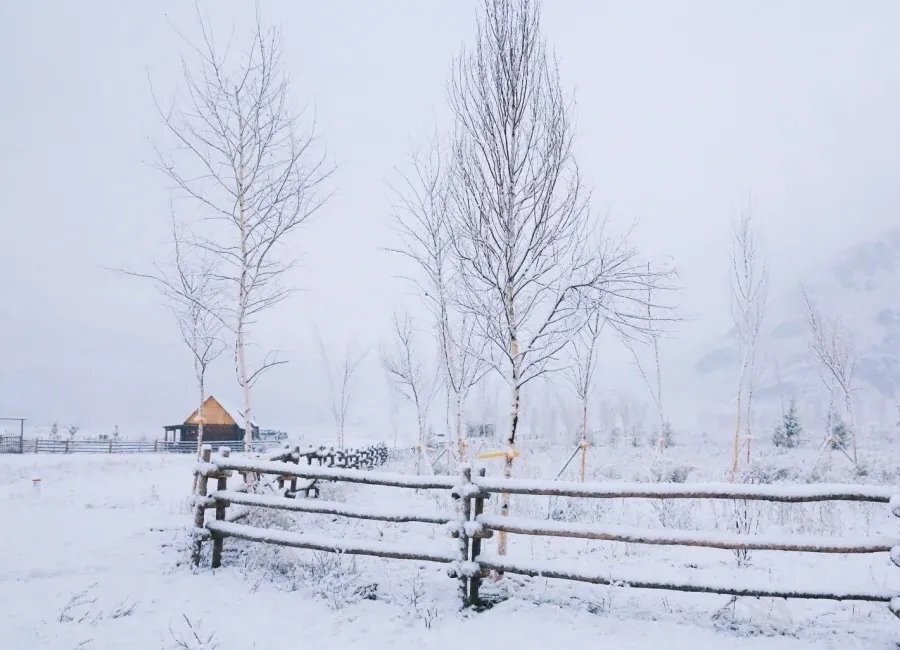
They remind me of my native Karelia: using own dialects mostly at home, no proper written language, identity diasporic/transborder. Natural linguistic and cultural assimilation. Living in wild and snowy Taiga, a "clean air-natural reserves-touristy destination".
"Fun" fact: ethnonim Uriankhai has inspired Tolkien's "Uruk-hai" in LOTR. Tolkien described "Ork hordes" using images of Tuvans & Mongols, also "Ork language" reminds of Turkic steppe languages. An obvious racist description of Orks in LOTR, look it up.
p.s. materials in RU. There are more, but what's the point sharing if noone here speaks/ reads Russian. Just an example:
https://t.co/3Zx7KH9orB https://t.co/Dl6gwthXqM