spending) is projected to rise to 18.2% of GDP in 2020 from 12.6% in 2019. The authors correctly note the worrying surge in debt and warn that Beijing must continue to try to contain financial stability risks, but I notice that they are projecting average GDP...
1/10
The latest IMF report on China was released yesterday and provides a lot of good information and intelligent insight on the Chinese economy. The IMF’s measure of China’s adjusted fiscal deficit (including estimated off-budget
spending) is projected to rise to 18.2% of GDP in 2020 from 12.6% in 2019. The authors correctly note the worrying surge in debt and warn that Beijing must continue to try to contain financial stability risks, but I notice that they are projecting average GDP...
growth of just over 6% between 2012 and 2025, including a downward revision of their 2021 forecast from 8.2% to 7.9% (which I still think is a little high).
As I’ve long argued, it will be impossible for China both to control the surge in debt and to achieve growth...
targets above the real underlying growth rate of the economy, which I suspect is 2-3% at best. I know the IMF is constrained in what it is able to say about the Chinese economy if it wants to remain part of the advisory process, but I do think that after 10 years...
of watching this game we should be a lot more explicit about the relationship between unreasonably high GDP growth targets and high credit growth. There really is no point in advising Beijing to get financial risks under control while at the same time approving...
GDP growth targets that cannot but result in out-of-control increase in debt. The former requires the latter: if China grows by an average of 6% over the next five years, total social financing will rise from roughly 280% of GDP today to at least 320-40% of GDP.
The IMF also recommends that China do more to rebalance domestic demand towards consumption, which Beijing has been saying it would do since at least 2007. To do so it proposes expanding unemployment benefits, increasing transfers to low income households, enhancing...
public healthcare and otherwise strengthening the social safety net. This all makes sense, of course, but it is only half the story. Transfers involve not just “transfers to” but also “transfers from”. If Beijing permits these transfers to be funded by local government...
More from Michael Pettis
More from World

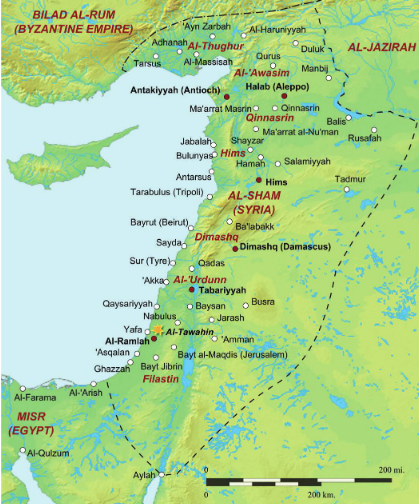


Niger state shares borders with Zamfara, kebbi, Kaduna & Benin Republic. Terrorists from Niger republic and Burkina faso easily move money and arms across the borders of Kebbi, Zamfara and Benin R into Niger state. According to UN over 900,000 people have been displaced in B'Faso https://t.co/65YEMJhqDp
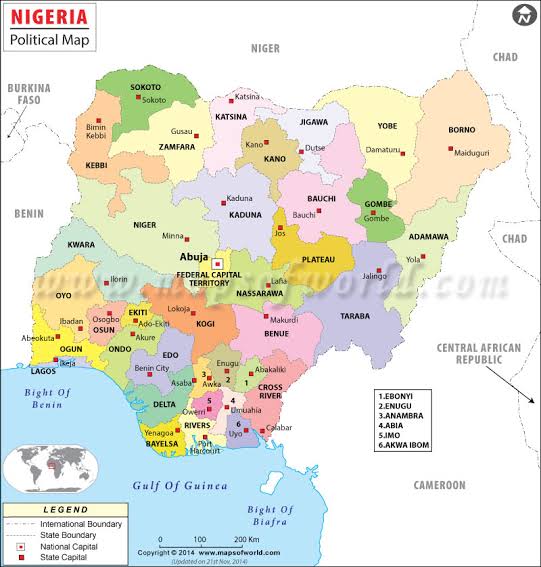
Niger, Mali and Burkina faso are weak countries populated by Shell terrorists who have now found a safe haven in the forests in Kaduna and Niger state. Birin Gwari, Mokwa forest, Nanati forests, Kanji lake areas.
No decent human resides permanently in forests.
We are facing both external and internal threats from these weak and failed countries we are surrounded with. As a senator you know that a FG police system with less than 300k officers can't actively police the landmass and borders in the North.
Form your state police now!
You and other senators should scrap the FG police system and devote the unaudited security votes and constituency allowance to policing your corridors and forests. Let the airforce bomb them and put your rangers in the forests. Issue an ultimatum for those in the forests to leave
You are all living in a dream if you think the current police structure will become efficient overnight.
Budget, Personnel, Technology, Equipment, Surveillance..It's impossible.
Form your state and community police and flush out the terrorists.
I am shocked and saddened by the attack on GSS, Kagara in Rafi LGA that led to the abduction of innocent schoolboys in Niger East. It is appalling that acts of violence against our educational institutions are becoming a norm & perpetrated on defenseless children.
— Senator Moh\u2019d Sani Musa (@MohdSaniMusa) February 17, 2021
Niger, Mali and Burkina faso are weak countries populated by Shell terrorists who have now found a safe haven in the forests in Kaduna and Niger state. Birin Gwari, Mokwa forest, Nanati forests, Kanji lake areas.
No decent human resides permanently in forests.
We are facing both external and internal threats from these weak and failed countries we are surrounded with. As a senator you know that a FG police system with less than 300k officers can't actively police the landmass and borders in the North.
Form your state police now!
You and other senators should scrap the FG police system and devote the unaudited security votes and constituency allowance to policing your corridors and forests. Let the airforce bomb them and put your rangers in the forests. Issue an ultimatum for those in the forests to leave
You are all living in a dream if you think the current police structure will become efficient overnight.
Budget, Personnel, Technology, Equipment, Surveillance..It's impossible.
Form your state and community police and flush out the terrorists.



With historical Data and explanations, I will want to DISAGREE with what you said here ma'am Or at Least Reframe what you said because what you said can be used to refer to a lot of scenarios.
Who are the "Citizens of Nigeria" you claim are not ready because they are...
(/1)
Not demanding good governance?.
If by this you mean the Vast majority of Nigerians that are in the lower class should demand for good governance, then I hope you know this can never be effective.
Why?
It is virtually impossible for the lower class citizens to gather and...
Demand for good governance. What do they know that they want to demand? The few among them that are "enlightened" will have their voices drown out by the many that are not. I hope you know that there will always be the ignorant, evil men (hired assassin, political thugs) and also
Good men, the proportion of good men to the ignorants and evil men in this social class is low. Therefore l, gathering to something meaningful will be low.
How will they even gather? Through elections? I also hope you know that the wicked political leaders will not just fold...
Their arms and not defend their rulership from being overthrown. They will surely sow misinformation, spread lies aimed at misleading the masses. This particular social class, that are also numerous will be easy to swallow such lies and cajoled. Buhari was sold to us as a...
Who are the "Citizens of Nigeria" you claim are not ready because they are...
(/1)
I will repeat it yet again.
— Oby Ezekwesili (@obyezeks) February 18, 2021
Citizens of Nigeria are not yet ready for Good Governance.
They absolutely enjoy and believe they deserve to be poorly governed.
The Politicians know this and dish Bad Governance in large doses to them.
When citizens are ready, it will end.\u270d\U0001f3fe
Not demanding good governance?.
If by this you mean the Vast majority of Nigerians that are in the lower class should demand for good governance, then I hope you know this can never be effective.
Why?
It is virtually impossible for the lower class citizens to gather and...
Demand for good governance. What do they know that they want to demand? The few among them that are "enlightened" will have their voices drown out by the many that are not. I hope you know that there will always be the ignorant, evil men (hired assassin, political thugs) and also
Good men, the proportion of good men to the ignorants and evil men in this social class is low. Therefore l, gathering to something meaningful will be low.
How will they even gather? Through elections? I also hope you know that the wicked political leaders will not just fold...
Their arms and not defend their rulership from being overthrown. They will surely sow misinformation, spread lies aimed at misleading the masses. This particular social class, that are also numerous will be easy to swallow such lies and cajoled. Buhari was sold to us as a...