
Some observations and thoughts on ZILSwap: What went well, its impact on the $ZIL ecosystem and where we need to improve with some concrete plans that are being worked on. A thread:
👇
More from Trading

12 TRADING SETUPS used by professional traders:🧵
Collaborated with @niki_poojary
Here's what you'll learn in this thread:
1. Capture Overnight Theta Decay
2. Trading Opening Range Breakouts
3. Reversal Trading Setups
4. Selling strangles and straddles in Bank Nifty
6. NR4 + IB
7. NR 21-Vwap Strategy
Let's dive in ↓
1/ STBT option Selling (Positional Setup):
The setup uses price action to sell options for overnight theta decay.
Check Bank Nifty at 3:15 everyday.
Sell directional credit spreads with capped
@jigspatel1988 2/ Selling Strangles in Bank Nifty based on Open Interest Data
Don't trade till 9:45 Am.
Identify the highest OI on puts and calls.
Check combined premium and put a stop on individual
@jigspatel1988 3/ Open Drive (Intraday)
This is an opening range breakout setup with a few conditions.
To be used when the market opens above yesterday's day high
or Below yesterday's day's
Collaborated with @niki_poojary
Here's what you'll learn in this thread:
1. Capture Overnight Theta Decay
2. Trading Opening Range Breakouts
3. Reversal Trading Setups
4. Selling strangles and straddles in Bank Nifty
6. NR4 + IB
7. NR 21-Vwap Strategy
Let's dive in ↓
1/ STBT option Selling (Positional Setup):
The setup uses price action to sell options for overnight theta decay.
Check Bank Nifty at 3:15 everyday.
Sell directional credit spreads with capped
A thread about STBT options selling,
— Jig's Patel (@jigspatel1988) July 17, 2021
The purpose is simple to capture overnight theta decay,
Generally, ppl sell ATM straddle with hedge or sell naked options,
But I am using Today\u2019s price action for selling options in STBT,
(1/n)
@jigspatel1988 2/ Selling Strangles in Bank Nifty based on Open Interest Data
Don't trade till 9:45 Am.
Identify the highest OI on puts and calls.
Check combined premium and put a stop on individual
Thread on
— Jig's Patel (@jigspatel1988) July 4, 2021
"Intraday Banknifty Strangle based on OI data"
(System already shared, today just share few examples)
(1/n)
@jigspatel1988 3/ Open Drive (Intraday)
This is an opening range breakout setup with a few conditions.
To be used when the market opens above yesterday's day high
or Below yesterday's day's
#OpenDrive#intradaySetup
— Pathik (@Pathik_Trader) April 16, 2019
Sharing one high probability trending setup for intraday.
Few conditions needs to be met
1. Opening should be above/below previous day high/low for buy/sell setup.
2. Open=low (for buy)
Open=high (for sell)
(1/n)



You May Also Like









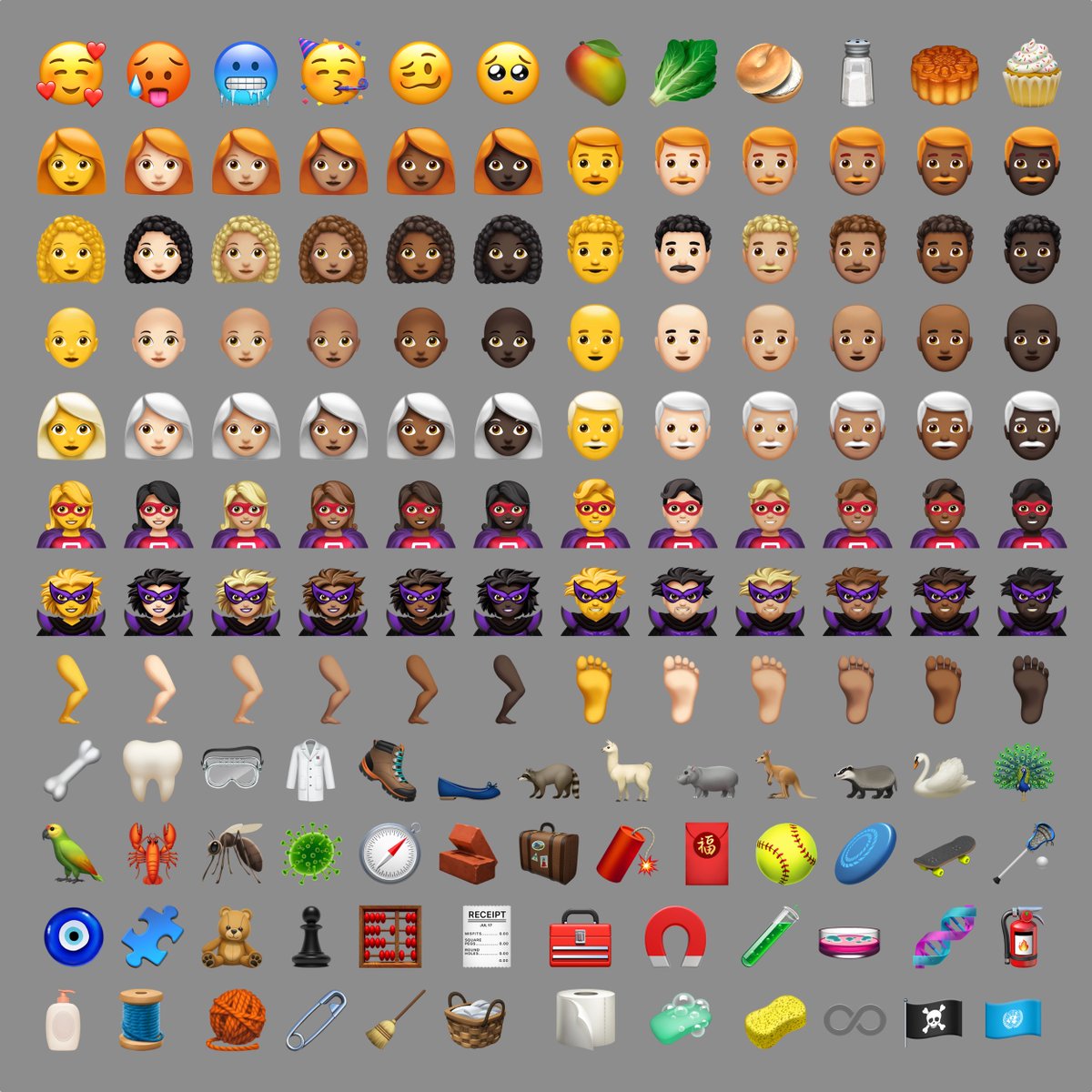
✨📱 iOS 12.1 📱✨
🗓 Release date: October 30, 2018
📝 New Emojis: 158
https://t.co/bx8XjhiCiB
New in iOS 12.1: 🥰 Smiling Face With 3 Hearts https://t.co/6eajdvueip

New in iOS 12.1: 🥵 Hot Face https://t.co/jhTv1elltB

New in iOS 12.1: 🥶 Cold Face https://t.co/EIjyl6yZrF

New in iOS 12.1: 🥳 Partying Face https://t.co/p8FDNEQ3LJ

🗓 Release date: October 30, 2018
📝 New Emojis: 158
https://t.co/bx8XjhiCiB
New in iOS 12.1: 🥰 Smiling Face With 3 Hearts https://t.co/6eajdvueip
New in iOS 12.1: 🥵 Hot Face https://t.co/jhTv1elltB
New in iOS 12.1: 🥶 Cold Face https://t.co/EIjyl6yZrF
New in iOS 12.1: 🥳 Partying Face https://t.co/p8FDNEQ3LJ

