2/18
Elastic didn't really relicense ElasticSearch. It forked it.
🧵 A thread.
1/18
- "Forking is a last resort option."
- "Forking is like a nuclear weapons. It's a defensive threat."
3/18
And that's a Really Good Thing(tm).
It's a forcing function for figuring out solutions that are broadly acceptable across the community.
4/18
1⃣ the size of the community that you can bring along with you,
2⃣ whether you need to rename your fork (who owns the trademark), and
3⃣ how much infrastructure you need to rebuild.
5/18
6/18
7/18
8/18
9/18
1⃣ move all of its community to contribute to my proprietary fork overnight,
2⃣ use the "Node" trademark, and
3⃣ leverage all of the existing infrastructure that isn't mine.
11/18
It's that it:
1⃣ *is* the community,
2⃣ owns the trademark, and
3⃣ controls the infrastructure.
12/18
Of course, that's a powerful weapon and an incredible power imbalance in a community.
13/18
The lack of open governance, of community trademark ownership, and of a genuine community of contributors beyond Elastic employees, are at the heart of the problem.
14/18
I think it's more "Schrödinger open source."
Despite the license, you don't really know whether it is open source or not until you open the envelope and find out the cat is dead. 😿
15/18
16/18
https://t.co/wuUJMh1RtX
17/18
The problem we\u2019re facing in the open source community is a mixup between, on one side, open source practices and norms, and on the other, open source licenses.
— Tobie Langel (@tobie) January 21, 2021
\U0001f9f5A thread. https://t.co/iVXwnlZ0XI
More from Tech


BREAKING: @CommonsCMS @DamianCollins just released previously sealed #Six4Three @Facebook documents:
Some random interesting tidbits:
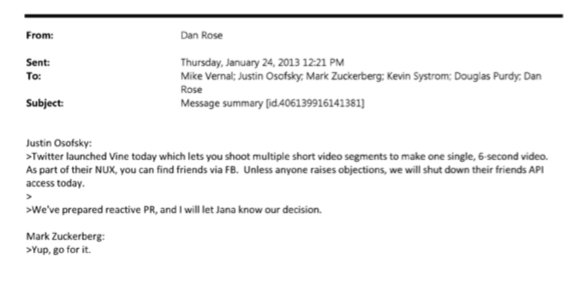
1) Zuck approves shutting down platform API access for Twitter's when Vine is released #competition
2) Facebook engineered ways to access user's call history w/o alerting users:
Team considered access to call history considered 'high PR risk' but 'growth team will charge ahead'. @Facebook created upgrade path to access data w/o subjecting users to Android permissions dialogue.
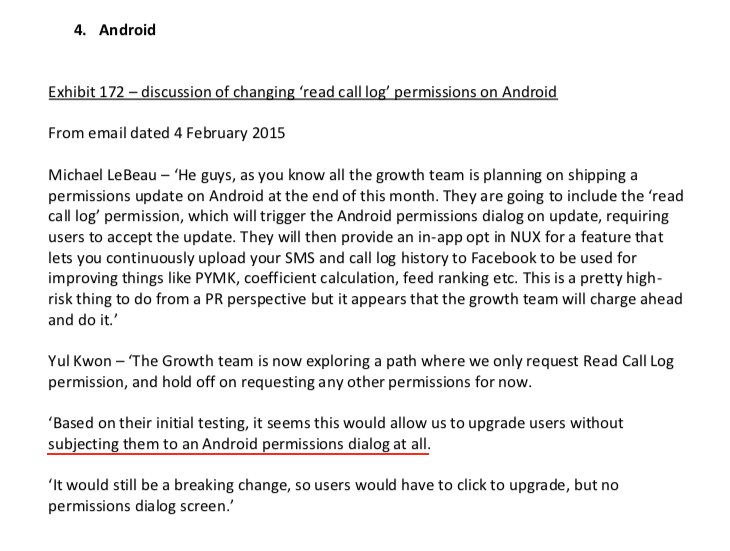
3) The above also confirms @kashhill and other's suspicion that call history was used to improve PYMK (People You May Know) suggestions and newsfeed rankings.
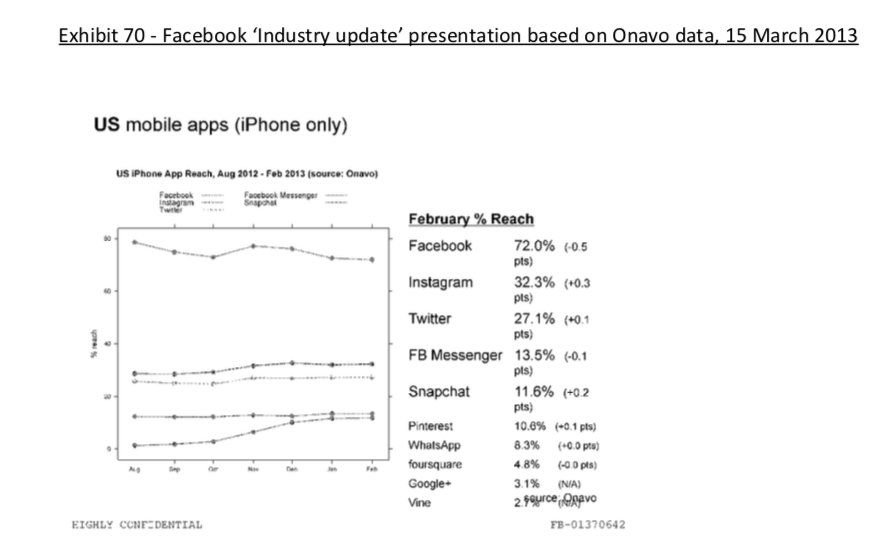
4) Docs also shed more light into @dseetharaman's story on @Facebook monitoring users' @Onavo VPN activity to determine what competitors to mimic or acquire in 2013.
https://t.co/PwiRIL3v9x
Some random interesting tidbits:
1) Zuck approves shutting down platform API access for Twitter's when Vine is released #competition
2) Facebook engineered ways to access user's call history w/o alerting users:
Team considered access to call history considered 'high PR risk' but 'growth team will charge ahead'. @Facebook created upgrade path to access data w/o subjecting users to Android permissions dialogue.
3) The above also confirms @kashhill and other's suspicion that call history was used to improve PYMK (People You May Know) suggestions and newsfeed rankings.
4) Docs also shed more light into @dseetharaman's story on @Facebook monitoring users' @Onavo VPN activity to determine what competitors to mimic or acquire in 2013.
https://t.co/PwiRIL3v9x