It’s no news to say the news industry is struggling, but bear with me while I attempt to summarize why photojournalism is especially in crisis–it’s an inherently risky job that’s getting riskier, and most of us are freelancers who are totally unrepresented in the labour market.
We are losing photojournalists and it's terrifying bc, to echo
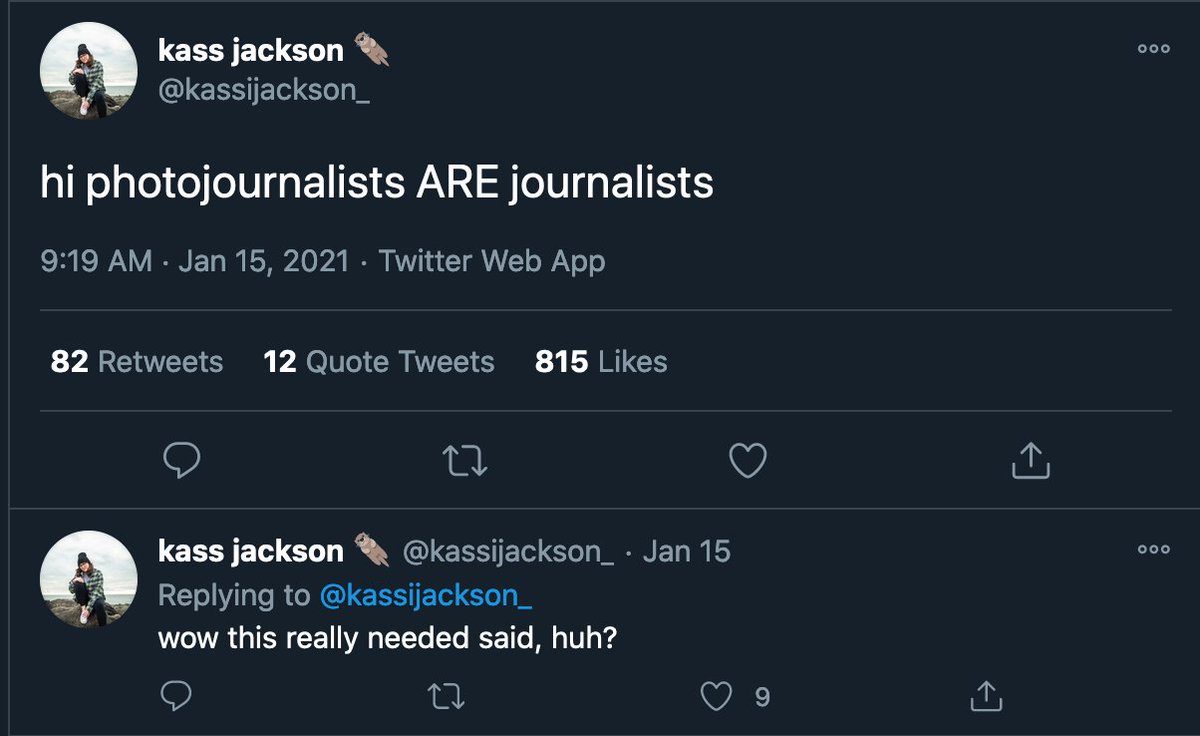
@kassijackson_, photojournalists ARE journalists. It’s a specialized skill set that’s not easily replaced. Our work connects to the human experience, is guided by ethics and grounded in fact.
Don't even get me started on the fact that every marketing plan for every news publication out there trying to survive depends largely on photography. We get clicks baby
There is also an existential crisis going on, as we collectively grapple with the colonial roots and under representation of BIPOC and women in this practice. I’m not diving into that necessary conversation here but,
https://t.co/kPwmmO60pX
Let me say up front that you cannot adequately address these issues in an industry that’s low paying, that requires folks to take huge risks and have their own safety nets, when the people you need to include are already facing systemic inequalities.
https://t.co/62dggOBY8e
If you think I’m exaggerating about how bad the economics are, a nationwide UPOC survey showed 82% of people whose main income is from journalism or documentary photography earn less than $50,000/year. More than half earn less than $40,000/year (Vancouver apartment anyone?).
This is early data but rings true to my 12 years of experience. For context, minimum startup costs are close to $20,000, invoices can take months to collect, and anything but the most granular local reporting tends to have overhead expenses, all fronted by freelancers.
Side note, isn’t it strange how much cultural importance journalism has with such little pay? It’s almost like our social priorities are just completely out of order…#subscribesubscribesubscribe
Now, before I get into all of the details, I need you to remind you that most Canadian photojournalists are freelancers. That means no guaranteed income, no sick days, no health insurance or retirement fund, no gear allowance, no legal, training or safety support.
That means that while we are on the frontlines of every sad, scary or difficult issue, we are mostly on our own. This year that meant navigating all our *normal risks, plus a global pandemic, while also being branded as the “enemy of the people”.
https://t.co/TKgrCsu6NL
Here is a completely non-exhaustive sub-thread of what that’s looked like for some people, some of those people being me.
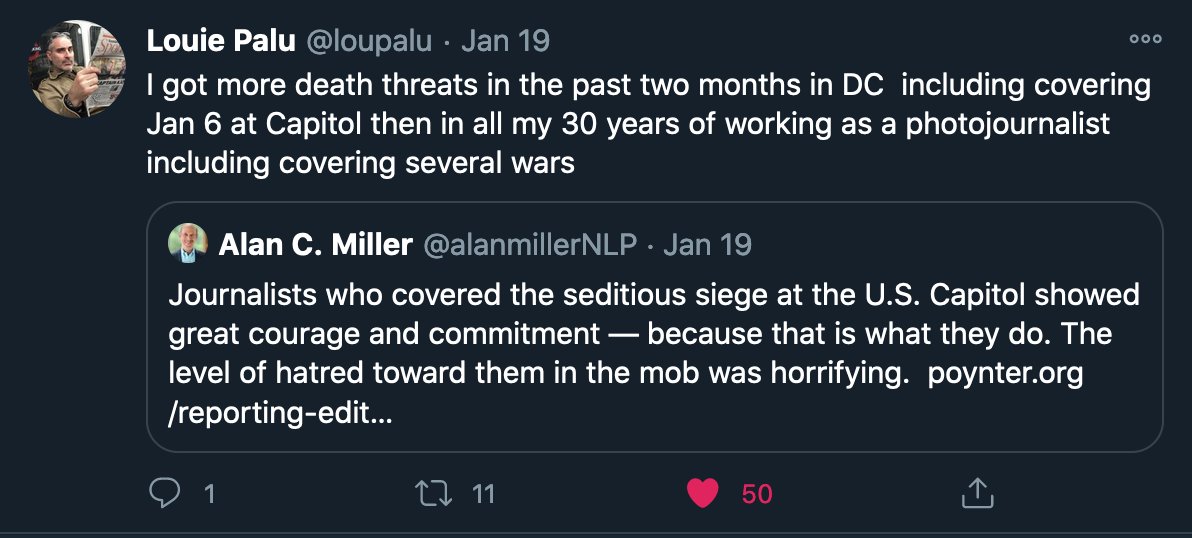
In the US, the insurrectionists carved “murder the media” into a door at the Capitol, in keeping with Trump rhetoric. Canadian photojournalist
@loupalu says he’s never faced so many death threats.
TV journalists were chased off as their equipment was smashed. Associated Press photographer
@johnminchillo was chased and shoved over a ledge. The mob stole a camera and id from NYT’s
@erinschaff, smashed a lens and shoved her to the ground.
https://t.co/aPrQfrvv34
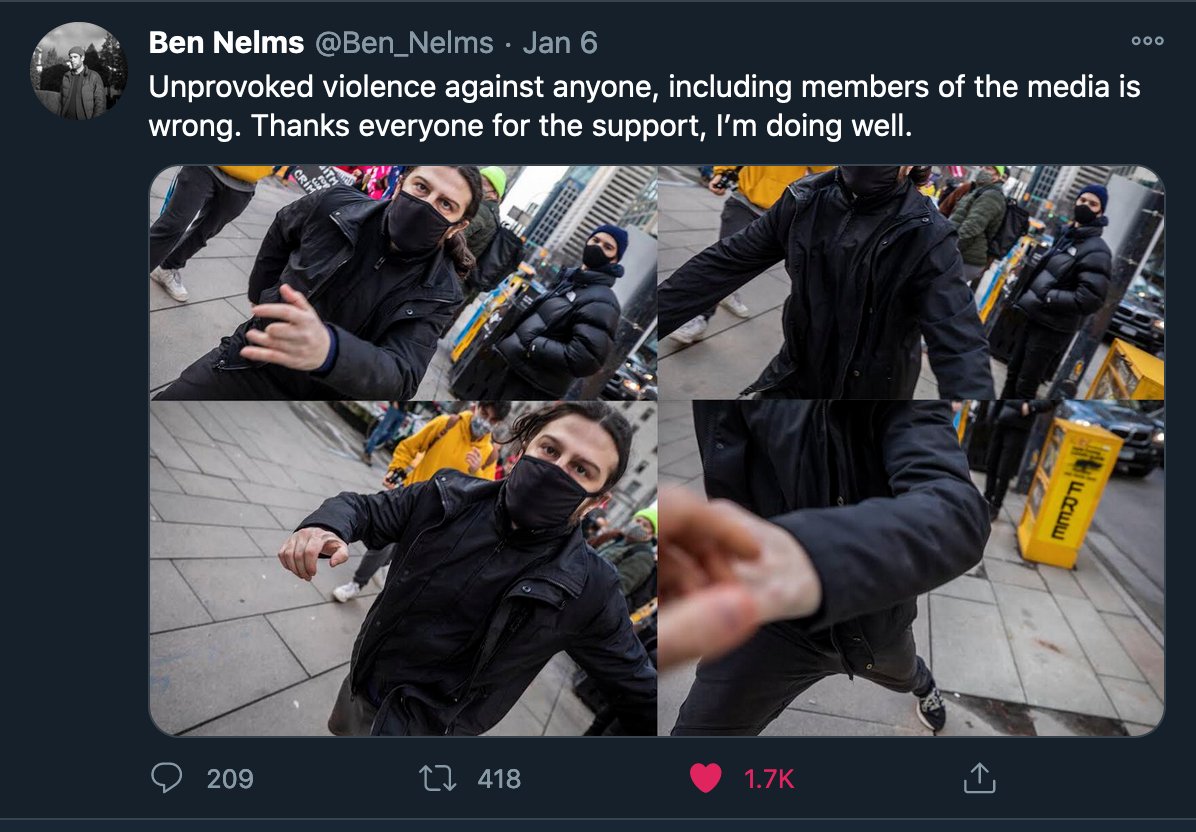
Canada is not immune to this hellscape either. I’ve never been sucker punched like CBC photojournalist
@Ben_Nelms was at a recent Trump rally in Vancouver, but I’ve felt distinctly unsafe at similar rallies in Edmonton.
Covering the pandemic has been haaard. In the beginning, there was the struggle to understand it and to source PPE. Ongoing is the need to weigh everyone’s safety against the story and, the need to work. Esp hard for germaphobes. And remember, no sick days, no health insurance.
I’ve lost lots of cheques to this arithmetic and also had to choose work over seeing family, to limit exposures while I tried to make up for my decimated income. While writers worked from home, everyone was afraid to assign photographers, esp in the beginning.
Freelancer
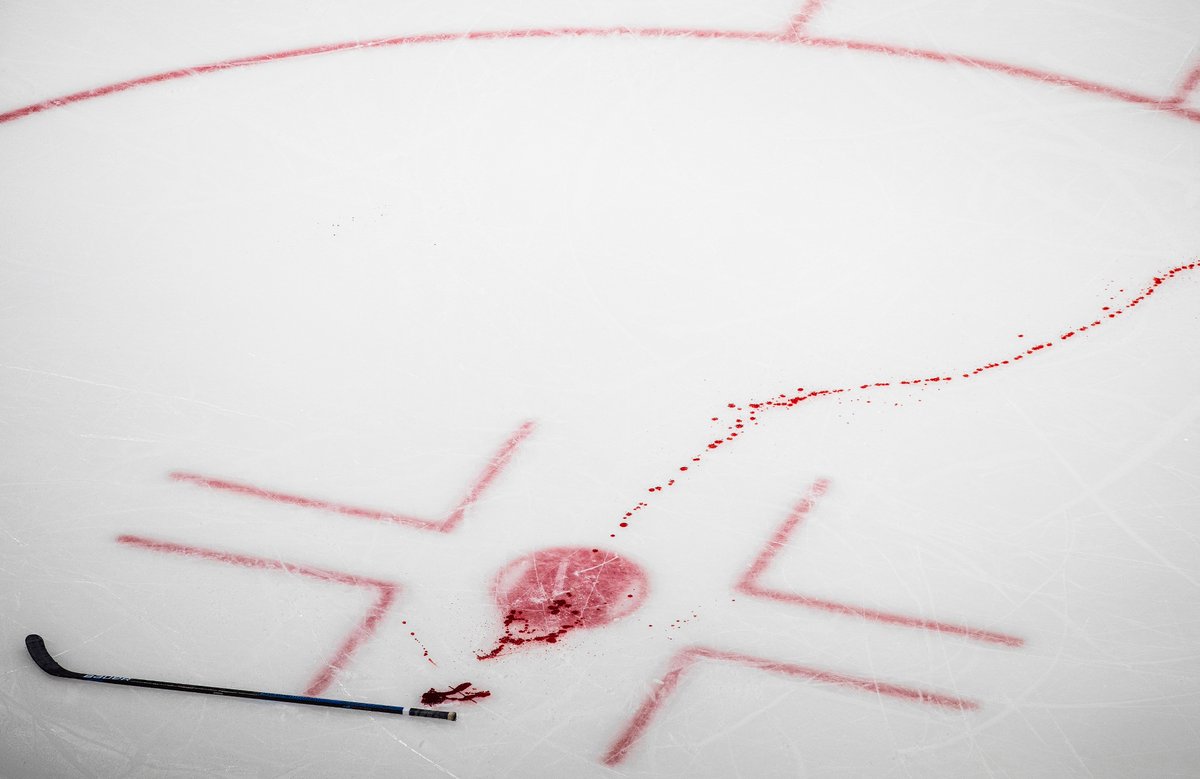
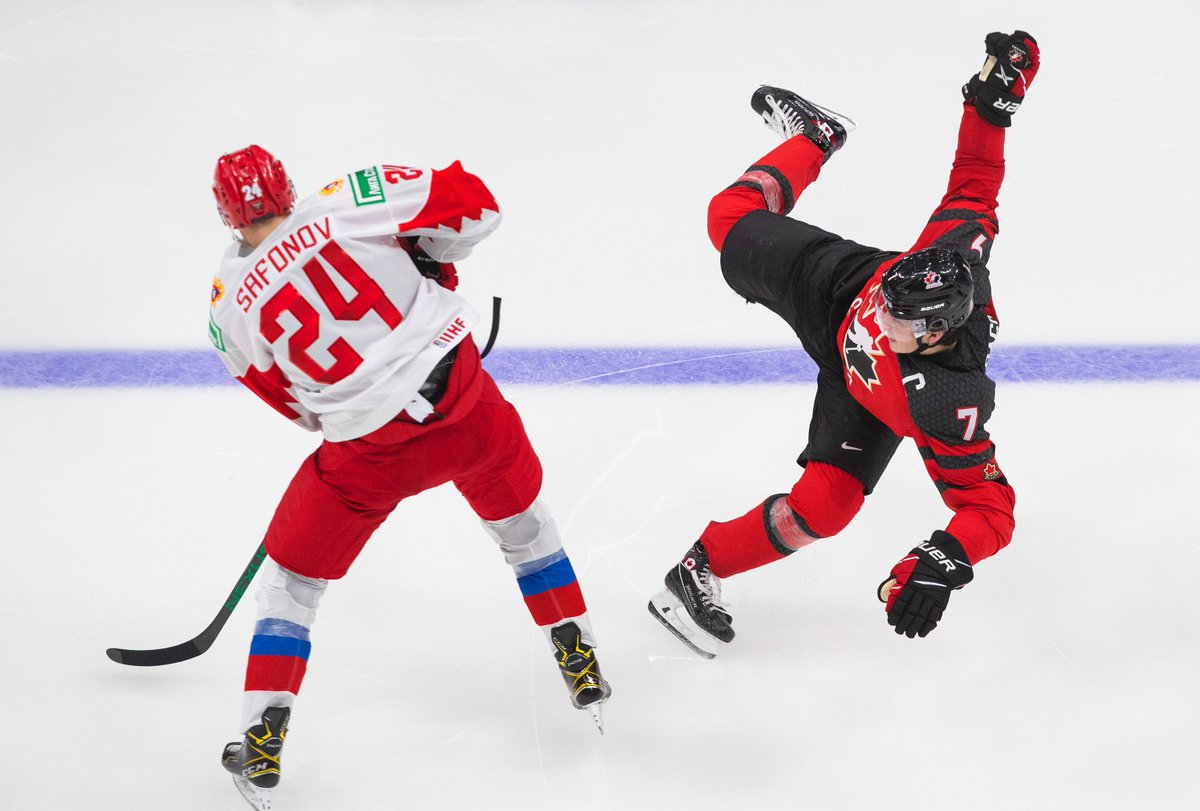
@JasonFranson, who’s also my partner, saw his entire years worth of sports work dry up overnight. Fortunately the NHL bubble came to Edmonton and he worked approx 60 days straight, up to 13 hours a day, to cover 82 games.
I also lost him for Christmas and New Years to the World Juniors, which I totally don’t resent at all. For real though, we were really grateful for the hockey work coming back, it would have been ugly without that.
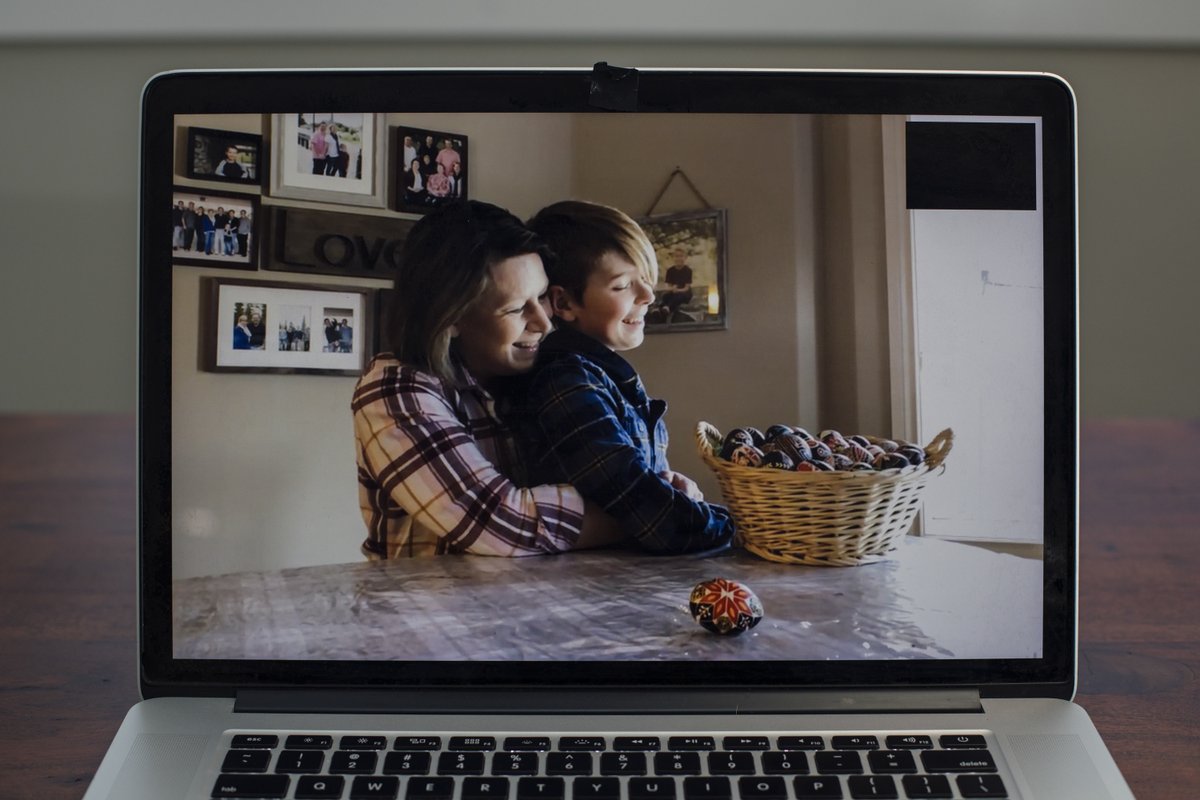
I did do a few unique remote assignments, basically directing people through facetime to take their own photos. I’d be miserable as a realtor but this year had me quite seriously googling the business of selling houses.
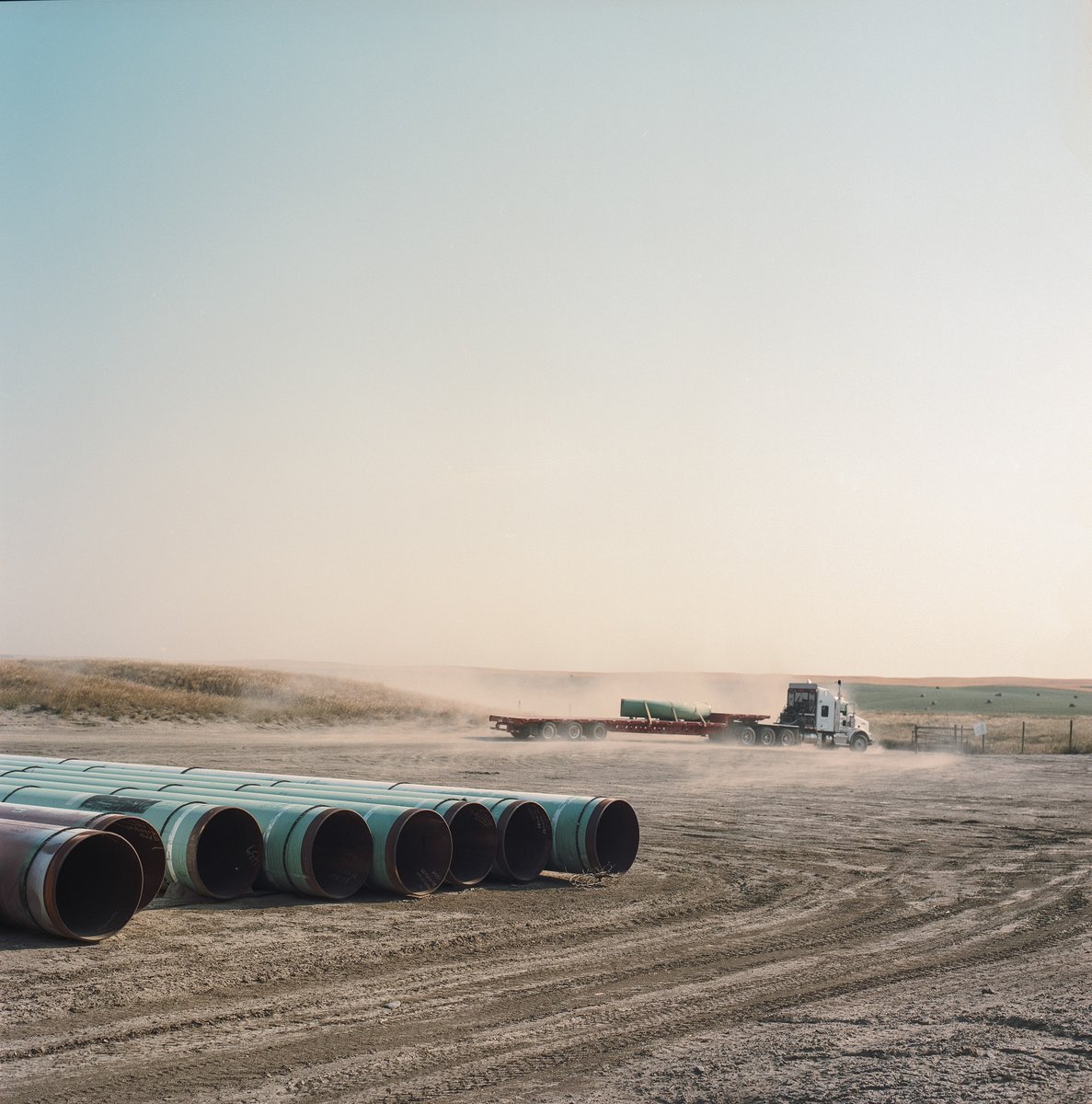
Instead, I was able to work with
@_lbutetroch and
@sarahyltonphoto on
@natgeo COVID grant about how oil and gas infrastructure has continued throughout the lockdowns. We teamed up to limit travel risk, plus we tested and isolated for safety.
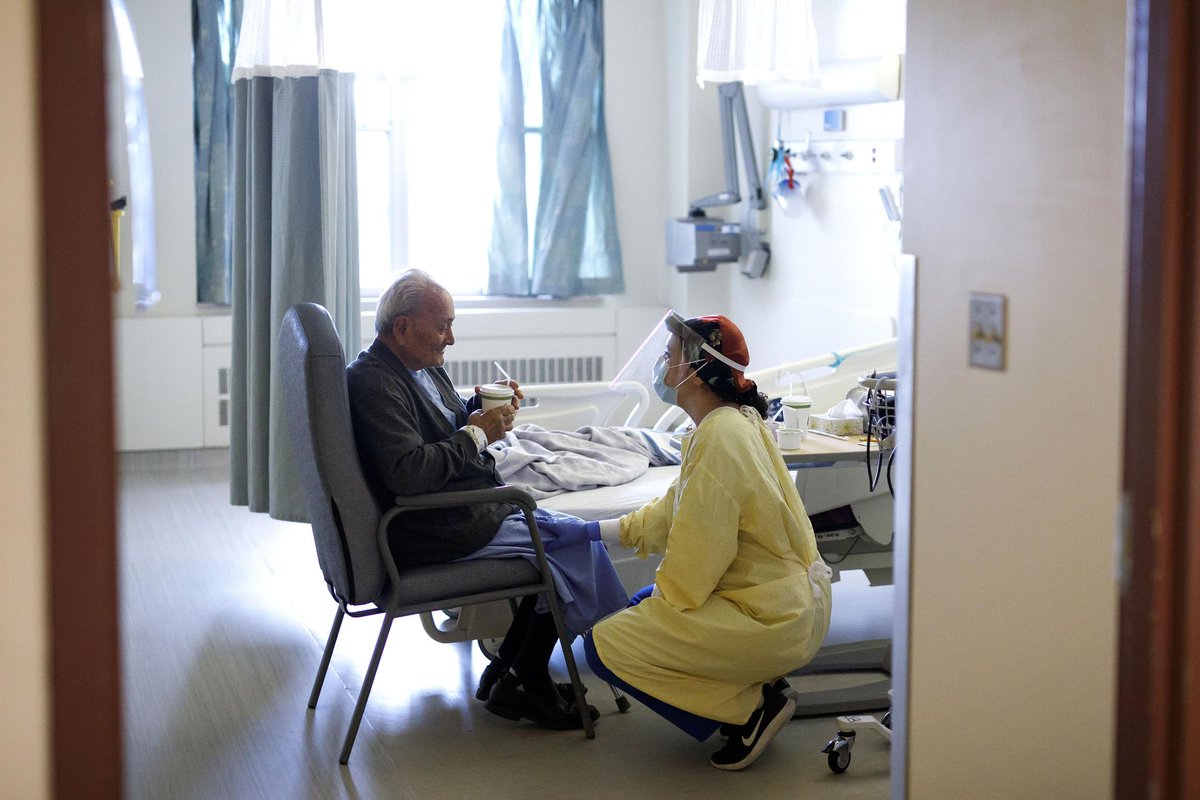
While most Canadian COVID treatment has been no-media-allowed, freelancer
@cburst was one of a handful who helped negotiate access to a hospital and testing site. He planned his own isolation (unpaid) and testing to cover this critical story safely.
Freelancer
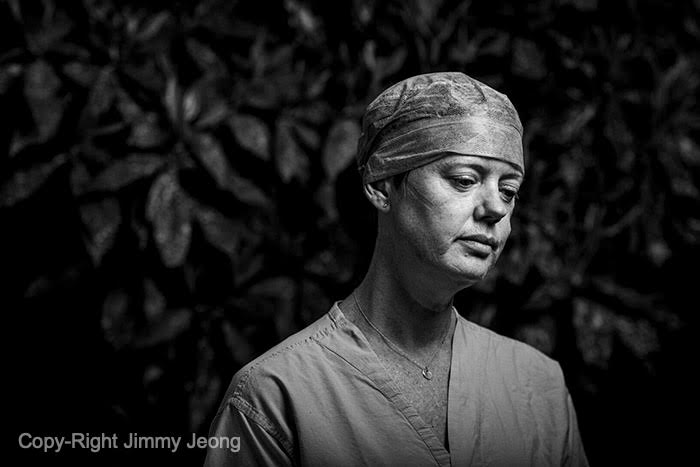
@jimmyshootz petitioned for a month to tell the story of the hardworking frontline workers. In the end he was allowed to set up in a courtyard and made his portraits—including exhausted nurse Robynne Peters. Her own mother passed away from COVID-19.
Montreal based freelancer
@laurencephilome says the pandemic has caused them to be much more aware of their status as a chronically ill person, and everything that comes with it. The photo was made a month into home isolation, as part of their ongoing project “Puberty”.
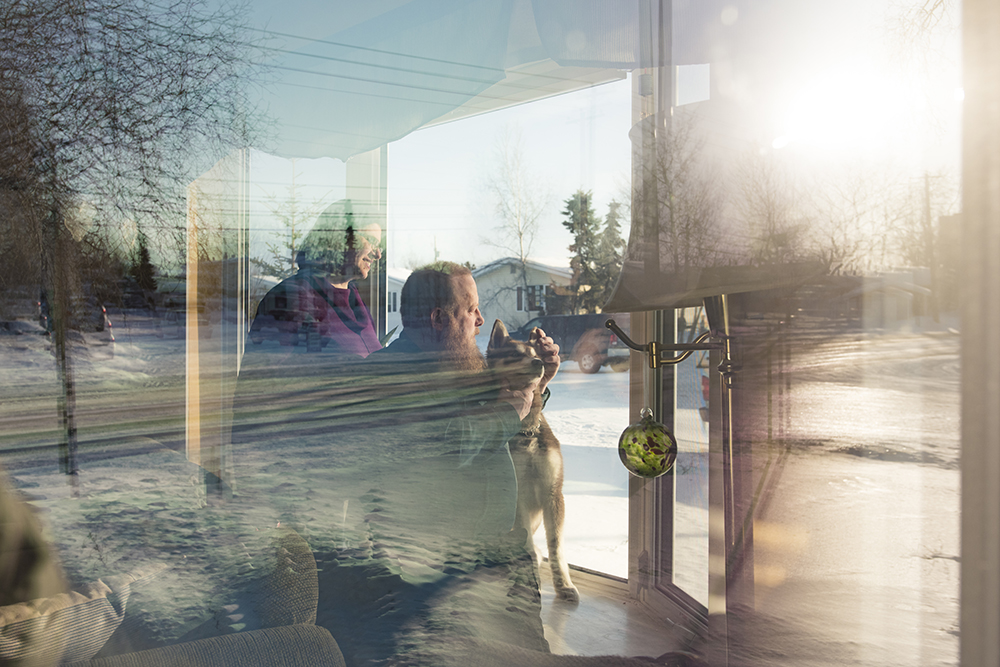
When his normally social community of Yellowknife hit lockdown, freelancer Pat Kane started a series of “window portraits”, as a way to document the very strange period of isolation—his work kicked off the trend in Canada.
https://t.co/u0Phdp9Yoy
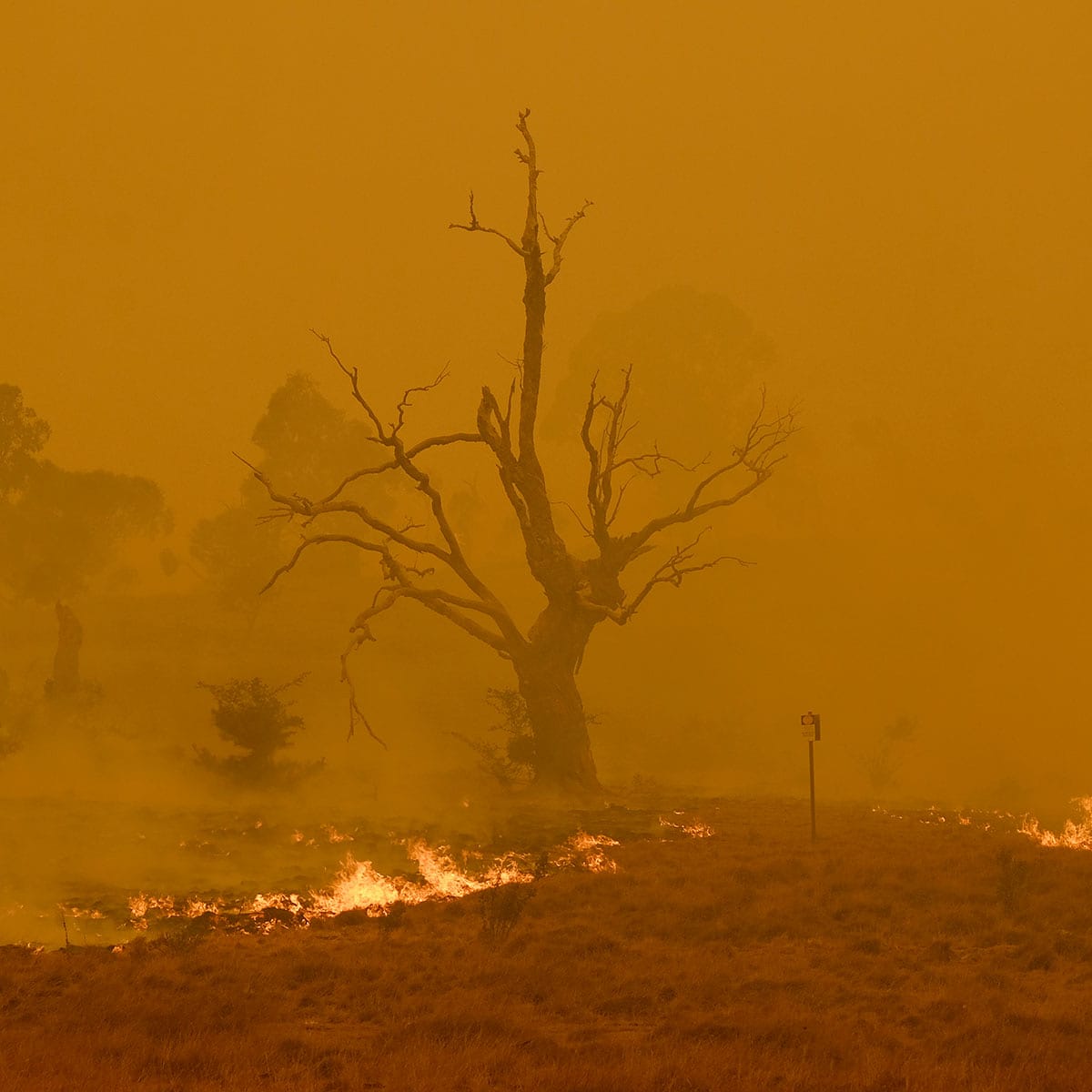
Freelancer Jennifer Osborne was covering the Australian wildfires, when the pandemic struck. She was supposed to leave in May, but was told by the government to return in March. Jen’s airline cancelled her ticket—no refund. Her $2000 replacement ticket was out of pocket.
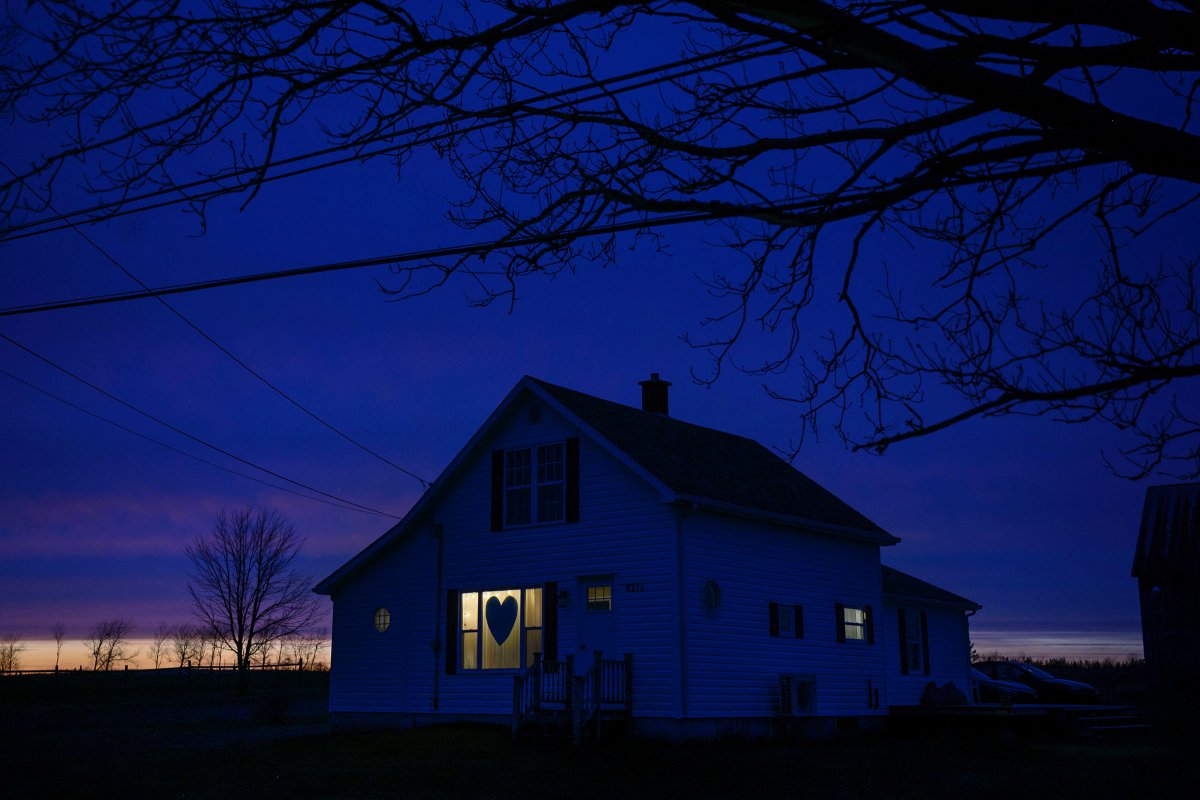
During the worst mass shooting in Canadian history, freelancer
@DBCalabrese hit the streets even as the gunman was still on the loose outside of Halifax. He also covered months of emotional aftermath. Again, without any health or mental health support.
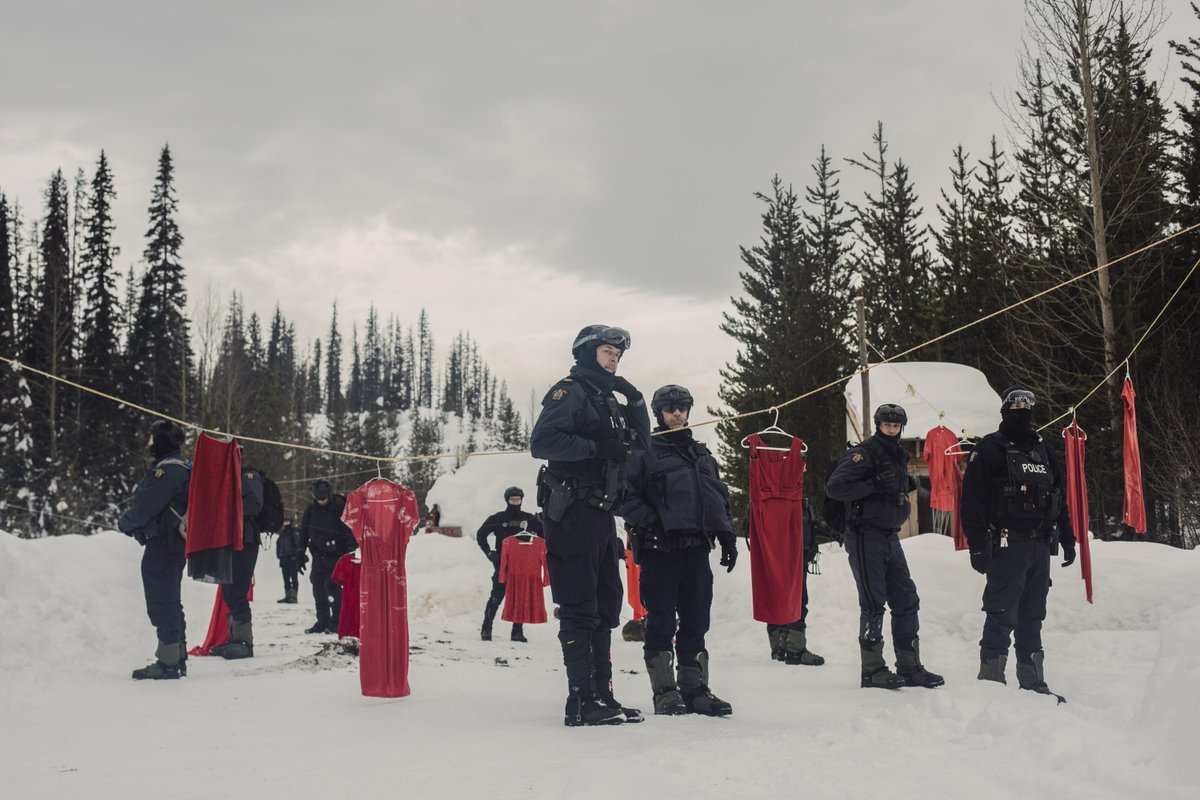
At the very start of 2020, I covered the Wet’suwet’en resistance to Coastal GasLink. Police refused to clarify whether or not media was subject to arrest in the pending injunction enforcement—huge shout out to
@reporteremma and
@carollinnitt @thenarwhalca for having my back.
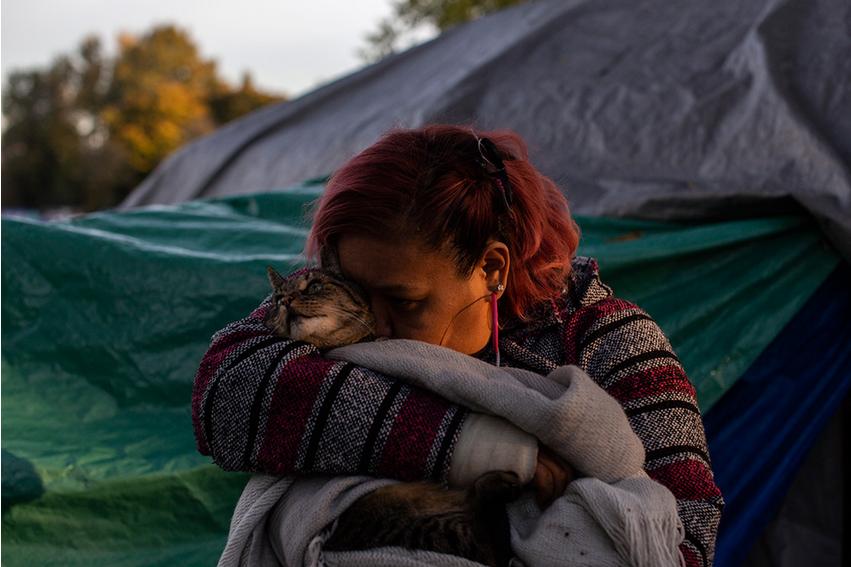
@jwints covered that too but he spent a lot of the last year photographing the opioid epidemic in Vancouver. He had to take extreme caution for people’s health but also battled for access, as many gov orgs used the pandemic to justify shutting the media out.
What else you got? I’d love to hear from other photojournalists—how have you all been? What have you been doing?
If all of that important work sounds lonely and stressful, it is. Unsurprisingly, 72% of respondents to the UPOC survey said that working as a freelance photojournalist had a negative impact on their mental health.
Here is exactly why we need a bigger conversation about freelance—during such historic moments, we need frontline stories more than ever but it’s not fair or even realistic for individuals to bear all of that risk alone. WE WANT TO DIG DEEPER AND DO MORE—Canada needs that.
Most of us are freelancers, yet freelancers are the only labour group without representation. No union, no central body advocates for us. We don’t quite fit with our writer colleagues. We love ya’ll but you don’t really “get” us most of the time.
Where was I—@PhotojsUnited! Ok, so, in the beginning all we were was a loose email chain of photographers. When the Globe and Mail came out with a new contract,
@JimmyShootz saw an opportunity for us to have group input. That conversation made it clear there is more work to do.
To back up for a minute, all the main outlets have standard contracts they work with that set usage terms, indemnity and establish ownership etc etc. A lot of these contracts are way less than ideal for photographers but it can be exhausting and unfruitful negotiating them alone.
Recent example: an outlet wanted to license a photo from me. All was good until they sent the standard contract, which includes extensive rights to reuse, and even to sell my picture with no further compensation or consent.
This is massively problematic, for the financial side but also because if I sign, I’ve lost all editorial input on my work. Photos taken out of context can lose their meaning, so for sensitive work especially, I am not comfortable leaving it at the whims of a corporate archive.
The editor I was dealing with had no intention of reselling my image, but their contract gave them and all their colleagues the right to. The effort to change terms was just not going to happen for one lonely deal. As a result, I lost a sale I really needed during the lockdown.
@PhotojsUnited is organizing to collectively address contracts, stagnant rates, and working conditions, to increase the minimum standards in Canada. We are not a union. Labour laws do not currently recognize freelancers as a union. But we are still stronger together.
Canada is a unique labour market because it's relatively small—you could probably play the Kevin Bacon game just about any photojournalist—and it relies on freelancers. We are the majority of this workforce.
That's why we are really focused on building community. We are checking in on freelancers across the country, getting feedback on
@PhotojsUnited and sharing our manifesto. We want a truly representative organization that supports people at every stage of their career
You would think after all that complaining, I would be done, but there is SO MUCH MORE. Seriously, this is really just an overview and there is plenty more to discuss but I don’t want to wear out my welcome (thank you
@fatimabsyed, @caj!)
Besides, complaining is one of my love languages—I wouldn't say so unless I cared. We are in this because we love this work, we believe in our community and we just want to help photojournalism, and media, survive. We won't be quiet about it anymore.
While we build our charter and prep for our first election, our acting exec is
@EwokSpock ,
@martaiwanek, @cburst, @JimmyShootz ,
@jwints and myself
@photobracken. That's it for me today, please get in touch with questions and to get involved, and try and be good to yourself.