But what if that wasn't true?
This is a piece I've been thinking about for a long time. One of the most dominant policy ideas in Washington is that policy should, always and everywhere, move parents into paid labor. But what if that's wrong?
But what if that wasn't true?
I appreciate his intellectual curiosity and effort. I have quibbles. But my big disappointment is there was no mention of unintended consequences, which we discussed and which are kind of THE core conservative concern on this issue.
— \U0001d682\U0001d68c\U0001d698\U0001d69d\U0001d69d \U0001d686\U0001d692\U0001d697\U0001d69c\U0001d691\U0001d692\U0001d699 (@swinshi) February 18, 2021

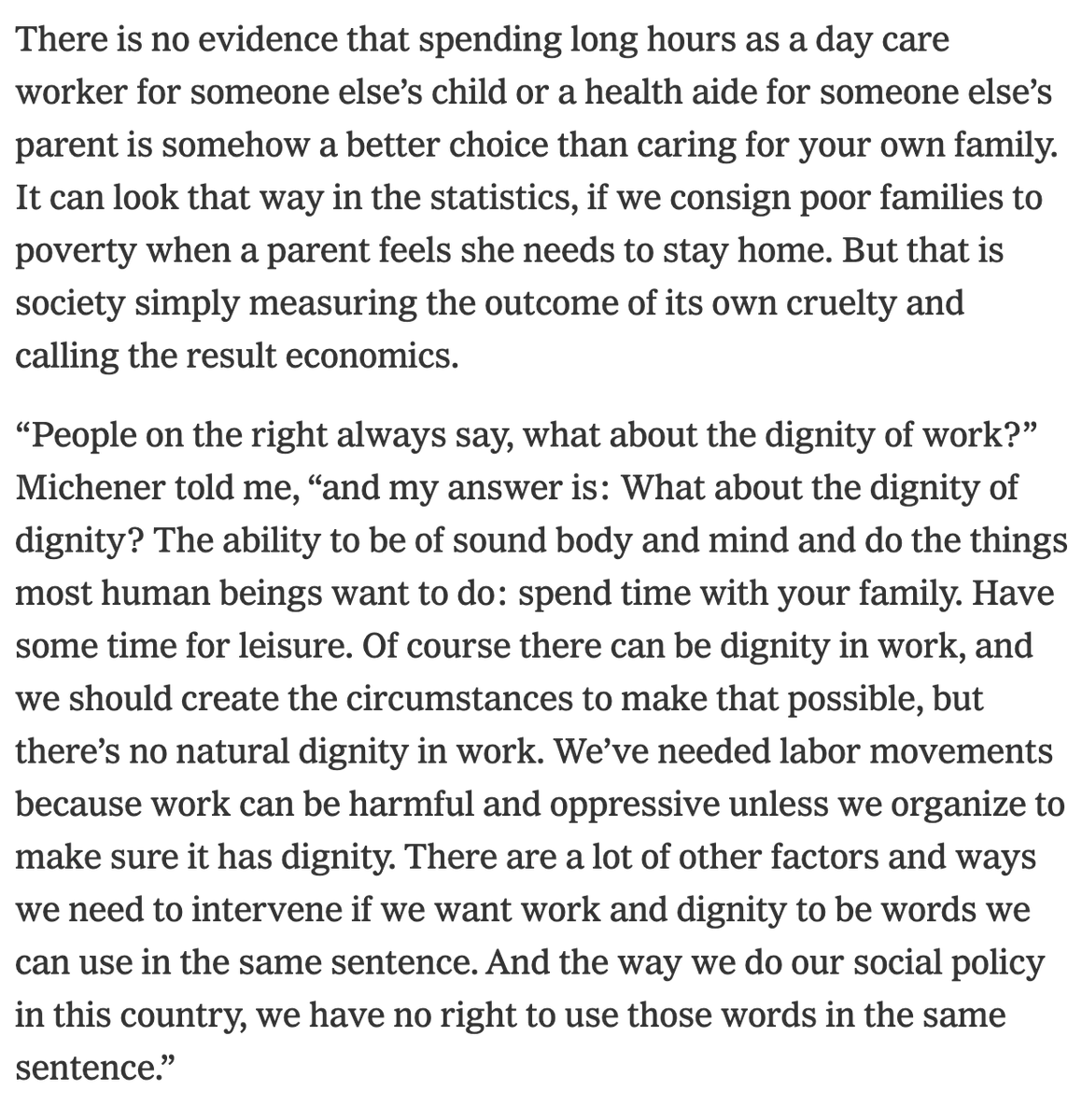
More from Ezra Klein
This is a good @mattyglesias post about techno-politics but I want to quibble with the part of it that’s about my essay on the policy feedback loops you can build by Just Helping People Fast. Matt writes: https://t.co/MuBlgQV6LW
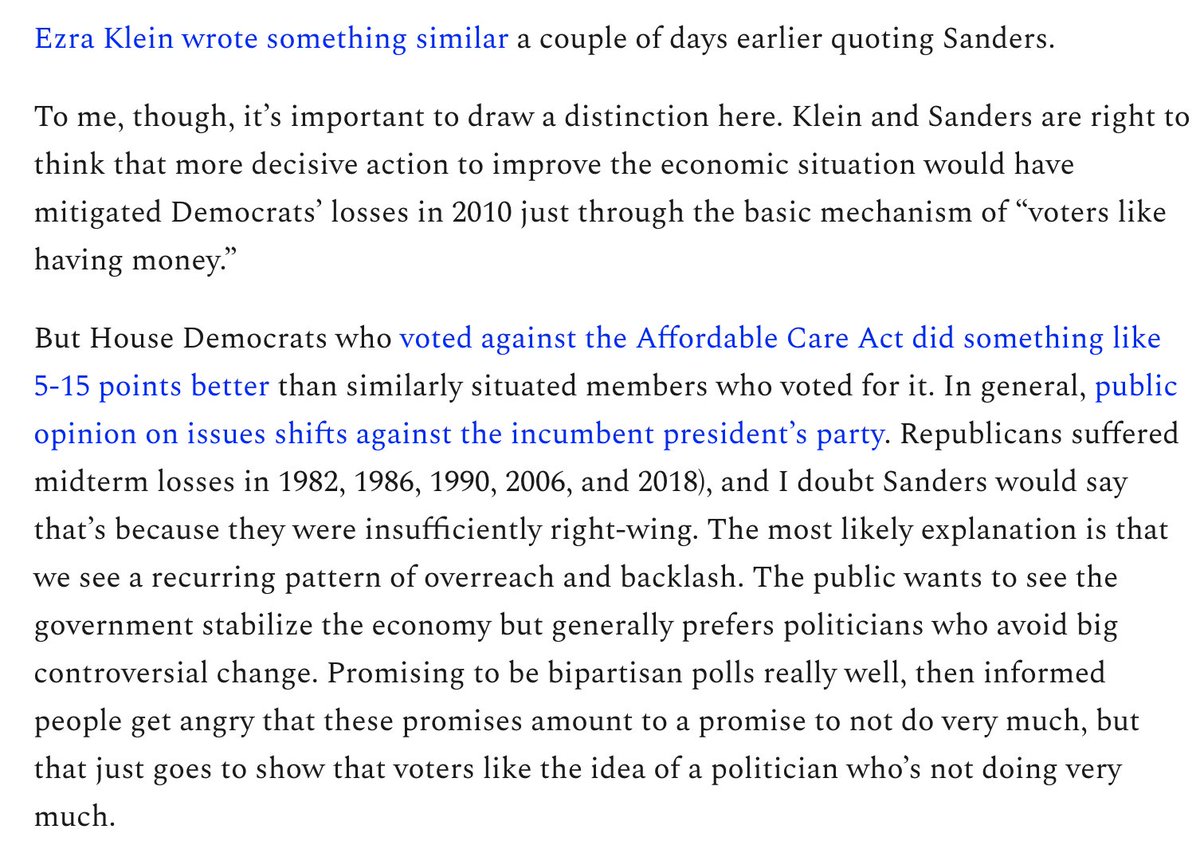
Over at Mischiefs of Faction, @Smotus makes a similar point: https://t.co/al6fS5tZXP
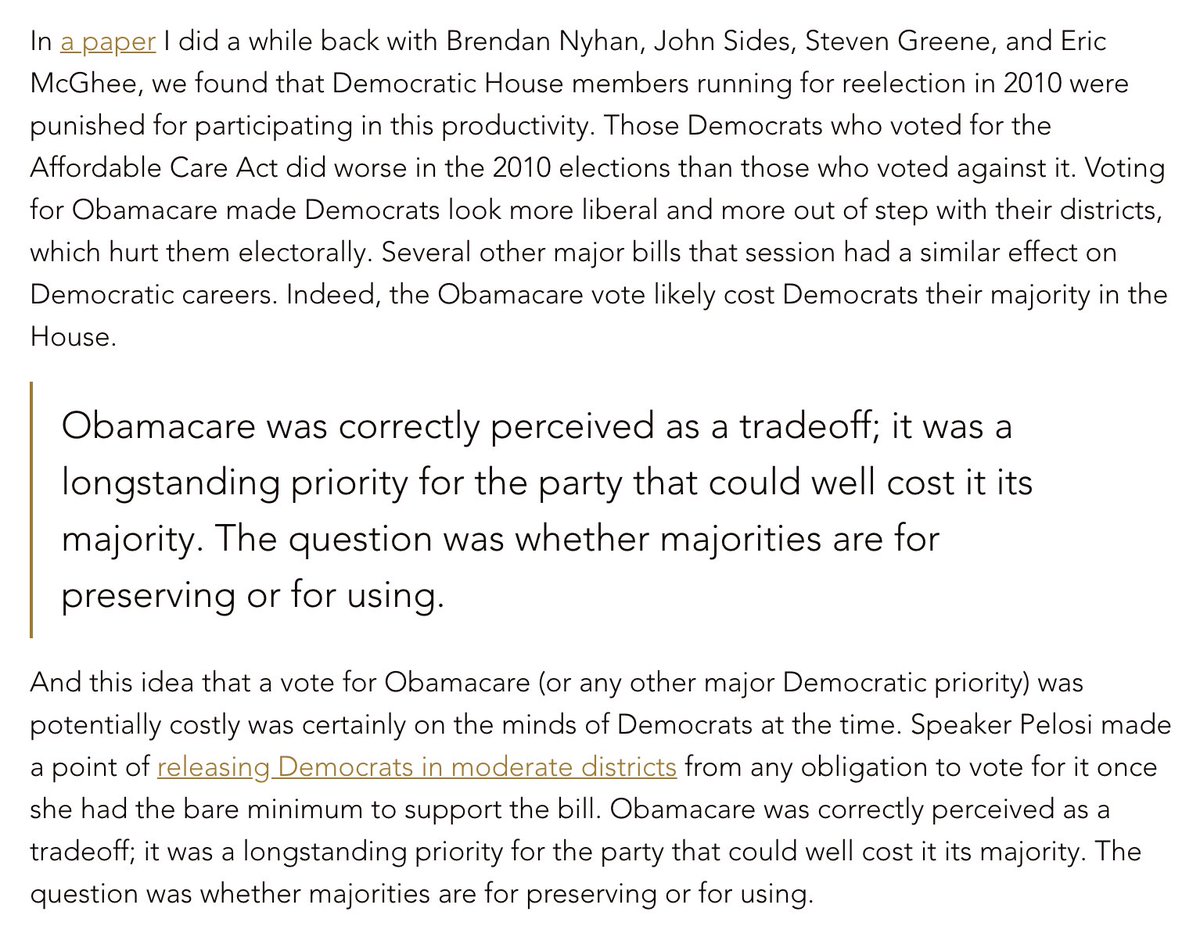
I want to be clear here: I’m saying that the Affordable Care act was, from a political perspective, badly designed, and that *a different health care plan* might’ve led to a better Dem performance in 2010. But these arguments don't grapple with that.
To @Smotus’s point, Pelosi released those House Democrats at the end, not the beginning. Having covered the beginning of this, I can tell you a lot of those Democrats thought a bipartisan health care bill would be great politics for them!
But they didn’t get that.
This is key. The ACA was built on the political theory that:
1. Bipartisan policy is easier to pass — and more popular once passed.
2. Working off of the Heritage Foundation/Romney template could get you a bipartisan health bill.
1 was probably right. 2 was utterly wrong.
Over at Mischiefs of Faction, @Smotus makes a similar point: https://t.co/al6fS5tZXP
I want to be clear here: I’m saying that the Affordable Care act was, from a political perspective, badly designed, and that *a different health care plan* might’ve led to a better Dem performance in 2010. But these arguments don't grapple with that.
To @Smotus’s point, Pelosi released those House Democrats at the end, not the beginning. Having covered the beginning of this, I can tell you a lot of those Democrats thought a bipartisan health care bill would be great politics for them!
But they didn’t get that.
This is key. The ACA was built on the political theory that:
1. Bipartisan policy is easier to pass — and more popular once passed.
2. Working off of the Heritage Foundation/Romney template could get you a bipartisan health bill.
1 was probably right. 2 was utterly wrong.
So I'd recommend reading this thread from Dave, but I thought about some of these policies, and how they fit into the whole, a lot, and want to offer a different interpretation.
I think California is world leading on progressivism that doesn't ask anyone to give anything up, or accept any major change, right now.
That's what I mean by symbolically progressive, operationally conservative.
Take the 100% renewable energy standard. As @leahstokes has written, these policies often fail in practice. I note our leadership on renewable energy in the piece, but the kind of politics we see on housing and transportation are going foil that if they don't change.
Creating a statewide consumer financial protection agency is great! But again, you're not asking most voters to give anything up or accept any actual changes.
I don't see that as balancing the scales on, say, high-speed rail.
CA is willing to vote for higher taxes, new agencies, etc. It was impressive when LA passed Measure H, a new sales tax to fund homeless shelters. And depressing to watch those same communities pour into the streets to protest shelters being placed near them. That's the rub.
It's very in vogue to bash California and this doesn't even reach to some things that deserve scorn, like the continuing control of the Western States Petroleum Association and the state Chamber of Commerce in policymaking. And yet-https://t.co/vHZ6GM7QF8
— David Dayen (@ddayen) February 11, 2021
I think California is world leading on progressivism that doesn't ask anyone to give anything up, or accept any major change, right now.
That's what I mean by symbolically progressive, operationally conservative.
Take the 100% renewable energy standard. As @leahstokes has written, these policies often fail in practice. I note our leadership on renewable energy in the piece, but the kind of politics we see on housing and transportation are going foil that if they don't change.
Creating a statewide consumer financial protection agency is great! But again, you're not asking most voters to give anything up or accept any actual changes.
I don't see that as balancing the scales on, say, high-speed rail.
CA is willing to vote for higher taxes, new agencies, etc. It was impressive when LA passed Measure H, a new sales tax to fund homeless shelters. And depressing to watch those same communities pour into the streets to protest shelters being placed near them. That's the rub.
What we're seeing from Trump and his allies today is an autocratic attempt. It's not a competent one, and it probably won't be an effective one. But that's what it is. And far worse would follow if it succeeded.
As @mashagessen explained in this interview, using Balint Magyar's framework, an autocratic attempt is "the first stage when autocracy is still reversible by electoral means."
The point is to make the regime's rule irreversible by electoral means, which is explicitly what Trump, et al, are trying right now.
"Then, at some point, there comes the autocratic breakthrough when you can no longer use electoral means to reverse that autocracy."
"Then autocratic consolidation, where it’s just consolidating ever more power and money, making it ever less possible to change."
There is an element of farce to Trump's tweets, his actions, his cronies. It makes it easy for many to discount what he's actually saying, and trying. https://t.co/GwC3KGbpkC
It's fitting for the internet era, when the worst ideas and figures come layered in irony.
STOP THE COUNT!
— Donald J. Trump (@realDonaldTrump) November 5, 2020
As @mashagessen explained in this interview, using Balint Magyar's framework, an autocratic attempt is "the first stage when autocracy is still reversible by electoral means."
The point is to make the regime's rule irreversible by electoral means, which is explicitly what Trump, et al, are trying right now.
"Then, at some point, there comes the autocratic breakthrough when you can no longer use electoral means to reverse that autocracy."
"Then autocratic consolidation, where it’s just consolidating ever more power and money, making it ever less possible to change."
There is an element of farce to Trump's tweets, his actions, his cronies. It makes it easy for many to discount what he's actually saying, and trying. https://t.co/GwC3KGbpkC
It's fitting for the internet era, when the worst ideas and figures come layered in irony.
— Brian Beutler (@brianbeutler) November 5, 2020
More from Society


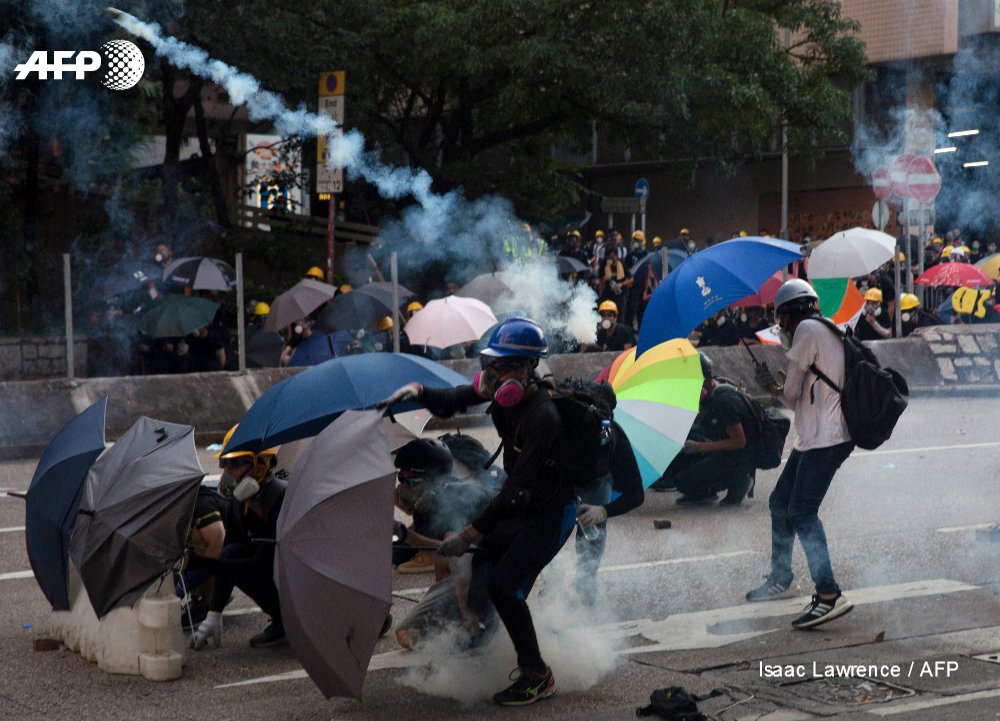
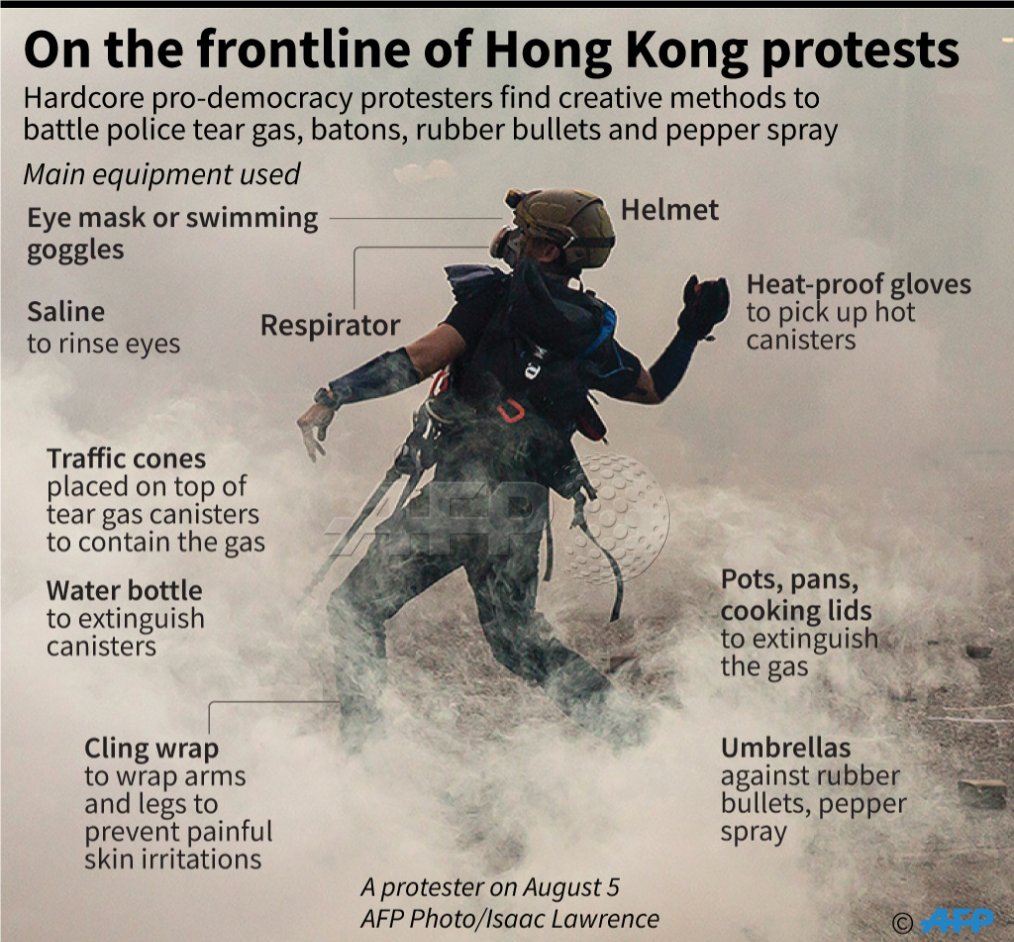
Hong Kong protester equipment list:
- respirator (dubbed "pig snouts" in Cantonese)
- helmet
- eye mask
- heat-proof gloves
- water bottle
- cling wrap
- saline
- traffic cones
- pots and pans
Demonstrators find creative methods to battle police tear gas
https://t.co/kPeUTu9iFh
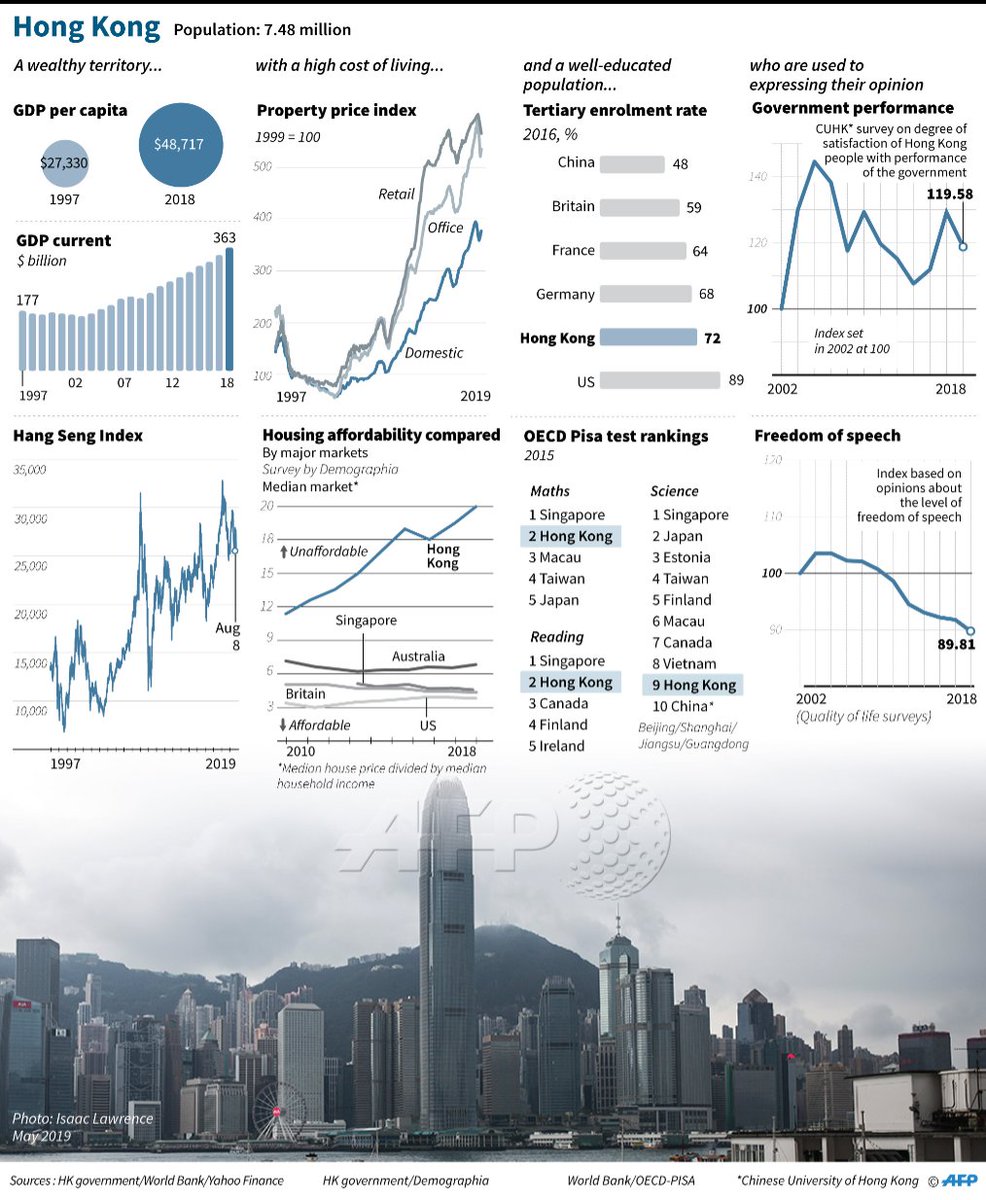
AFP graphic charting Hong Kong's main socio-economic indicators and opinion polls on press freedom and government performance
@AFPgraphics
AFP graphic showing the main equipment used by hardcore pro-democracy protesters in Hong Kong to battle police tear gas, pepper spray and rubber bullets
@AFPgraphics
Frontline first aid.
Nurses, doctors, medical students and ordinary citizens with first aid training have clamoured to join a small volunteer corps helping treat people involved in the Hong Kong protests
@AFP's Yan Zhao reports: https://t.co/uDfYkMeZJf
📸 Anthony Wallace

Pro-democracy activists kick off three days of rallies at Hong Kong airport.
Protesters hope to win international support from arriving passengers. The last demonstration at the airport on July 26 passed off peacefully without causing flight disruptions
https://t.co/jmVqtEd4M2

- respirator (dubbed "pig snouts" in Cantonese)
- helmet
- eye mask
- heat-proof gloves
- water bottle
- cling wrap
- saline
- traffic cones
- pots and pans
Demonstrators find creative methods to battle police tear gas
https://t.co/kPeUTu9iFh
AFP graphic charting Hong Kong's main socio-economic indicators and opinion polls on press freedom and government performance
@AFPgraphics
AFP graphic showing the main equipment used by hardcore pro-democracy protesters in Hong Kong to battle police tear gas, pepper spray and rubber bullets
@AFPgraphics
Frontline first aid.
Nurses, doctors, medical students and ordinary citizens with first aid training have clamoured to join a small volunteer corps helping treat people involved in the Hong Kong protests
@AFP's Yan Zhao reports: https://t.co/uDfYkMeZJf
📸 Anthony Wallace
Pro-democracy activists kick off three days of rallies at Hong Kong airport.
Protesters hope to win international support from arriving passengers. The last demonstration at the airport on July 26 passed off peacefully without causing flight disruptions
https://t.co/jmVqtEd4M2



You May Also Like


BREAKING: @CommonsCMS @DamianCollins just released previously sealed #Six4Three @Facebook documents:
Some random interesting tidbits:
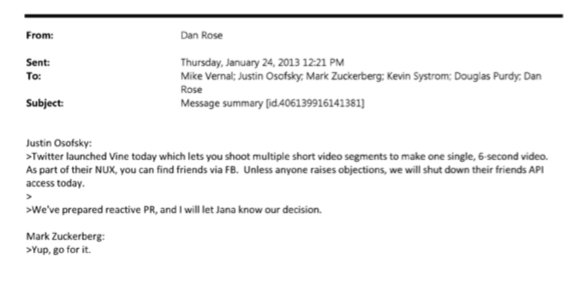
1) Zuck approves shutting down platform API access for Twitter's when Vine is released #competition
2) Facebook engineered ways to access user's call history w/o alerting users:
Team considered access to call history considered 'high PR risk' but 'growth team will charge ahead'. @Facebook created upgrade path to access data w/o subjecting users to Android permissions dialogue.
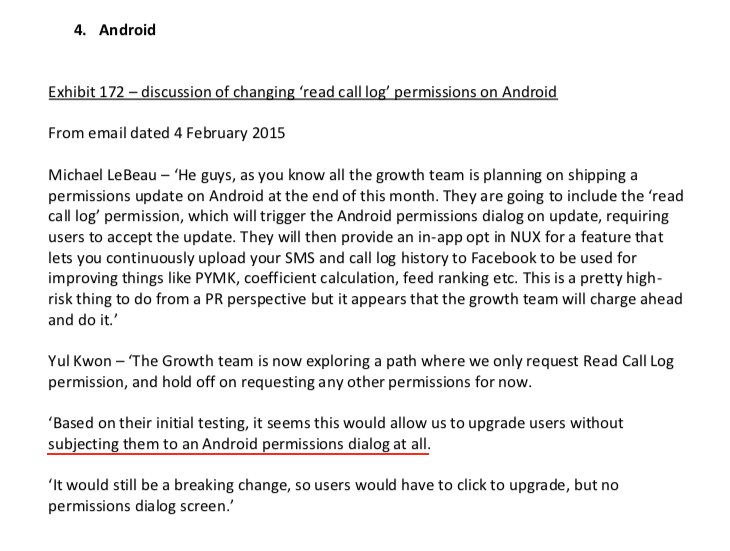
3) The above also confirms @kashhill and other's suspicion that call history was used to improve PYMK (People You May Know) suggestions and newsfeed rankings.
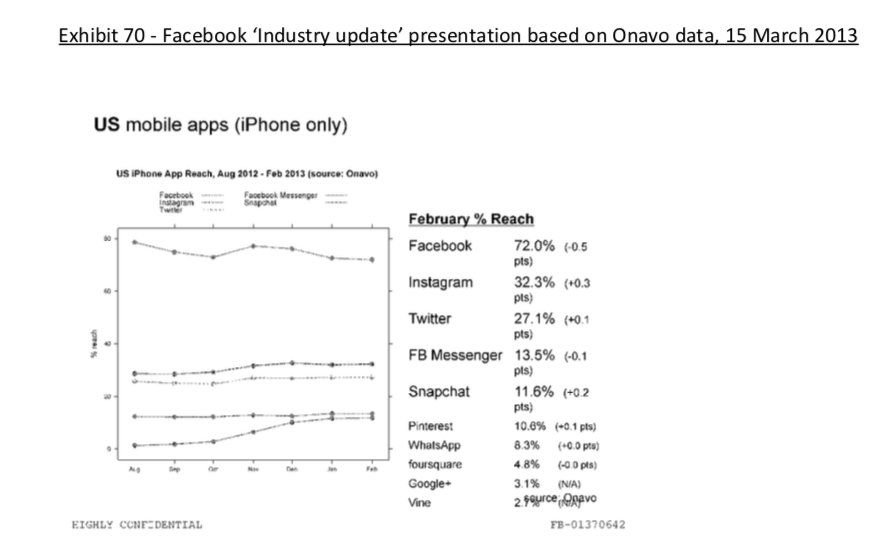
4) Docs also shed more light into @dseetharaman's story on @Facebook monitoring users' @Onavo VPN activity to determine what competitors to mimic or acquire in 2013.
https://t.co/PwiRIL3v9x
Some random interesting tidbits:
1) Zuck approves shutting down platform API access for Twitter's when Vine is released #competition
2) Facebook engineered ways to access user's call history w/o alerting users:
Team considered access to call history considered 'high PR risk' but 'growth team will charge ahead'. @Facebook created upgrade path to access data w/o subjecting users to Android permissions dialogue.
3) The above also confirms @kashhill and other's suspicion that call history was used to improve PYMK (People You May Know) suggestions and newsfeed rankings.
4) Docs also shed more light into @dseetharaman's story on @Facebook monitoring users' @Onavo VPN activity to determine what competitors to mimic or acquire in 2013.
https://t.co/PwiRIL3v9x