On #GitaJayanti, I prostrate before Sri Krishna for conceptualising the Bhagwad Gita, Ved Vyasa for compiling these powerful spiritual ideas, and Sri Aurobindo for taking them to the next level.
A thread...

The one shloka from the Bhagwad Gita that has dominated the 2020 discourse is on dealing with death:

नैनं छिन्दन्ति शस्त्राणि नैनं दहति पावकः ।
न चैनं क्लेदयन्त्यापो न शोषयति मारुतः ॥

Weapons cannot cleave it, nor the fire burn, nor do the waters drench it, nor the wind dry.
I have had to send these words of solace to many friends and relatives this year.
But finding solace requires us to read the Gita, live it.
Die the body will but death is only a passport to the next life, next evolution, the Bhagwad Gita tells us.
That’s how I read this shloka.
#GitaJayanti is a good day to read the Bhagwad Gita, one of 58 Gitas, of which 18 reside in the Mahabharata and the rest outside.
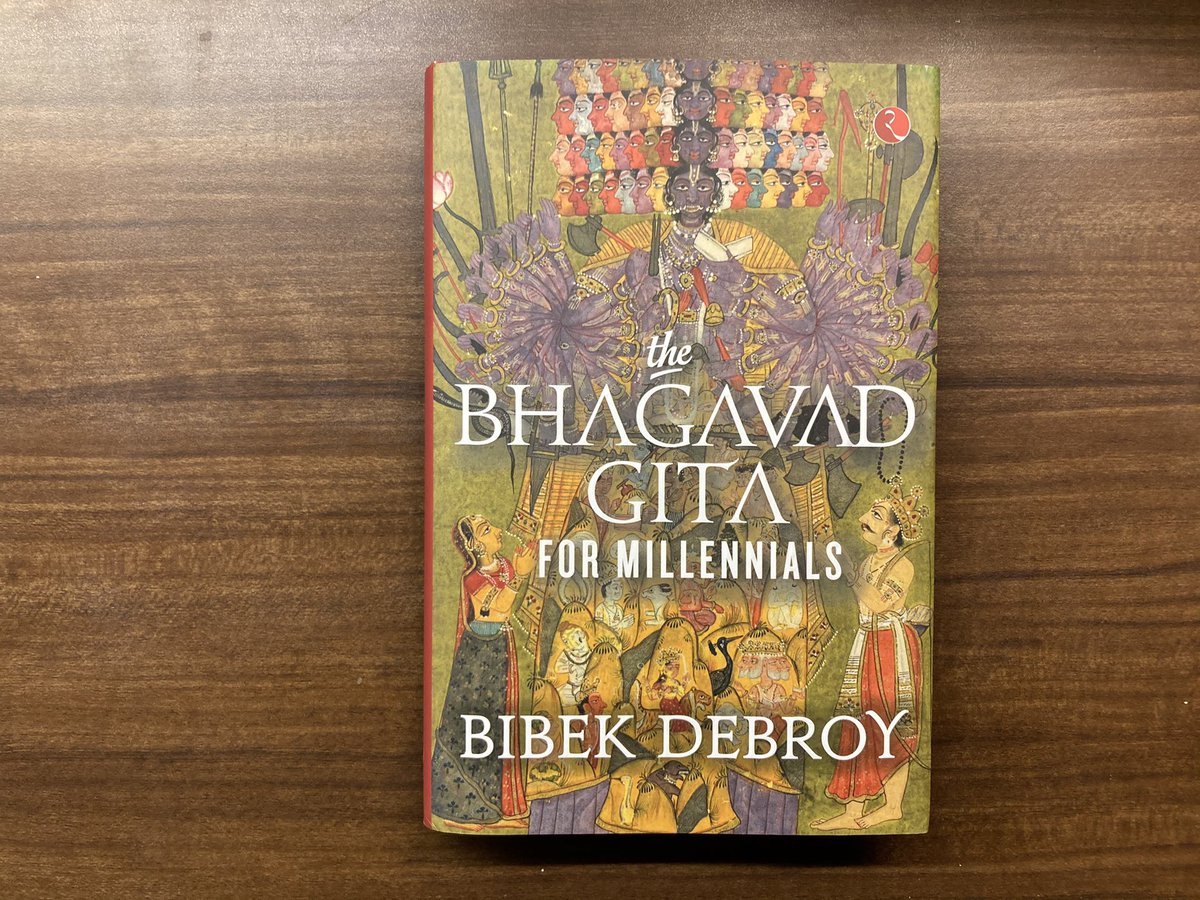
The Gitas in the Mahabharata and Ashtavakra Gita I knew; the rest have been enumerated by @bibekdebroy in his new book.
Depending on the engagement path and reading skill, every seeker will have a unique proclivity to the Bhagwad Gita and its expositions.
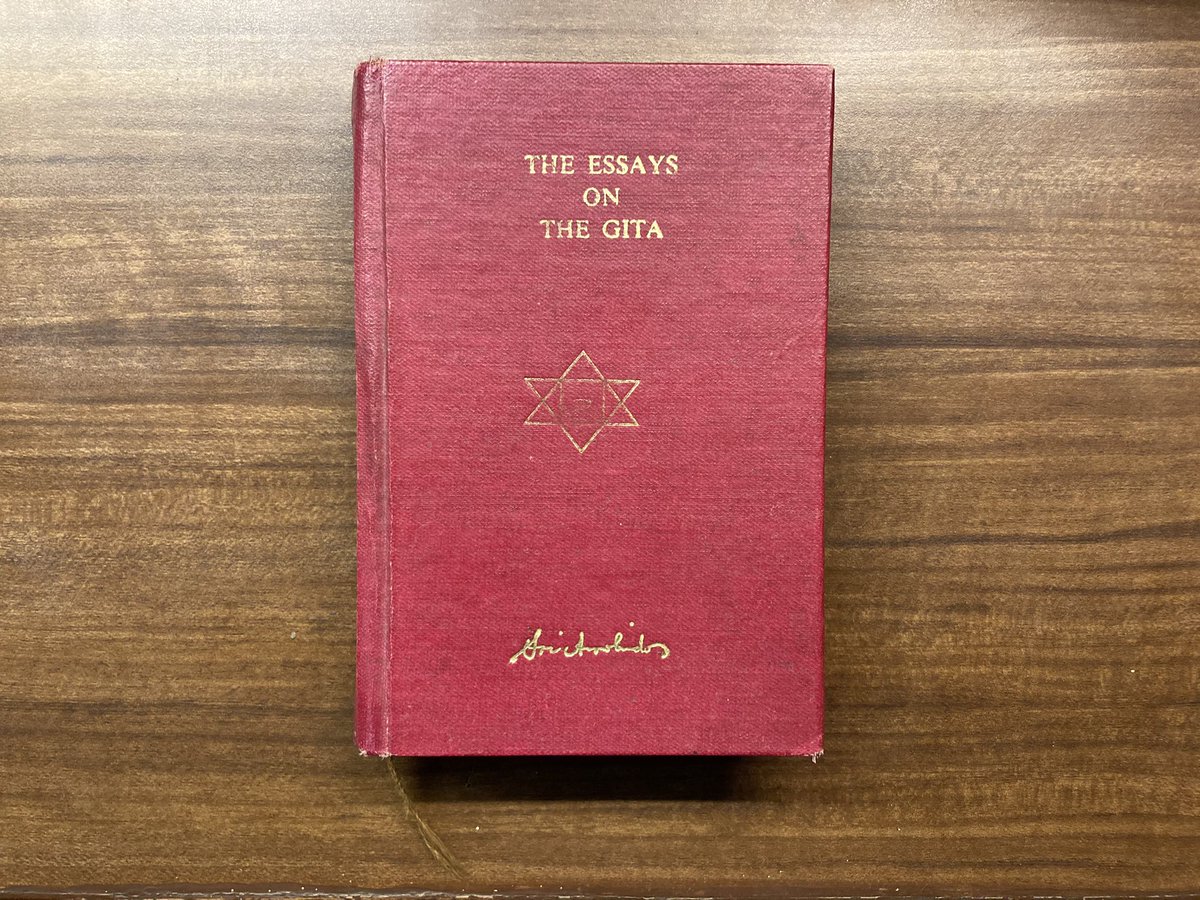
I find Sri Aurobindo’s Essays on the Gita the deepest, the widest and the loftiest modern interpretation of these ancient truths.
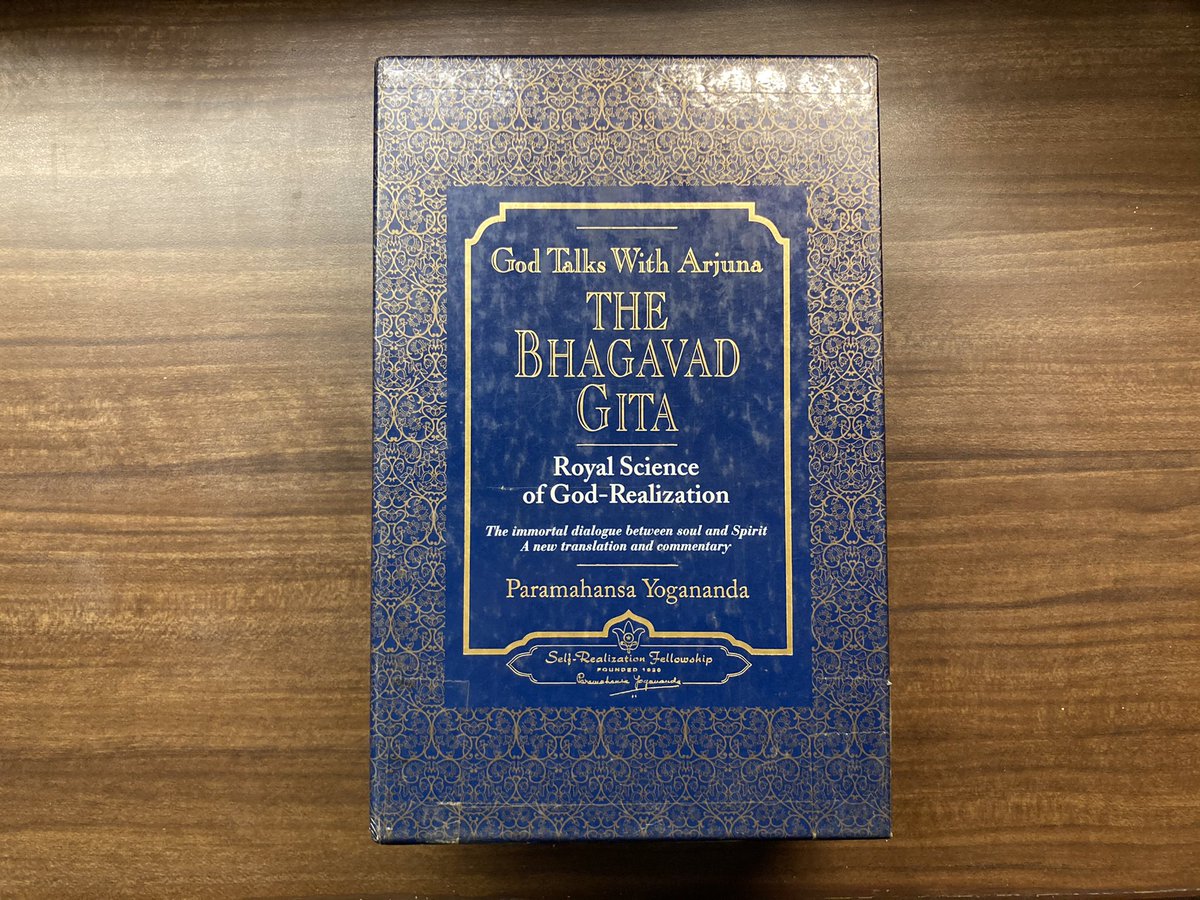
The Bhagwad Gita by Paramahansa Yogananda interprets the text through material symbolism of spiritual forces. Simplicity its signature, gentle its texture, these two volumes are an easy introduction.
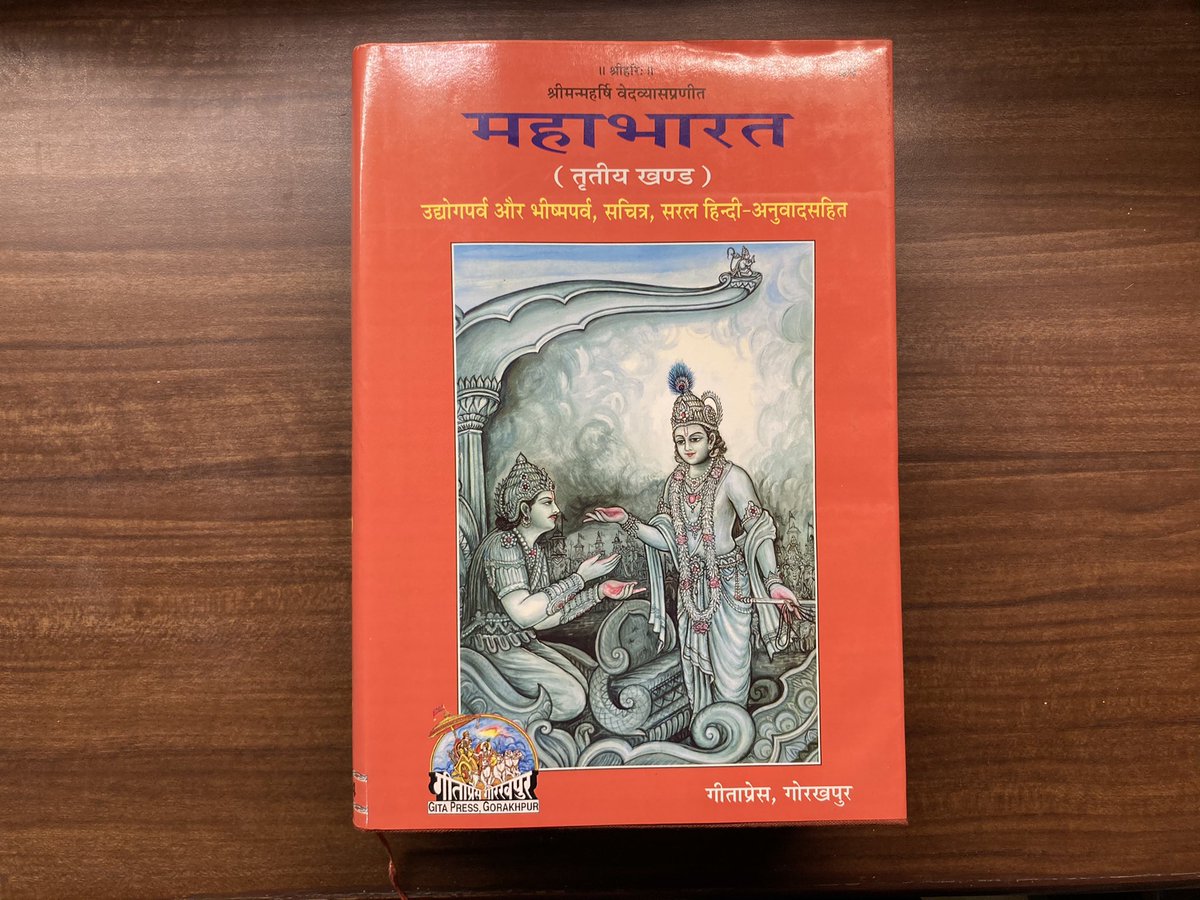
महाभारत by the Gita Press is my go-to text for Sanskrit-Hindi version. The Bhagwad Gita is situated in the तृतीय खण्ड।
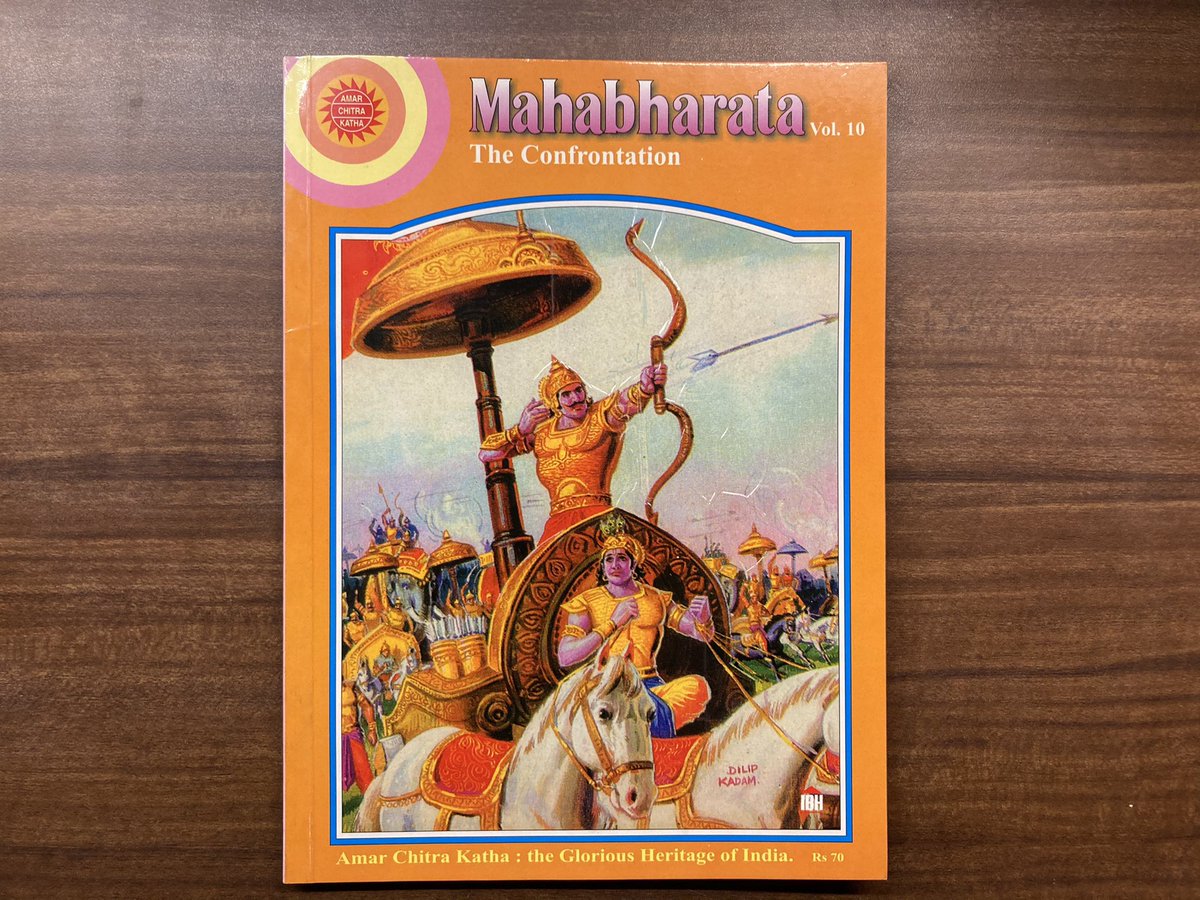
Finally, if you want to introduce the Bhagwad Gita to your children, introduce them to the joys of Amar Chitra Katha, in 10th of a 14-volume collection.
The focus in 2020 has been on death and immortality.
Let’s see where 2021 takes us.
Irrespective, this text will continue to inspire us, guide us — in an increasingly fragmenting world, if there is one unifying idea, it is the Bhagwad Gita.

More from Religion

#BookExcerpts #Venkateshwara #Balaji

I will write a 3 part thread series with some interesting points from this book.

Part-1 : History of Tirumala & Venkateshwara Swamy
Part-2: Rituals & Prasada Procedure
Part-3: Historical records

Part-1 thread below

1/


Venkatachala Hill

Maha Vishnu wished for the mountain Krida / Krida Parvatham / Kridhachalam from Vaikunta to be brought to the earth for his avataram.

This was brought to earth by Garuda and Ananta & placed it on banks of river Swarna Mukhi

2/


This is where current Tirumala temple is located. The fact that this was transported from Vaikunta is apparently a scientifically proven fact.

The scientific dating of the sedimentary rocks have confirmed the date to be around 120 million years ago..

3/

This timeline coincides with Swayambhu Manu manvanthara of the Sweta Varaha Kalpa which is the time when Swamy descended on earth in the form of Venkateshwara Swamy.

From a survey of flora and fauna, they have found rare species of plants & animals like golden gecko..

4/

that are exclusive to this hill range only and not found anywhere else in the world.

Tirumala hills are a range of 7 hills
1. Seshachala
2. Vedachala
3. Garudachala
4. Anjanachala
5. Vrishabhachala
6. Narayanachala
7. Venkatachala --> Where temple is present

5/

You May Also Like