#THREAD
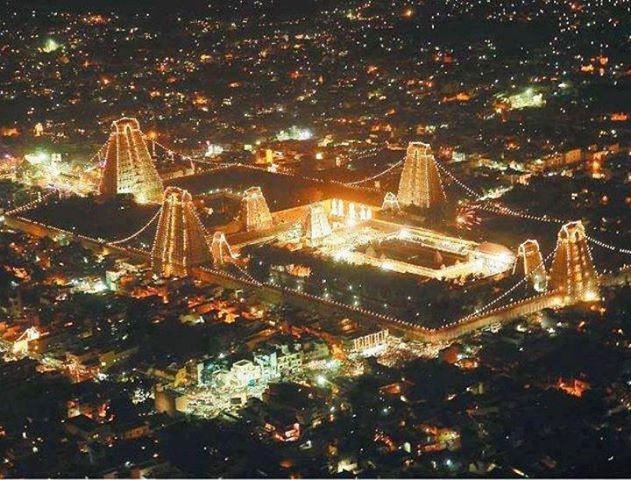
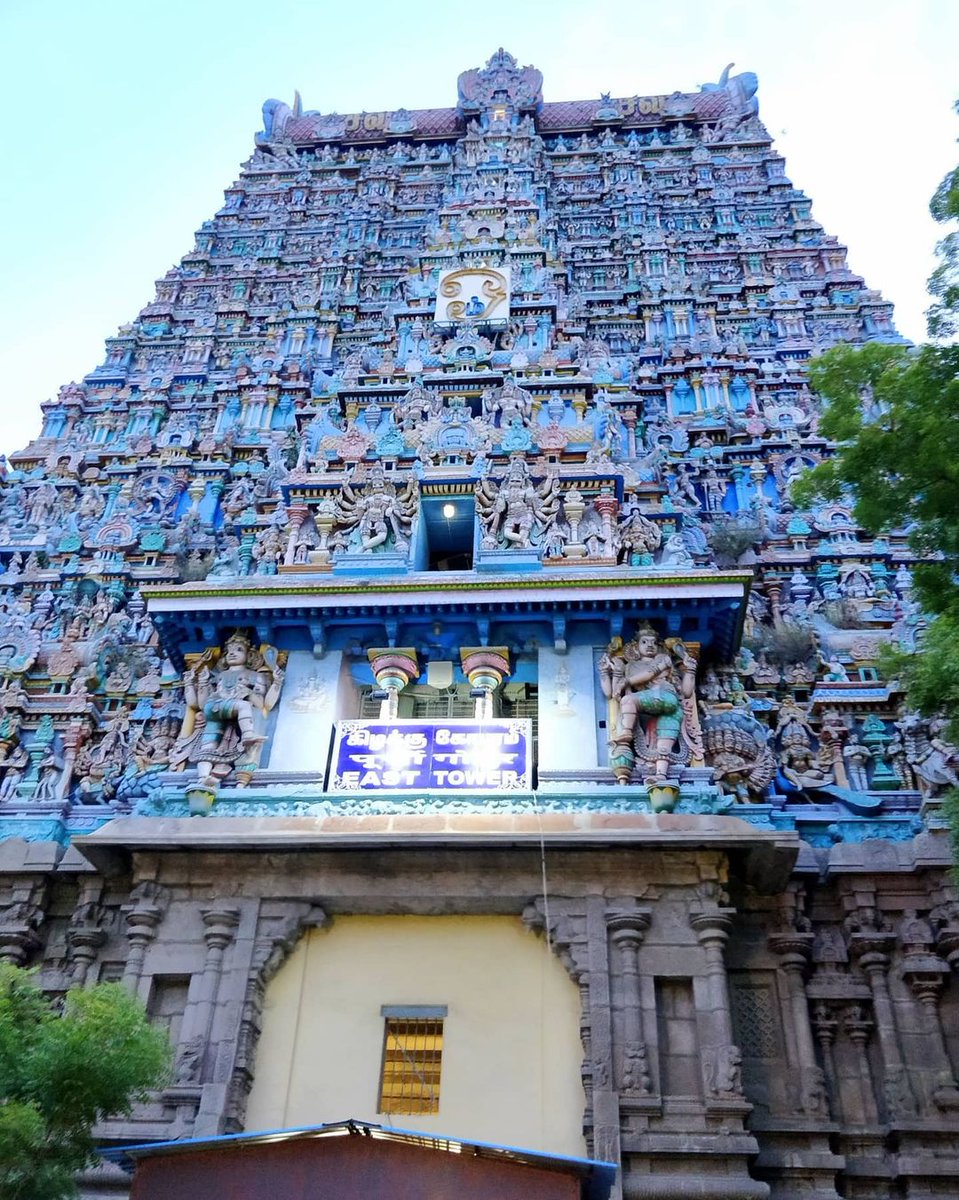
1.JALAKANDESWARAR TEMPLE,Vellore,#TamilNadu It's dedicated to God SHIVA is located inside the Vellore Fort. The temple is named Jalakandeswarar,as it is located at a lower height than the temple moat.The construction of the temple began in the year 1274 CE @LostTemple7

2.its construction continued for 50 years.The temple has two courtyards and has a main shrine with a closed path around it and a number of sub-shrines. Inside the Garbha griha, main deity Jalakandeswarar is seen in the form of Shivalinga. @ReclaimTemples
3.Goddess Sri Akilandeswari Amman is seen in separate sanctum in the inner enclosure of the temple. To the outer walls of Amman sanctum one can get the darshan of Vinayaka, Madeswari, Vaishnavi, Varahi, Lakshmi & Saraswathi.
4.There is also a Nandi statue in front, facing Sri Jalakandeswarar sanctum.According to puranas, Athri muni installed a Shiva Lingam in this place and worshiped. After he left, without proper maintenance the Shiva Lingam in the temple was covered by an ant-hill.
5. Rain waters in the lower levels of the ant-hill made a tank there. God Shiva appeared in the dream of a chieftain Bommi Reddy who was ruling the region and asked him to build a temple there.
6.The king went to the tank, demolished the ant-hill and took out the Shivalinga and installed the God in the water itself..
7.The inner enclosure of the temple& inner fort were built by Sambuvaraya during the 14th century, while the sprawling outer enclosure, the exquisite kalyana mandapa and the vasantha mandapa were built during the reign of Vijayanagara king, Sadasivadeva Maharaya (1540 to 1572 CE)
8.The Jalakandeswarar Temple is a fine example of Vijayanagar architecture. The entrance of Jalakandeswarar is built with a long tower having large wooden gates and is sculptured with iron like lotus flowers.
9. The kalyana mandapa located on the western side of the temple, which is a wonderful structure reflecting the finer aspects of the glorious Vijayanagara temple architecture.
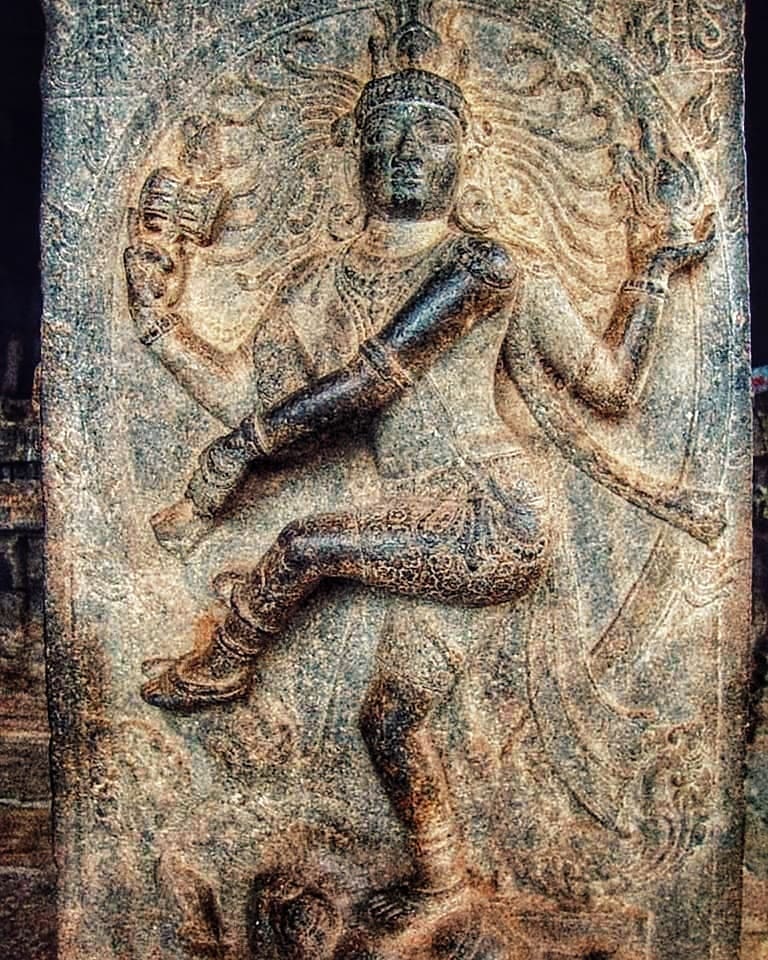
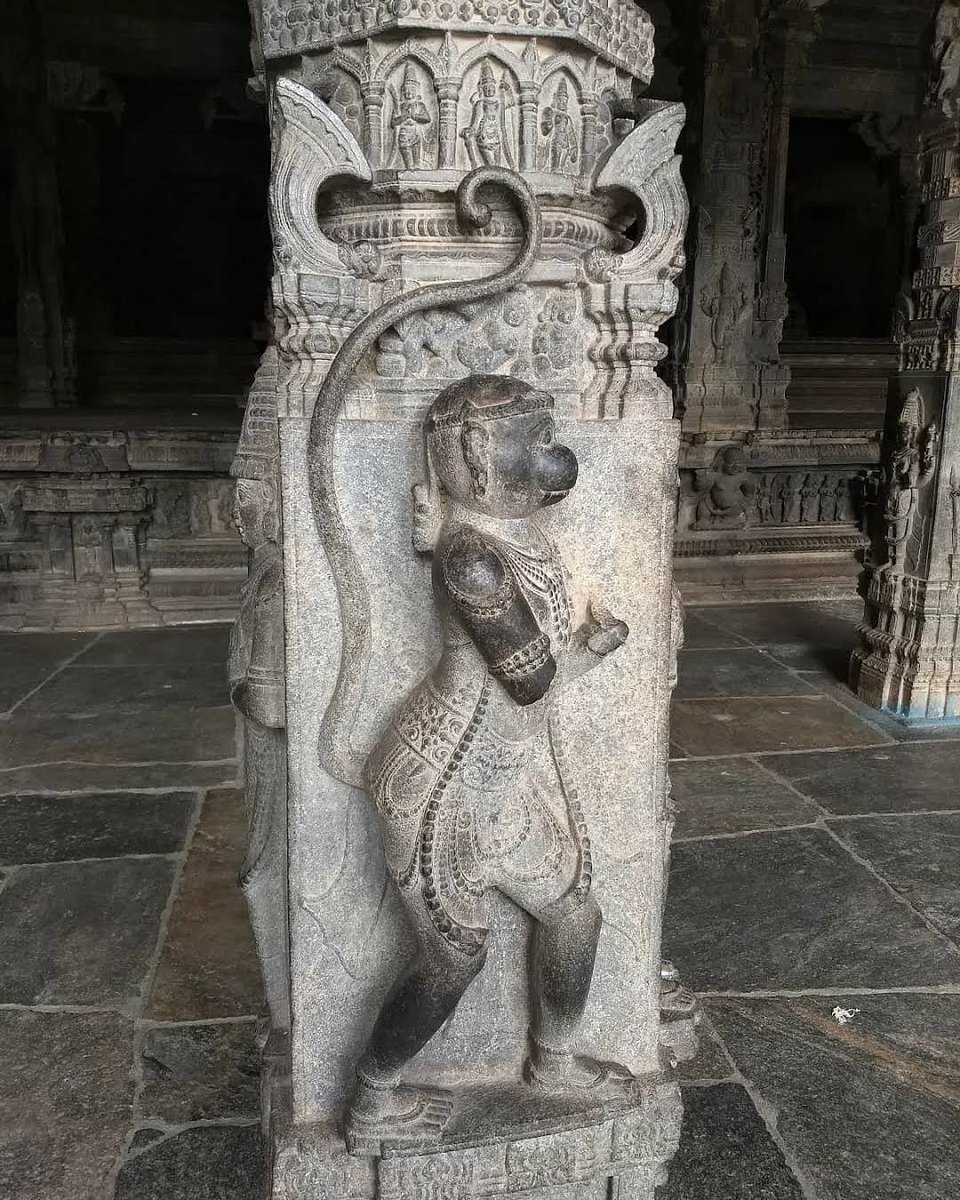
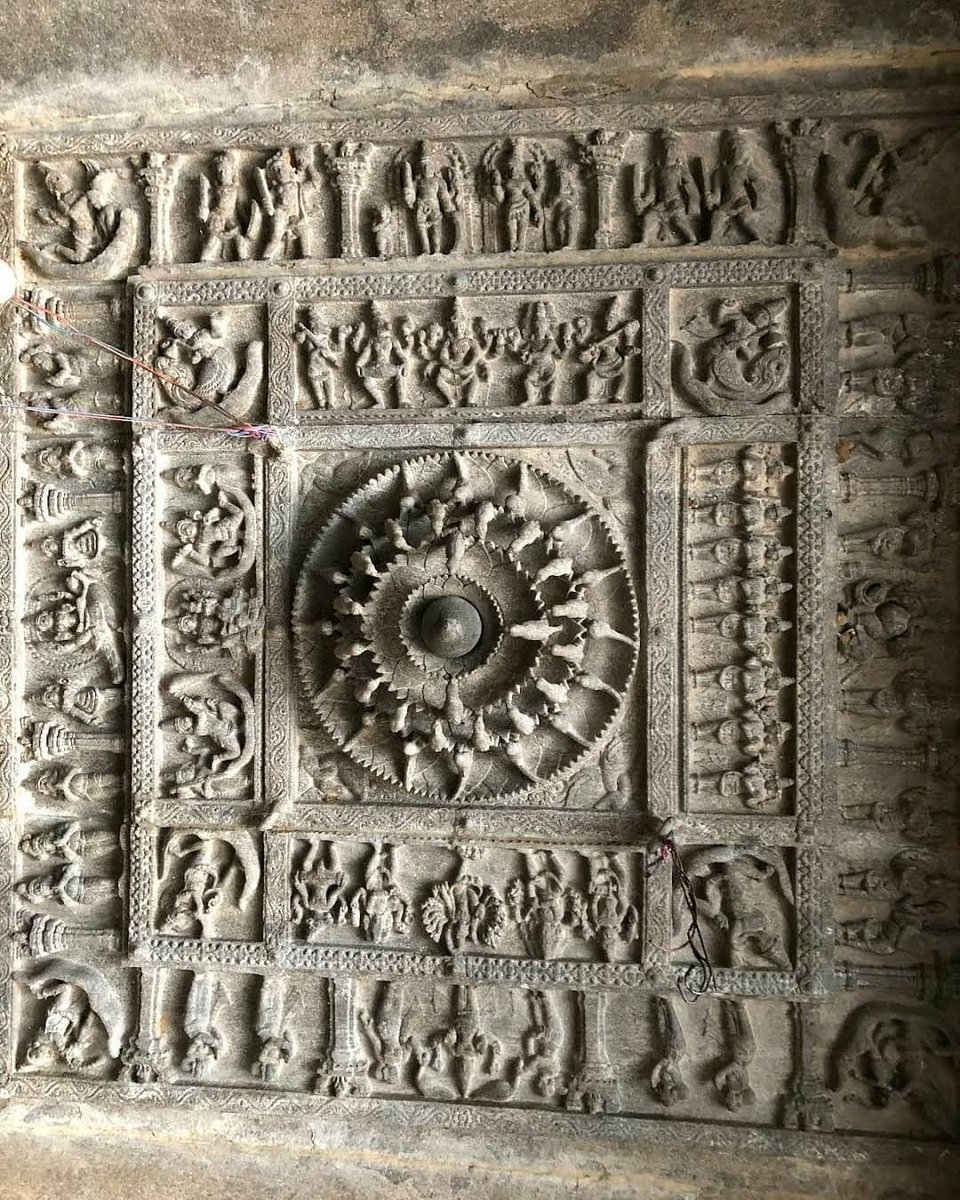
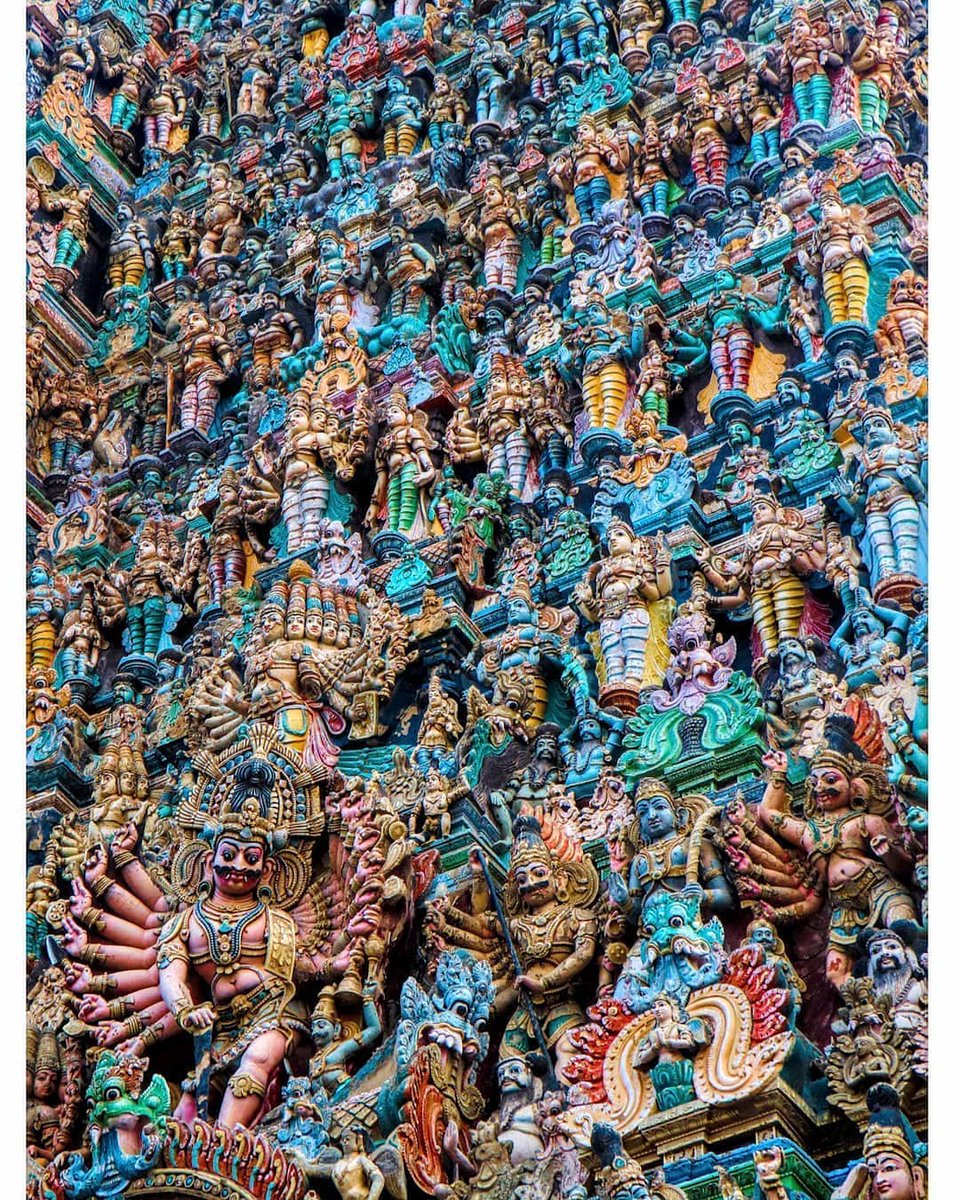
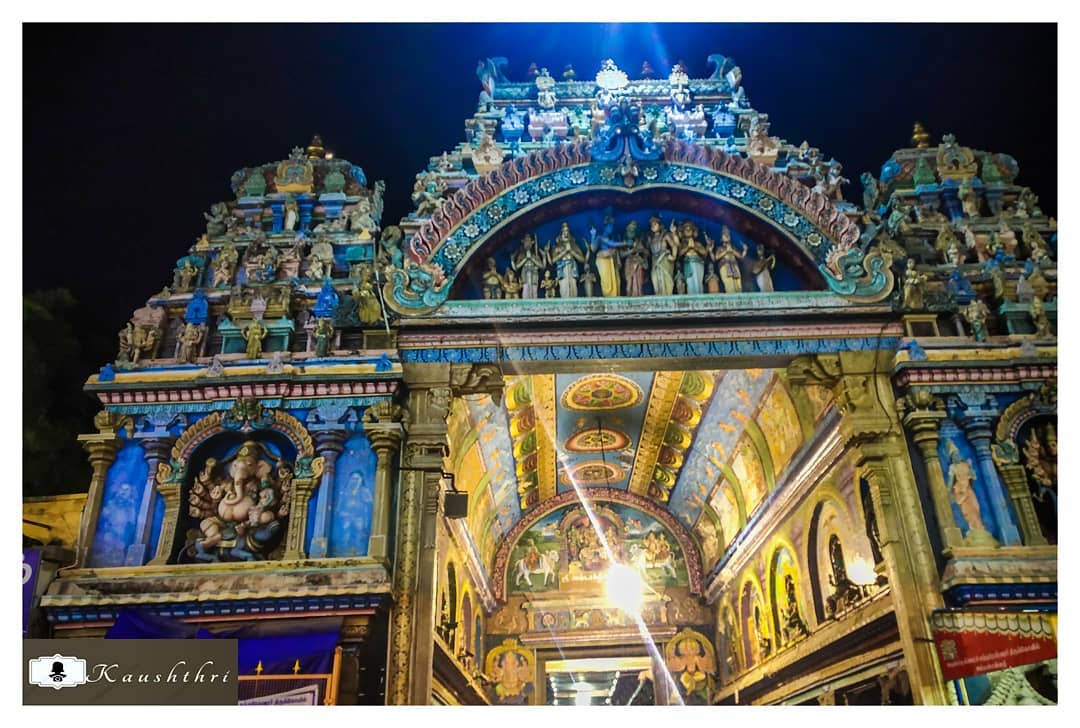
10.There are highly sculptured and adorned pillars at the main entrance. The engravings on the ceilings of the temple and the pillars are extremely exquisite
@IndiaTales7 @KashmiriPandit7 @VertigoWarrior @Itishree001 @RadharamnDas
@ReclaimTemples @punarutthana

More from Suchi Sharma

More from Religion

First thread of the year because I have time during MCO. As requested, a thread on the gods and spirits of Malay folk religion. Some are indigenous, some are of Indian origin, some have Islamic


Before I begin, it might be worth explaining the Malay conception of the spirit world. At its deepest level, Malay religious belief is animist. All living beings and even certain objects are said to have a soul. Natural phenomena are either controlled by or personified as spirits

Although these beings had to be respected, not all of them were powerful enough to be considered gods. Offerings would be made to the spirits that had greater influence on human life. Spells and incantations would invoke their


Two known examples of such elemental spirits that had god-like status are Raja Angin (king of the wind) and Mambang Tali Arus (spirit of river currents). There were undoubtedly many more which have been lost to time

Contact with ancient India brought the influence of Hinduism and Buddhism to SEA. What we now call Hinduism similarly developed in India out of native animism and the more formal Vedic tradition. This can be seen in the multitude of sacred animals and location-specific Hindu gods

You May Also Like