Met a Brazilian-American Lyft driver from San Diego who passionately attacked the racism of Republicans, then switched to passionately defending Bolsonaro.
If I were Thomas Friedman, I could tell you what this means.
More from Noah Smith
1/OK, let's take a little break from Coup Twitter, and think about an economic issue:
How can we build up the wealth of the middle class?
2/The typical American has surprisingly little wealth compared to the typical resident of many other developed countries.
This is a fact that is not widely known or appreciated.
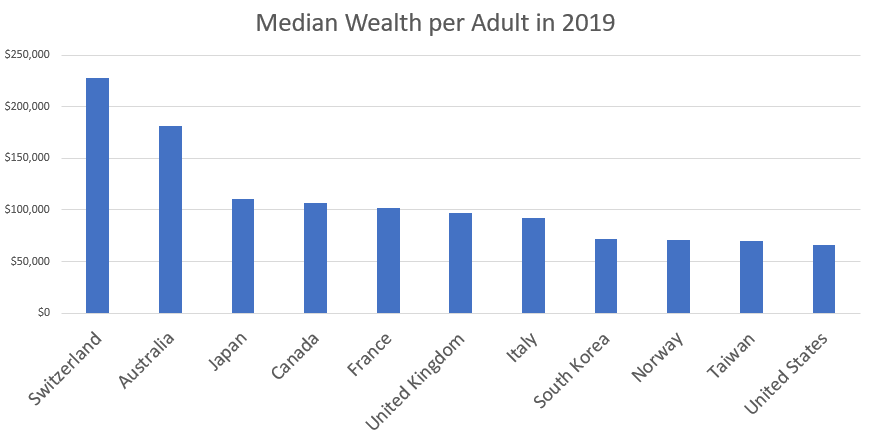
3/Now, some people argue that stuff like Social Security or social insurance programs should be included in wealth. But I chose to focus on private wealth because I think having assets you can sell whenever you want is important to
4/For many decades after World War 2, middle-class wealth in America was on a smooth upward trajectory.
Then the housing crash came, and all that changed. Suddenly the rich were still doing well but everyone else was seeing the end of their American Dream.
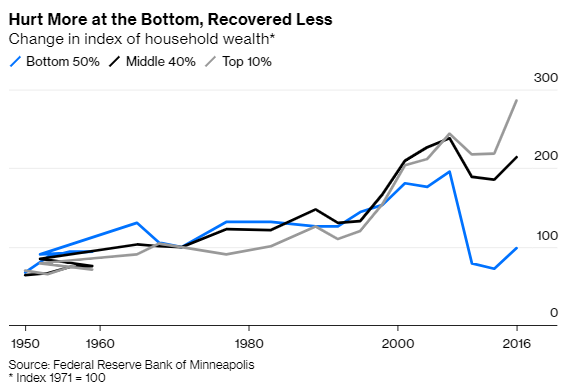
5/Why the divergence?
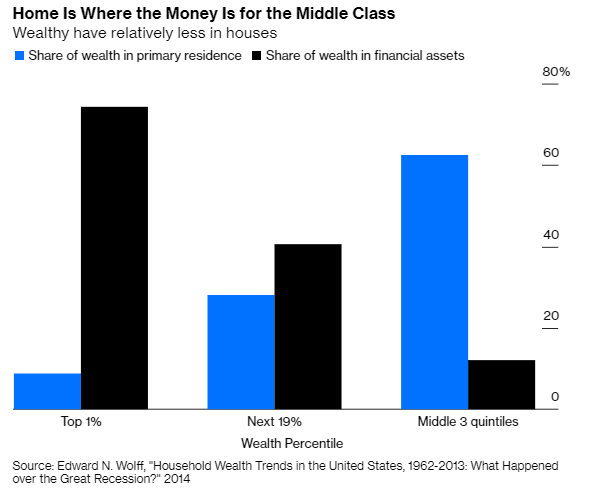
Because the American middle class has its wealth in houses -- specifically, in the houses they live in.
It's the rich who own stocks.
How can we build up the wealth of the middle class?
2/The typical American has surprisingly little wealth compared to the typical resident of many other developed countries.
This is a fact that is not widely known or appreciated.
3/Now, some people argue that stuff like Social Security or social insurance programs should be included in wealth. But I chose to focus on private wealth because I think having assets you can sell whenever you want is important to
Yes, these numbers don't include things like Social Security, just privately held wealth. They're not an attempt to capitalize every possible future income stream.
— Noahtogolpe \U0001f407 (@Noahpinion) January 10, 2021
4/For many decades after World War 2, middle-class wealth in America was on a smooth upward trajectory.
Then the housing crash came, and all that changed. Suddenly the rich were still doing well but everyone else was seeing the end of their American Dream.
5/Why the divergence?
Because the American middle class has its wealth in houses -- specifically, in the houses they live in.
It's the rich who own stocks.
Time for panel #3: Big Tech and regulation!
I will be live-tweeting again, and you can also watch video at either the Twitter or Facebook links below!
Kaissar: Every industry gets regulated when it gets big. The question is what kind of regulation Big Tech will get,and whether the companies will be proactive in shaping it.
Kaissar: More profitable companies have higher returns. Why? Maybe it's a risk factor, because more profit = higher risk of getting regulated.
Bershidskyis showing a diagram of GDPR complaince pop-ups. What a massive ill-conceived bureaucratic mess.
Ritholtz: It's 2018 and we're still talking about Facebook privacy settings?! If you're still giving your personal data to Facebook, you just don't care about privacy!
I will be live-tweeting again, and you can also watch video at either the Twitter or Facebook links below!
Bloomberg Ideas conference now starting! I will be live-tweeting it. You can watch on our Facebook or Twitter pages (links below)! https://t.co/Mbr9dZzWBy
— Noah Smith (@Noahpinion) October 25, 2018
Kaissar: Every industry gets regulated when it gets big. The question is what kind of regulation Big Tech will get,and whether the companies will be proactive in shaping it.
Kaissar: More profitable companies have higher returns. Why? Maybe it's a risk factor, because more profit = higher risk of getting regulated.
Bershidskyis showing a diagram of GDPR complaince pop-ups. What a massive ill-conceived bureaucratic mess.
Ritholtz: It's 2018 and we're still talking about Facebook privacy settings?! If you're still giving your personal data to Facebook, you just don't care about privacy!
Krugman is, of course, right about this. BUT, note that universities can do a lot to revitalize declining and rural regions.
See this thing that @lymanstoneky wrote:
And see this thing that I wrote:
And see this book that @JamesFallows wrote:
And see this other thing that I wrote:
One thing I've been noticing about responses to today's column is that many people still don't get how strong the forces behind regional divergence are, and how hard to reverse 1/ https://t.co/Ft2aH1NcQt
— Paul Krugman (@paulkrugman) November 20, 2018
See this thing that @lymanstoneky wrote:
And see this thing that I wrote:
And see this book that @JamesFallows wrote:
And see this other thing that I wrote:
More from Politics


I think a plausible explanation is that whatever Corbyn says or does, his critics will denounce - no matter how much hypocrisy it necessitates.
Corbyn opposes the exploitation of foreign sweatshop-workers - Labour MPs complain he's like Nigel
He speaks up in defence of migrants - Labour MPs whinge that he's not listening to the public's very real concerns about immigration:
He's wrong to prioritise Labour Party members over the public:
He's wrong to prioritise the public over Labour Party
One of the oddest features of the Labour tax row is how raising allowances, which the media allowed the LDs to describe as progressive (in spite of evidence to contrary) through the coalition years, is now seen by everyone as very right wing
— Tom Clark (@prospect_clark) November 2, 2018
Corbyn opposes the exploitation of foreign sweatshop-workers - Labour MPs complain he's like Nigel
He speaks up in defence of migrants - Labour MPs whinge that he's not listening to the public's very real concerns about immigration:
He's wrong to prioritise Labour Party members over the public:
He's wrong to prioritise the public over Labour Party

1/ Imagine that as soon as the referendum result the EU announced that it was looking forward to the end of free movement of UK citizens in the EU
2/ Imagine if the EU said finally all those retired Brits in the EU27 could go home
3/ Imagine if the EU said finally all those Brits in the EU could stop driving down wages, taking jobs and stop sending benefits back to the UK
4/ Imagine if the EU said it was looking to use UK citizens as “bargaining chips” to get a better trade deal
5/ Imagine if the EU told UK citizens in the EU27 that they could no longer rely on established legal rights and they would have to apply for a new status which they have to pay for for less rights
Imagine, for a moment, the reaction of the UK Government, Brexiters, and the RW UK press if Juncker, Tusk, Macron or Merkel went on TV to say that Brexit was worth it to stop Freedom of Movement for UK citizens, and to stop Brits being able to come to the EU and jump the queue.
— Steve Bullock (@GuitarMoog) November 20, 2018
2/ Imagine if the EU said finally all those retired Brits in the EU27 could go home
3/ Imagine if the EU said finally all those Brits in the EU could stop driving down wages, taking jobs and stop sending benefits back to the UK
4/ Imagine if the EU said it was looking to use UK citizens as “bargaining chips” to get a better trade deal
5/ Imagine if the EU told UK citizens in the EU27 that they could no longer rely on established legal rights and they would have to apply for a new status which they have to pay for for less rights


You May Also Like


THE MEANING, SIGNIFICANCE AND HISTORY OF SWASTIK
The Swastik is a geometrical figure and an ancient religious icon. Swastik has been Sanatan Dharma’s symbol of auspiciousness – mangalya since time immemorial.
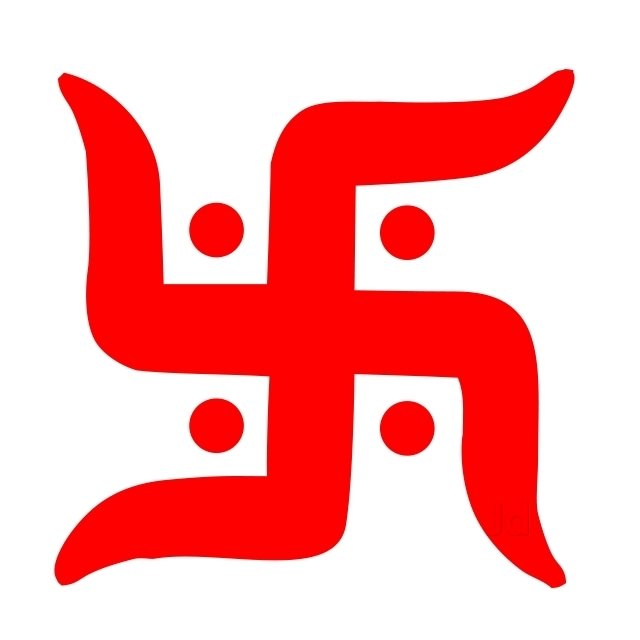
The name swastika comes from Sanskrit (Devanagari: स्वस्तिक, pronounced: swastik) &denotes “conducive to wellbeing or auspicious”.
The word Swastik has a definite etymological origin in Sanskrit. It is derived from the roots su – meaning “well or auspicious” & as meaning “being”.
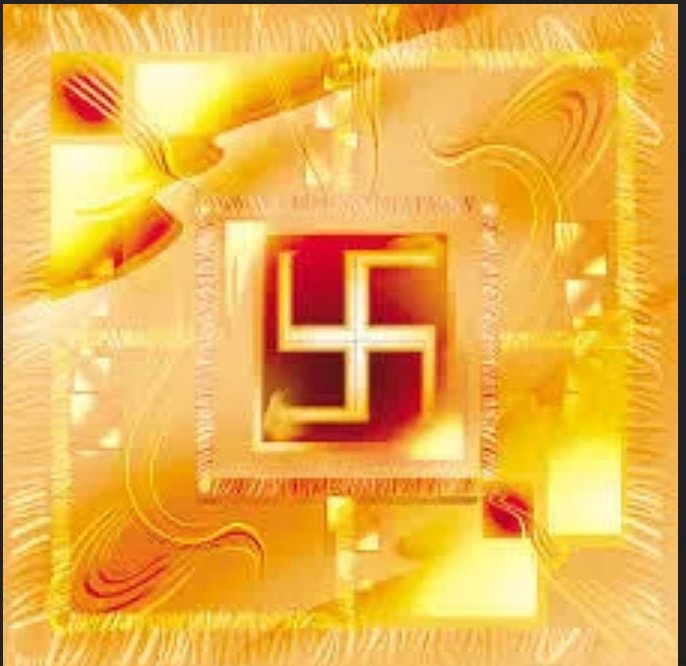
"सु अस्ति येन तत स्वस्तिकं"
Swastik is de symbol through which everything auspicios occurs
Scholars believe word’s origin in Vedas,known as Swasti mantra;
"🕉स्वस्ति ना इन्द्रो वृधश्रवाहा
स्वस्ति ना पूषा विश्ववेदाहा
स्वस्तिनास्तरक्ष्यो अरिश्तनेमिही
स्वस्तिनो बृहस्पतिर्दधातु"
It translates to," O famed Indra, redeem us. O Pusha, the beholder of all knowledge, redeem us. Redeem us O Garudji, of limitless speed and O Bruhaspati, redeem us".
SWASTIK’s COSMIC ORIGIN
The Swastika represents the living creation in the whole Cosmos.
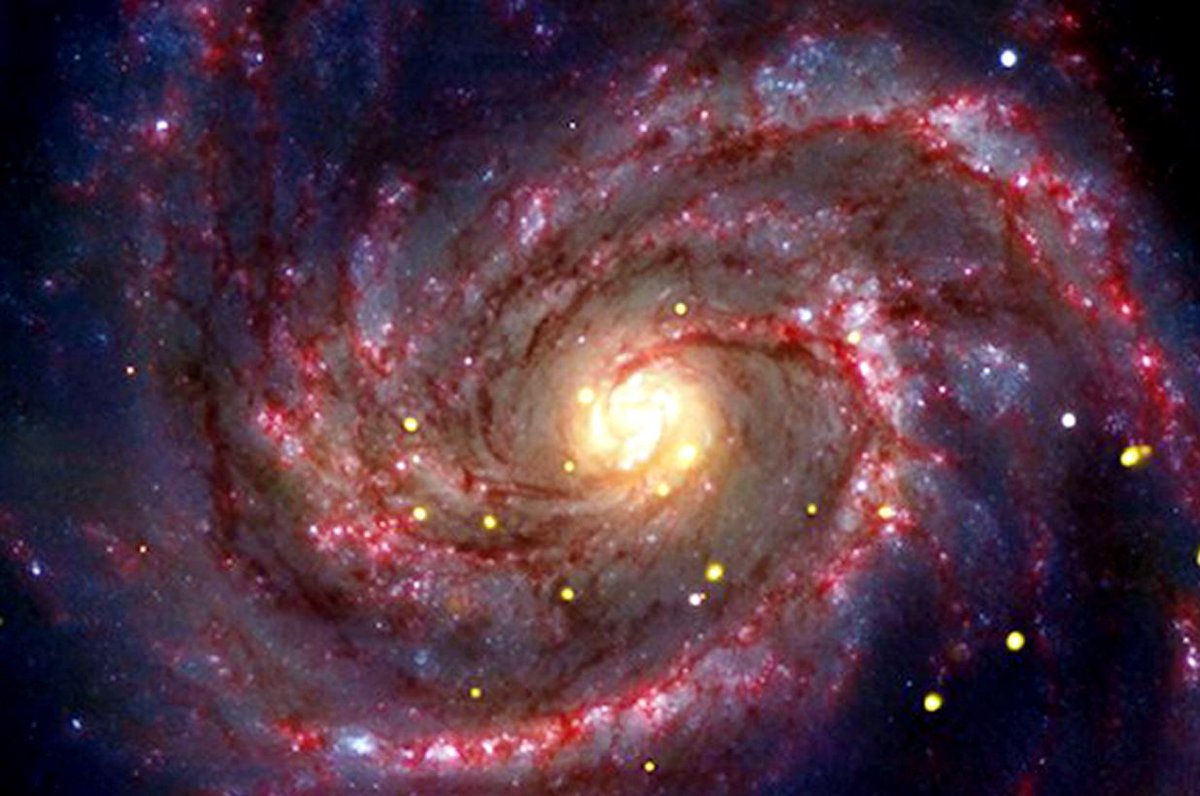
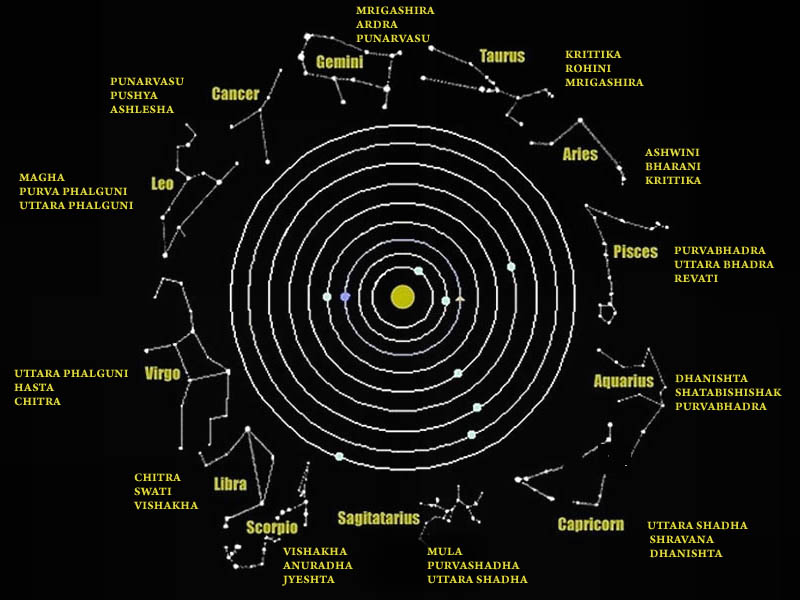
Hindu astronomers divide the ecliptic circle of cosmos in 27 divisions called https://t.co/sLeuV1R2eQ this manner a cross forms in 4 directions in the celestial sky. At centre of this cross is Dhruva(Polestar). In a line from Dhruva, the stars known as Saptarishi can be observed.
The Swastik is a geometrical figure and an ancient religious icon. Swastik has been Sanatan Dharma’s symbol of auspiciousness – mangalya since time immemorial.
The name swastika comes from Sanskrit (Devanagari: स्वस्तिक, pronounced: swastik) &denotes “conducive to wellbeing or auspicious”.
The word Swastik has a definite etymological origin in Sanskrit. It is derived from the roots su – meaning “well or auspicious” & as meaning “being”.
"सु अस्ति येन तत स्वस्तिकं"
Swastik is de symbol through which everything auspicios occurs
Scholars believe word’s origin in Vedas,known as Swasti mantra;
"🕉स्वस्ति ना इन्द्रो वृधश्रवाहा
स्वस्ति ना पूषा विश्ववेदाहा
स्वस्तिनास्तरक्ष्यो अरिश्तनेमिही
स्वस्तिनो बृहस्पतिर्दधातु"
It translates to," O famed Indra, redeem us. O Pusha, the beholder of all knowledge, redeem us. Redeem us O Garudji, of limitless speed and O Bruhaspati, redeem us".
SWASTIK’s COSMIC ORIGIN
The Swastika represents the living creation in the whole Cosmos.
Hindu astronomers divide the ecliptic circle of cosmos in 27 divisions called https://t.co/sLeuV1R2eQ this manner a cross forms in 4 directions in the celestial sky. At centre of this cross is Dhruva(Polestar). In a line from Dhruva, the stars known as Saptarishi can be observed.

1/12
RT-PCR corona (test) scam
Symptomatic people are tested for one and only one respiratory virus. This means that other acute respiratory infections are reclassified as
2/12
It is tested exquisitely with a hypersensitive non-specific RT-PCR test / Ct >35 (>30 is nonsense, >35 is madness), without considering Ct and clinical context. This means that more acute respiratory infections are reclassified as
3/12
The Drosten RT-PCR test is fabricated in a way that each country and laboratory perform it differently at too high Ct and that the high rate of false positives increases massively due to cross-reaction with other (corona) viruses in the "flu
4/12
Even asymptomatic, previously called healthy, people are tested (en masse) in this way, although there is no epidemiologically relevant asymptomatic transmission. This means that even healthy people are declared as COVID
5/12
Deaths within 28 days after a positive RT-PCR test from whatever cause are designated as deaths WITH COVID. This means that other causes of death are reclassified as
RT-PCR corona (test) scam
Symptomatic people are tested for one and only one respiratory virus. This means that other acute respiratory infections are reclassified as
4/10
— Dr. Thomas Binder, MD (@Thomas_Binder) October 22, 2020
...indication, first of all that testing for a (single) respiratory virus is done outside of surveillance systems or need for specific therapy, but even so the lack of consideration of Ct, symptoms and clinical findings when interpreting its result. https://t.co/gHH6kwRdZG
2/12
It is tested exquisitely with a hypersensitive non-specific RT-PCR test / Ct >35 (>30 is nonsense, >35 is madness), without considering Ct and clinical context. This means that more acute respiratory infections are reclassified as
6/10
— Dr. Thomas Binder, MD (@Thomas_Binder) October 22, 2020
The neither validated nor standardised hypersensitive RT-PCR test / Ct 35-45 for SARS-CoV-2 is abused to mislabel (also) other diseases, especially influenza, as COVID-19.https://t.co/AkFIfTCTkS
3/12
The Drosten RT-PCR test is fabricated in a way that each country and laboratory perform it differently at too high Ct and that the high rate of false positives increases massively due to cross-reaction with other (corona) viruses in the "flu
External peer review of the RTPCR test to detect SARS-CoV-2 reveals 10 major scientific flaws at the molecular and methodological level: consequences for false positive results.https://t.co/mbNY8bdw1p pic.twitter.com/OQBD4grMth
— Dr. Thomas Binder, MD (@Thomas_Binder) November 29, 2020
4/12
Even asymptomatic, previously called healthy, people are tested (en masse) in this way, although there is no epidemiologically relevant asymptomatic transmission. This means that even healthy people are declared as COVID
Thread web\u2b06\ufe0f\u2b07\ufe0f
— Dr. Thomas Binder, MD (@Thomas_Binder) December 16, 2020
The fabrication of the "asymptomatic (super) spreader" is the coronation of the total nons(ci)ense in the belief system of #CoronasWitnesses.
Asymptomatic transmission 0.7%; 95% CI 0%-4.9% - could well be 0%!https://t.co/VeZTzxXfvT
5/12
Deaths within 28 days after a positive RT-PCR test from whatever cause are designated as deaths WITH COVID. This means that other causes of death are reclassified as
8/8
— Dr. Thomas Binder, MD (@Thomas_Binder) March 24, 2020
By the way, who the f*** created this obviously (almost) worldwide definition of #CoronaDeath?
This is not only medical malpractice, this is utterly insane!https://t.co/FFsTx4L2mw