This idea - that elections should translate into policy - is not wrong at all. But political science can help explain why it's not working this way. There are three main explanations: 1. mandates are constructed, not automatic, 2. party asymmetry, 3. partisan conpetition 1/
I\u2019m sorry it\u2019s just insane that Democrats are like, \u201cwe won everything and our opening position on relief is $1.9T\u201d and Republicans are like, \u201cwe lost and our opening position is $600B,\u201d and the media will be like, \u201cDemocrats say they want unity but reject this bipartisan deal.\u201d
— Meredith Shiner (@meredithshiner) January 31, 2021
More from Politics



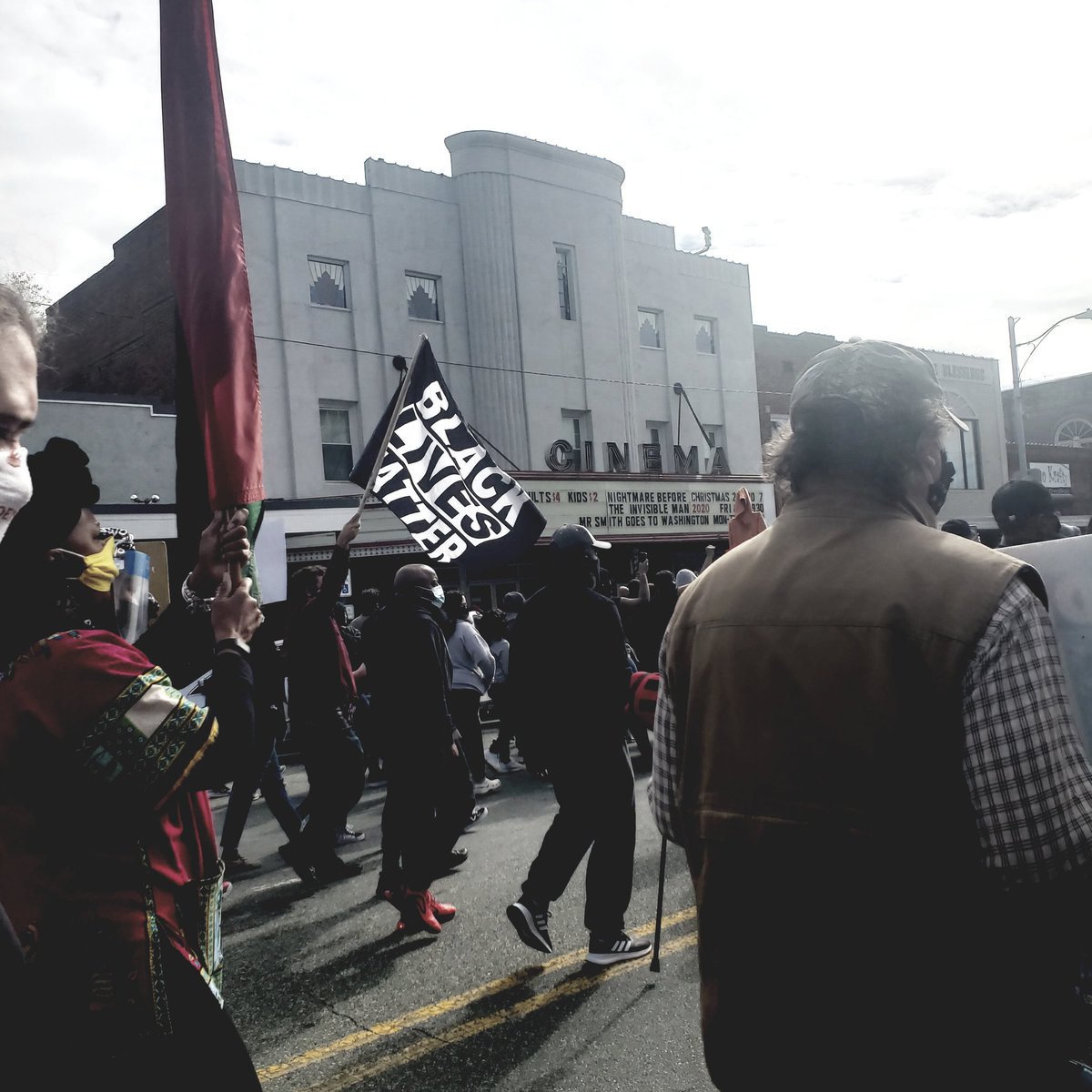
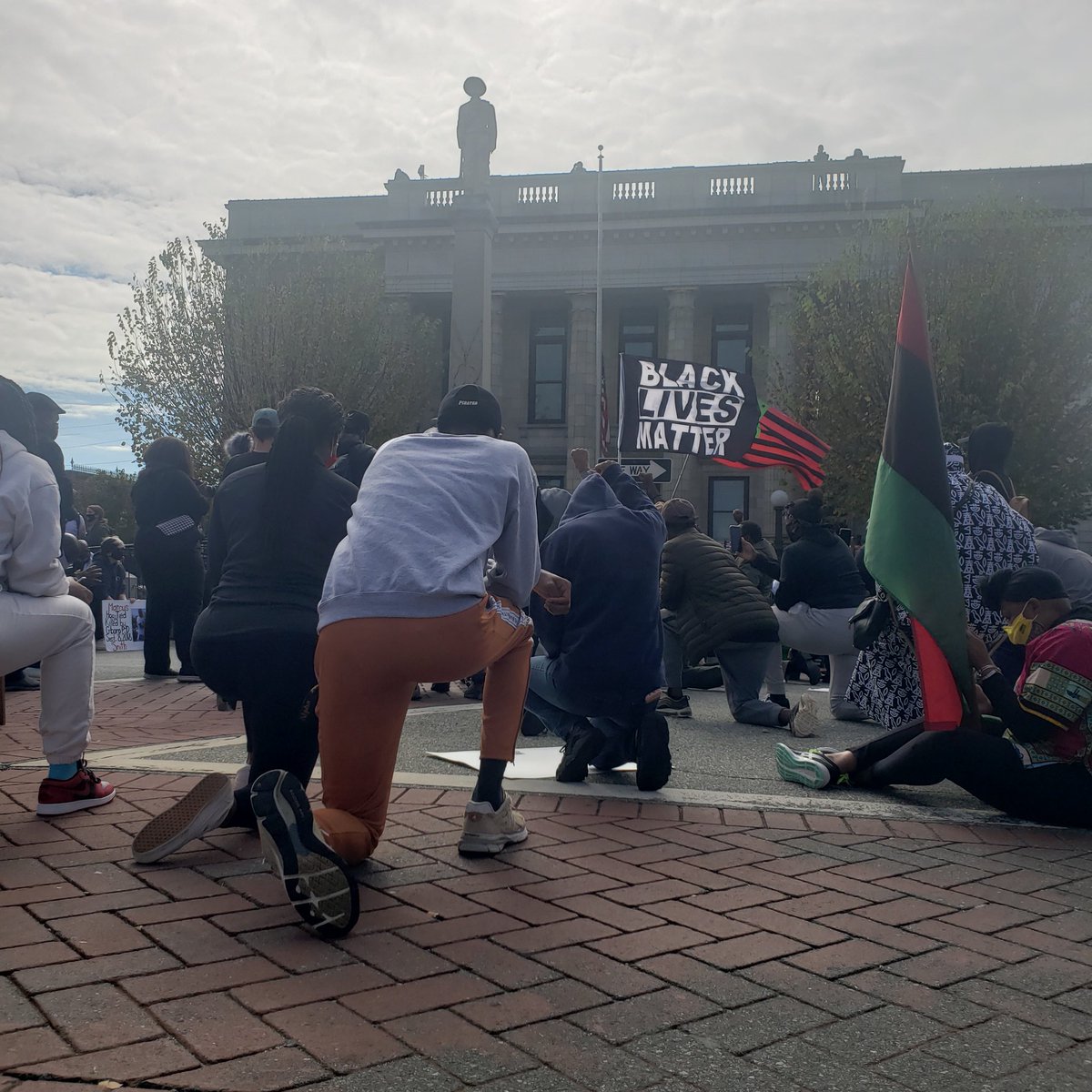


Here's why I bother to do the search, and even take the time to check.
This is part of a pattern that as detailed by Mueller, and has been proven by reputable studies since then. Here are parts of an Oxford report on the goals of the ongoing social media operations of Russia. https://t.co/qapD8Eh2SQ
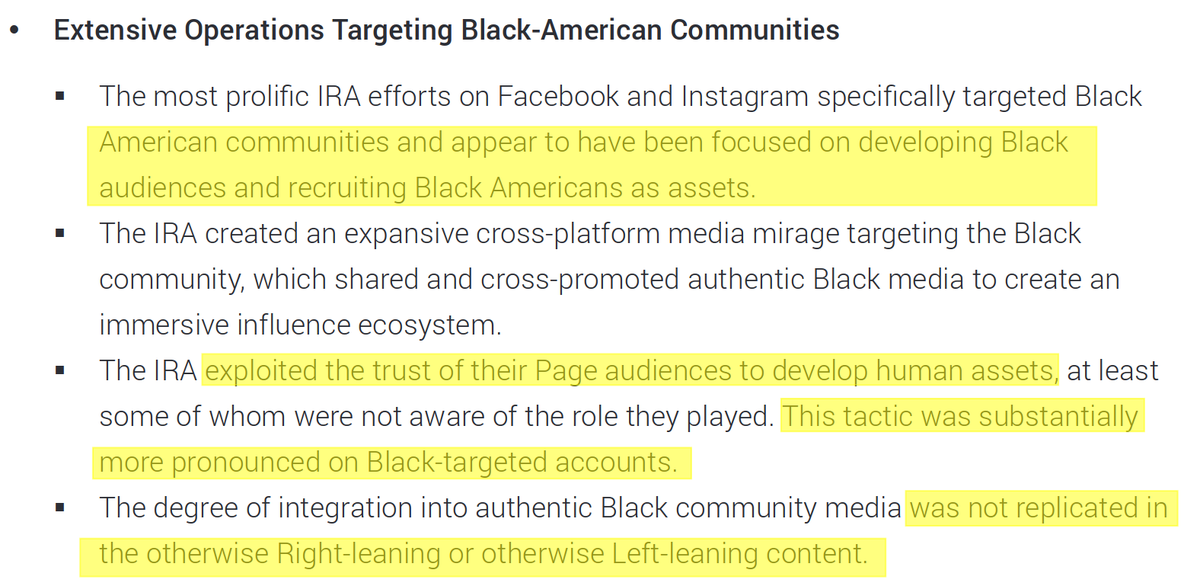
https://t.co/nJPPOwF1MA
The full report can be found here.
https://t.co/1q525xWYZE
Excertps from the 2019 Senate Intelligence Committee Report on Russian Actove Measures Campaigns and Interference:
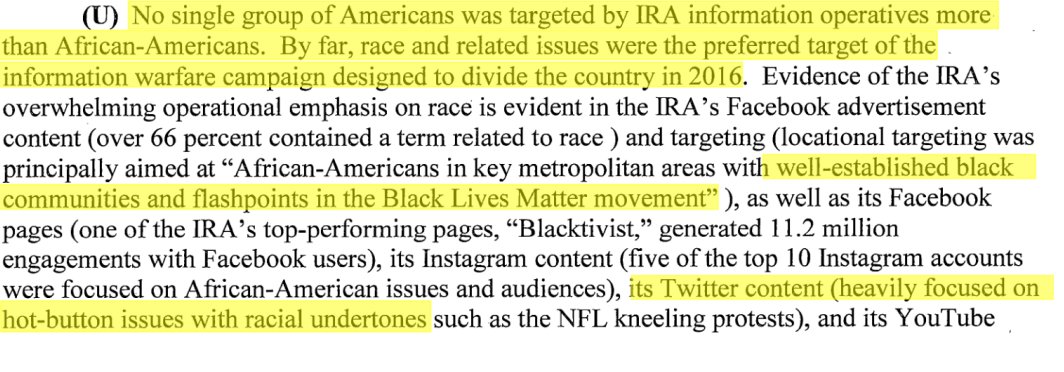
Also form the Senate Intelligence Committee report
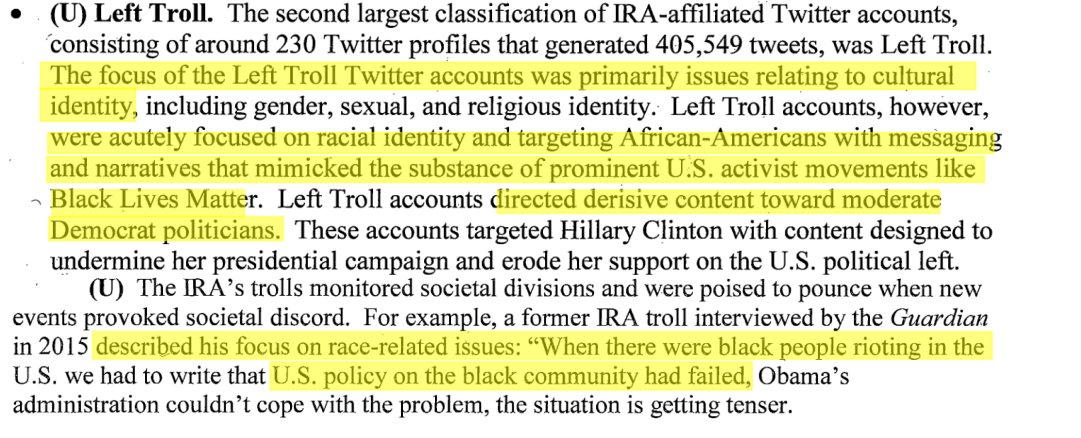
This is part of a pattern that as detailed by Mueller, and has been proven by reputable studies since then. Here are parts of an Oxford report on the goals of the ongoing social media operations of Russia. https://t.co/qapD8Eh2SQ
Here's some from a search of your TL
— \U0001d679\U0001d698\U0001d691\U0001d697 \U0001d686\U0001d68e\U0001d69c\U0001d695\U0001d68e\U0001d6a2 (@thepalemoonlt) April 21, 2021
Uses of the word prison before today: 13.
Tweets for specifically suggesting abolishing prison prior to today: 1 on 06/03/2020
Mentions of prison and abolishing it today: 8
Of all the times to speak out, Why did you choose to now? https://t.co/kl7gx7ky2H
https://t.co/nJPPOwF1MA
The full report can be found here.
https://t.co/1q525xWYZE
Excertps from the 2019 Senate Intelligence Committee Report on Russian Actove Measures Campaigns and Interference:
Also form the Senate Intelligence Committee report