I was hacking a game and accidentally invented a word for when you think someone is trans and you're proud of them for coming out but then you find out they aren't

My go-to one is | but you would be surprised how many games do not bother having a | glyph.
So I go for ! or .

So by having consistent bracketing letters, I can visually search for them


More from foone


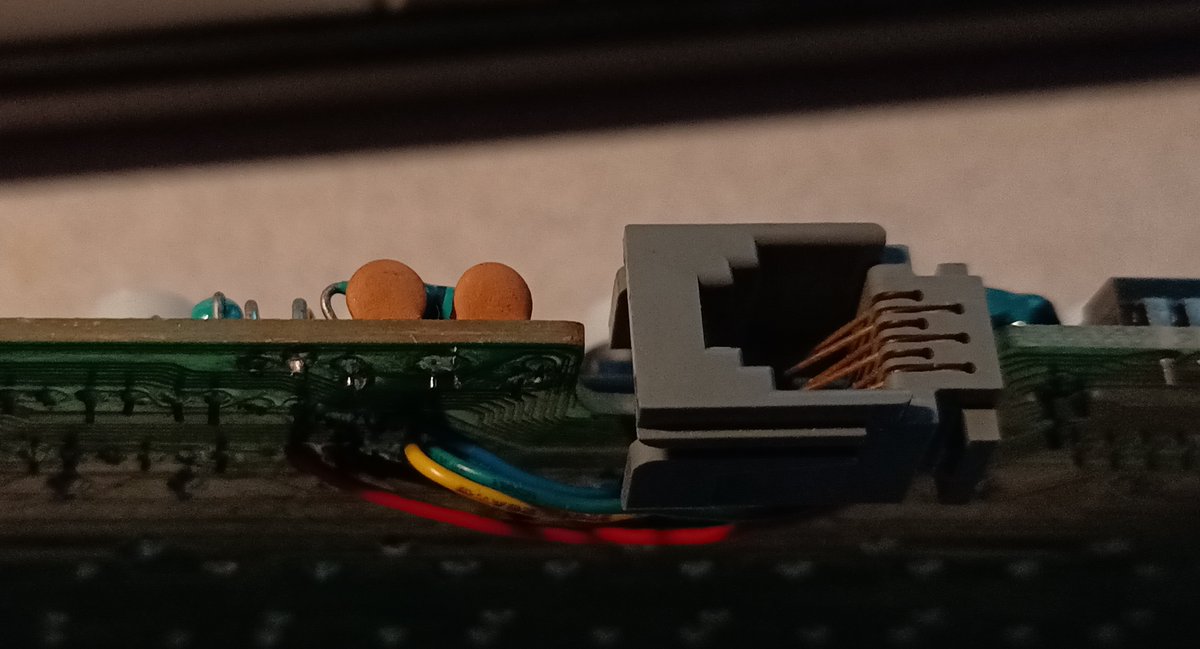


So I got out some CF cards and noticed something odd about this one. Do you see the weirdness?

How the fuck is a CF card "USB Enabled"?

So CF cards are a weird beast that act as either a PCMCIA card or an ATA/IDE card depending on a mode pin.
They're definitely not USB.
And it's not like that weird SanDisk card I have which you can fold in half and plug it in as a USB device.
It turns out the reason for "USB Enabled" is because it's a Lexar drive from the jumpSHOT era.
This is a normal CF card in most cases, you can use it in normal CF card readers and such
How the fuck is a CF card "USB Enabled"?
So CF cards are a weird beast that act as either a PCMCIA card or an ATA/IDE card depending on a mode pin.
They're definitely not USB.
And it's not like that weird SanDisk card I have which you can fold in half and plug it in as a USB device.
Flip it over, bend it in half, and now you can plug your SD card right into a USB port pic.twitter.com/jeBefP2xU1
— foone (@Foone) May 2, 2020
It turns out the reason for "USB Enabled" is because it's a Lexar drive from the jumpSHOT era.
This is a normal CF card in most cases, you can use it in normal CF card readers and such

A fun fact on the wikipedia page for the metal–oxide–semiconductor field-effect transistor:
it is the most frequently manufactured device in history, and the total number manufactured from 1960-2018 is 13 sextillion.
That's 13,000,000,000,000,000,000,000.
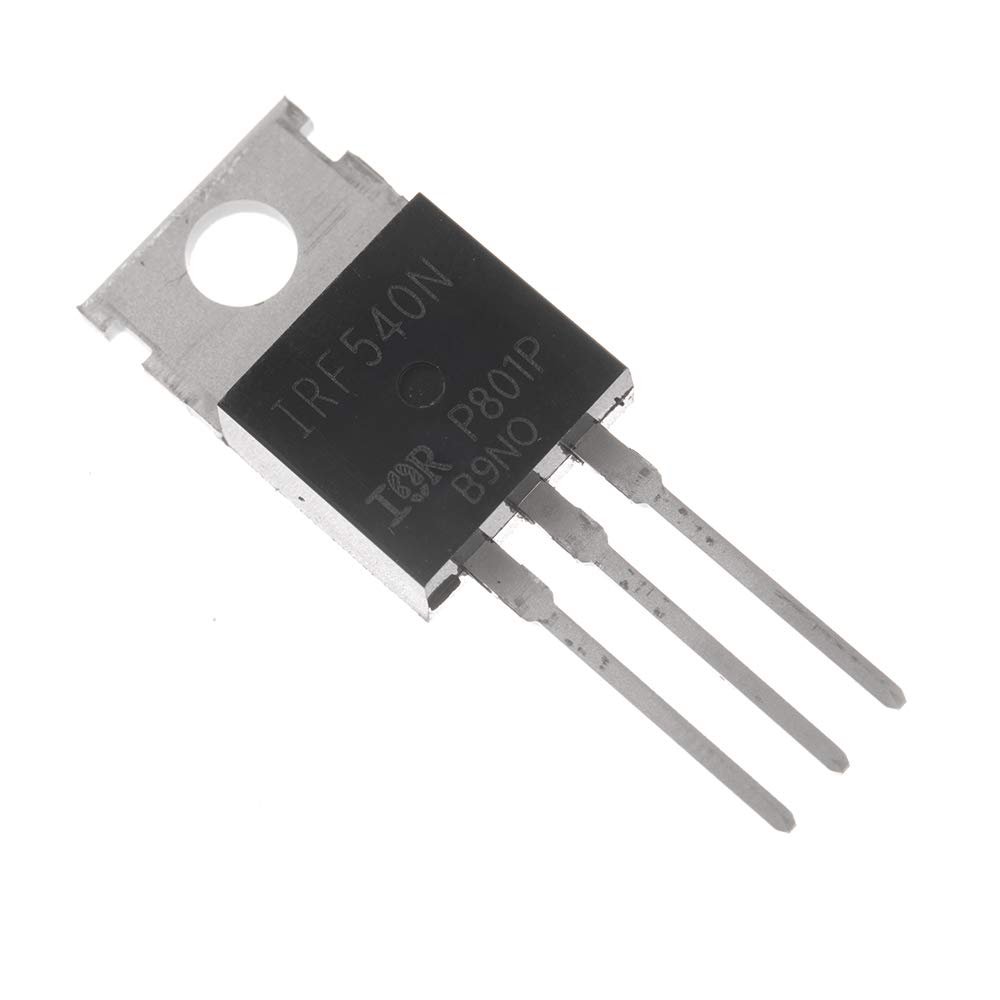
Though this picture is a bit misleading.
Even with devices this small, we couldn't make 13 sextillion of them in 60 years.
So imagine a chip like this. It's the 555 timer, which is one of the most popular integrated circuits ever made.
In 2017, it was estimated a billion are made every year.
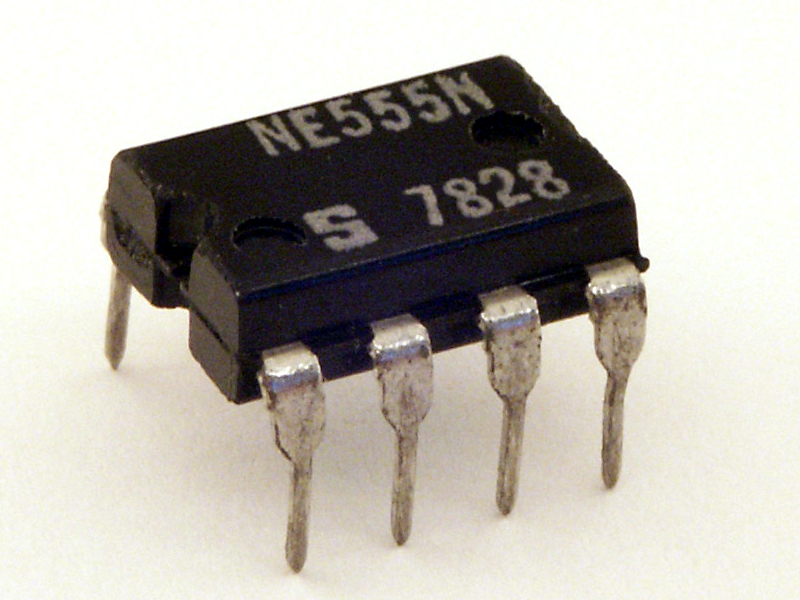
And at the heart of it is the die, which looks like this:
(from Ken Shirriff's blog)
https://t.co/mz5PQDjYqF
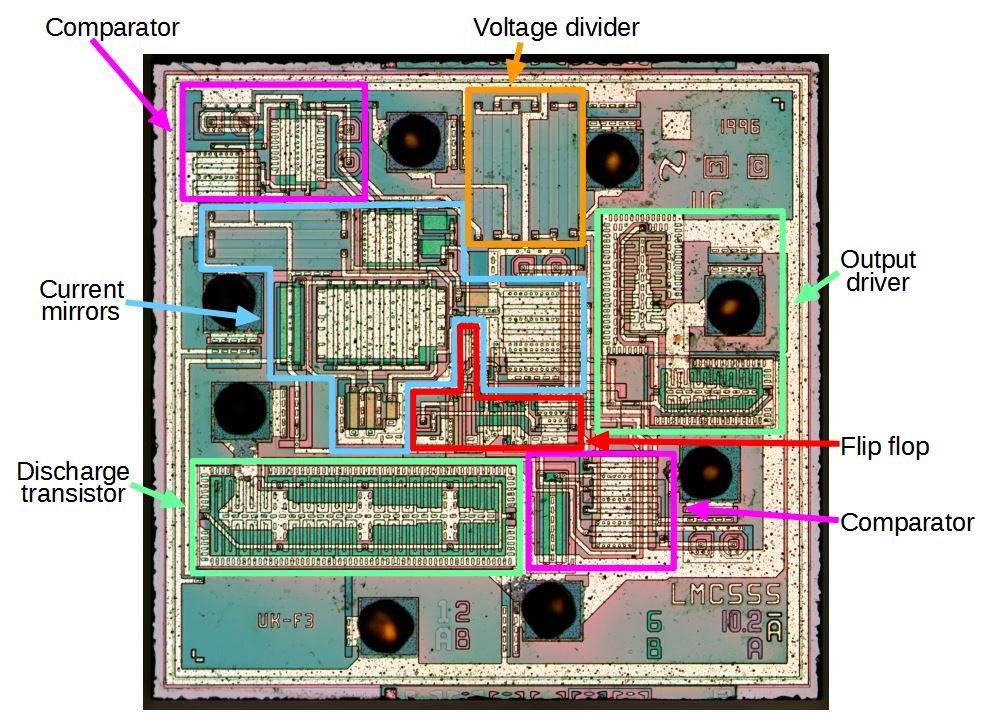
And that's fundamentally a bunch of CMOS transistors (along with some diodes and resistors), which are a type of MOSFET. How many of them are on a 555?
about 25. Not many, but it's a very simple chip.
it is the most frequently manufactured device in history, and the total number manufactured from 1960-2018 is 13 sextillion.
That's 13,000,000,000,000,000,000,000.
Though this picture is a bit misleading.
Even with devices this small, we couldn't make 13 sextillion of them in 60 years.
So imagine a chip like this. It's the 555 timer, which is one of the most popular integrated circuits ever made.
In 2017, it was estimated a billion are made every year.
And at the heart of it is the die, which looks like this:
(from Ken Shirriff's blog)
https://t.co/mz5PQDjYqF
And that's fundamentally a bunch of CMOS transistors (along with some diodes and resistors), which are a type of MOSFET. How many of them are on a 555?
about 25. Not many, but it's a very simple chip.
More from Internet

Are you a web developer or a designer?
These websites will help you create professional mockups for your applications:
🧵👇🏻
1. Shot Snap:
Create beautiful device mockup images for your app or website
2. Smart Mockups:
Create stunning product mockups (free & premium)
https://t.co/1RmIQhAreS

3. Screely:
Instantly turn your screenshot into a mockup
https://t.co/riAzf7CioH

4. Screenshot .rocks:
Create beautiful browser & mobile mockups in seconds.
https://t.co/EpxLukHg8T

These websites will help you create professional mockups for your applications:
🧵👇🏻
1. Shot Snap:
Create beautiful device mockup images for your app or website
2. Smart Mockups:
Create stunning product mockups (free & premium)
https://t.co/1RmIQhAreS
3. Screely:
Instantly turn your screenshot into a mockup
https://t.co/riAzf7CioH
4. Screenshot .rocks:
Create beautiful browser & mobile mockups in seconds.
https://t.co/EpxLukHg8T