Even with devices this small, we couldn't make 13 sextillion of them in 60 years.
A fun fact on the wikipedia page for the metal–oxide–semiconductor field-effect transistor:
it is the most frequently manufactured device in history, and the total number manufactured from 1960-2018 is 13 sextillion.
That's 13,000,000,000,000,000,000,000.
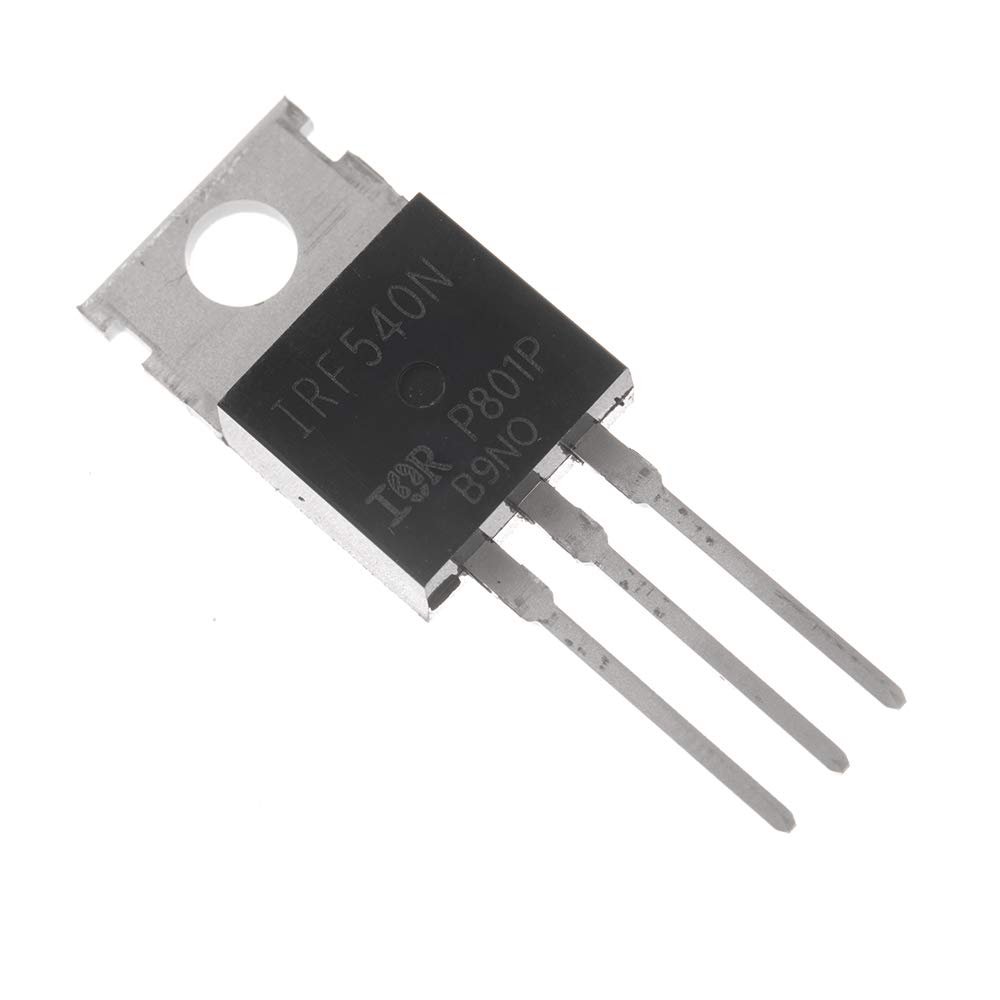
Even with devices this small, we couldn't make 13 sextillion of them in 60 years.
In 2017, it was estimated a billion are made every year.
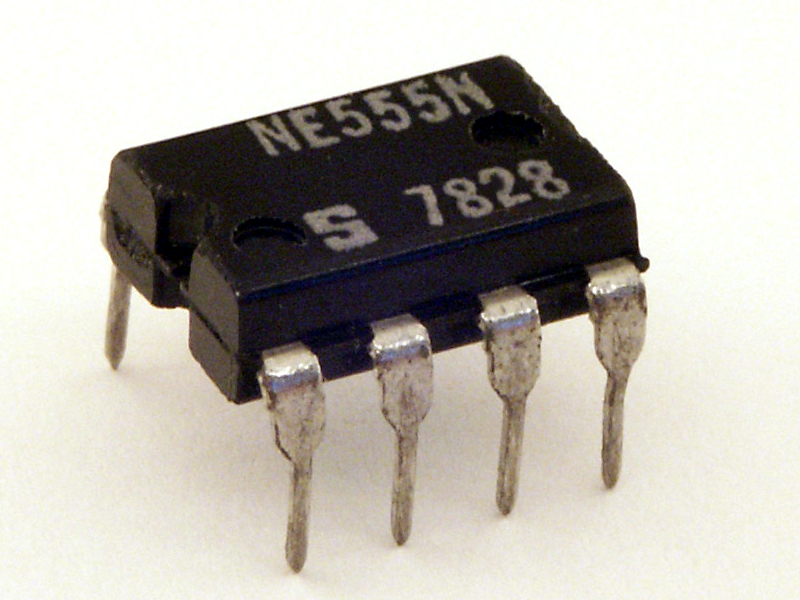
(from Ken Shirriff's blog)
https://t.co/mz5PQDjYqF
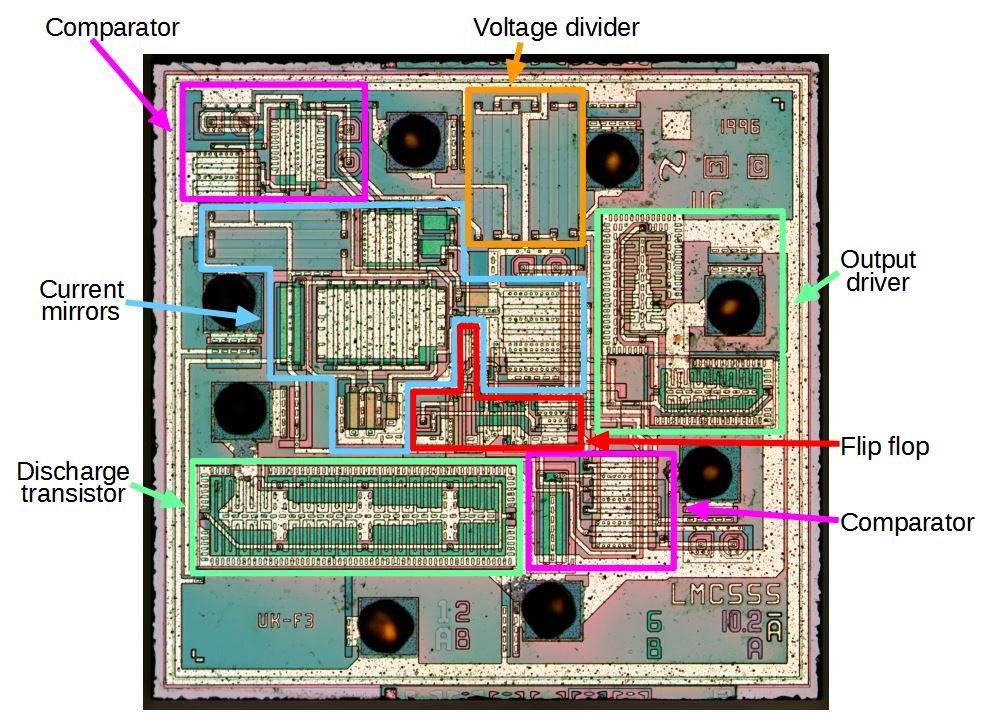
about 25. Not many, but it's a very simple chip.
There's no specs on that specific chip that I can see, but the Tegra Xavier (Which is effectively the Tegra X3) has 7 billion transistors.
So even if the X1 only has 1/7th as many transistors as the Xavier, that's still 70 quadrillion transistors.
That's a rounding error. The CPU/GPU chip is only a small percentage of the number of transistors in the Switch.
One way to make LCDs is with Thin-film transistors, where there's actually a transparent MOSFET layer which each individual subpixel has a transistors.
So it's not the screen.
This is where you build a MOSFET where instead of acting like a switch, the gate electrically isolated, and doesn't easily change.
Basically you can run a current through the mosfet, and based on if it was charged or not, it'll have a different threshold voltage.
And it's taken over the world in the 41 years since it was invented.
You need at minimum one MOSFET for every single bit you store, plus a bunch more to handle addressing and writing and erasing and controlling.
That's not a lot. Your computer or phone probably has at least 4 times that much.
And Nintendo has sold 70 million of those.
More from foone


More from Tech




THREAD: How is it possible to train a well-performing, advanced Computer Vision model 𝗼𝗻 𝘁𝗵𝗲 𝗖𝗣𝗨? 🤔
At the heart of this lies the most important technique in modern deep learning - transfer learning.
Let's analyze how it
2/ For starters, let's look at what a neural network (NN for short) does.
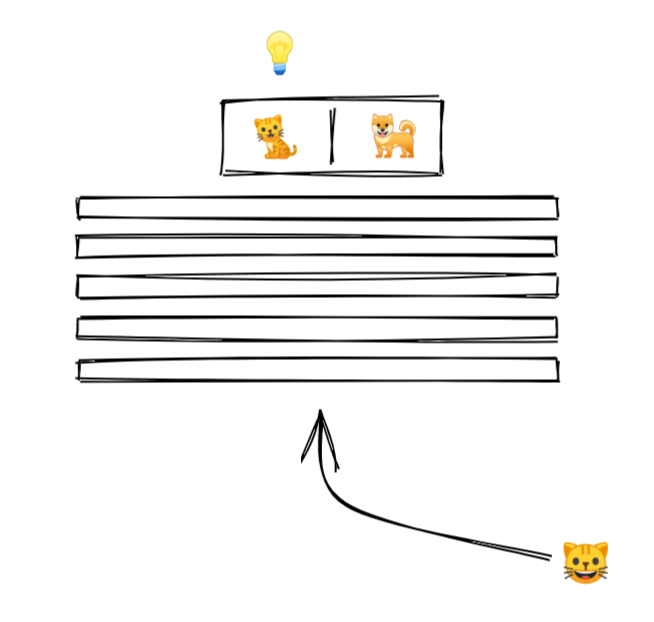
An NN is like a stack of pancakes, with computation flowing up when we make predictions.
How does it all work?
3/ We show an image to our model.
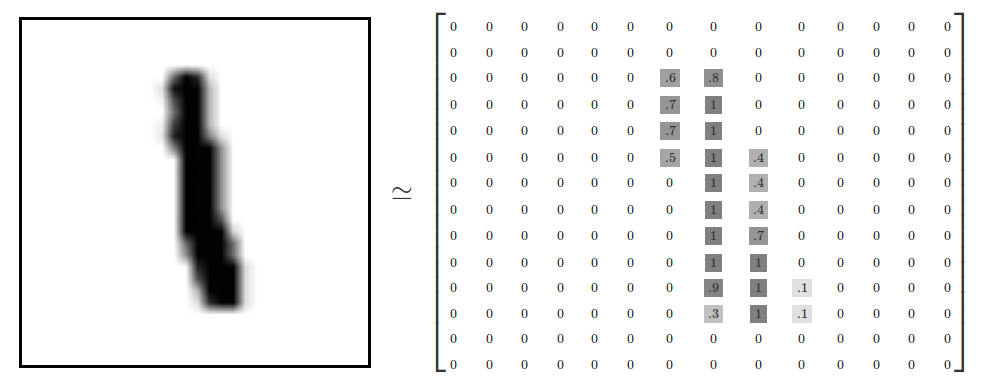
An image is a collection of pixels. Each pixel is just a bunch of numbers describing its color.
Here is what it might look like for a black and white image
4/ The picture goes into the layer at the bottom.
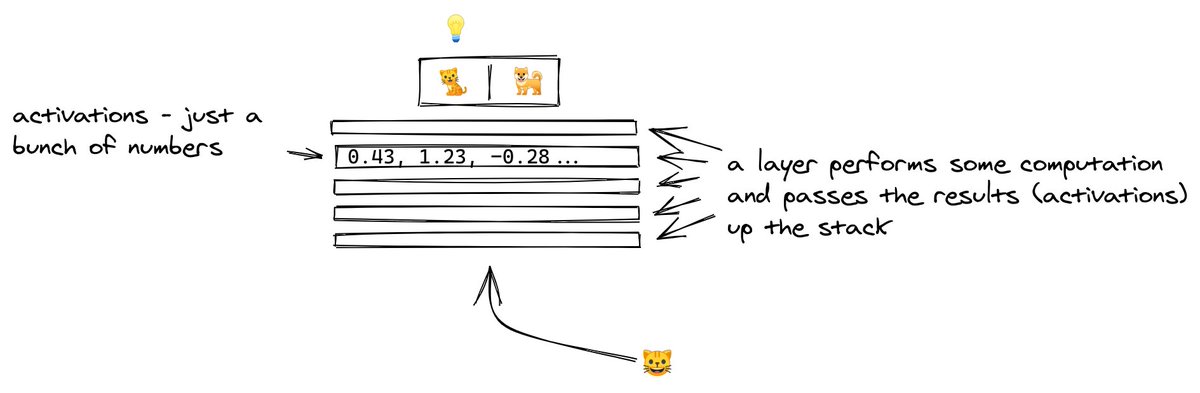
Each layer performs computation on the image, transforming it and passing it upwards.
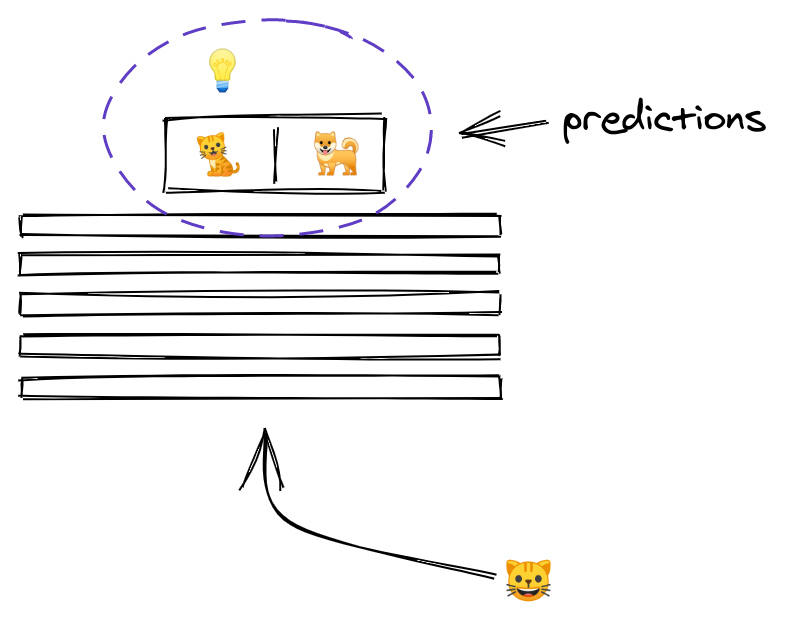
5/ By the time the image reaches the uppermost layer, it has been transformed to the point that it now consists of two numbers only.
The outputs of a layer are called activations, and the outputs of the last layer have a special meaning... they are the predictions!
At the heart of this lies the most important technique in modern deep learning - transfer learning.
Let's analyze how it
THREAD: Can you start learning cutting-edge deep learning without specialized hardware? \U0001f916
— Radek Osmulski (@radekosmulski) February 11, 2021
In this thread, we will train an advanced Computer Vision model on a challenging dataset. \U0001f415\U0001f408 Training completes in 25 minutes on my 3yrs old Ryzen 5 CPU.
Let me show you how...
2/ For starters, let's look at what a neural network (NN for short) does.
An NN is like a stack of pancakes, with computation flowing up when we make predictions.
How does it all work?
3/ We show an image to our model.
An image is a collection of pixels. Each pixel is just a bunch of numbers describing its color.
Here is what it might look like for a black and white image
4/ The picture goes into the layer at the bottom.
Each layer performs computation on the image, transforming it and passing it upwards.
5/ By the time the image reaches the uppermost layer, it has been transformed to the point that it now consists of two numbers only.
The outputs of a layer are called activations, and the outputs of the last layer have a special meaning... they are the predictions!
You May Also Like




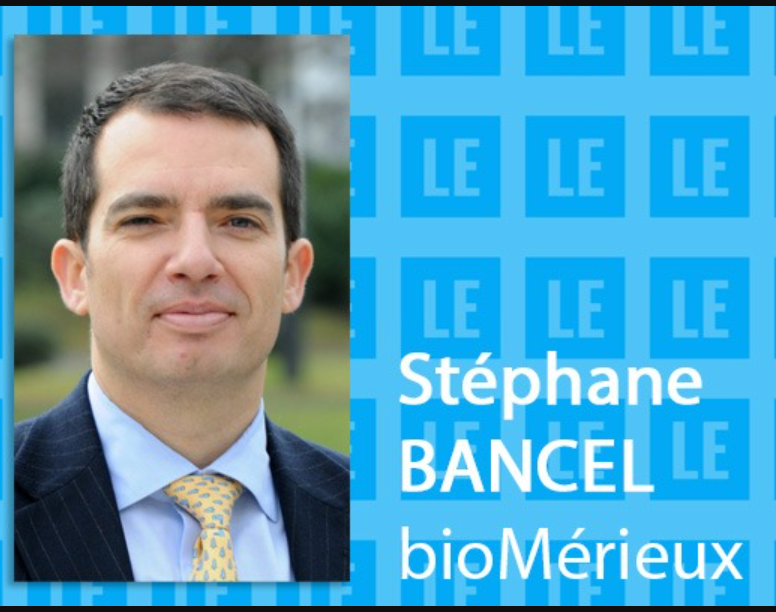
Moderna CEO Stephane Bancel was previously CEO of bioMerieux in France from 07-10.
Alain Merieux, who owns bioMerieux, was instrumental in the creation of the Wuhan Institute of Virology P4 Lab.
The same people who helped create the virus, also helped to create the vaccines...
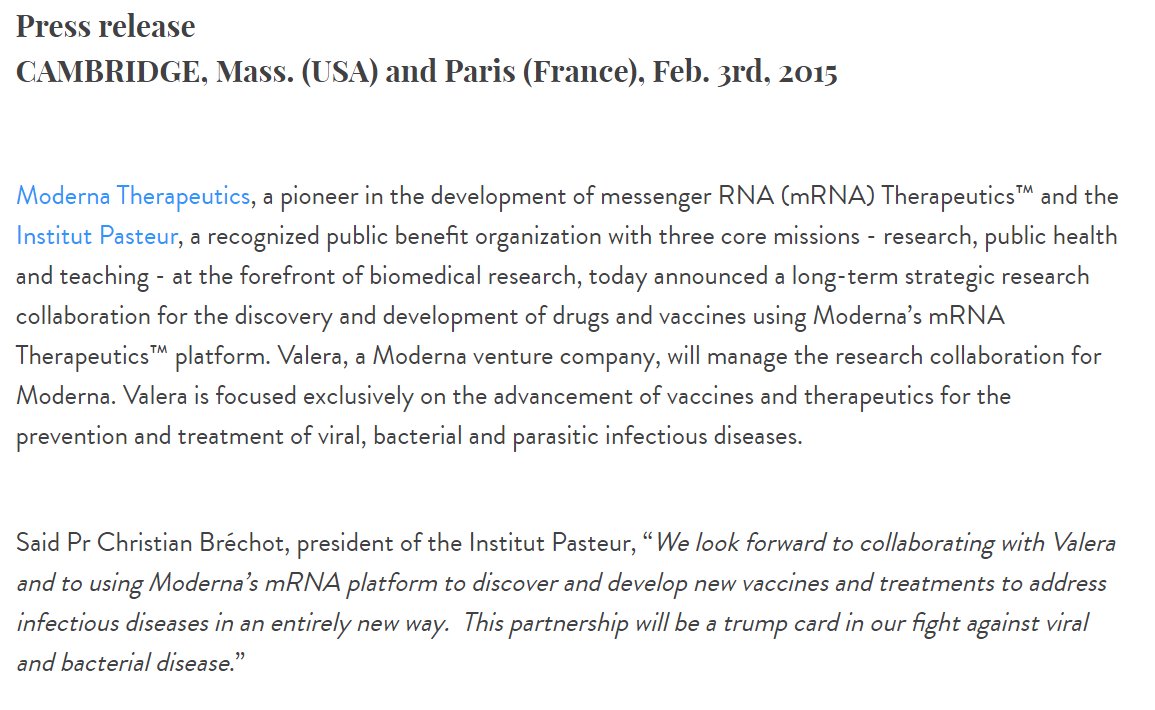
Moderna partnered with French Pasteur Institute in 2015 to develop mRNA vaccine technology.
Pasteur Institute partnered with the Wuhan P4 Laboratory in 2017 along with the Merieux Foundation to study emerging viruses...
https://t.co/yFsHwrNYaK
https://t.co/9M5lydBKhM
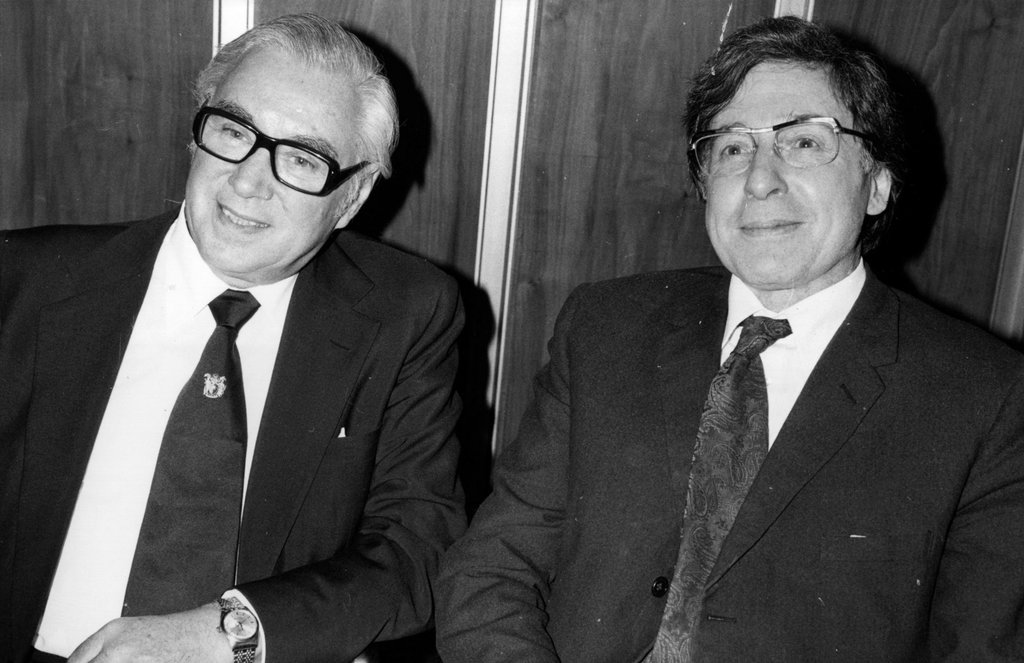
Nobel prize winning scientist Luc Montagnier asserts that Sars-Cov-2 is man-made and originated from the Wuhan Institute of Virology.
Montagnier did extensive work with the Pasteur Institute in France which was partnered with the Wuhan P4.
Merieux Foundation & the Chinese government have worked together since 1965, and partnered to study emerging pathogens in Africa in 2015.
Their research included "PATHOGENS CARRIED BY BATS" that provoke respiratory diseases.
🚨🚨🚨
https://t.co/gVwpT0ssqI

Alain Merieux, who owns bioMerieux, was instrumental in the creation of the Wuhan Institute of Virology P4 Lab.
The same people who helped create the virus, also helped to create the vaccines...
Moderna partnered with French Pasteur Institute in 2015 to develop mRNA vaccine technology.
Pasteur Institute partnered with the Wuhan P4 Laboratory in 2017 along with the Merieux Foundation to study emerging viruses...
https://t.co/yFsHwrNYaK
https://t.co/9M5lydBKhM
Nobel prize winning scientist Luc Montagnier asserts that Sars-Cov-2 is man-made and originated from the Wuhan Institute of Virology.
Montagnier did extensive work with the Pasteur Institute in France which was partnered with the Wuhan P4.
Merieux Foundation & the Chinese government have worked together since 1965, and partnered to study emerging pathogens in Africa in 2015.
Their research included "PATHOGENS CARRIED BY BATS" that provoke respiratory diseases.
🚨🚨🚨
https://t.co/gVwpT0ssqI